October 26, 2026
By Dadi Darmadi
As Chairman of the Board of Trustees of Universitas Islam Internasional Indonesia (UIII), the former vice president brings Indonesia’s experience in democracy, conflict resolution, and sustainable development to leading American universities.
DEKALB, Illinois — H.M. Jusuf Kalla, Chairman of the Board of Trustees of Universitas Islam Internasional Indonesia (UIII) and former Vice President of the Republic of Indonesia, has received a special award from Northern Illinois University (NIU) in recognition of his two-week engagement as a guest lecturer, sharing Indonesia’s experiences in governance, leadership, peacebuilding, and sustainable development with an international academic audience.
The recognition was presented during a farewell event on October 20, 2026, in DeKalb, Illinois, attended by NIU President Dr. Lisa Freeman, university deans, and senior faculty members. During his residency, Kalla served as a Distinguished Global Leader in Residence, delivering a series of lectures on some of the most consequential issues facing Indonesia and the wider world.
NIU’s recognition highlighted Kalla’s role in connecting Indonesia and the United States while creating opportunities for students and academics from diverse backgrounds to engage directly with the experiences of an Indonesian leader.
For UIII, an international public university established to advance Islamic scholarship and foster global intellectual exchange, the recognition also highlights the international relevance of the experience and leadership represented by the university’s Board of Trustees.
Bringing Indonesia’s Experience into Global Academic Conversations
Throughout his residency at NIU, Kalla addressed the challenges of democratic governance, regional autonomy, political leadership, conflict resolution, and the transition to a green economy. Rather than approaching these subjects solely as abstract policy questions, he drew on decades of experience in Indonesian public life, including his service as vice president in two administrations, from 2004 to 2009 and 2014 to 2019.
His lectures offered students an opportunity to examine Indonesia’s post-Reformasi transformation, particularly the shift from a highly centralized state toward a more decentralized political system. The experience illustrates both the possibilities and the limitations of democratic reform, including the continuing challenge of ensuring that political competition produces capable and accountable leadership.
Kalla also addressed the relationship between democracy and leadership quality, questioning whether electoral popularity and financial resources sometimes overshadow competence and experience in the selection of public officials.
These reflections brought a practitioner’s perspective to academic discussions about the institutions, political incentives, and social conditions that shape democratic governance.
His engagement extended beyond domestic politics. In lectures on conflict resolution and peacebuilding, Kalla drew attention to the importance of dialogue, negotiation, and cooperation in addressing complex conflicts. His experience in mediation, including efforts associated with the Aceh peace process, provides a valuable case for examining how political negotiations can help transform prolonged conflict into opportunities for reconciliation.
The final sessions at NIU also explored the challenges of making the green transition work in Indonesia, particularly the relationship between industry, technology, energy policy, and job creation. The discussions underscored the importance of considering the economic and social consequences of environmental transformation, especially in developing countries seeking to sustain growth while responding to climate change.
From National Experience to International Engagement
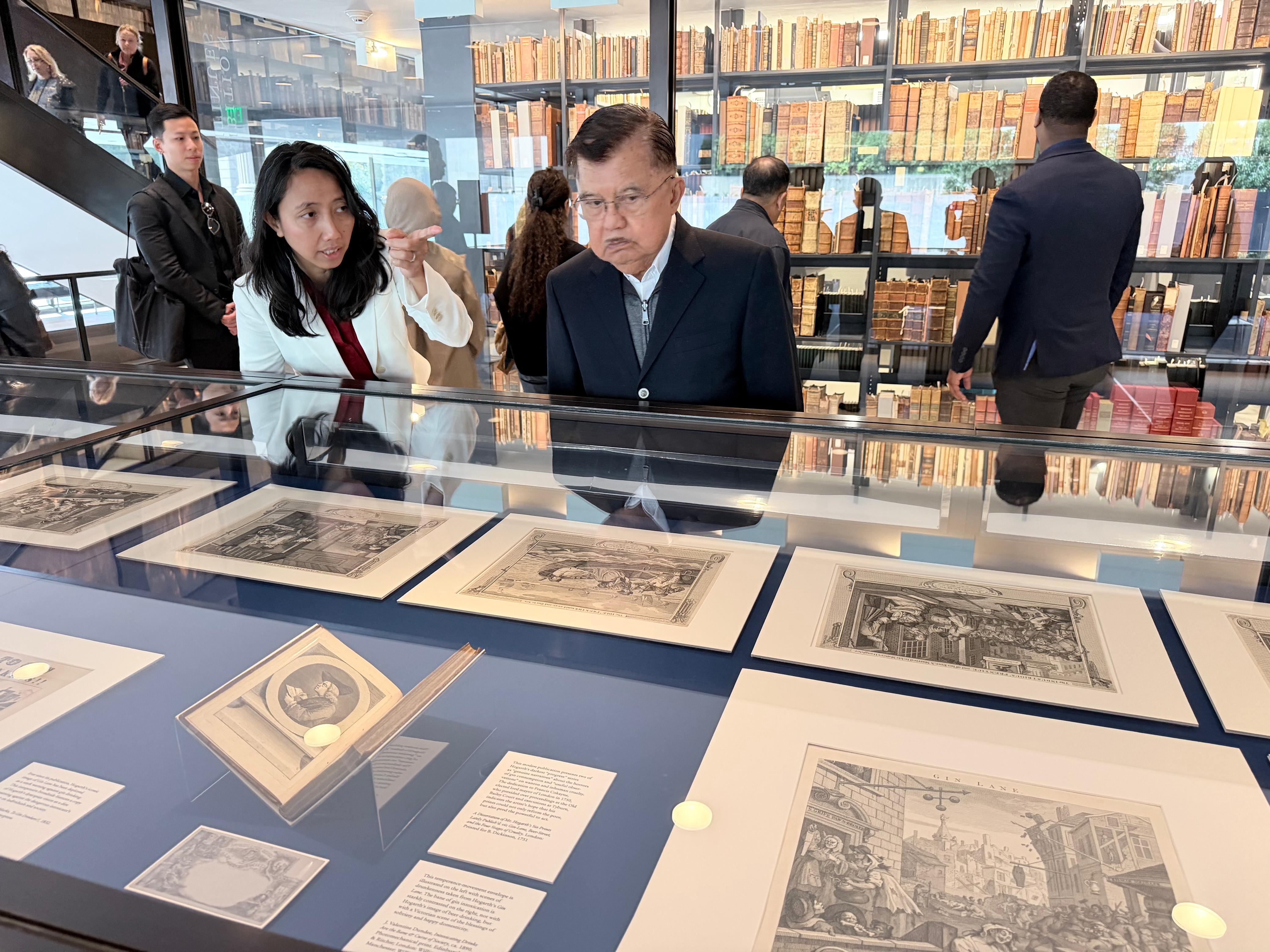
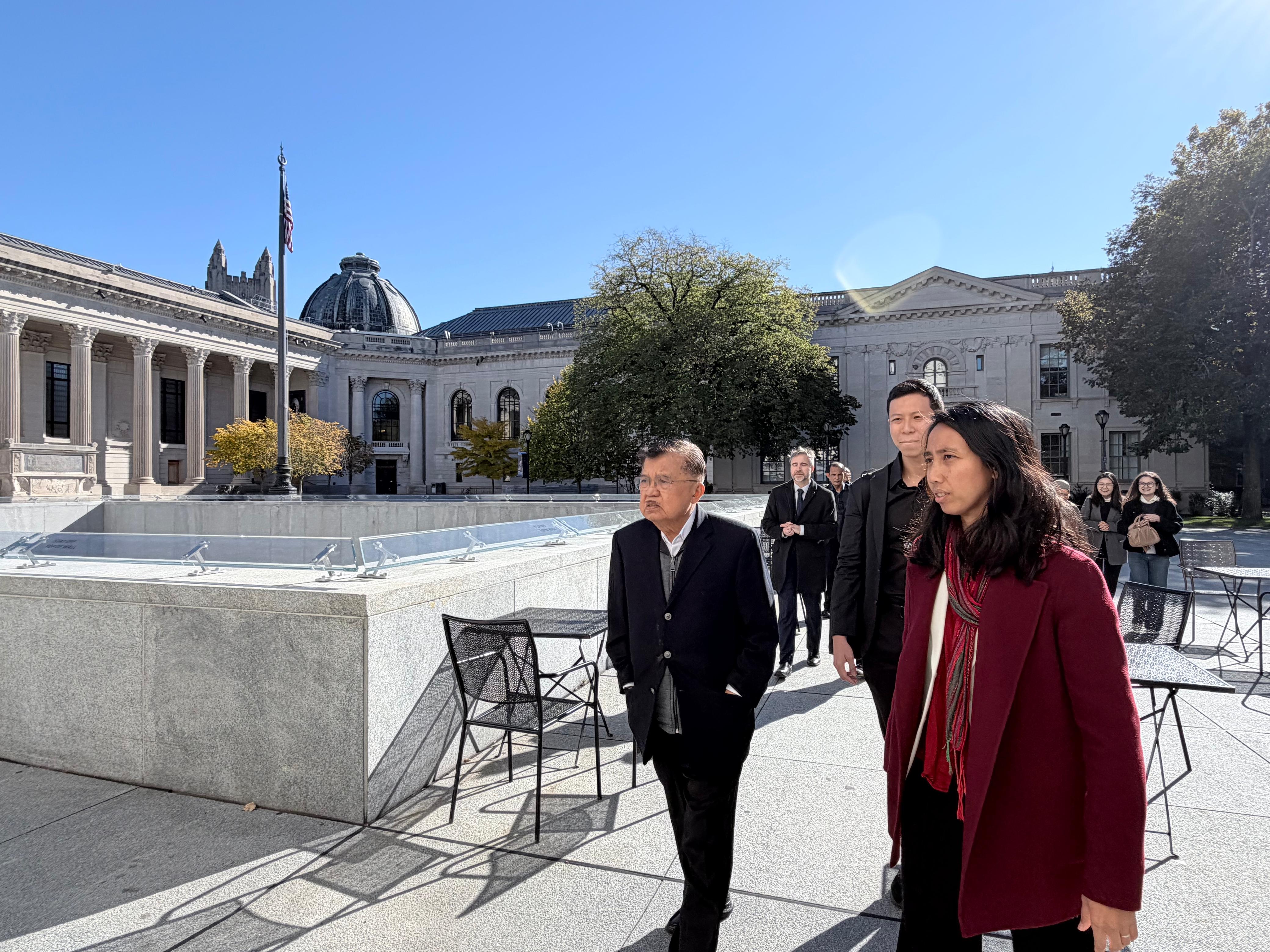
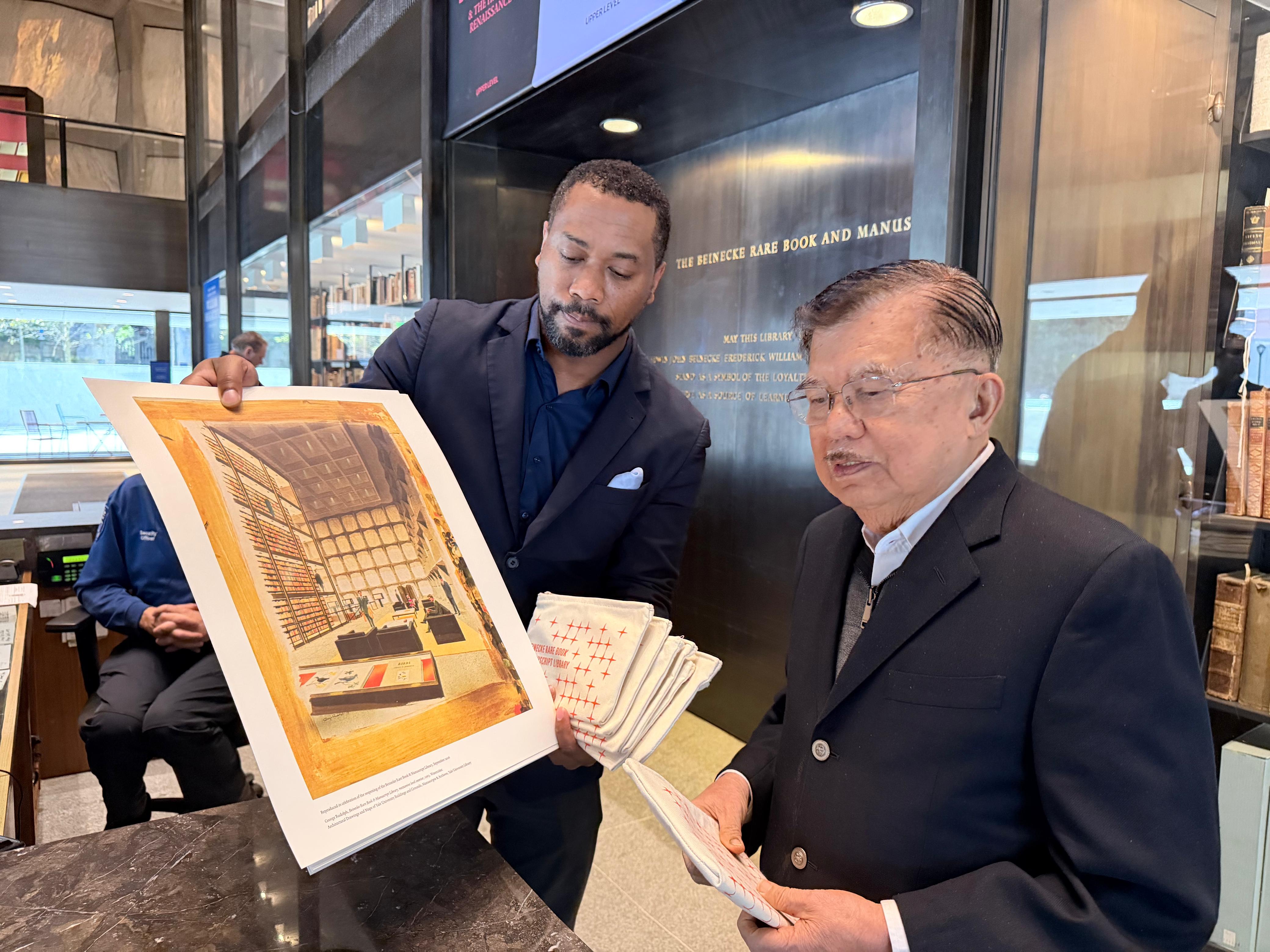
Kalla’s academic engagements in the United States extend beyond NIU. On October 22, he is scheduled to participate in a discussion at Harvard University on *Leadership Amidst Uncertainty: Lessons from Experience*. The following day, he is scheduled to deliver a distinguished lecture at Yale University’s MacMillan Center on conflict resolution, peacebuilding, humanitarian response, and disaster management in pluralistic Indonesia.
Together, these engagements provide a platform for bringing Indonesian experiences into international discussions on public leadership, governance, and peace. They also create opportunities for dialogue between practitioners and scholars, allowing experiences from Indonesia to be examined alongside broader debates in political science, public policy, and international affairs.
Such exchanges are particularly relevant at a time when countries face overlapping challenges, from political polarization and armed conflict to climate change and humanitarian emergencies. Indonesia’s experience as a large, diverse democracy offers important material for comparative discussion, while also reminding international audiences that policy solutions must be understood within their particular historical and social contexts.
A Broader Significance for UIII
Kalla’s recognition carries significance for UIII beyond the achievement of an individual member of its leadership. As Chairman of the university’s Board of Trustees, he occupies a position in an institution whose mission is to connect Indonesian and international scholarship, foster intellectual exchange across cultures, and contribute to global conversations on Islam and contemporary society.
UIII’s international orientation makes engagement with universities abroad an important avenue for advancing these objectives. Academic encounters involving experienced public leaders can help connect policy practice with scholarly inquiry, while opening possibilities for research collaboration, international dialogue, and the exchange of ideas.
The recognition at NIU also points to a broader understanding of international academic engagement: universities are not only places where knowledge is produced and transmitted, but also spaces where experience from different societies can be critically examined and shared.
Kalla’s lectures brought questions emerging from Indonesia’s political and social experience into American classrooms. In return, the discussions offered opportunities to consider how those experiences might inform comparative understanding of democracy, peacebuilding, and sustainable development.
The longer-term value of such engagements will depend on whether the conversations lead to sustained academic relationships, collaborative research, and further exchanges between institutions.
For UIII, the occasion provides an opportunity to reaffirm its commitment to international engagement and to the exchange of knowledge across national and disciplinary boundaries.
Kalla’s recognition at Northern Illinois University thus represents more than the conclusion of a two-week academic residency. It highlights the potential of Indonesia’s experience to contribute to global intellectual conversations — and the role that international academic engagement can play in connecting leadership, scholarship, and the search for solutions to shared challenges. []