November 17, 2026
By Dadi Darmadi
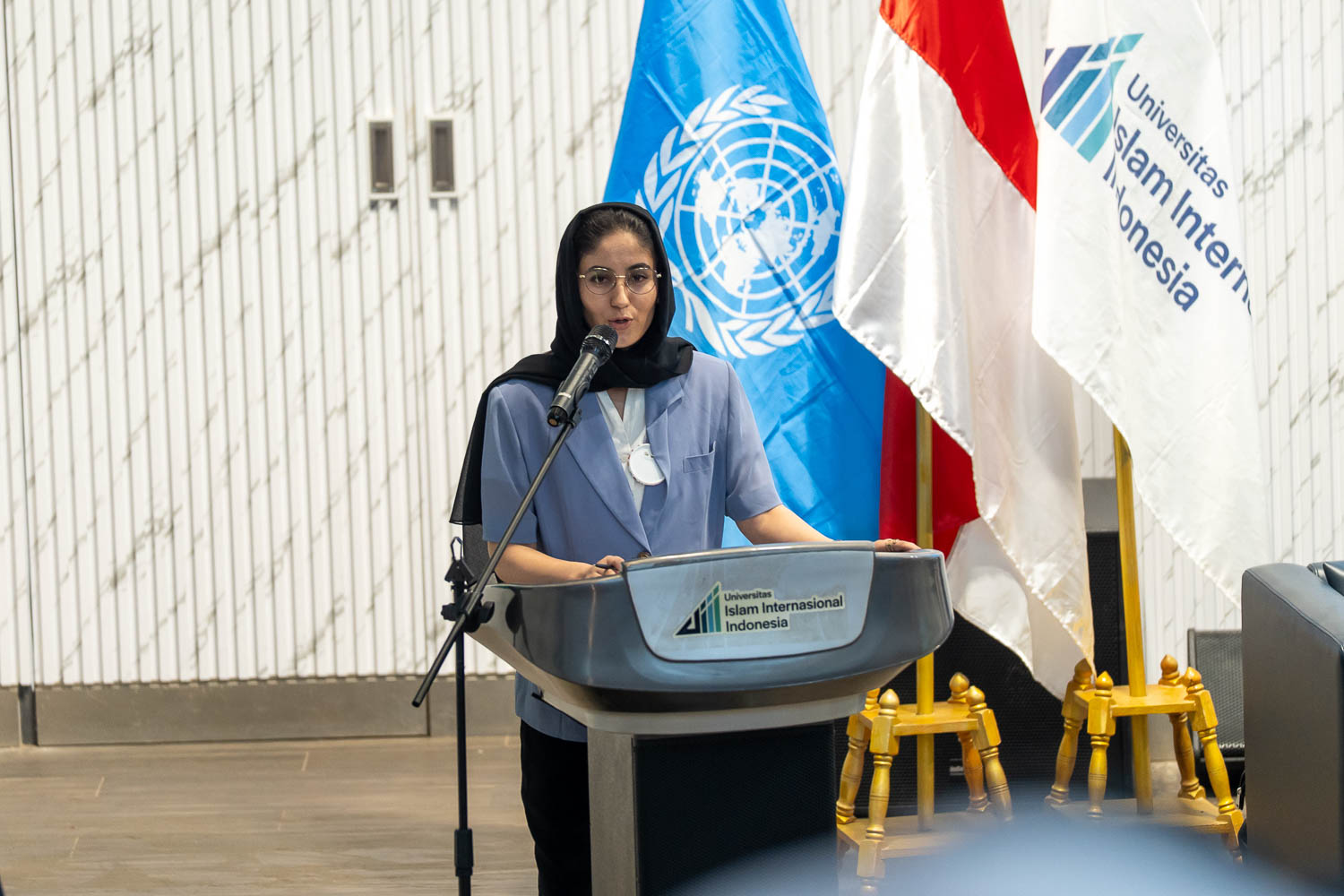
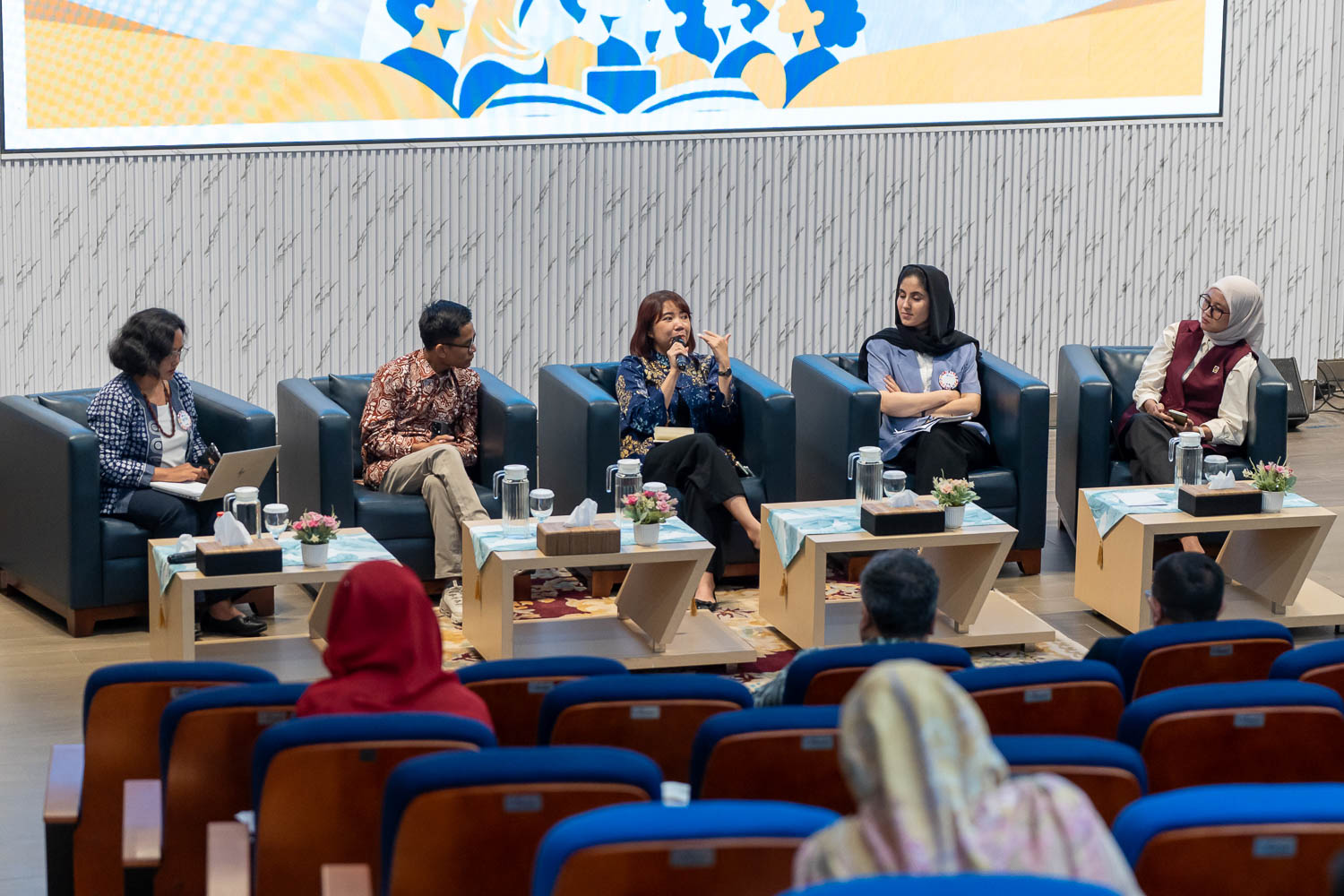
Jakarta — How can teachers become agents of peace and change? At a joint seminar hosted by UNESCO Jakarta and Universitas Islam Internasional Indonesia (UIII), the answer offered by Guru Belajar Foundation was clear: start by humanizing teachers, rather than imposing more training upon them.
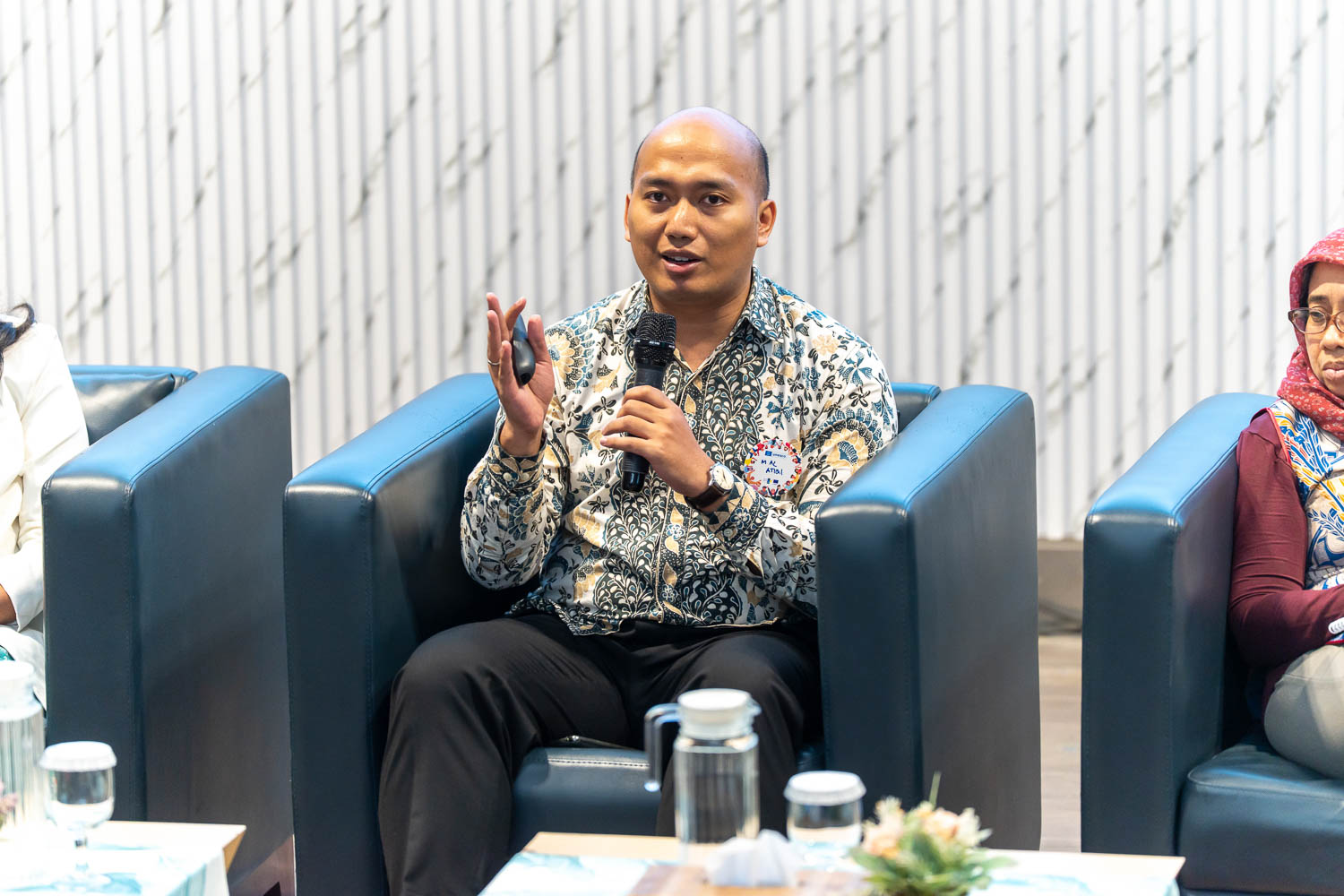
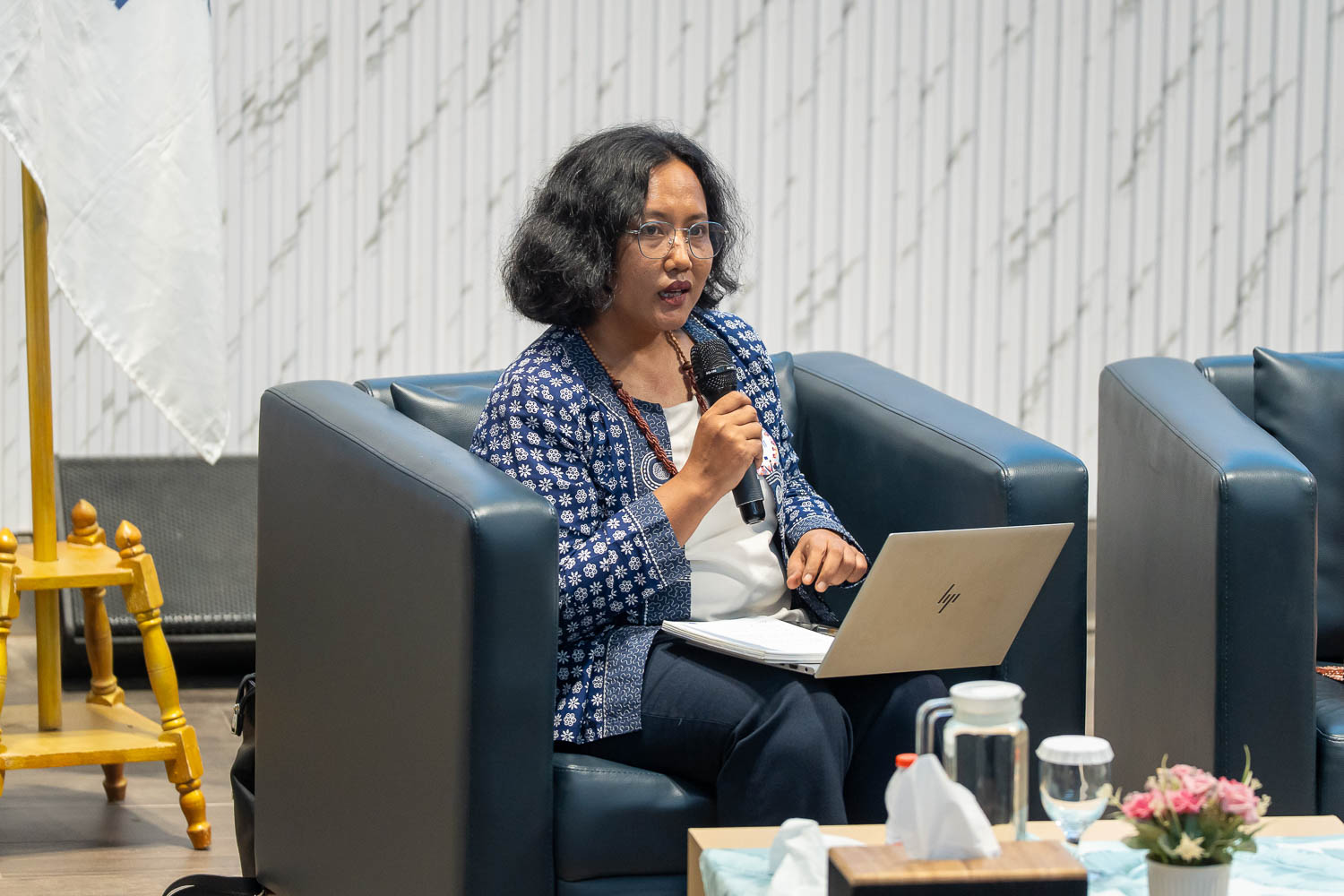
Speaking at the seminar, Muhammad Luqman Hakim of Guru Belajar Foundation delivered a presentation titled “Empowering Teachers as Agents of Peace,” offering a profound reflection on the current state of teacher professional development in Indonesia and beyond. He argued that the traditional “top-down” reform model—uniform one-off training, external experts lecturing, and a cascading rollout—often fails to achieve genuine change. When change is forcibly imposed from above and lacks supporting systems, teachers fall into a vicious cycle of exhaustion, formalistic compliance and paperwork, ultimately resulting in “nothing reaching the students.”
“Teachers learn at their own pace and adapt to their own contexts,” Luqman emphasized. He depicted teacher growth as a cyclical process of “Try → Fail → Reflect → Improve → Try again,” and argued that for this process to occur, teachers need a safe, collaborative support system—not a punitive culture of accountability.
The presentation posed a series of thought-provoking questions to the audience: If teacher professional development treats all teachers uniformly, how can teachers create peaceful, inclusive learning environments? If teachers are treated as objects rather than subjects in their own development, how can they create democratic classrooms? If teachers are regarded as powerless, how can they become agents of change?
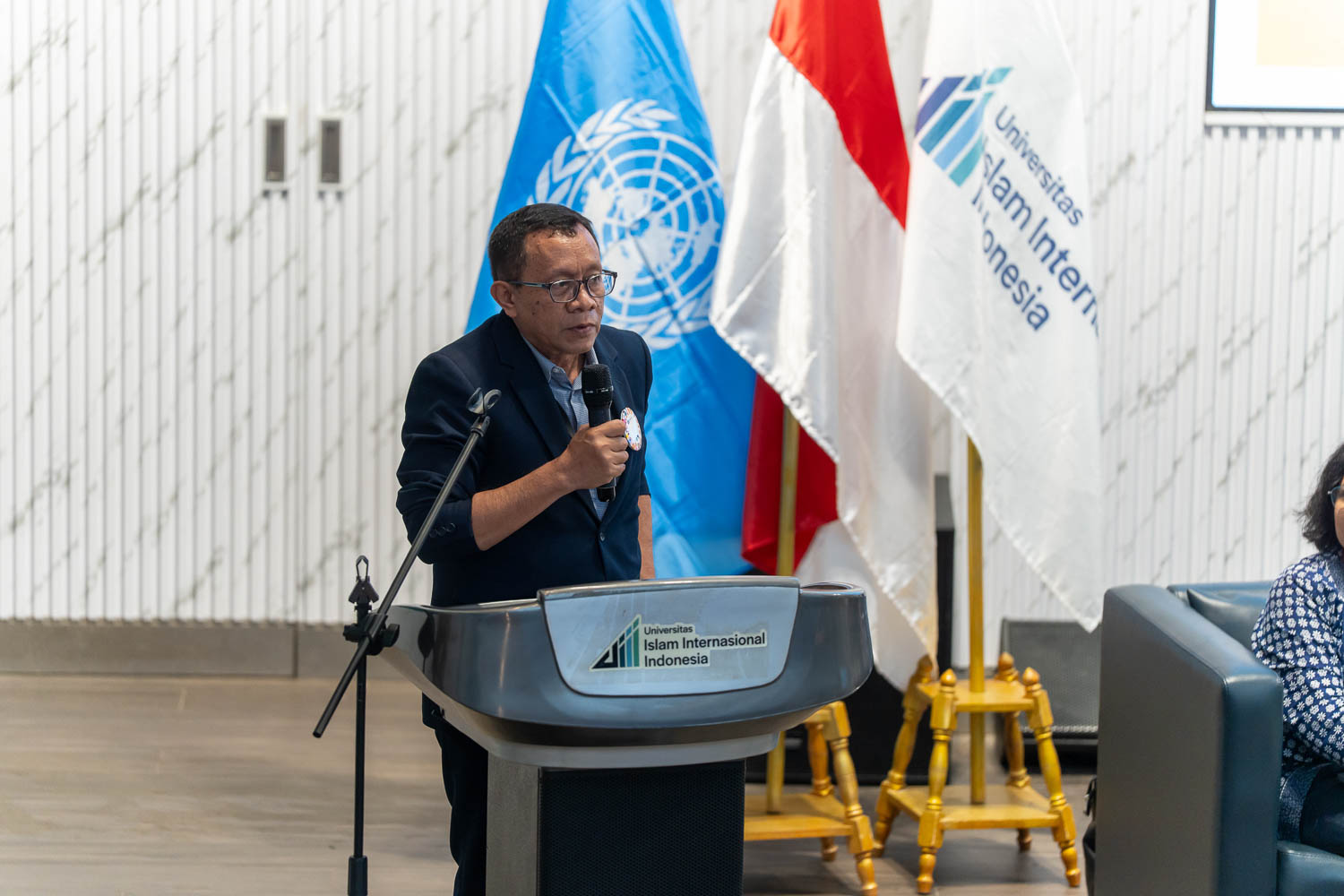
“A school that teaches only facts produces knowledgeable people. A school that also teaches empathy, dialogue, and respect produces peaceful societies,” said Prof. Dr. Jamhari Makruf, the Rector of UIII earlier in his welcoming remark.
The answer from Guru Belajar Foundation is to build “teacher communities that can become a home for teachers’ struggles,” allowing teachers to be valued as complete human beings, while at the same time constructing “collective agency”—where teachers determine what they need to learn, try things out in their own classrooms, and collectively lead change. The presentation cautioned that “empowerment without humanization” may produce teachers who are powerful but still controlling of students, while “humanization without empowerment” may produce kind teachers who nonetheless only wait for instructions.
This philosophy has been validated through practice. Guru Belajar Foundation’s Collective Teacher Leadership Development Programme was awarded the UNESCO-Hamdan Prize for Teacher Development in 2025–2026, having reached over 61,000 teachers across 91 districts and cities in Indonesia. Luqman stated at the UNESCO ceremony in Paris: “This award demonstrates that practices growing from the experiences of Indonesian teachers can be relevant in global conversations about teacher development.”
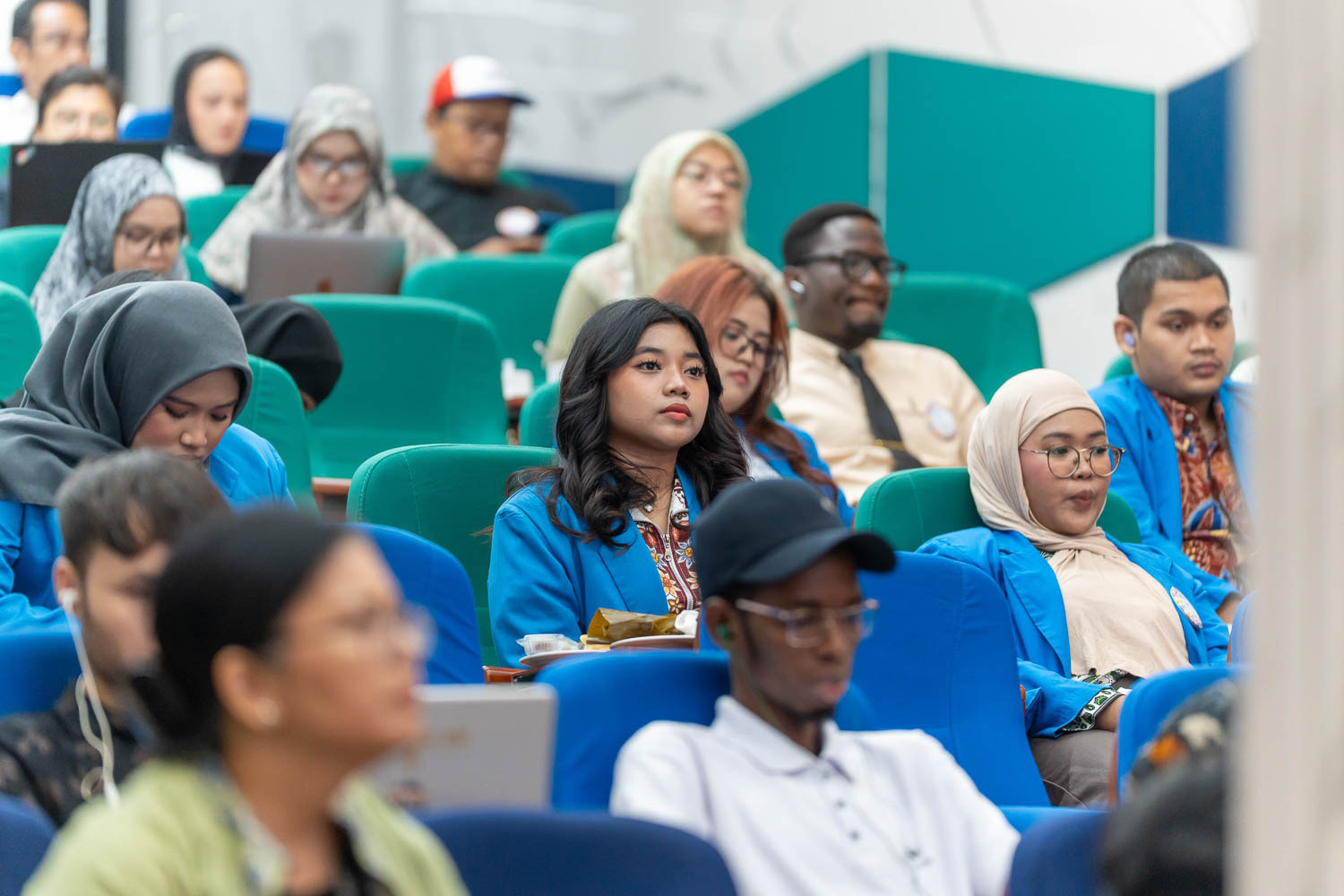
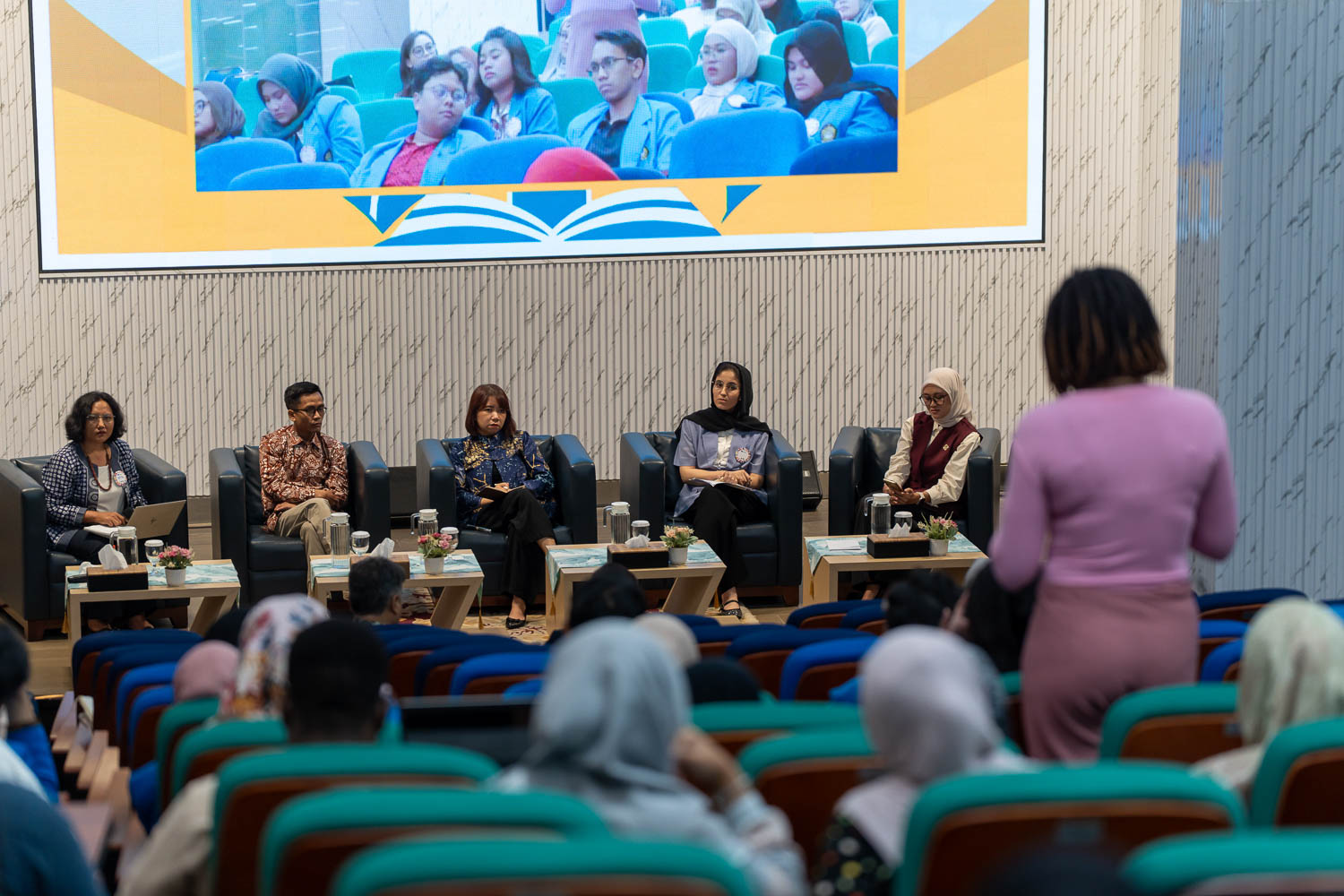
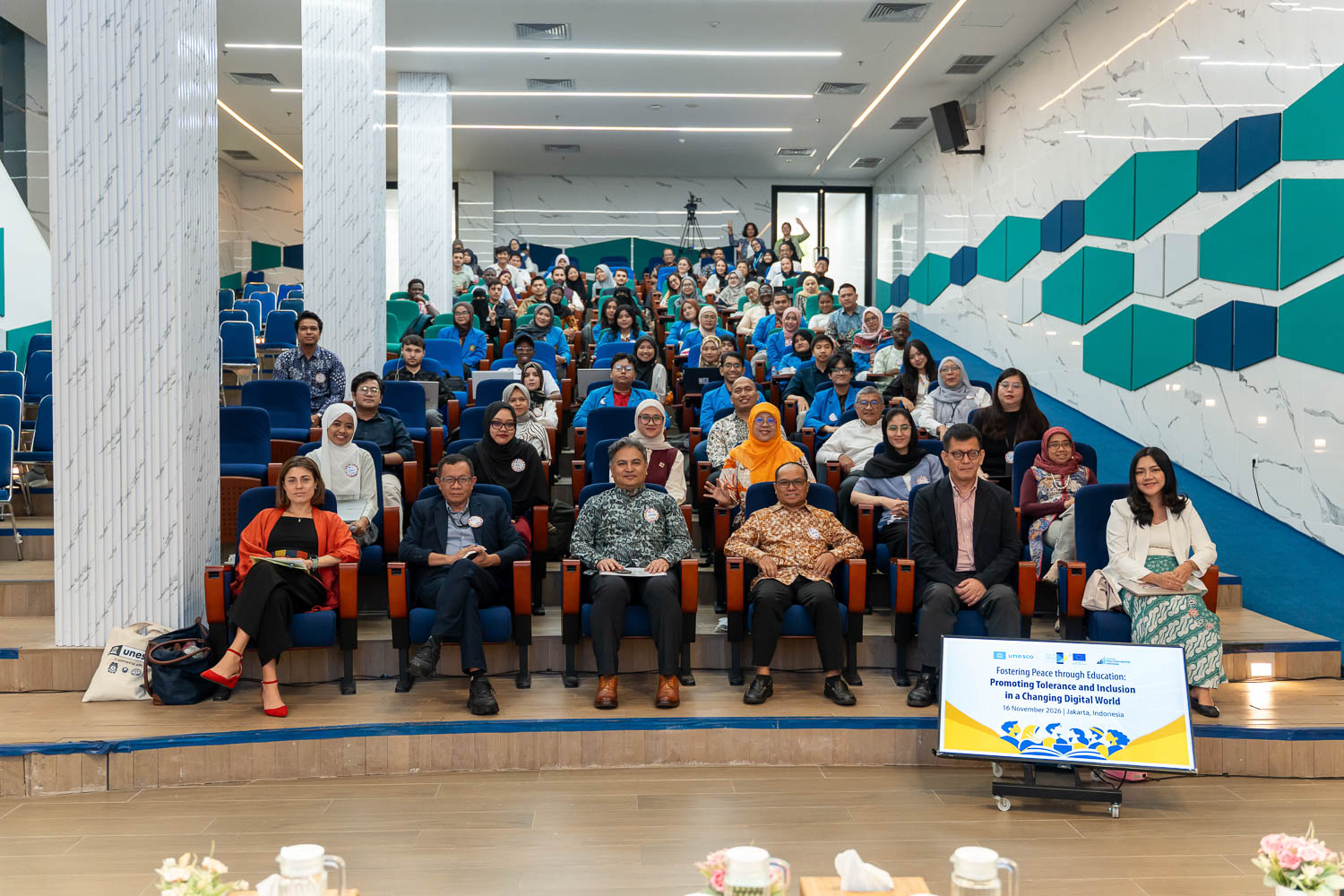
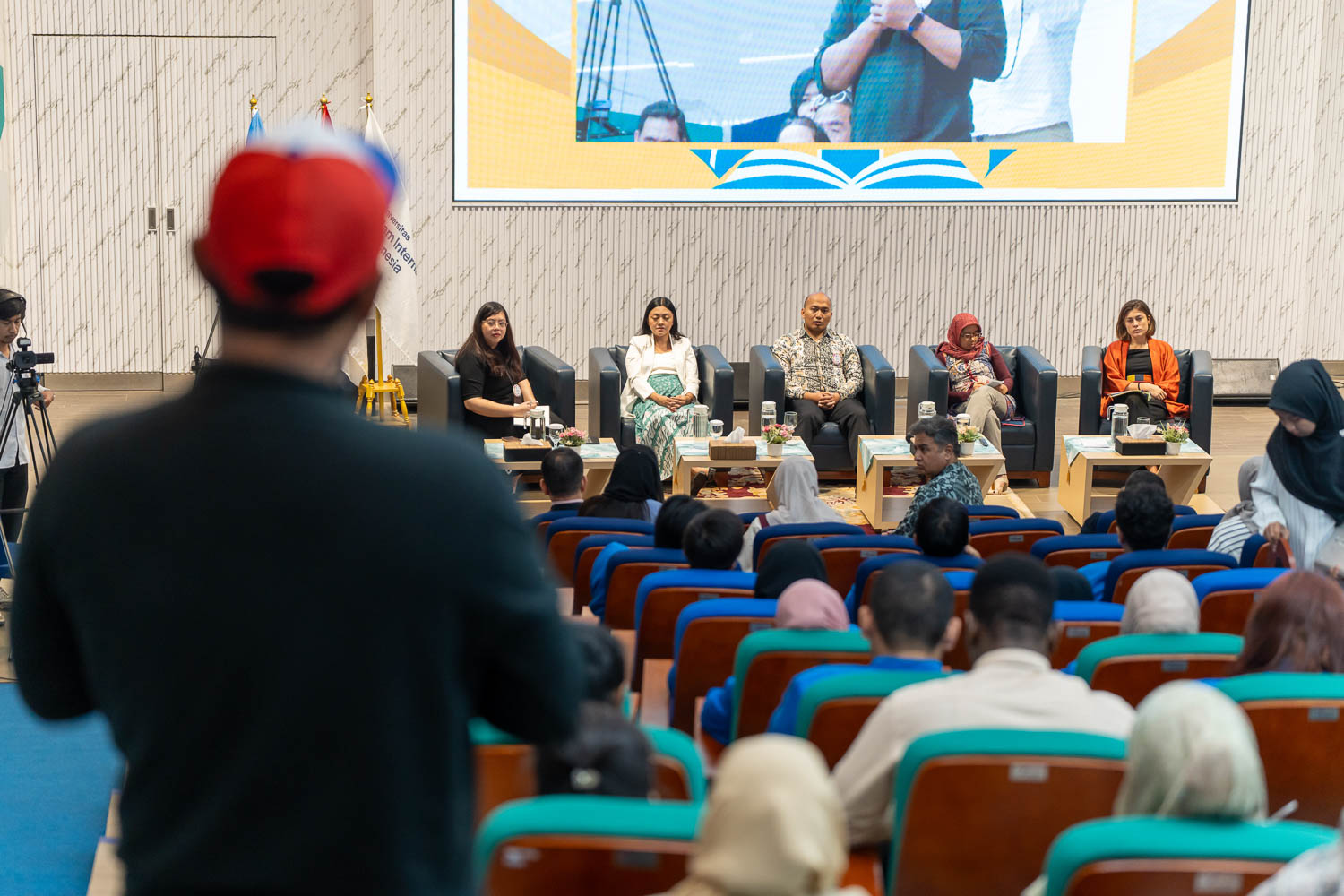
The seminar, jointly organized by UNESCO Jakarta and UIII, brought together educators, policymakers, and researchers to discuss the future of teacher development and the role of teachers in building a more just, peaceful, and sustainable society. []