November 17, 2026
By Dadi Darmadi
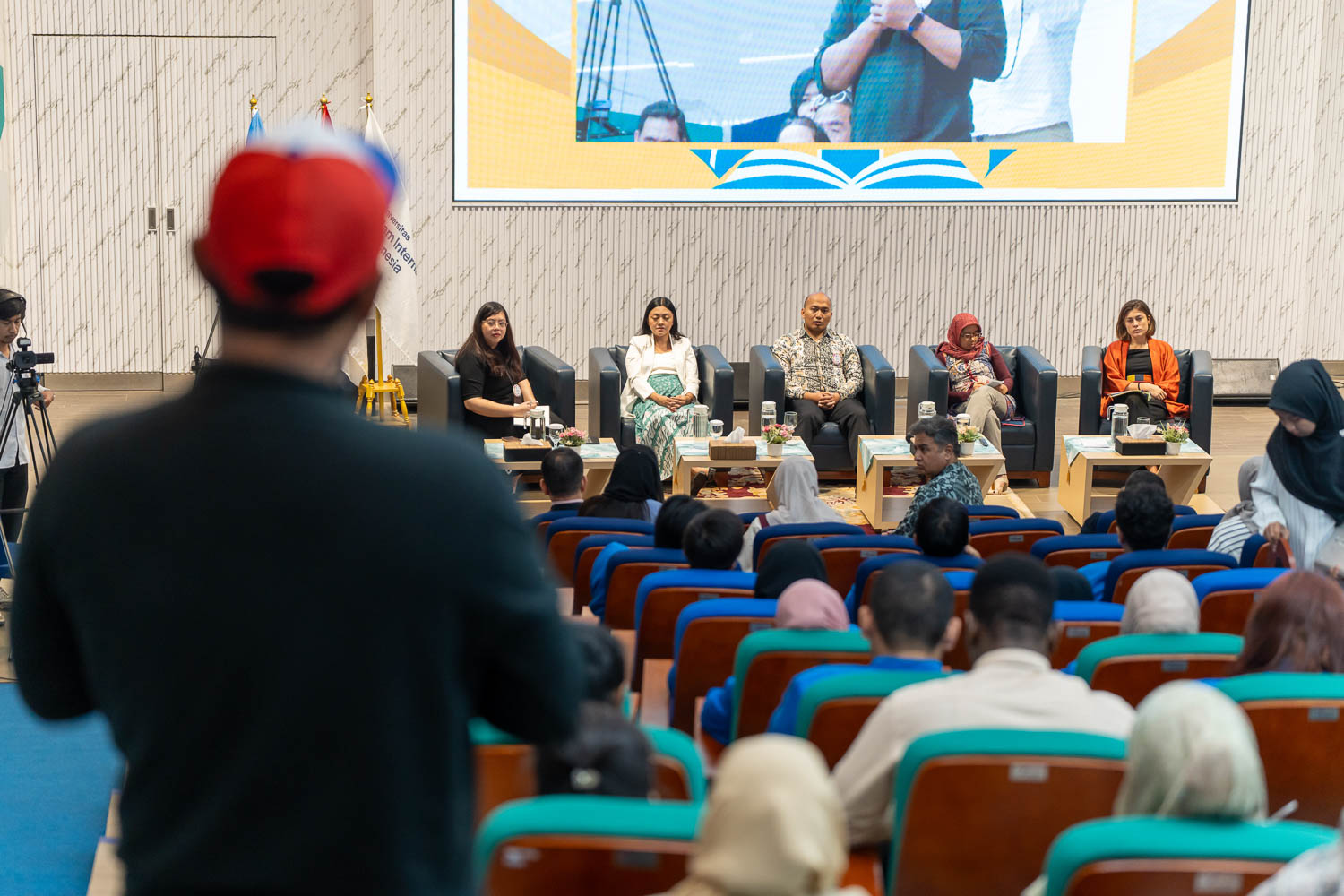
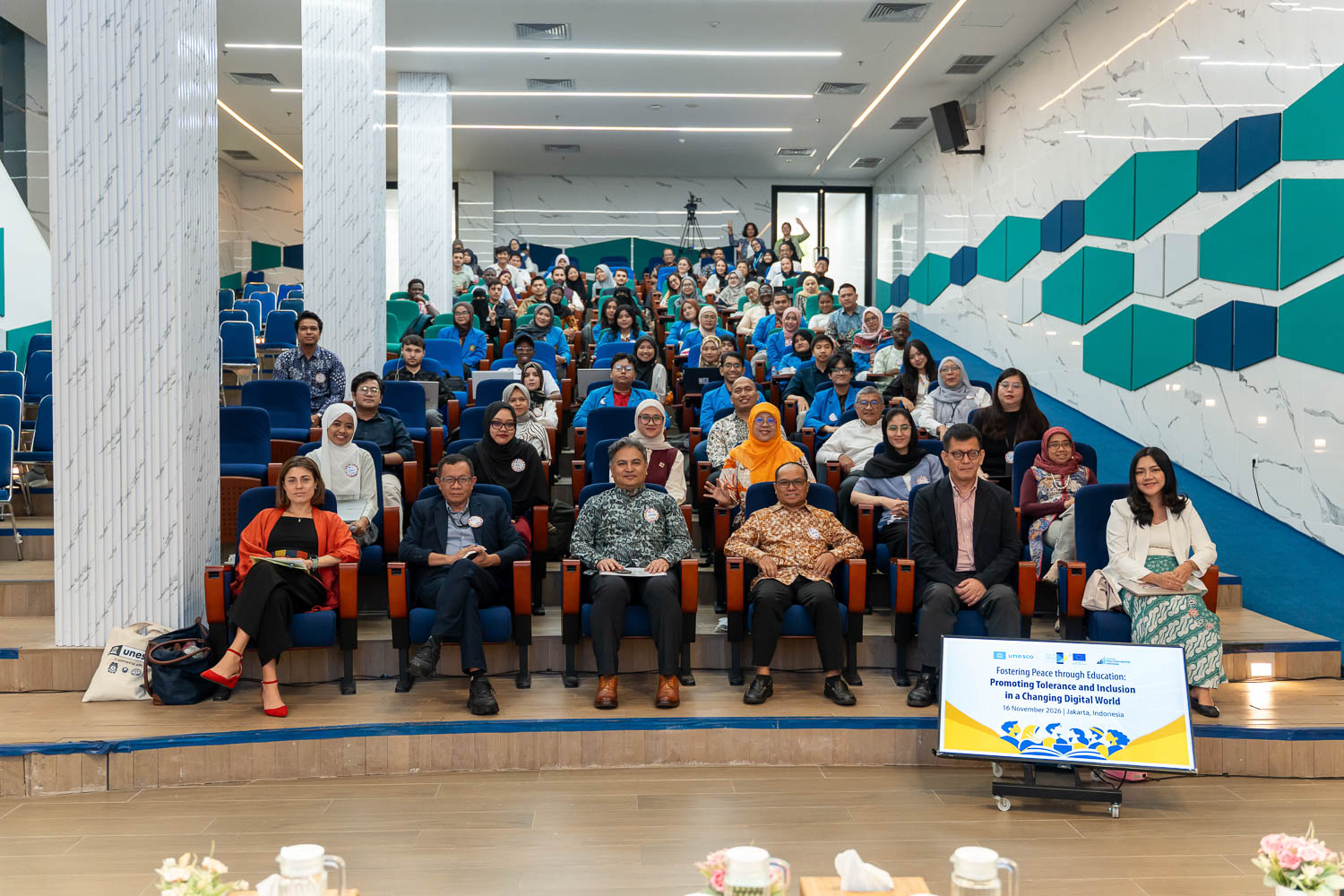
Depok, November 16, 2026 — In a world increasingly shaped by digital connectivity, the challenges of polarization, misinformation, and online hate speech pose significant threats to social cohesion. Recognizing the urgent need to address these issues, the UNESCO Regional Office in Jakarta, in collaboration with Universitas Islam Internasional Indonesia (UIII), successfully hosted a landmark one-day seminar today titled, “Fostering Peace through Education: Promoting Tolerance and Inclusion in a Changing Digital World.”
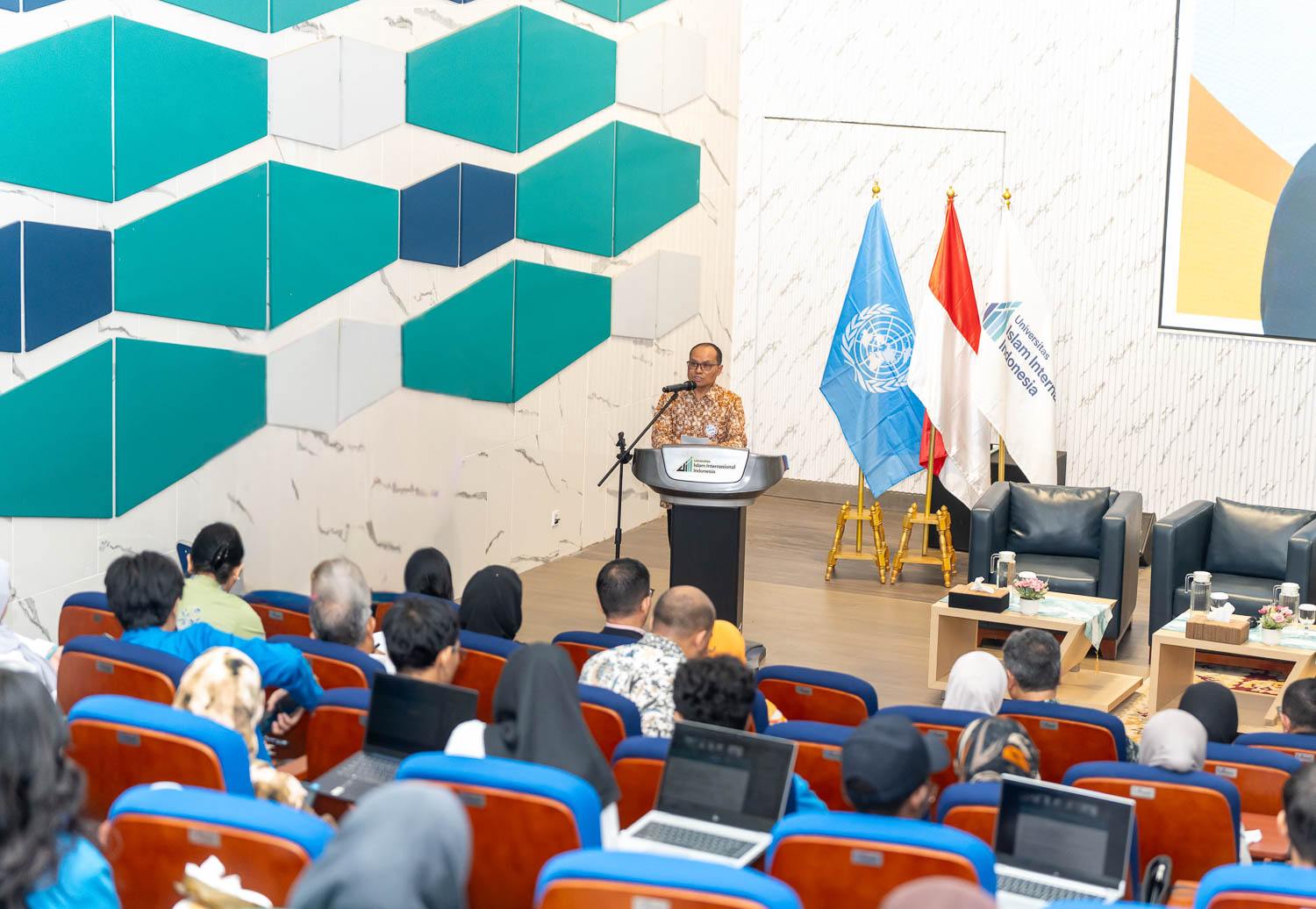
Convened to commemorate the International Day for Tolerance, the event was held in the Theater Room of Faculty Building A at the UIII campus. It brought together university leadership, government officials, academics, civil society representatives, and youth leaders to explore how education can be leveraged to build peaceful, inclusive, and resilient societies in an era of rapid technological change.
A Crucial Dialogue
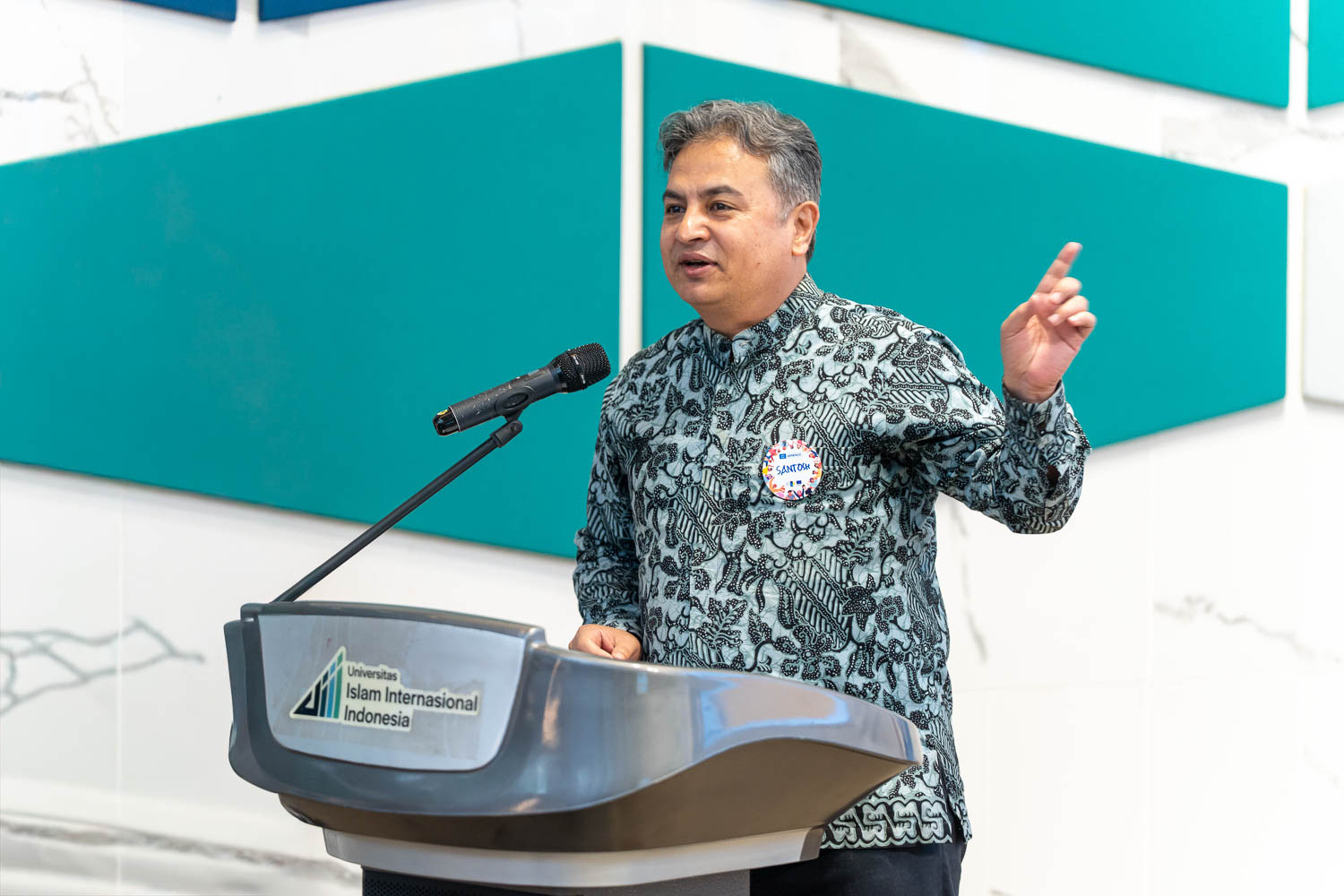
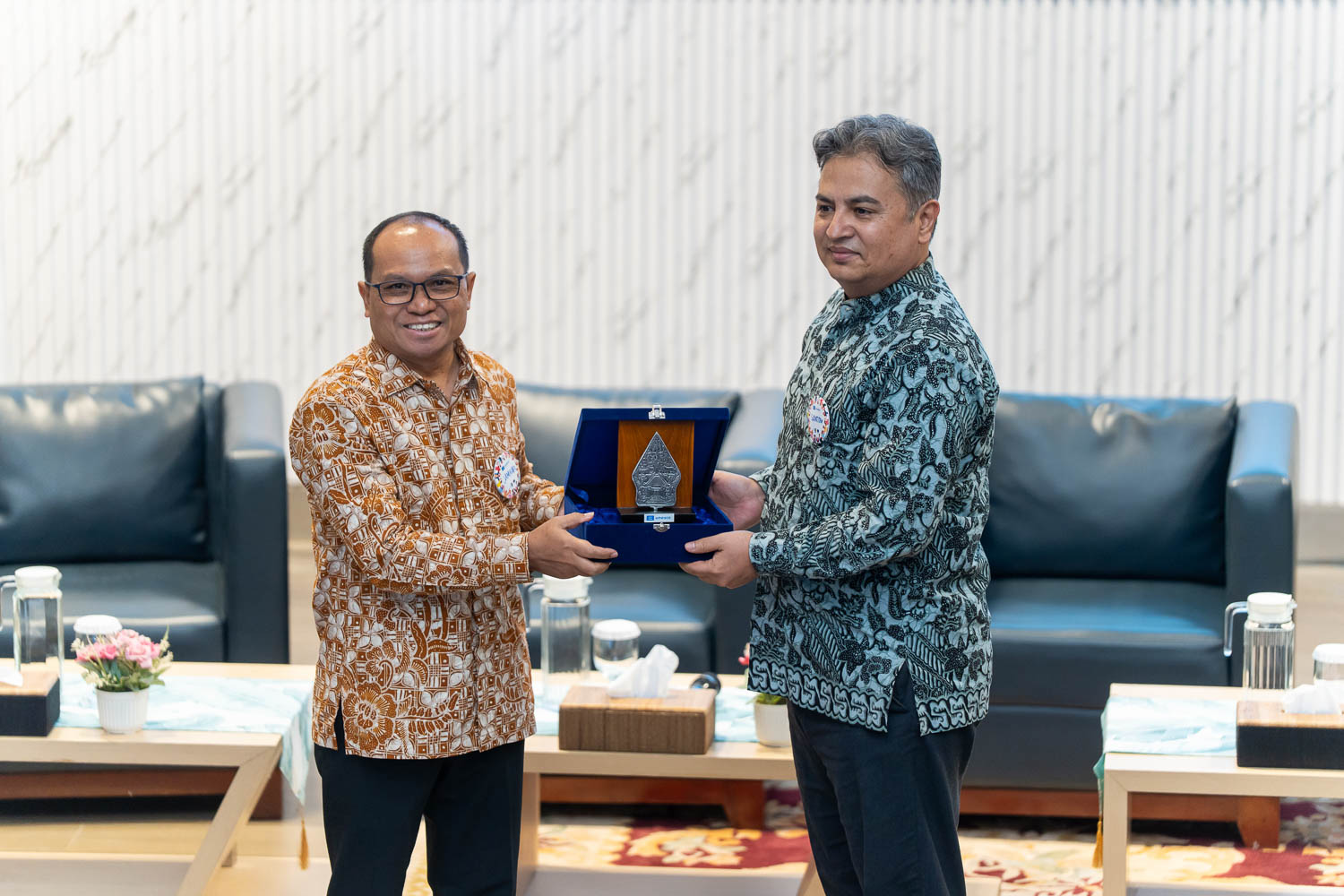
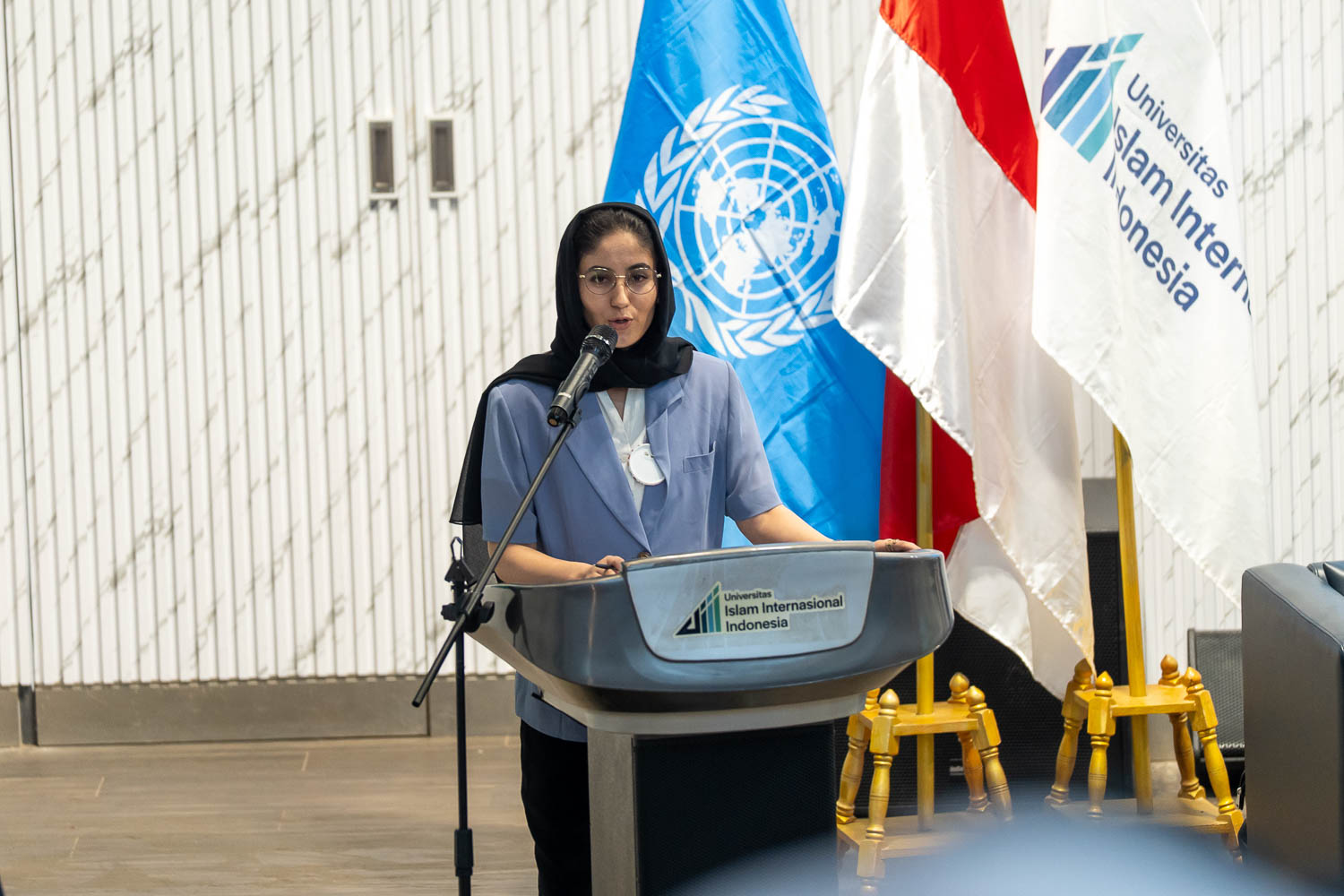
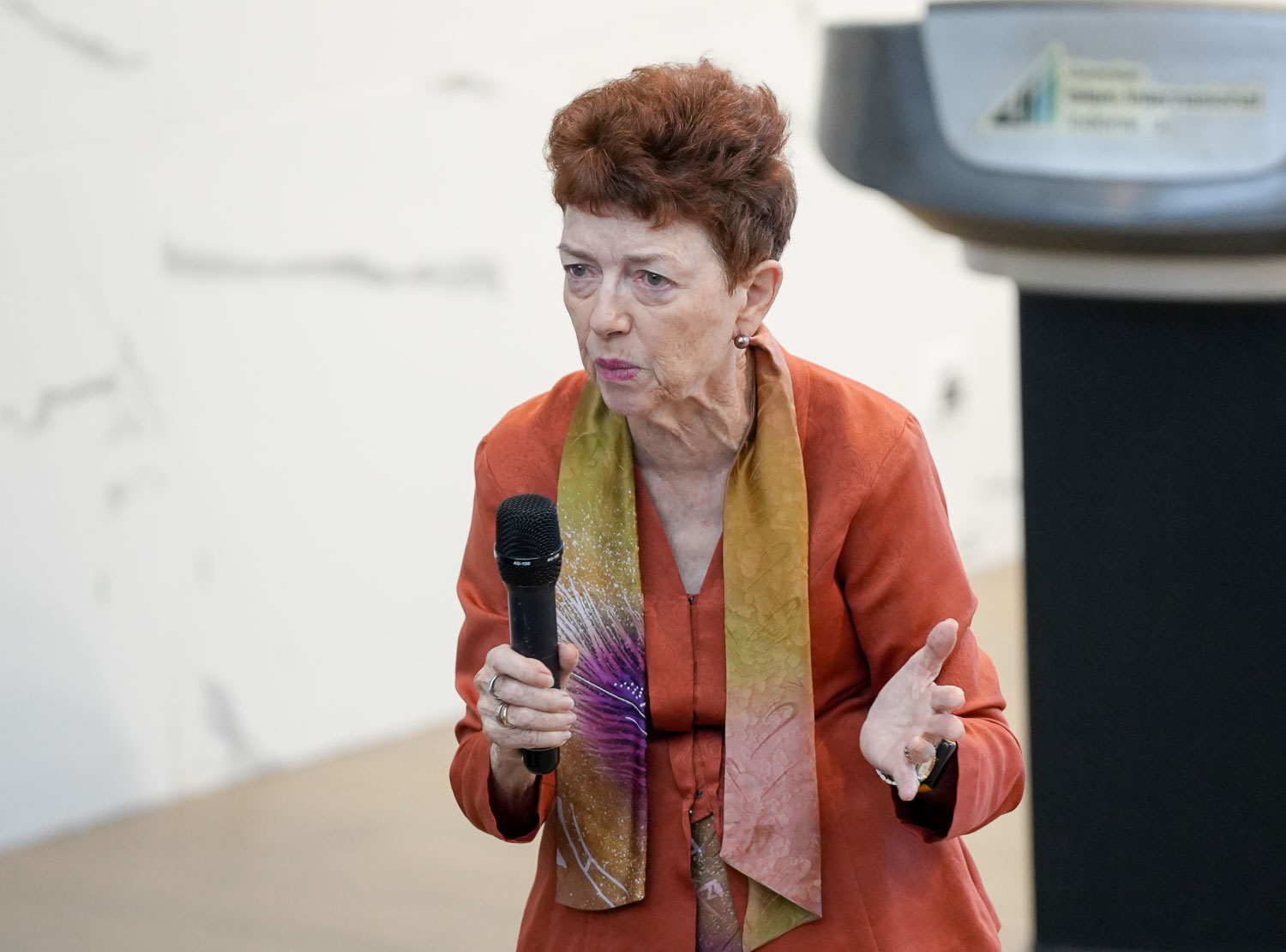
The seminar was officially opened with remarks from Santosh Khatri, Chief of Education for the UNESCO Regional Office in Jakarta, and Prof. Dr. Jamhari Makruf, M.A., Ph.D., Rector of UIII. Their opening addresses underscored the pivotal role of educational institutions in not only imparting knowledge but also in equipping young people with the empathy, critical thinking, and digital citizenship skills necessary to navigate modern challenges.
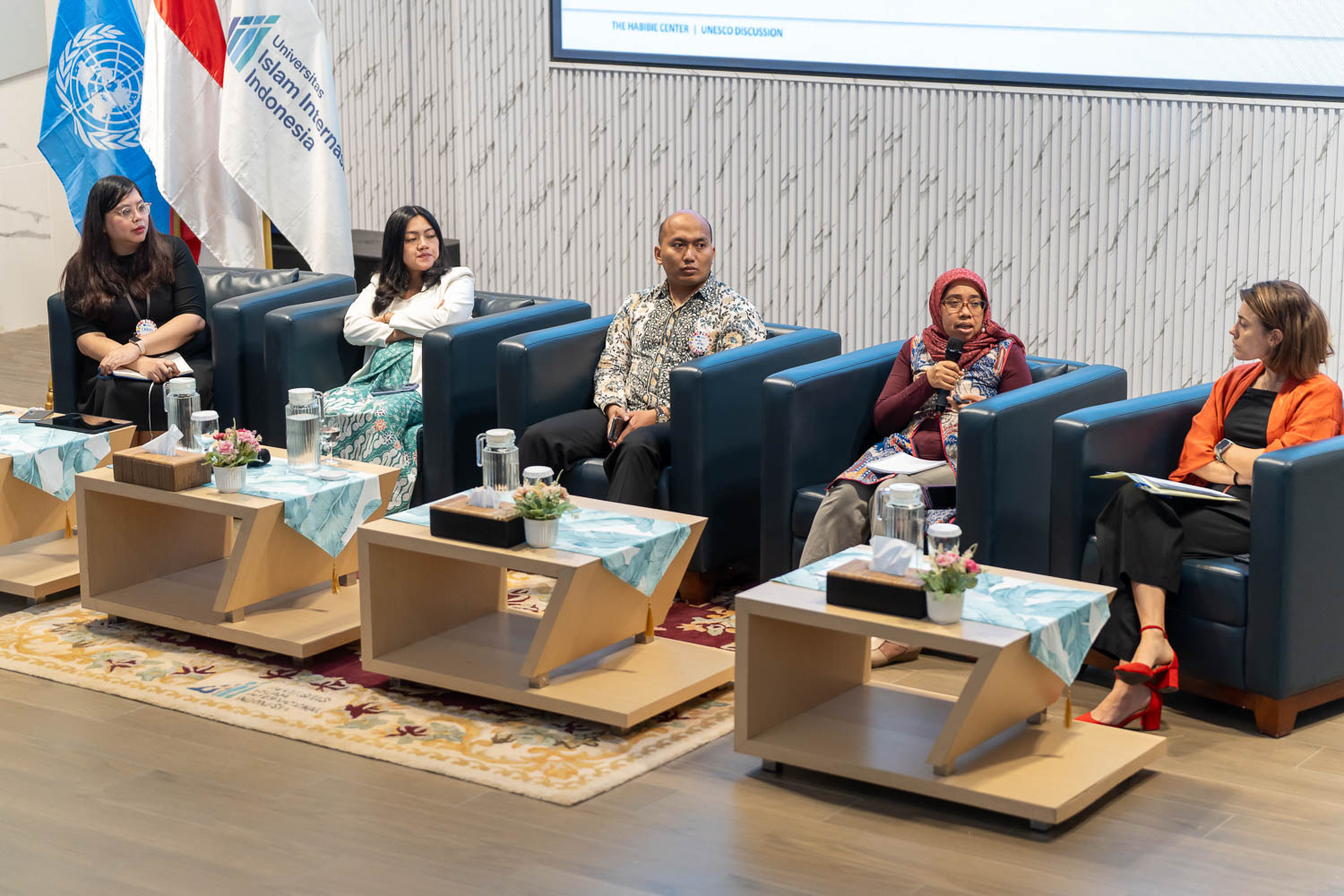
The event was structured into two dynamic sessions, moving from broad policy contexts to the actionable roles of educators and youth. The morning session, “Setting the Scene,” explored the broader landscape of peace education, highlighting both the opportunities and risks presented by digital technologies and Artificial Intelligence. Moderated by Cresti Eka Fitriana of UNESCO Jakarta, the talk show-style panel featured Rusprita Putri Utami from the Ministry of Primary and Secondary Education, Muhammad Al Atiqi from UIII, Julia Novrita from The Habibie Center, and Virginia Antonelli from UNESCO Jakarta. The panelists discussed the dual nature of the digital world—how it can facilitate intercultural dialogue while also exposing youth to cyberbullying and technology-facilitated violence—emphasizing the need to integrate media and information literacy into national curricula.
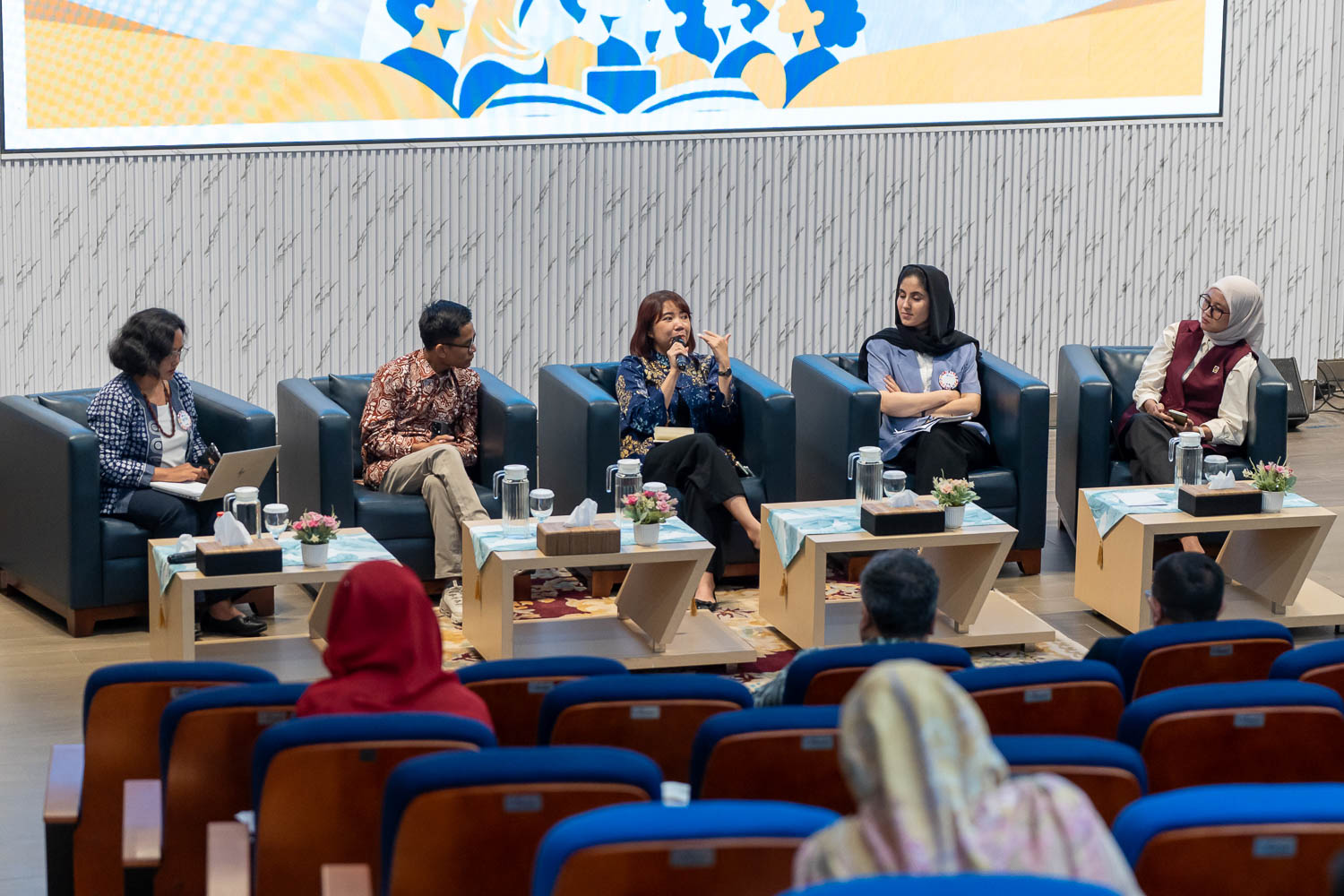
The afternoon session shifted focus to grassroots action and youth leadership under the theme “Teachers and Youth as Agents of Peace in the Digital World.” Moderated by Yekthi Murthi of UNESCO Jakarta, the discussion highlighted how school-based initiatives and youth-led movements can drive positive change. The panel included representatives from the Guru Belajar Foundation, recognized as the winner of the UNESCO Hamdan Prize for Teachers Development, alongside Hanna Vanya from Think Policy Indonesia, Farahnaz Amini from UIII, and Syela Joe Desita from Komunitas Penggerak Literasi Media dan Informasi. The session emphasized that peace education is not just a top-down policy, but a practice that must be co-created with young people, empowering them to become responsible digital citizens and active contributors to inclusive communities both online and offline.
Strengthening Institutional Collaboration
The event saw robust participation from the UIII Civitas Academica, including the Academic Senate, Vice-Rectors, Deans, and various operational staff from the Media, IT, and Student Affairs offices. This strong institutional presence demonstrated UIII’s deep commitment to fostering a culture of peace and tolerance, reinforcing the value of its strategic partnership with UNESCO in addressing global educational challenges.
As the event concluded with a networking session, the key takeaway was clear: in an increasingly interconnected and digitally driven world, education remains the most powerful tool for fostering mutual respect, dismantling intolerance, and building a sustainable culture of peace. The collaboration between UNESCO Jakarta and UIII serves as a vital model for how academic institutions and international organizations can work together to translate global goals into local action. []