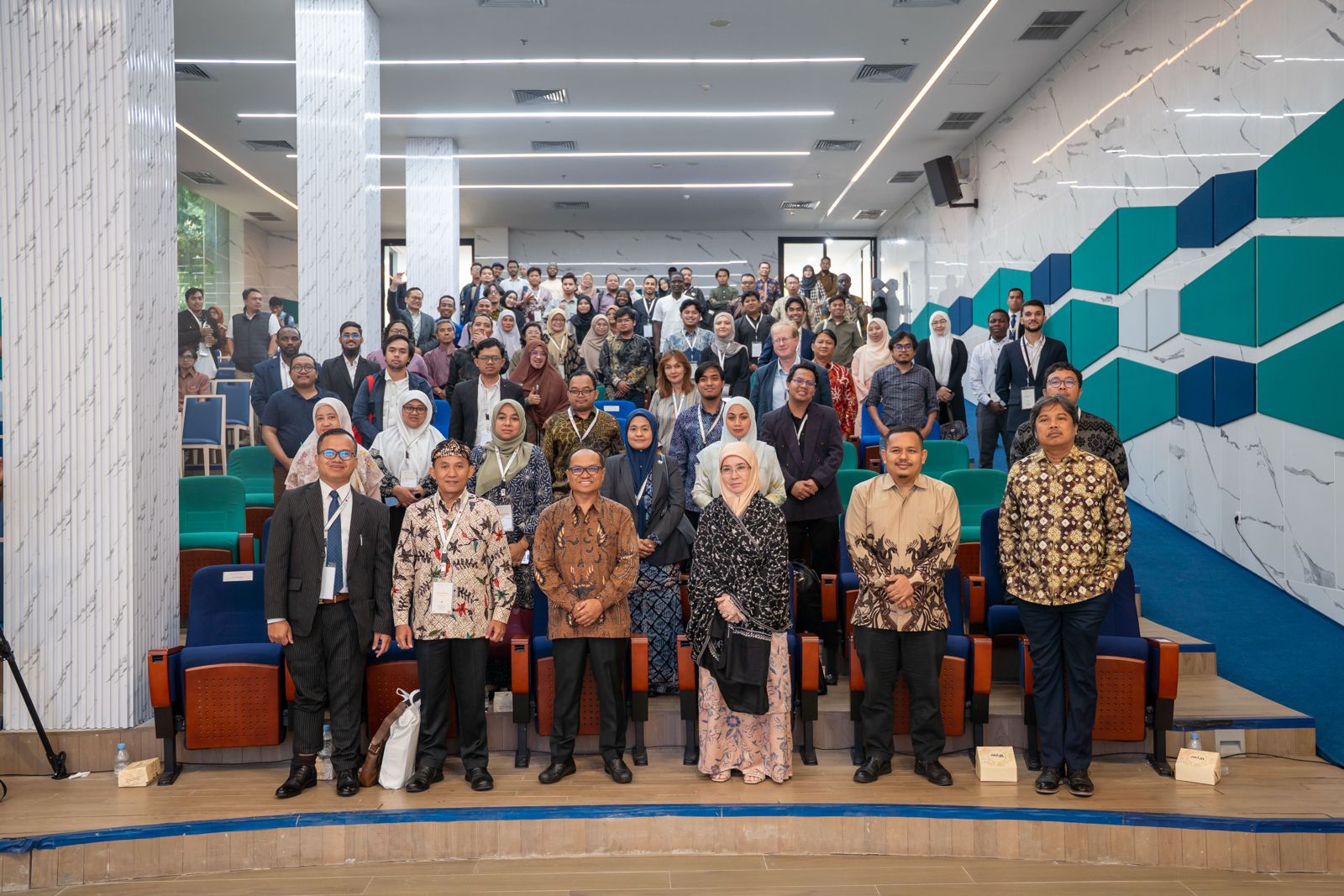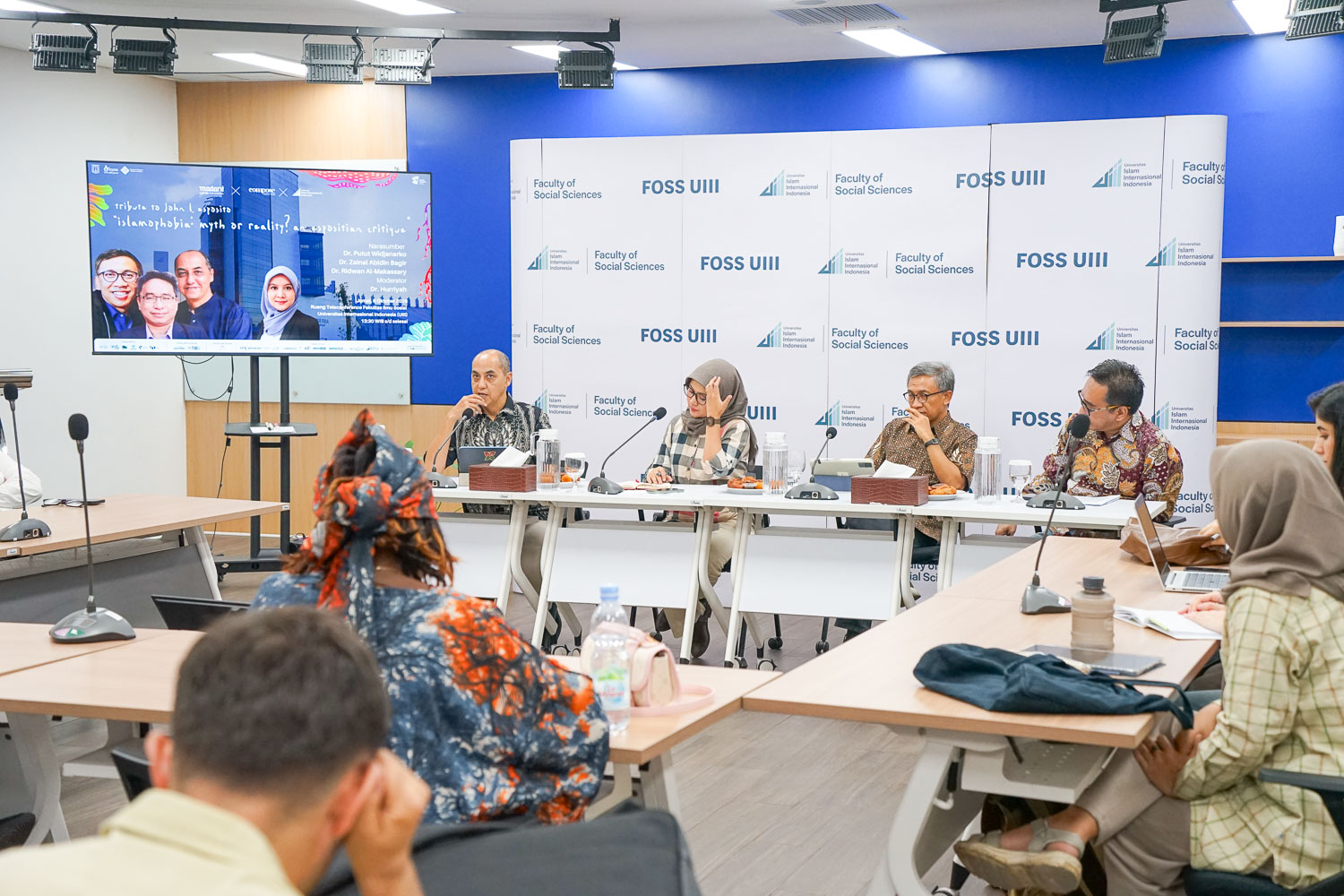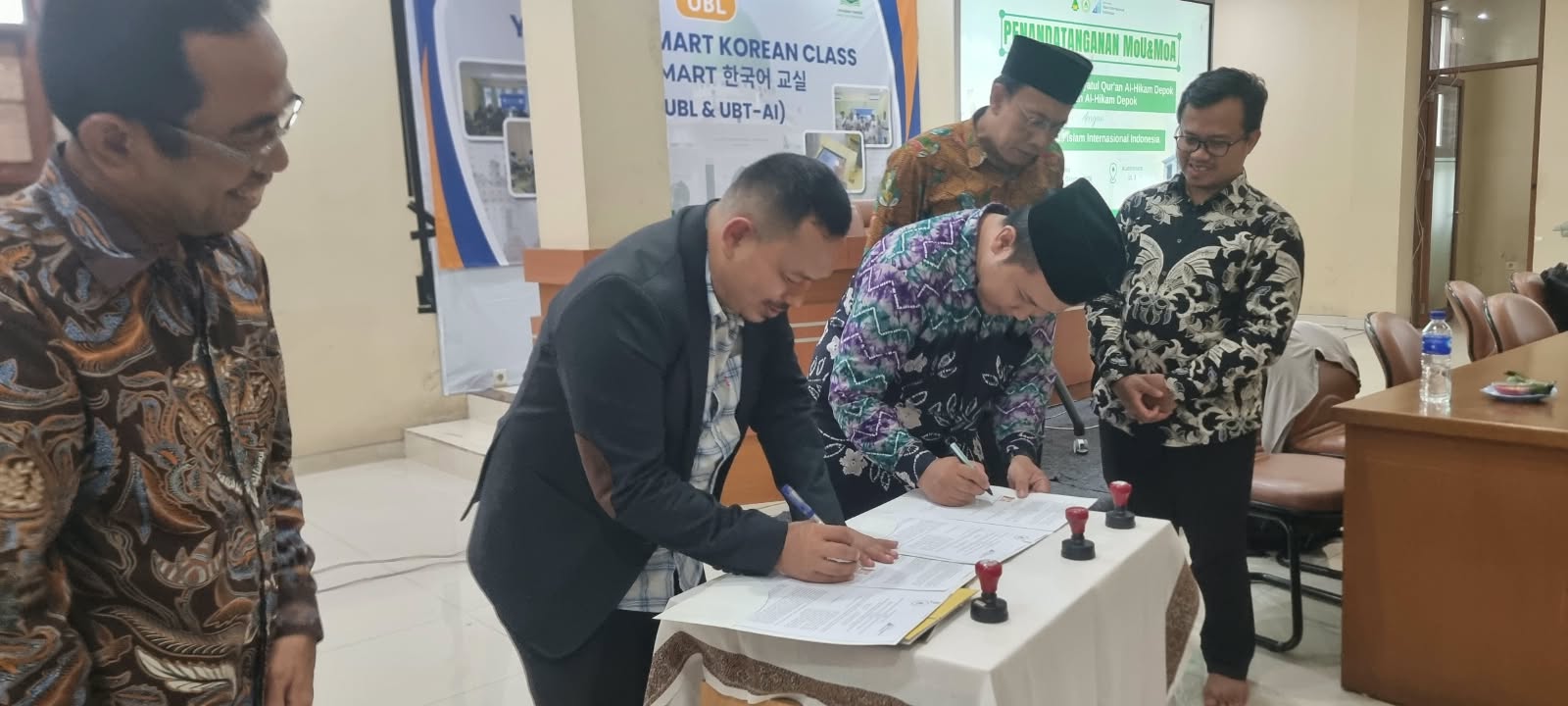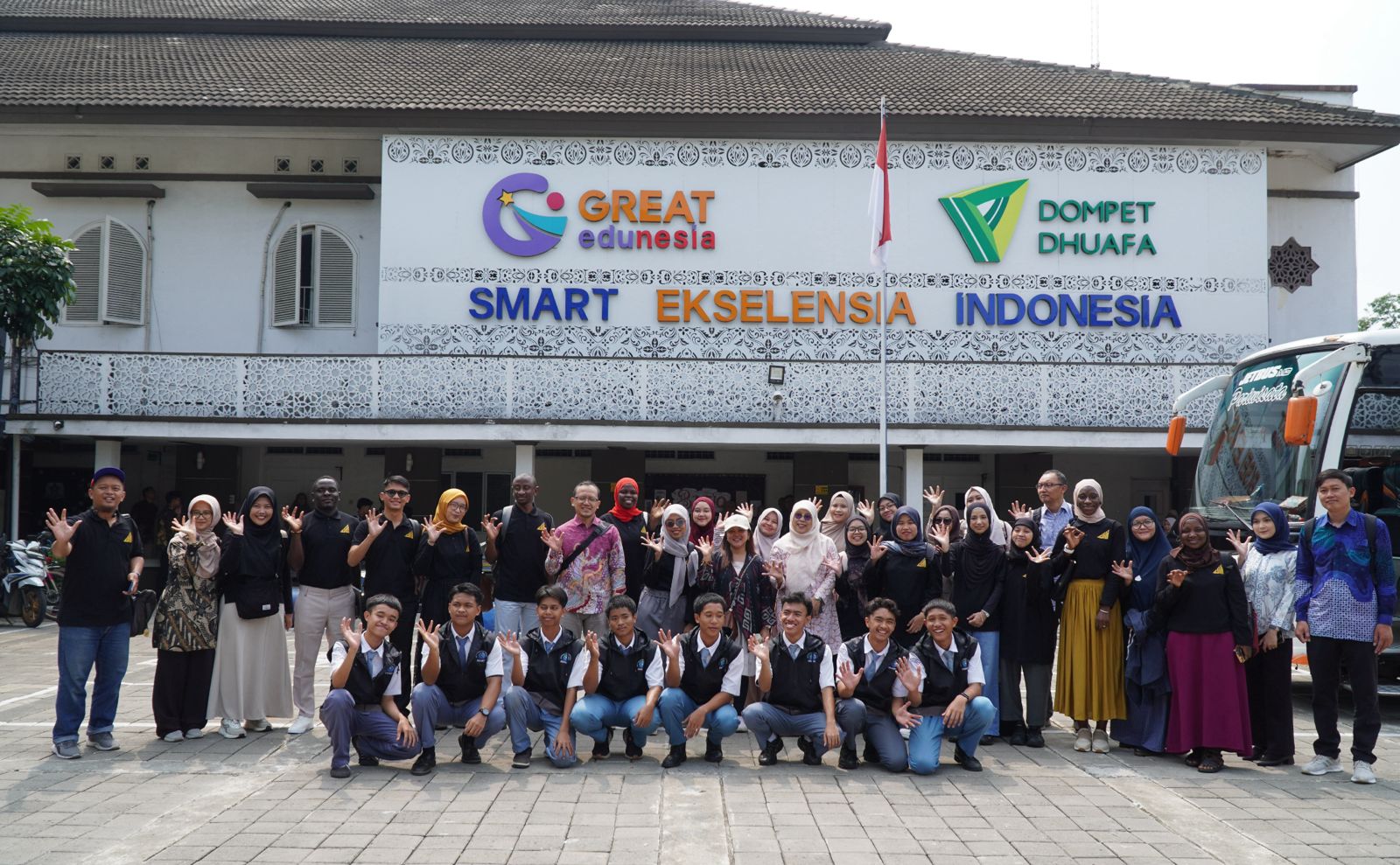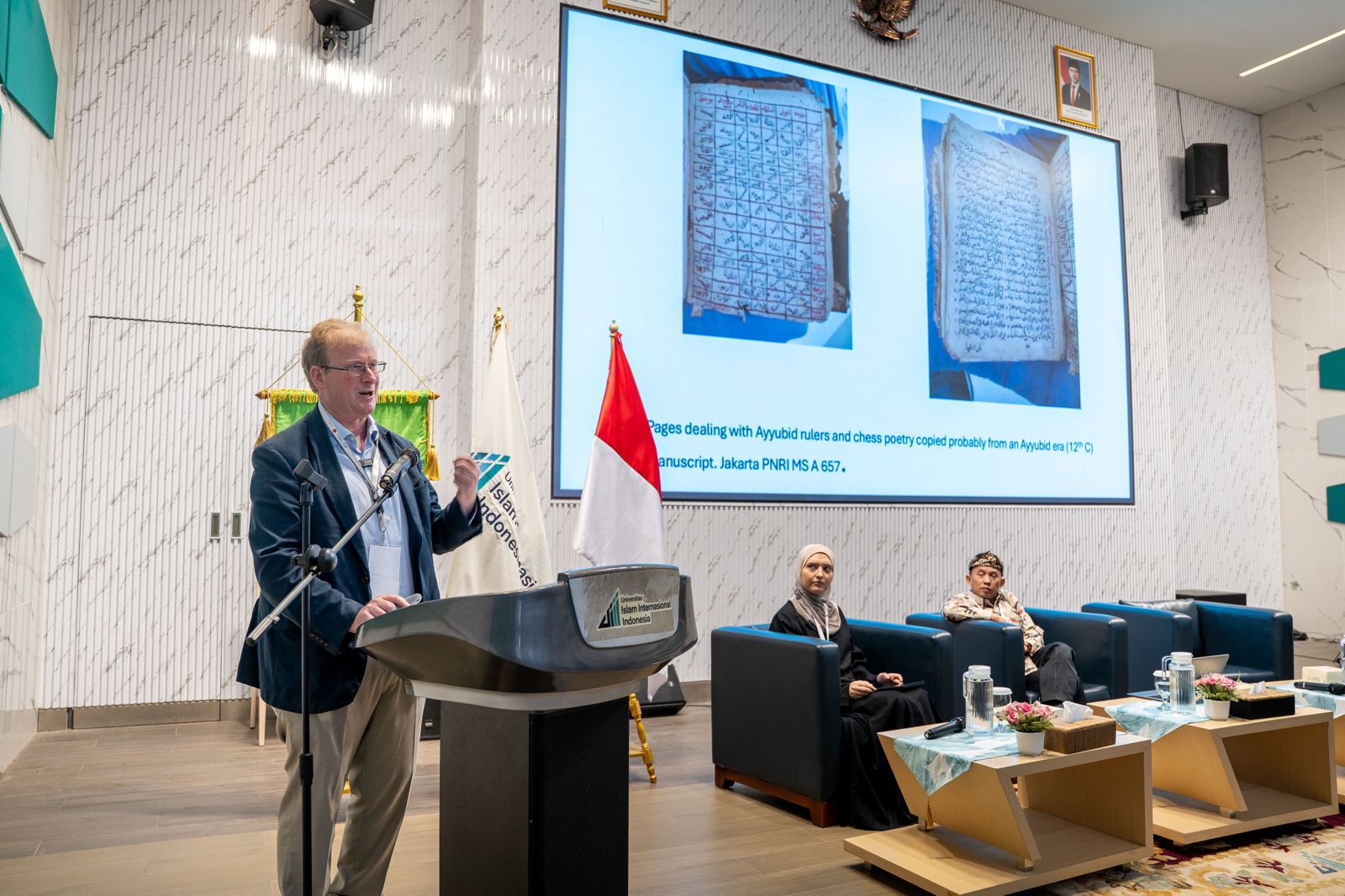
Depok, August 19, 2026 — Universitas Islam Internasional Indonesia (UIII) today, Wednesday, August 19, officially opened the international conference “Manuscripts and the Diversity of Islam(s) in Southeast Asia,” bringing together scholars and researchers to explore the rich manuscript traditions and intellectual heritage of Islam in Indonesia and Southeast Asia.
Held on August 19–20, 2026, the conference is organized by UIII’s Faculty of Islamic Studies (FIS) in collaboration with the newly established Center for Islamic Manuscripts and Written Cultures (IMWC). The gathering marks the inaugural international conference of the IMWC, which was established in 2026 to advance the study, preservation, and exploration of Islamic manuscripts and written cultures, particularly those of Indonesia and Southeast Asia.
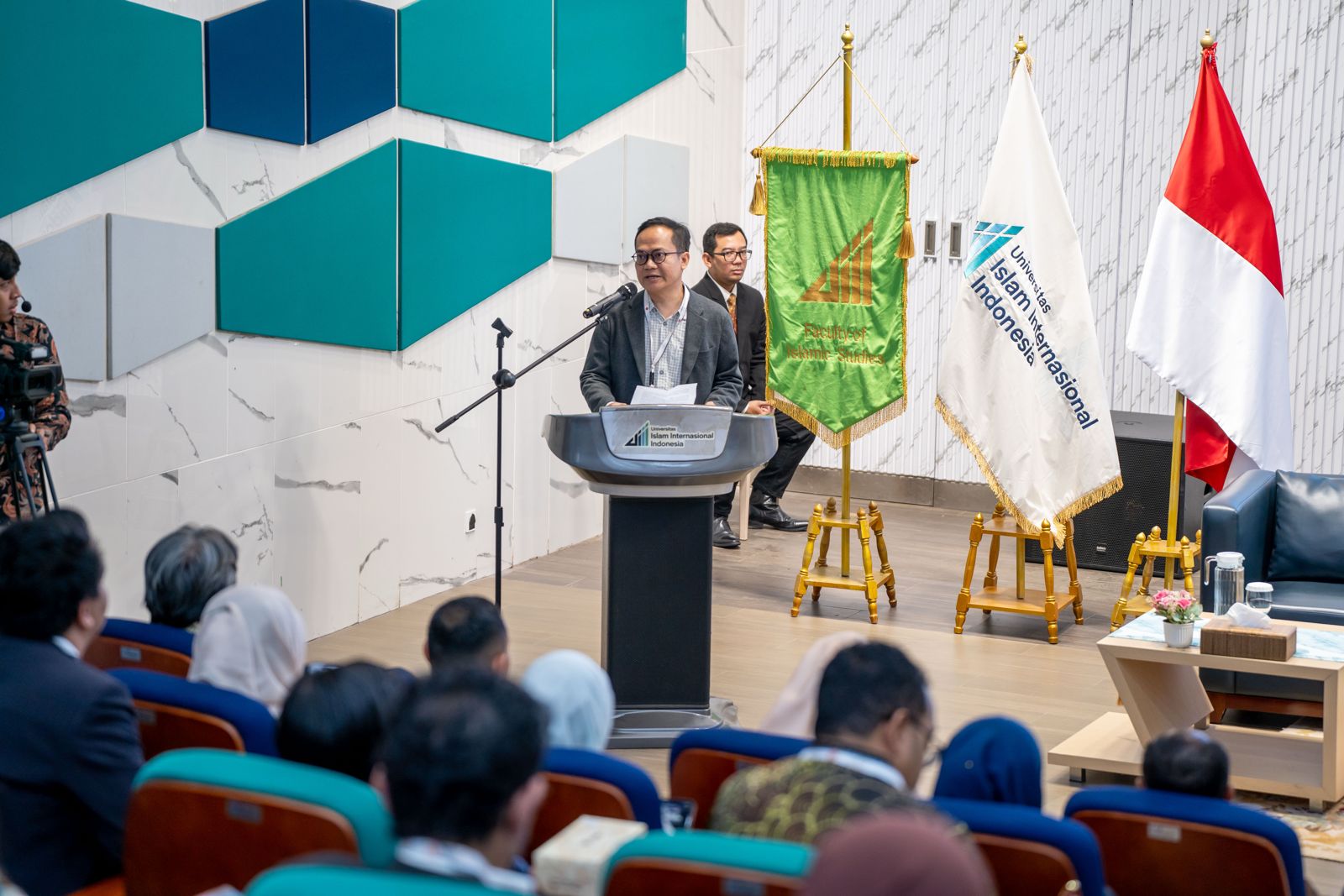
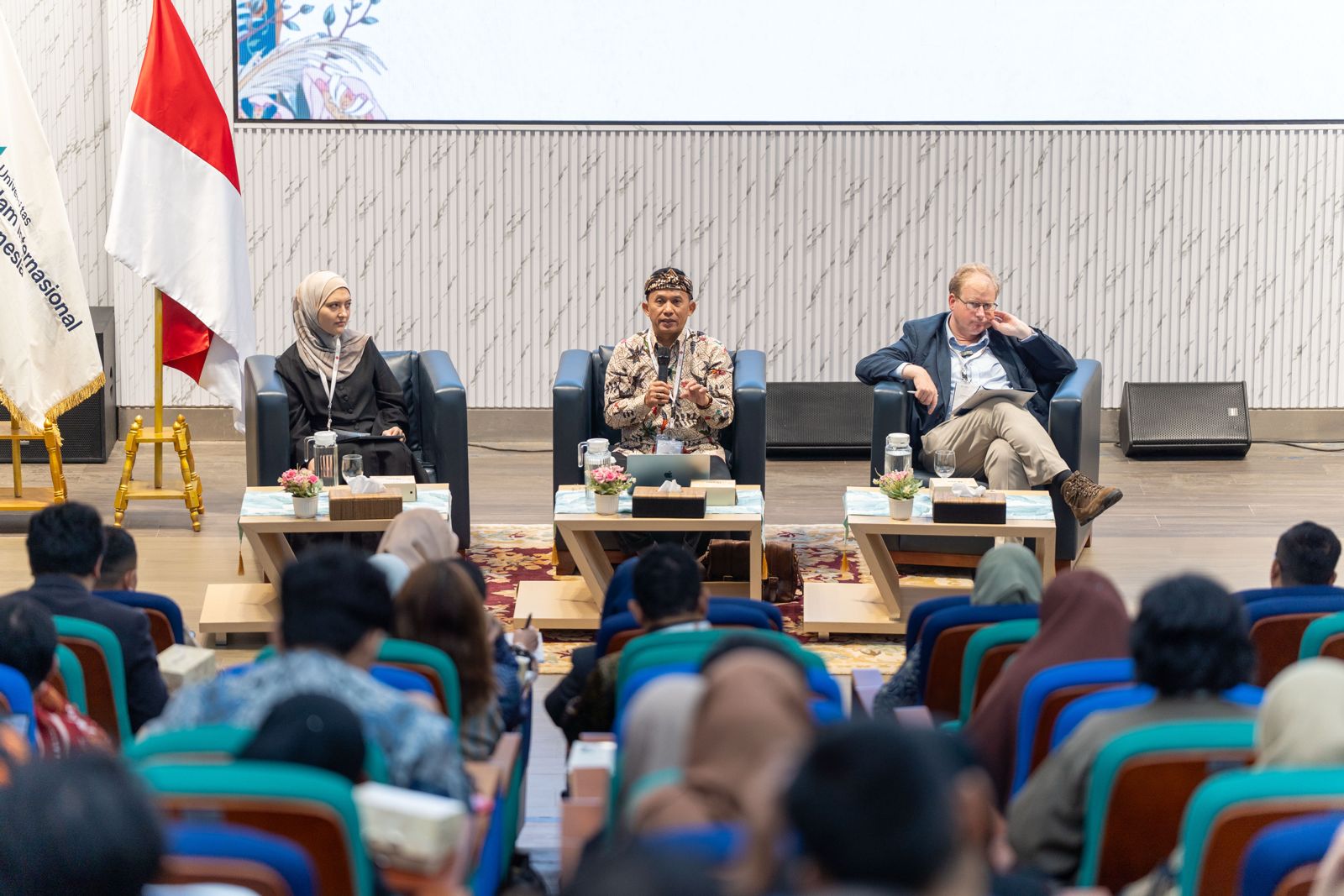
The conference brings together scholars from a wide range of disciplines, including history, anthropology, philology, art history, media studies, codicology, and digital humanities. “Its central focus is the production, circulation, preservation, and interpretation of Islamic knowledge as reflected in the region’s diverse manuscript traditions,” said Dr. Akhmad Mughzi Abdillah, the convenor of the conference.
A New Center for an Underexplored Heritage
The establishment of the IMWC represents an important new initiative by UIII to strengthen the study of Islamic manuscripts and written cultures. Dr. Zacky Khairul Umam, Director of the IMWC, leads the Center’s efforts to develop research and scholarly collaboration in this field.
For UIII, the study of manuscripts is not simply an exercise in preserving the past. Manuscripts provide important evidence of the intellectual journeys, scholarly networks, educational traditions, and cultural encounters through which generations of Muslim scholars, teachers, scribes, and communities produced and transmitted knowledge.
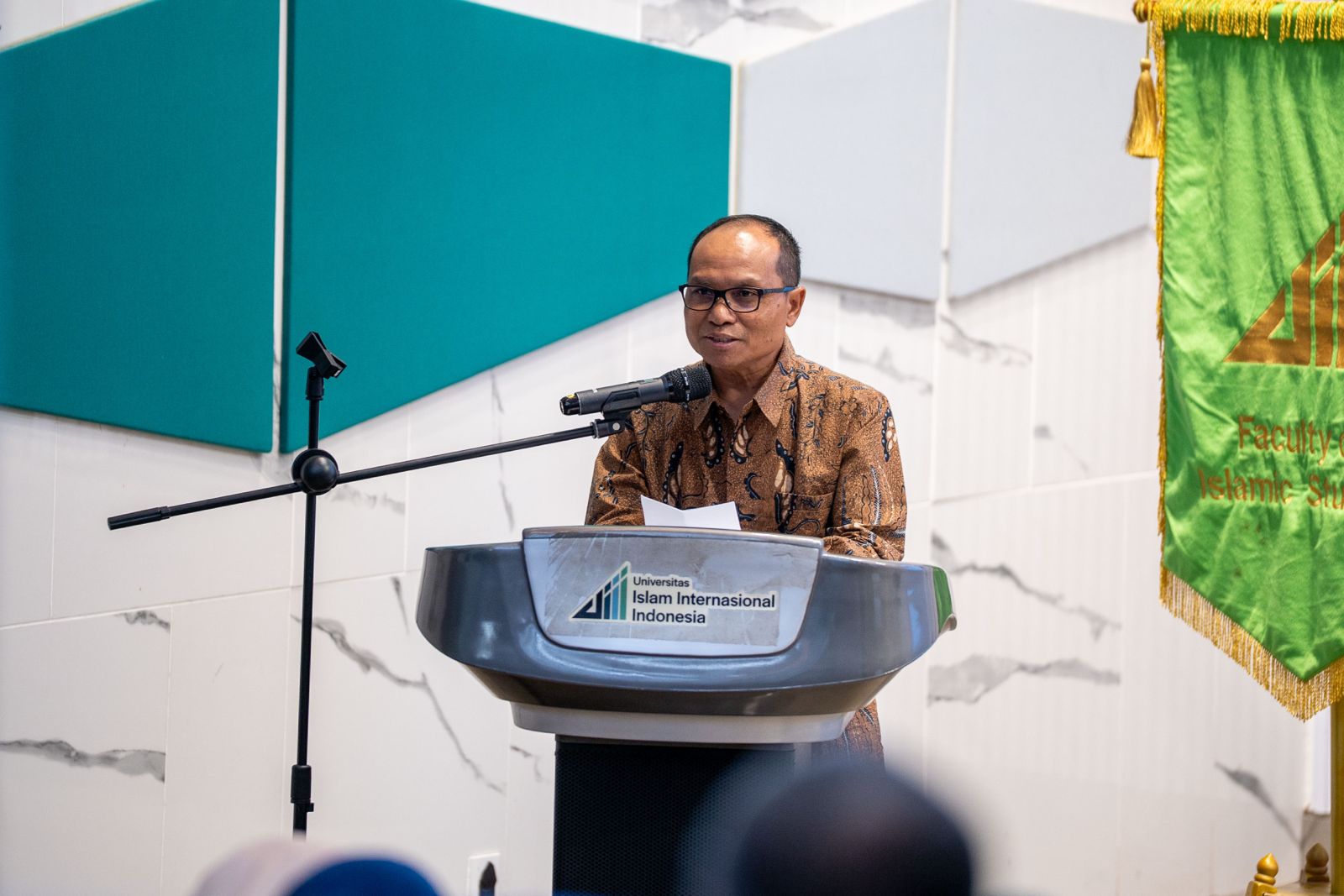
In his welcoming remarks, UIII Rector Prof. Dr. Jamhari Makruf emphasized the importance of recognizing the multiple centers and networks through which Islamic intellectual history has developed, including those that have flourished in Southeast Asia. He expressed the hope that the IMWC would strengthen research, preservation, and international collaboration in the study of the region’s manuscripts and written cultures.
The Center is therefore envisioned not merely as a repository or research unit, but as a platform for bringing scholars, methodologies, and intellectual traditions into sustained conversation.
Rethinking the History of Islamic Knowledge
A central intellectual theme of the conference is the effort to “decenter” Islamic studies, to broaden the study of Islam beyond established centers of knowledge and to recognize the agency of Muslim communities in different historical and geographical settings.
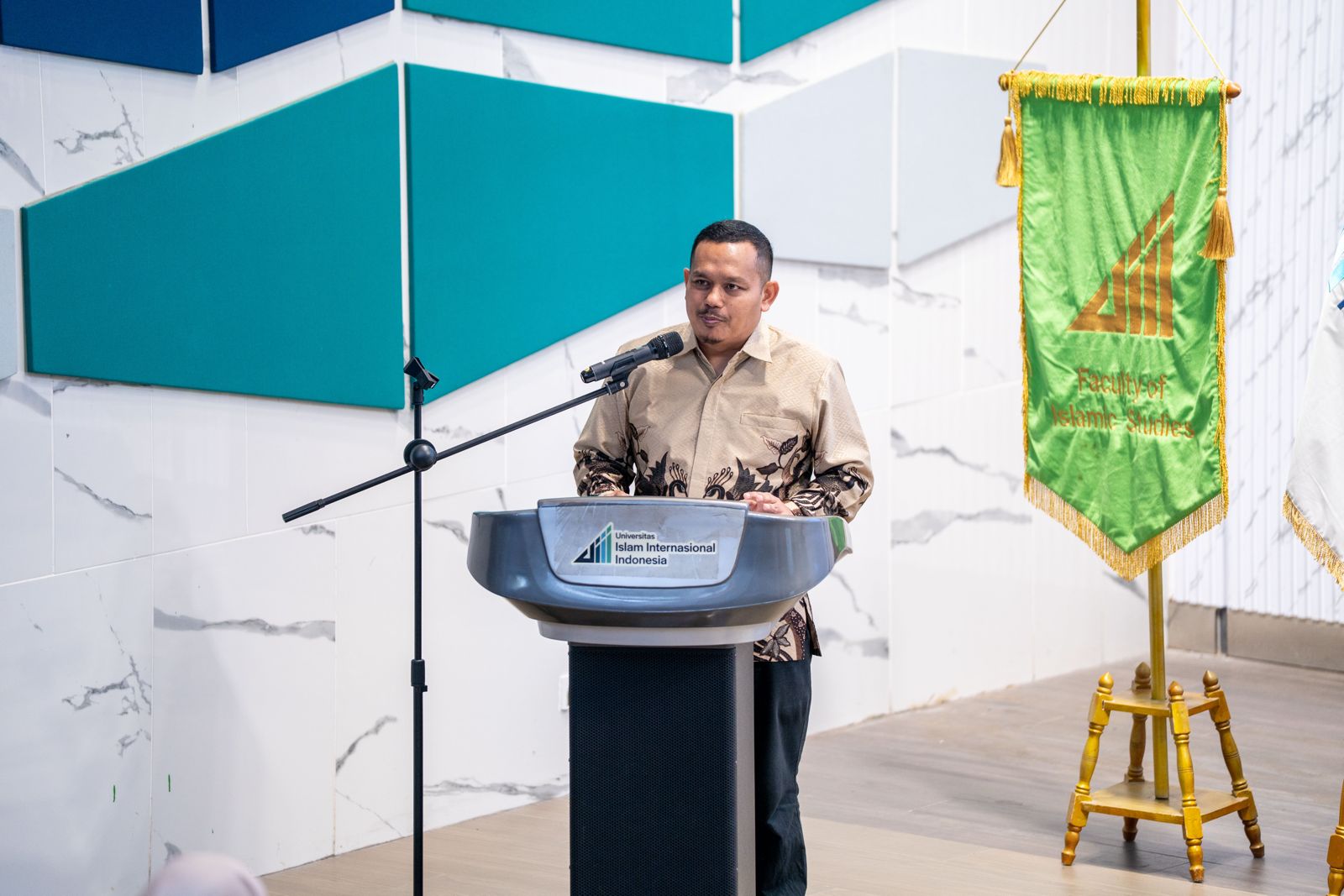
Prof. Yanwar Pribadi, Dean of UIII’s Faculty of Islamic Studies, emphasized that this approach does not mean rejecting established Western or Muslim scholarly traditions. Rather, it calls for different intellectual traditions and historical experiences to be brought into dialogue, while examining Islamic intellectual history through multiple centers and interconnected networks.
From this perspective, Southeast Asia was not simply a passive recipient of Islamic ideas originating elsewhere. The region was an active participant in the production, transmission, adaptation, and circulation of Islamic knowledge.
The manuscripts preserved across the archipelago offer tangible evidence of this history. Written in Arabic, Jawi, Pegon, and Javanese Carakan, they reflect diverse intellectual and cultural traditions that developed across Southeast Asia from at least the seventeenth through the twentieth centuries.
Strong International and Scholarly Participation
The conference received 93 submitted abstracts, from which 22 papers were selected for presentation in parallel sessions, alongside five featured speakers.
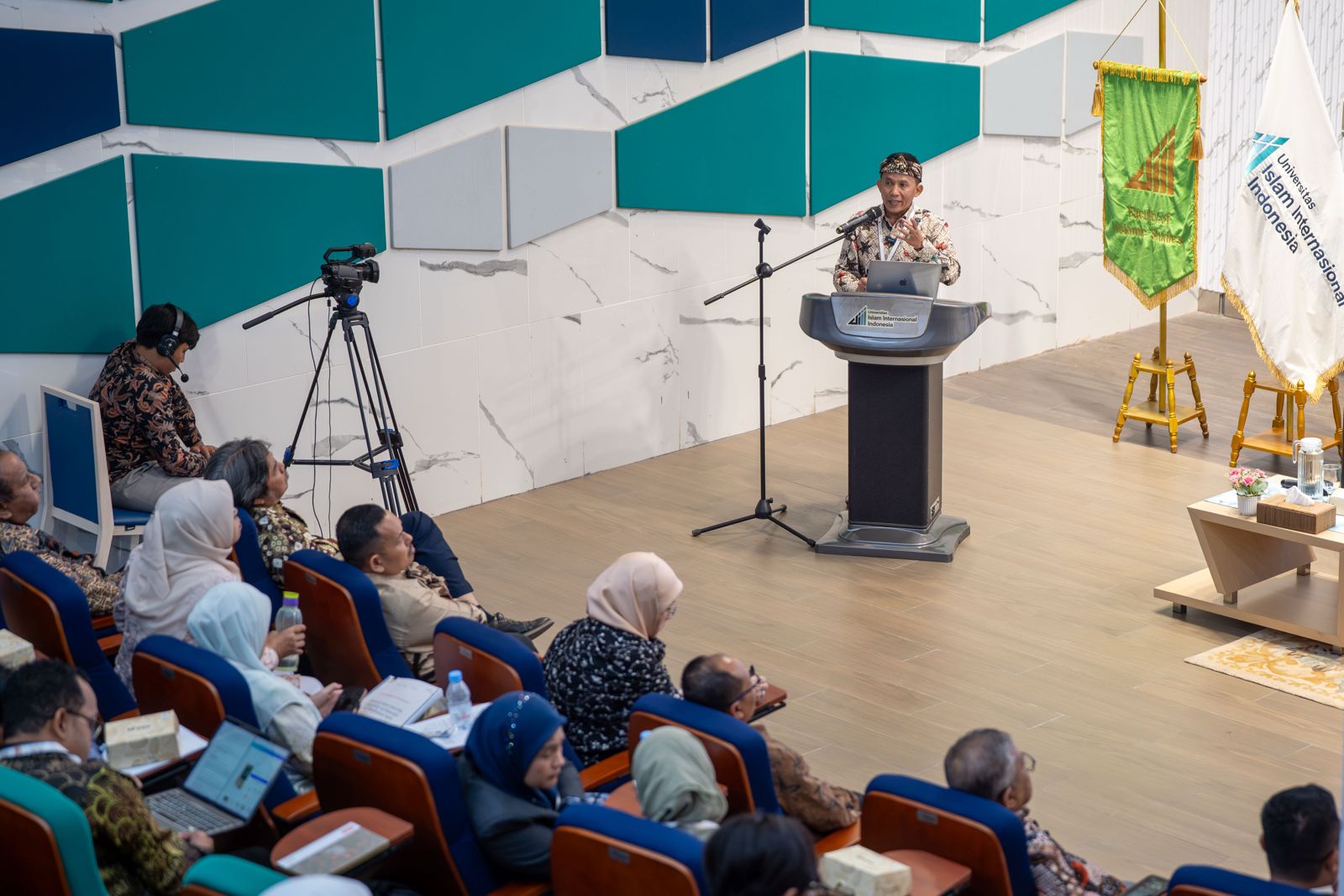
The featured speakers are prominent experts and leading professors in the field such as Andrew Peacock, Oman Fathurahman, Annabel Teh Gallop, Farish A. Noor, and Ervan Nurtawab. Their presentations explore different dimensions of Southeast Asia’s manuscript heritage, including Arabic manuscripts across the archipelago, the discoveries emerging from manuscript digitization projects, Qur’anic manuscripts held in European collections, and the textual reconstruction of Qur’ans from Banten.
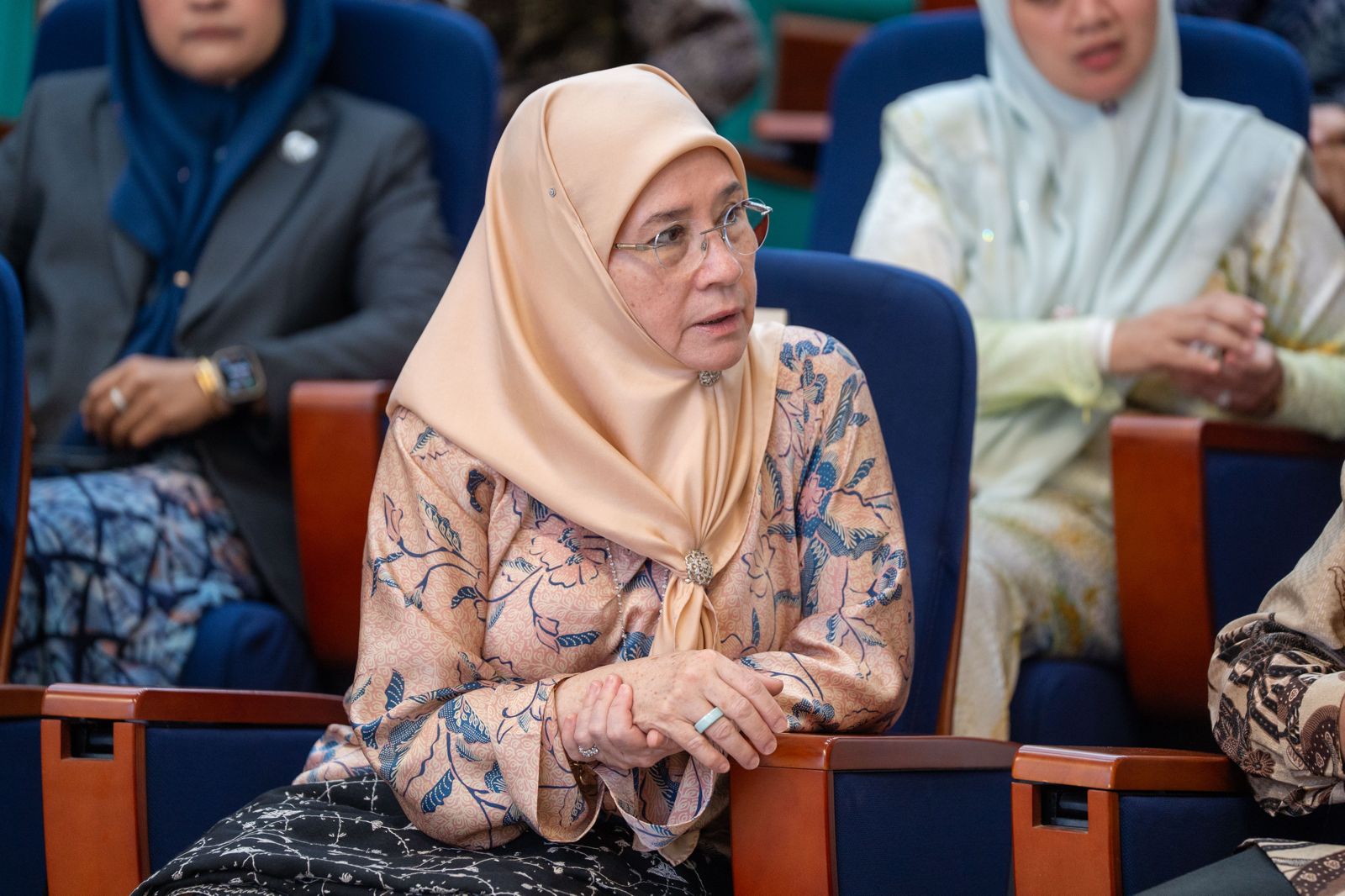
The conference also features Her Royal Highness Tengku Ampuan Pahang Tunku Azizah binti Sultan Iskandar Al-Haj among its speakers, adding an important dimension to the event’s international engagement.
Together, the participants reflect the increasingly interdisciplinary character of manuscript studies, in which the study of texts intersects with questions of materiality, mobility, preservation, aesthetics, digital technology, and social history.
From Legal Texts to Sufi Traditions
The six parallel panels examine a remarkably broad range of subjects.
Panel A explores Legal and Political Authority, including Malay legal manuscripts and questions of political and constitutional authority.
Panel B, Sufi Thought and Akbarian Tradition, examines Sufi exegesis, the circulation of Akbarian thought, devotional manuscripts, and representations of female sovereignty in Hikayat Patani.
Panel C focuses on Preservation and Archival Challenges, addressing manuscript conservation, bookbinding, public access, and the contemporary circulation of classical manuscripts through digital media.
Panel D examines Manuscripts and Scholarly Authority in Local Islamic Traditions, including Islamic medical knowledge, Qur’anic recitation, and the authority of Nusantara scholars.
The remaining sessions address Manuscripts and Paratexts in Local Qur’anic Exegesis and Sufism, Mobility, and Materiality in Javanese, Malay, and Chinese Manuscripts.
Together, these discussions demonstrate that manuscripts are valuable not only for what they say, but also for what their physical form, circulation, annotations, ownership marks, and modes of preservation reveal about the communities that produced and used them.
Recovering a Dispersed Heritage
The conference also draws attention to the complex journeys of Southeast Asian manuscripts beyond the region.
Around 1,500 Southeast Asian Qur’an manuscripts are known today. Most remain in Southeast Asia, particularly Indonesia and Malaysia, but significant collections are held in Europe and elsewhere. Some manuscripts reached European collections as gifts, while others were acquired as spoils of war, particularly during the Dutch colonial war in Aceh.
At the same time, digitization is opening new possibilities for scholars and communities to access this dispersed heritage.
The DREAMSEA collection, for example, had grown by 2024 to 8,791 manuscripts and 578,443 digital images from 164 personal and family collections across Southeast Asia. Much of this material remains to be studied and offers opportunities for new research across disciplinary boundaries.
These developments highlight why preservation and digitization are not merely technical concerns. They are fundamental to expanding access to the intellectual history of Southeast Asian Muslim communities.
Building Southeast Asia’s Place in Global Islamic Studies
For UIII, the significance of the conference extends beyond the two-day gathering.
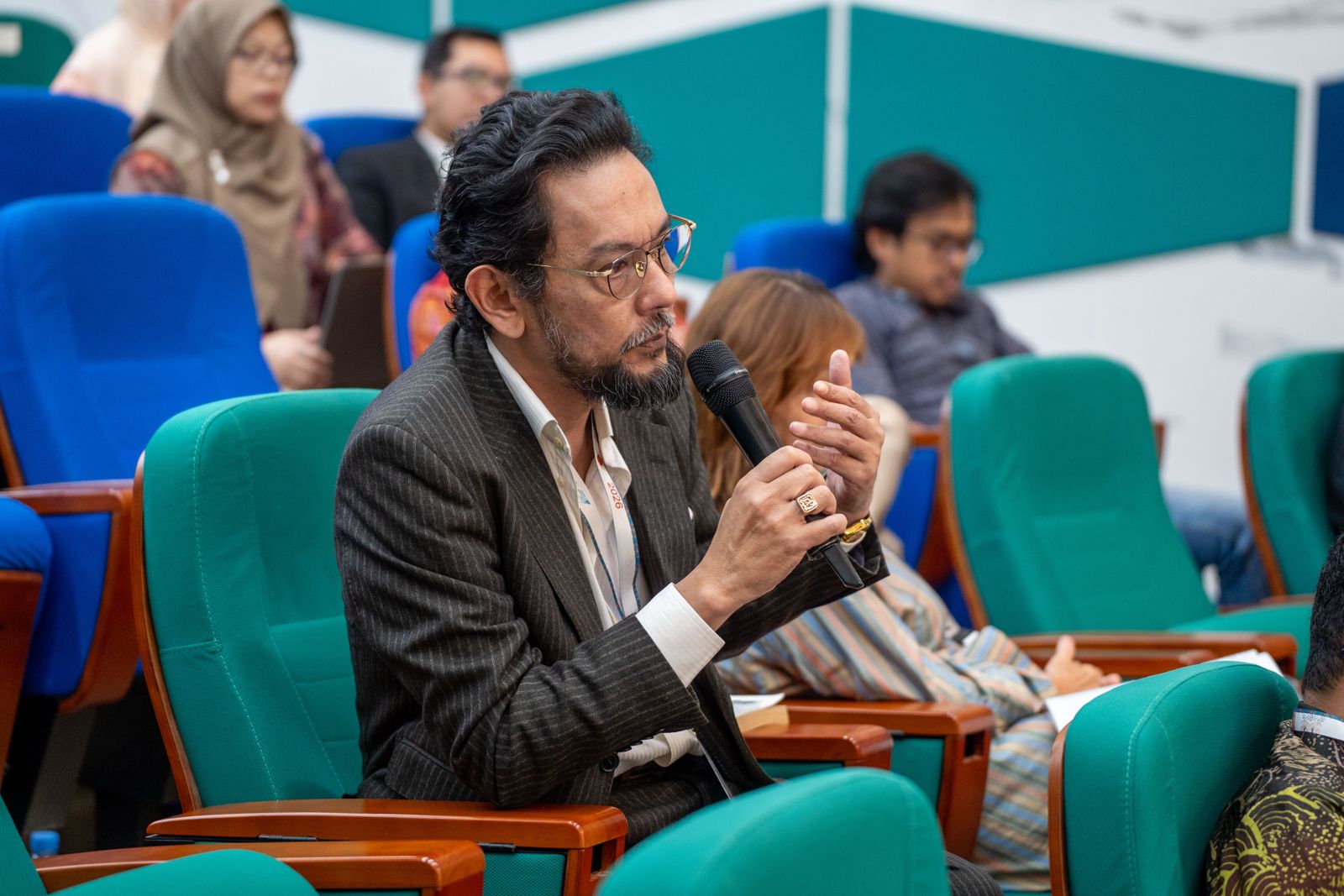
Through the IMWC, the University seeks to strengthen research, conservation, cataloguing, digitization, and international collaboration in the study of Islamic manuscripts and written cultures. The Center provides an institutional platform through which scholars from different disciplines and generations can work together on a heritage that remains only partially explored.
The conference thus represents both an academic gathering and a statement of intellectual direction for UIII.
By bringing the manuscript traditions of Indonesia and Southeast Asia into conversation with international scholarship, UIII seeks to contribute to a fuller understanding of the region’s role in the history of Islamic knowledge.
As the conference convenes scholars around texts that travelled across languages, islands, oceans, and generations, it also invites a broader reconsideration of Islamic intellectual history: not as a story produced from a single center, but as a history shaped by multiple communities, networks, and places, including Southeast Asia.
The international conference “Manuscripts and the Diversity of Islam(s) in Southeast Asia” continues through Thursday, August 20, 2026, at UIII’s campus in Depok, West Java. []