July 20, 2026
By Dewi Maryam & Achmad Nurjaman Jatnika
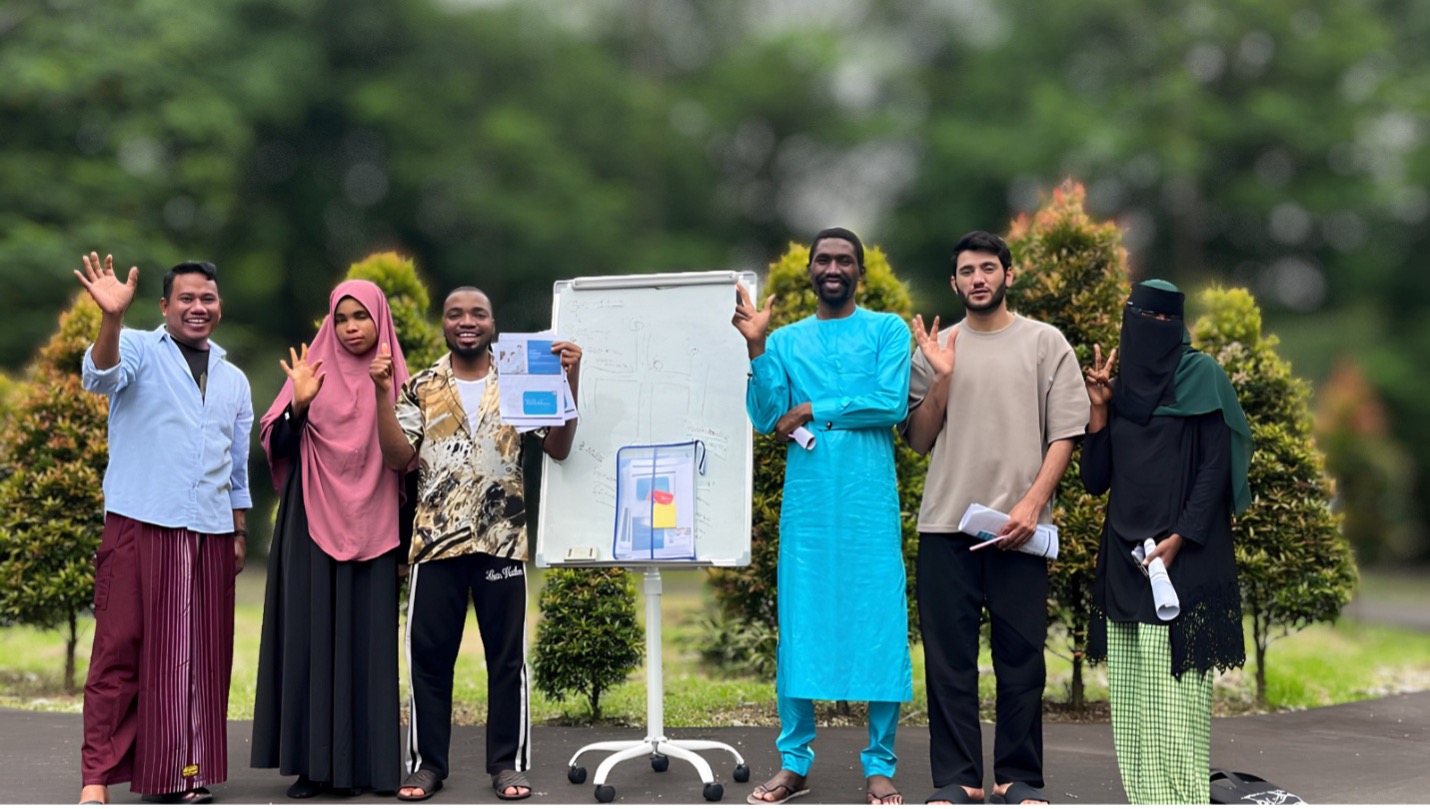
Depok, Indonesia – For international students at Universitas Islam Internasional Indonesia (UIII), learning Bahasa Indonesia is more than studying vocabulary and grammar. Through the BIPA Program 2026, they discovered Indonesian culture, built friendships across borders, and experienced firsthand how language can connect people from different backgrounds.
Throughout the program, students learned practical Bahasa Indonesia for everyday situations, from introducing themselves and asking for directions to shopping and communicating in daily life. More importantly, they practiced the language through real interactions and cultural experiences rather than relying only on textbooks.
Each class became a space for cultural exchange. As students practiced speaking Bahasa Indonesia, they also shared stories about their countries, traditions, and daily lives. These conversations encouraged mutual understanding while allowing participants to learn from one another’s diverse perspectives.
Culture was naturally integrated into the lessons. During a healthcare-themed class, students learned how to describe symptoms and seek medical assistance while also exploring Indonesia’s traditional herbal drinks (jamu), such as kunyit asam, beras kencur, and wedang uwuh. In another session, food became a bridge between cultures as students introduced traditional dishes from their home countries alongside Indonesian favorites like Nasi Padang and Pempek, expanding their vocabulary through shared culinary experiences.
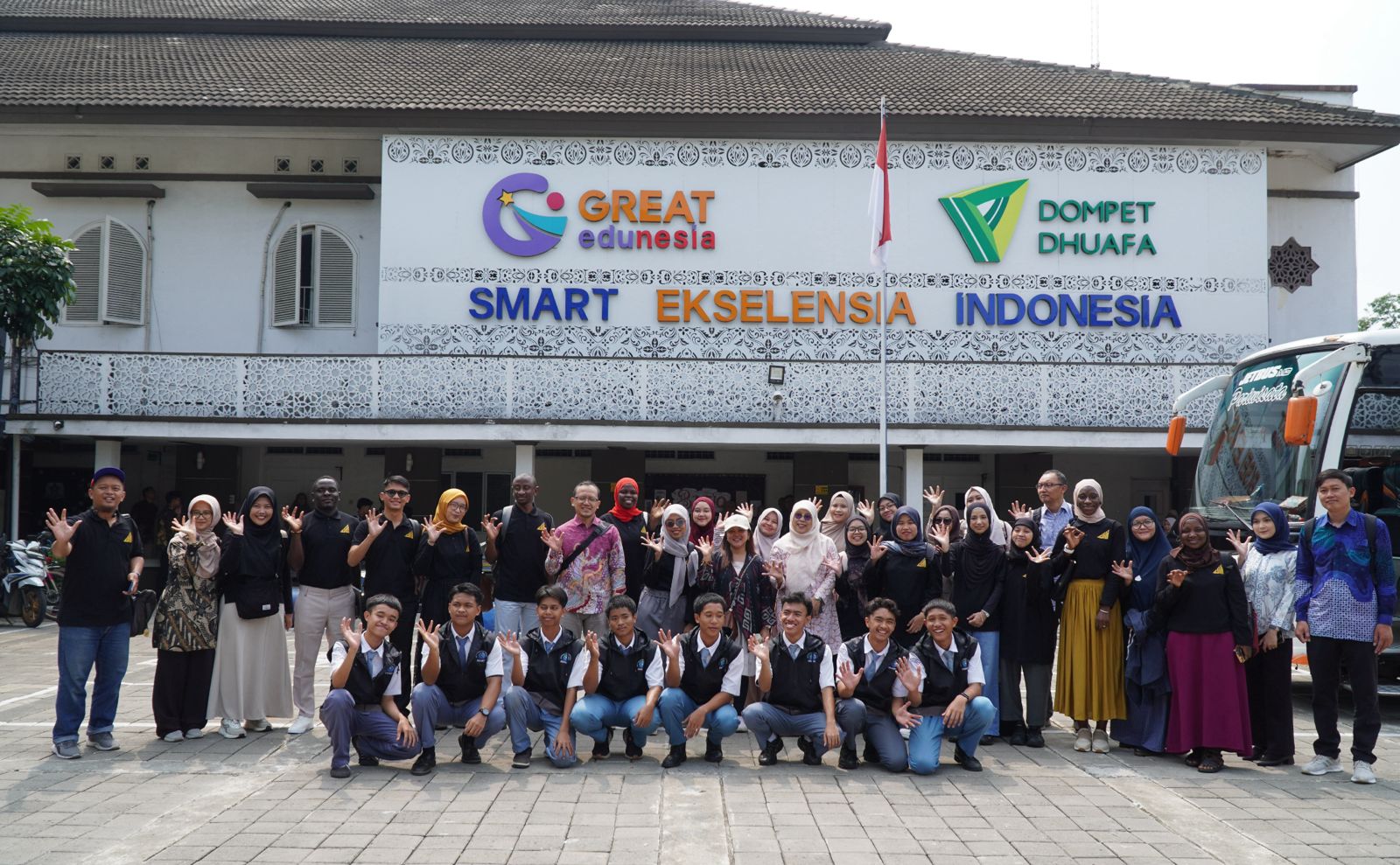
Learning also took place beyond the classroom. Students practiced Bahasa Indonesia in the language laboratory, around the UIII campus, and through community-based activities. One class visited the UIII Mosque to interact with local people, while another explored Jakarta’s cultural and historical landmarks, including the Istiqlal Mosque. These experiences helped students use Bahasa Indonesia in authentic settings while gaining a deeper understanding of Indonesian society.
The program was further enriched by volunteer teachers who served as language buddies, giving students additional opportunities to practice outside class and build meaningful friendships.
As the 2026 cohort ends, the BIPA Program continues to reflect UIII’s commitment to creating a welcoming and globally connected learning environment. More than learning a language, students leave the program with new friendships, broader cultural perspectives, and a memorable experience of Indonesia that extends well beyond the classroom.