Depok, September 10, 2026 — Universitas Islam Internasional Indonesia (UIII), through the Institute for Transformative Education and Society (ITES), hosted a public lecture featuring Ratu Tisha Destria, Vice President of the Football Association of Indonesia (PSSI) and Founder of the Grha Gemah Nusa (GGN) Foundation. Titled “Beyond the Game: UniLeague for Youth Well-Being — Sport, Education, and Global Engagement,” the lecture explored how football can move beyond competition to become a platform for education, youth development, social connection, mental well-being, and international engagement. The event was open to the UIII academic community and the wider public.
The public lecture was officially opened by UIII Rector Prof. Jamhari Makruf, who welcomed Tisha and expressed his appreciation for her presence at the university. In his opening remarks, the Rector encouraged students to engage actively with the speaker and, in a light-hearted challenge, asked them to prepare questions that were not only interesting but also difficult for Tisha to answer.
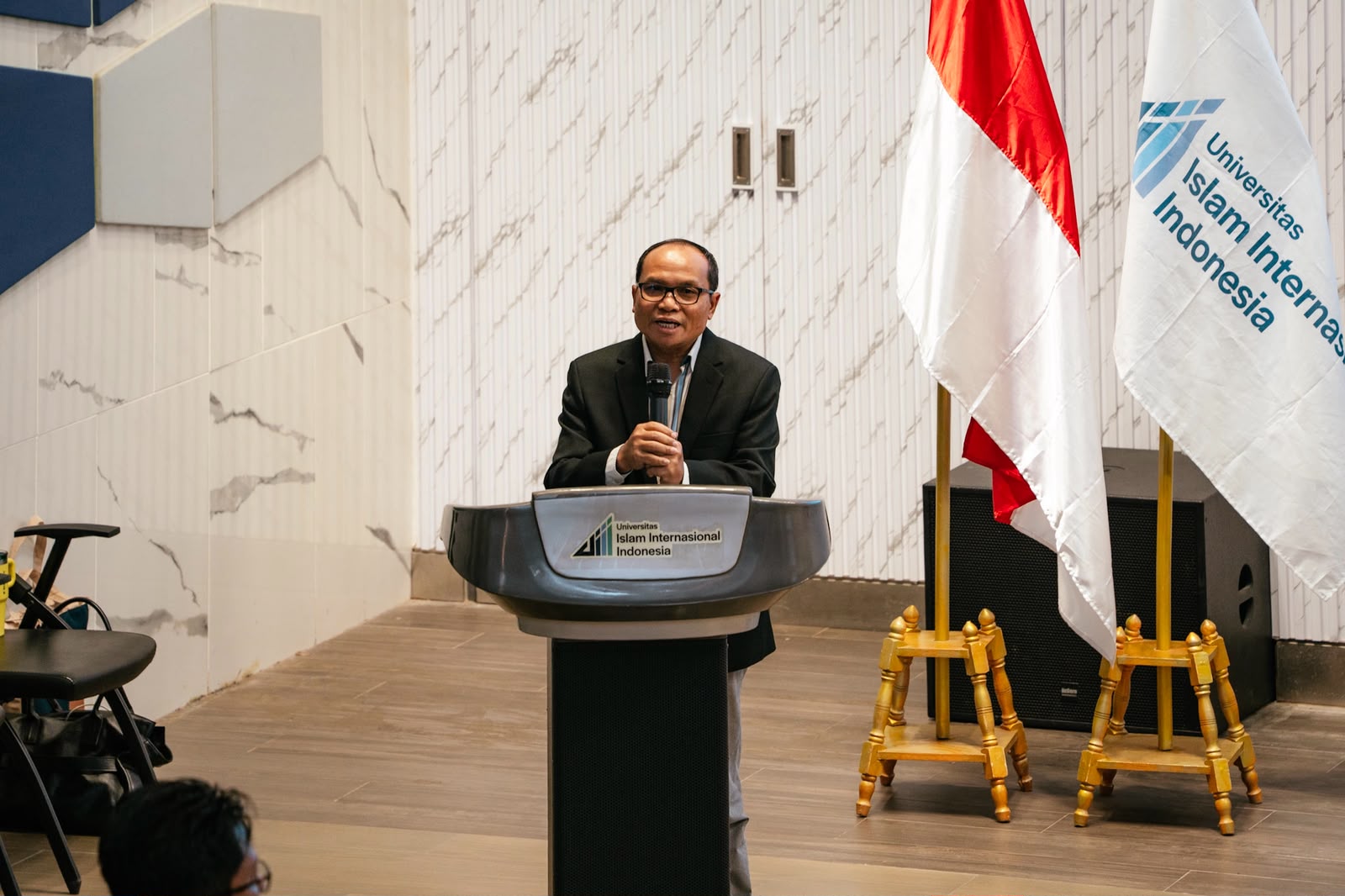
The session was moderated by R. Alpha Amirrachman, M.Phil., Ph.D., Deputy Director of ITES UIII and Head of UIII’s Center for Quality Assurance. In framing the discussion, Amirrachman invited the audience to think of sport not simply as physical activity or competition, but as part of a broader educational ecosystem in which young people can develop teamwork, leadership, discipline, resilience, emotional regulation, and a sense of belonging.
He also encouraged UIII to think beyond football and beyond the construction of a stadium itself. A future sport ecosystem at UIII, he suggested, could combine education, community engagement and sport entrepreneurship, supported by facilities for football, badminton, tennis and padel, as well as activities associated with Islamic traditions, such as archery and horseback riding. Such an ecosystem could also open possibilities for research, student development, international tournaments, partnerships and sustainable fundraising.
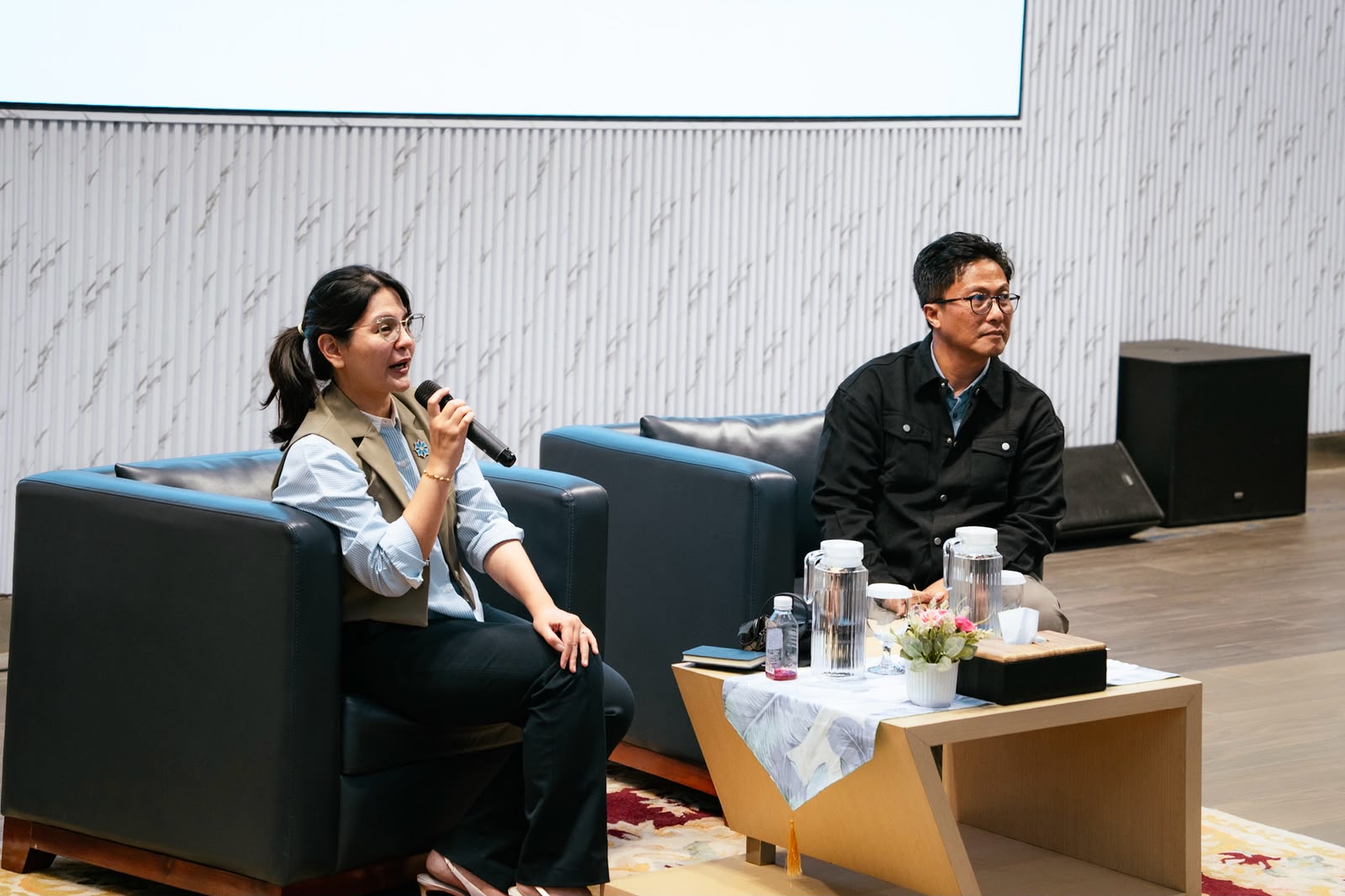
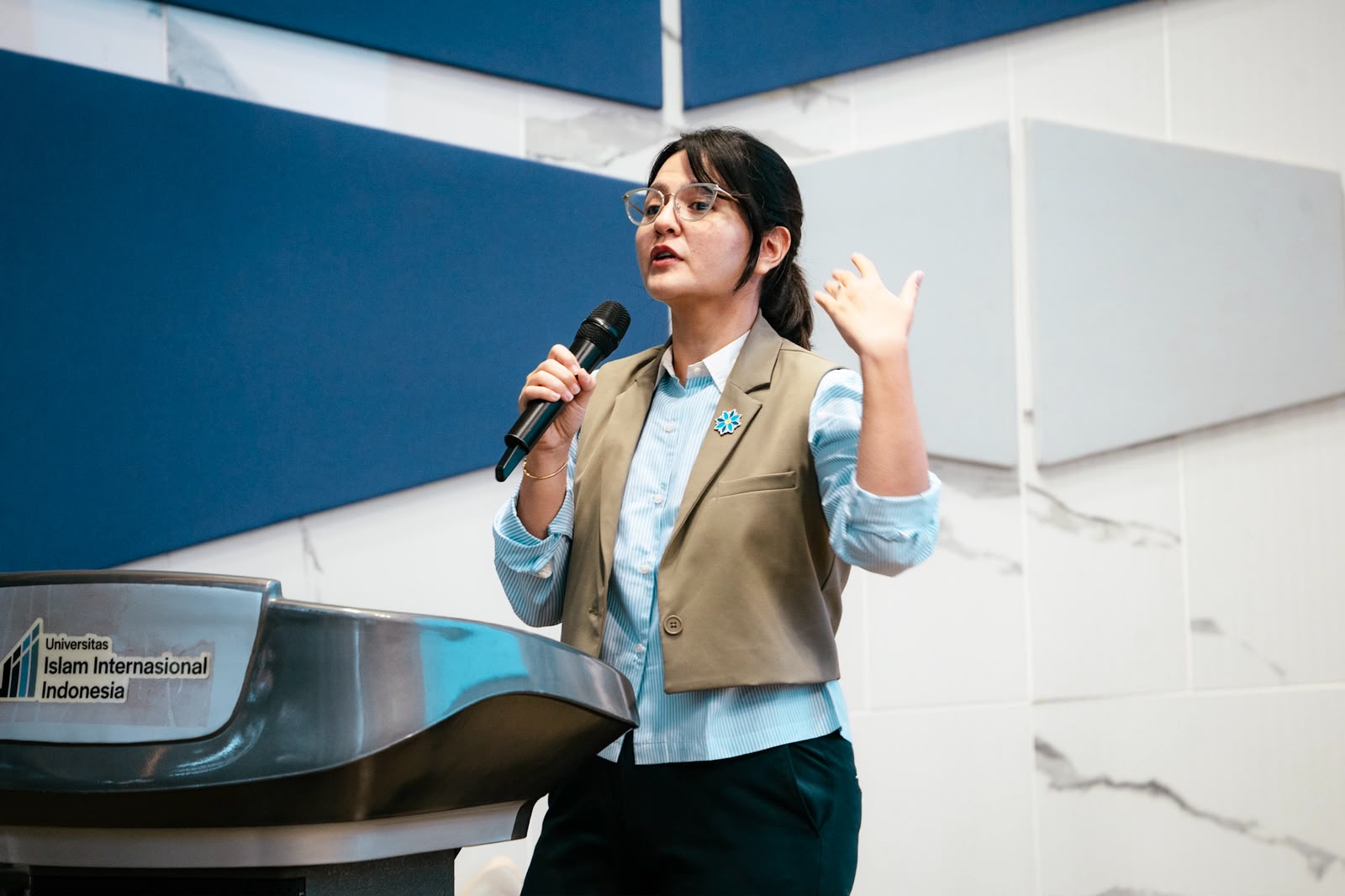
In her lecture, Tisha placed football within the wider field of sports diplomacy, which she described through the intersection of sport and international relations. Her presentation distinguished between “diplomacy through sports”—using sporting activities to support broader objectives such as relationship-building, communication and national image—and “sports as diplomacy,” where sporting figures and interactions themselves become channels for international engagement.
Drawing on her professional experience, she discussed cases ranging from Australia’s participation in the ASEAN Football Federation to Indonesia’s experiences surrounding the FIFA U-20 and U-17 World Cups. These examples illustrated how football can intersect with politics, diplomacy, national interest, commercial stakeholders and international sport governance. One of the lessons highlighted in her presentation was that decision-making in major sporting events frequently extends far “beyond the game,” requiring negotiation among governments, sports governing bodies, sponsors and other actors.
A major part of the discussion focused on UniLeague and the Play for Peace initiative. Tisha presented UniLeague as an effort to combine university football with youth development and mental well-being. According to her presentation, the initiative has involved a five-month competition in Jakarta and Bandung, with 98 matches, 427 students involved, around 12,600 stadium attendees, more than 115,000 livestream views and over seven million social-media views. Two young participants were also selected as ambassadors for a UN youth forum.
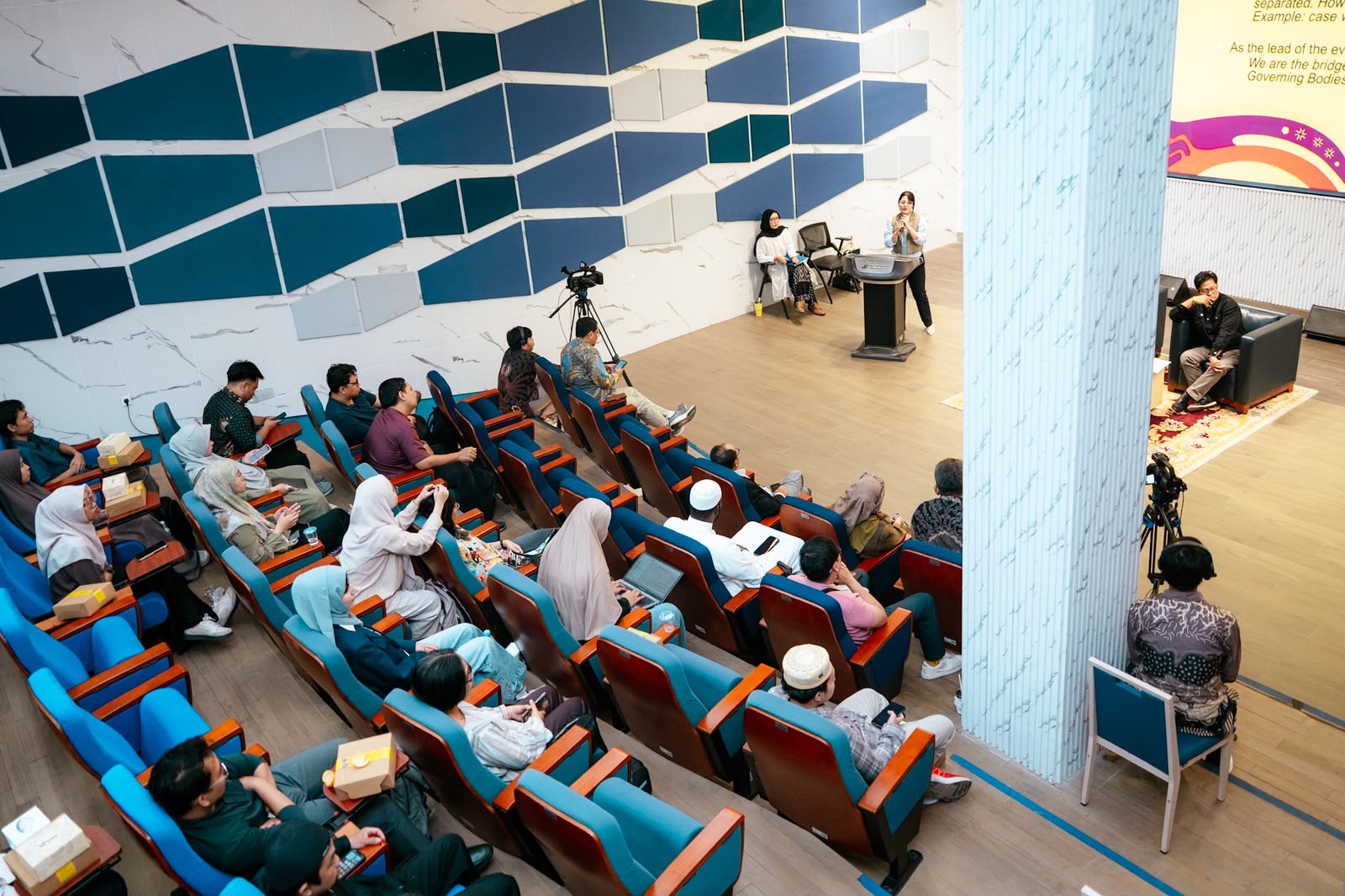
UniLeague has also entered an international conversation on youth well-being. At the United Nations Headquarters in New York in July 2026, Tisha presented the Indonesian experience during the forum “One World, One Game, One Goal: Football as a Catalyst for Youth Mental Health and Well-Being.” There she explained that the Indonesian model connects higher education, academic research and student communities, while integrating activities such as Mind Corners and Play for Peace into the sporting environment.
The UIII discussion therefore extended beyond the question of whether sport is “good” for young people. It also addressed the conditions under which sport can genuinely become a supportive educational environment—and the need to recognize that competitive sport can itself bring pressure, exclusion and performance demands.
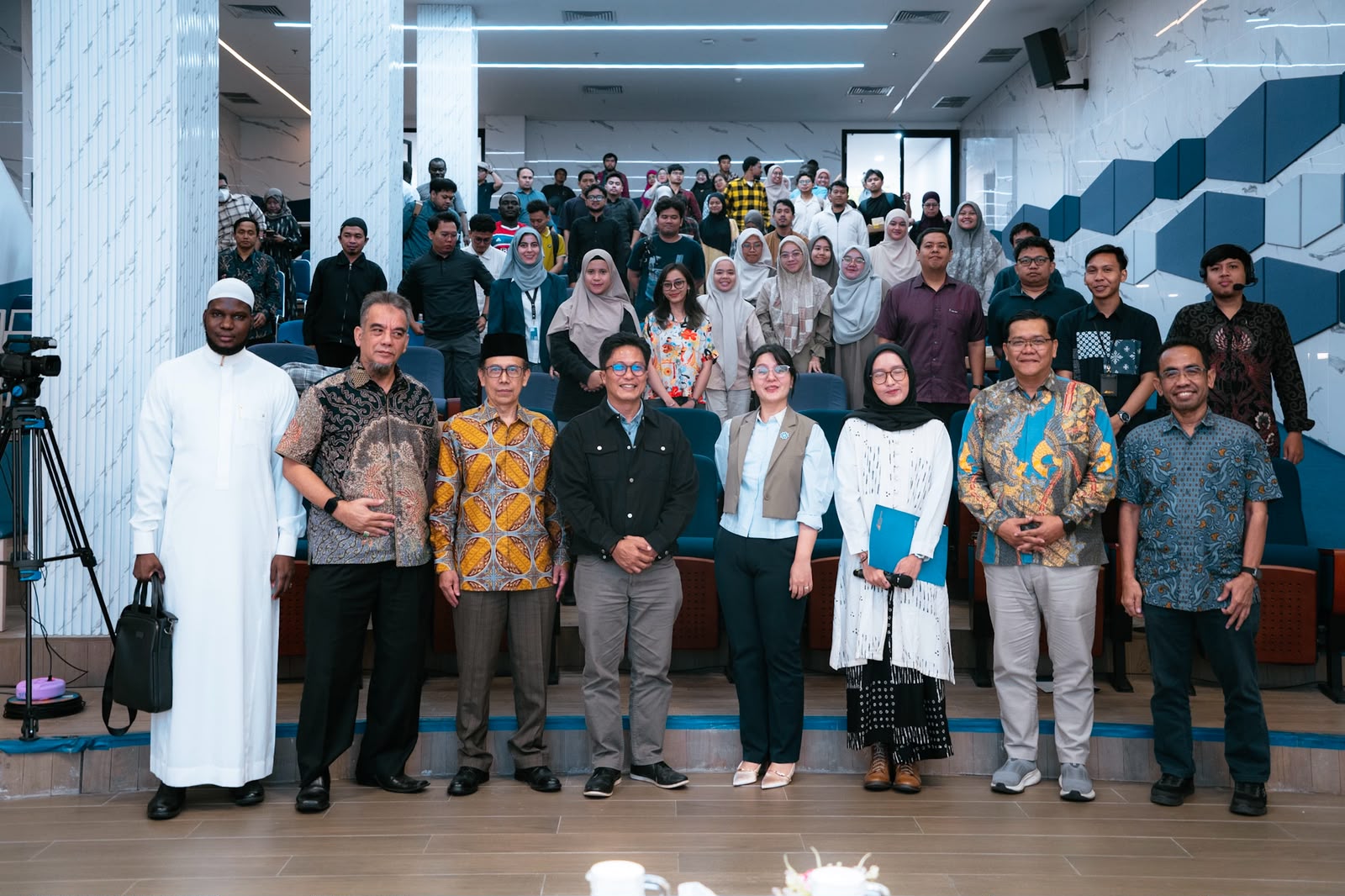
The lecture concluded with the presentation of a token of appreciation to Ratu Tisha by ITES Director Amich Alhumami, Ph.D., followed by a group photo with participants.
After the event, Tisha joined moderator R. Alpha Amirrachman for a visit to the area of the UIII campus designated for the university’s planned international stadium. The visit provided an opportunity to continue the conversation on how the future facility might be developed not merely as physical infrastructure, but as part of a sustainable sport, education and entrepreneurship ecosystem—including possibilities for partnerships and fundraising.
The public lecture reaffirmed a central message running throughout the afternoon: sport can be more than a game when it becomes a space where young people learn, connect, lead and flourish.