Depok — On July 6, 2026, the Faculty of Science and Technology (FST) wrapped up its second workshop, this one exploring “Introduction to Geospatial Analysis”. Unlike the first workshop, which was held online, this session gave students the chance to sit down face-to-face with Sesa Wiguna, Ph.D., a practitioner from Indonesia’s National Disaster Management Authority (BNPB).
To fill a gap in its curriculum, FST brought in outside expertise. “There are so many subjects I wish our students could learn, but we don’t have an expert in this field yet,” Said Muhammad Al Atiqi, Head of the Study Program.
The workshop unfolded in two parts, one to build the basics, and one to put them into practice. The first session kept things easy to follow, with a clear walkthrough of what spatial data actually is: information tied to a specific location, the kind found in everyday map apps.
From there, participants learned how coordinate systems work, the different formats spatial data comes in, where to find this data, and which software people use to process it. The session also broke down the two main categories, vector data (points, lines, and shapes representing real-world objects) and raster data (the pixel-like grids seen in satellite images.
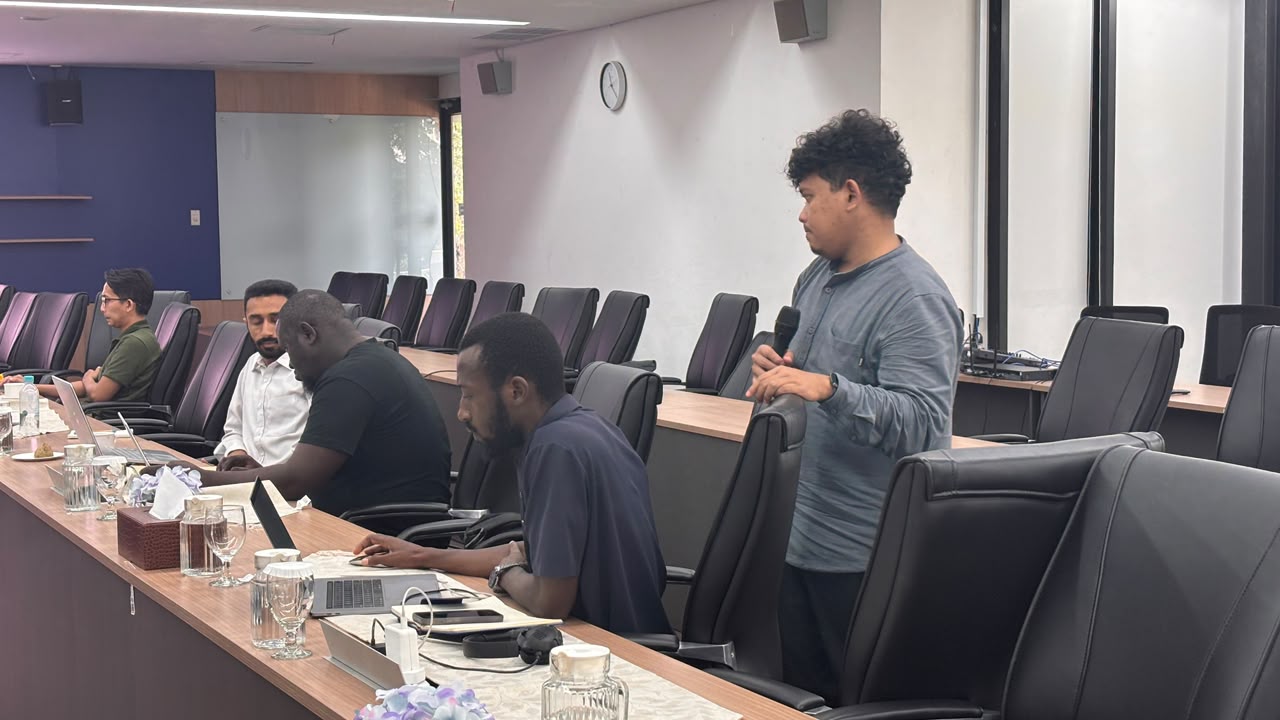
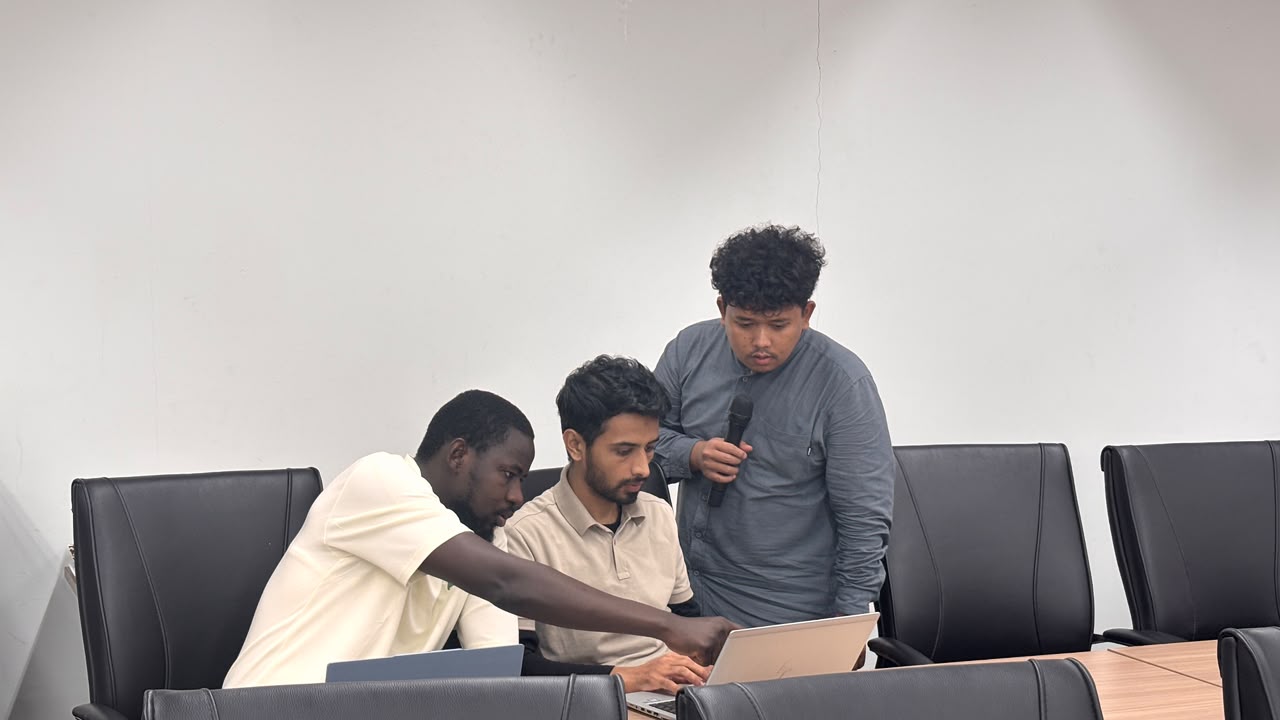
In session two, they got work directly with both vector and raster data, sometimes separately, sometimes combined, using the tools they had just learned about. Because everyone was in the same room, nobody had to struggle alone with a confusing error message; help was just raised by hand.
“One of the key takeaways I learned during this workshop is that our macro and micro-level problems are interconnected. A bottom-up approach to understanding problems creates the flexibility to include all possible features and agents, along with their nonlinear relationships. Systems thinking helps us understand and predict overall system behavior, and also points toward a viable solution.” said M. Kamran Chohan, FST student.
Inspired by hands-on practice, Kamran is using this mindset to solve big issues in fields like sustainability, health, and security.
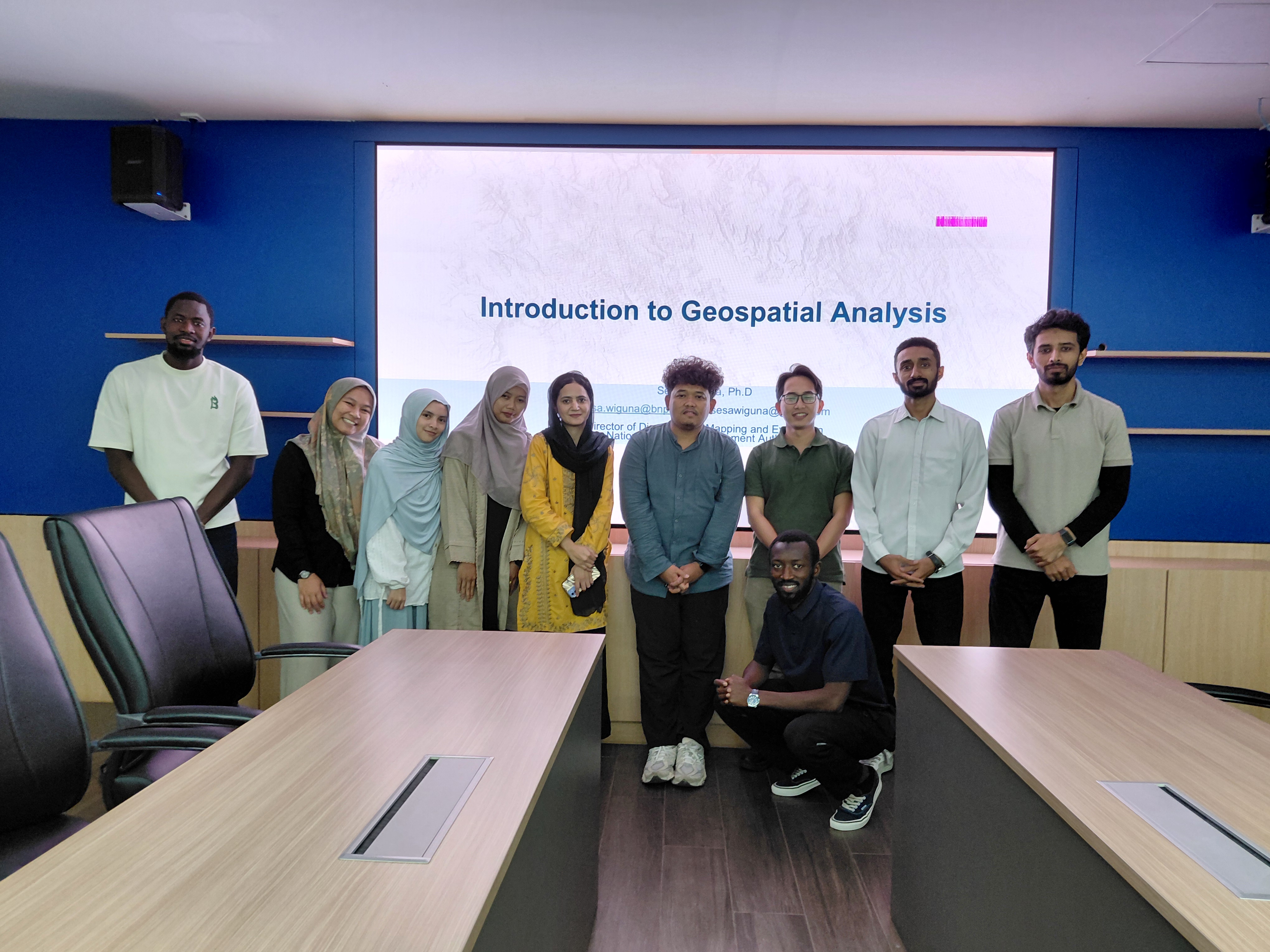
By wrapping up this second workshop, FST continues to help students learn practical skills beyond the regular curriculum, opening doors for future research careers.