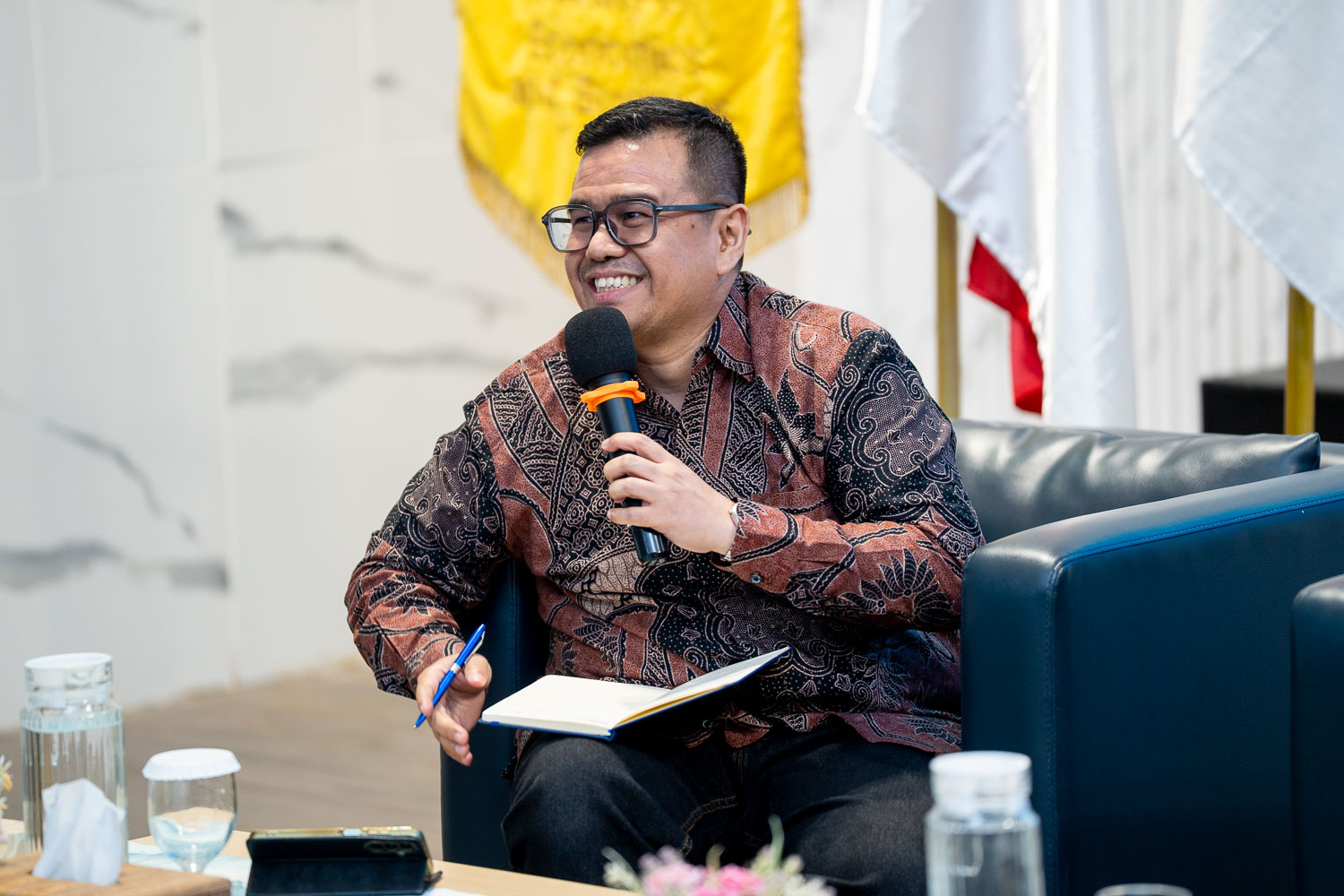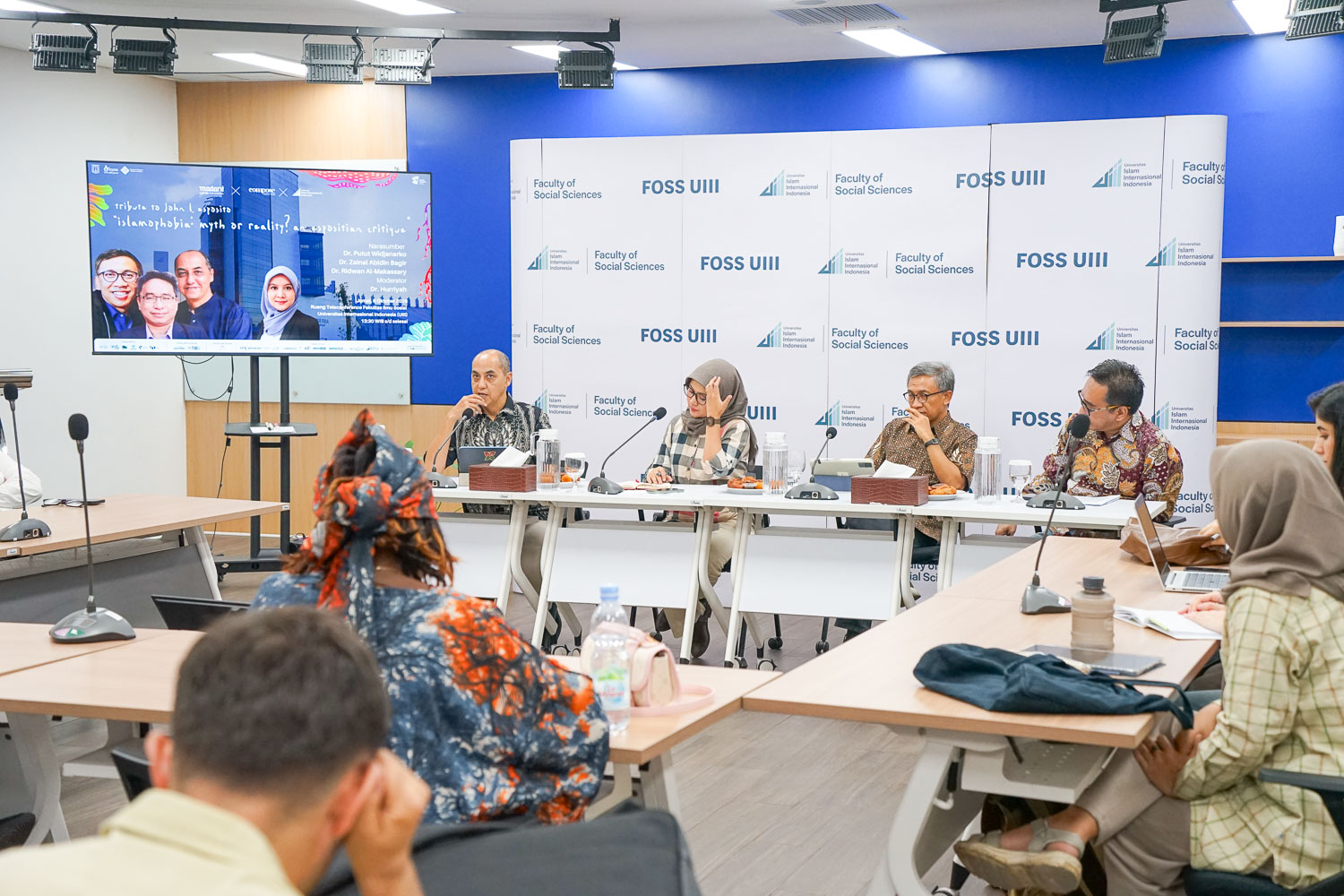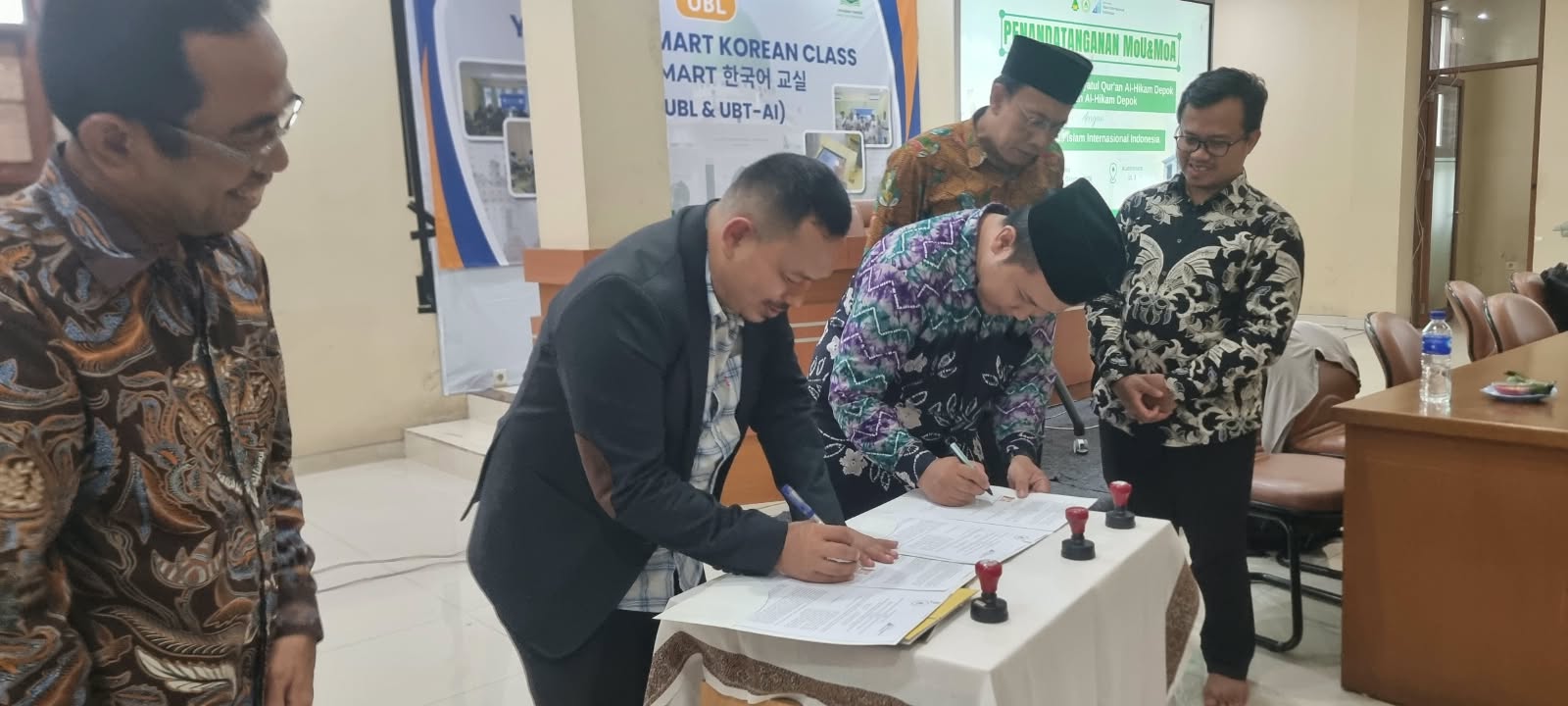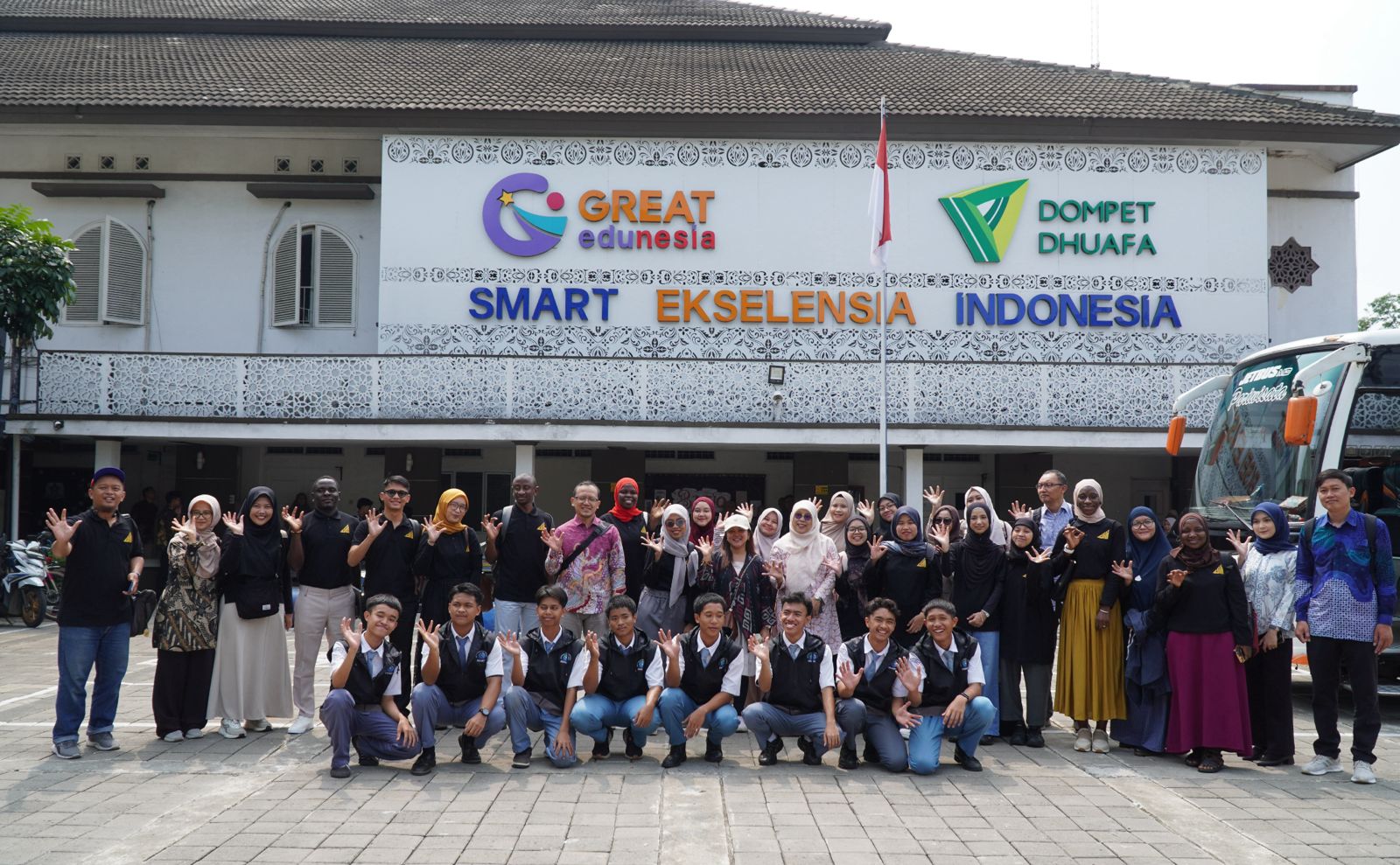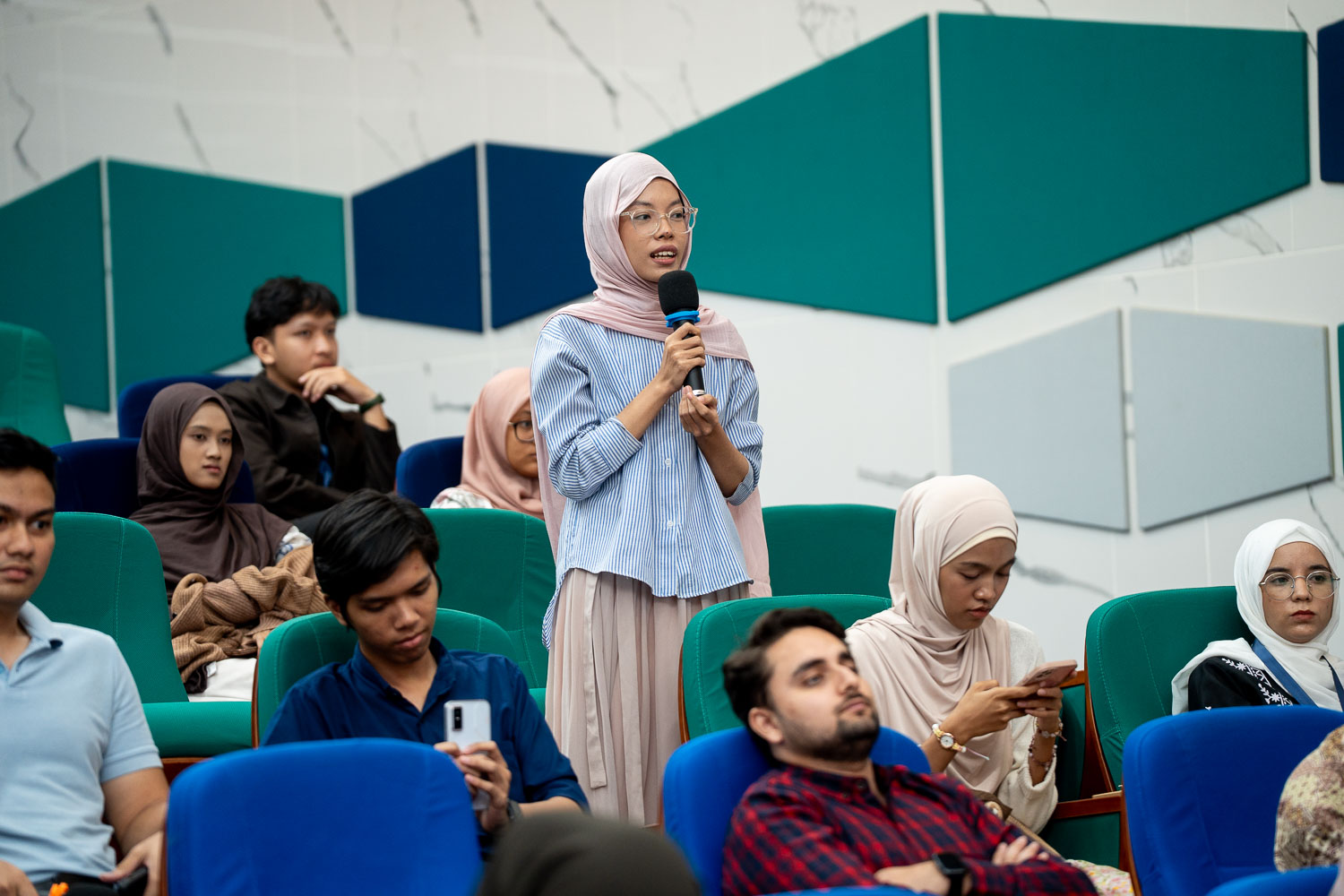
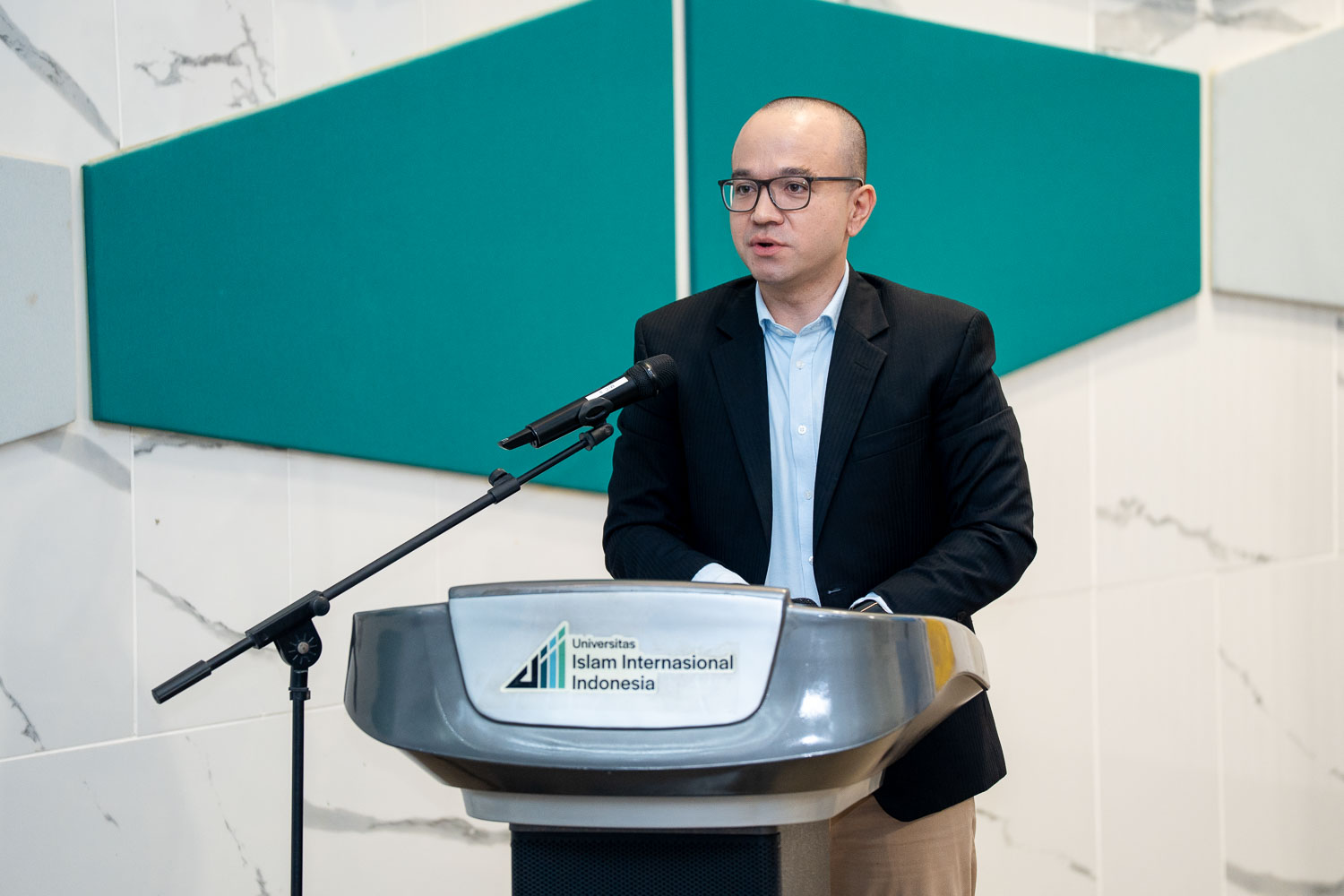
Depok – Moderated by Rizky Wisnoentoro, PhD, Head of Program at FEB UIII, the second panel of the 5th International Conference on Muslim World Economy and Business (ICMWEB) 2026 examined how Indonesian corporations, commercial banks, and MSMEs can thrive amid macroeconomic volatility and regulatory shifts. Three speakers from different backgrounds shared their views on the theme “Geopolitical Realities, ESG Integration, and Indonesian Business Transformation.”
Leo Putra Rinaldi, Chief Economist at Bank Negara Indonesia (BNI), gave a presentation titled “Navigating Banking Business Amid Global Uncertainty.” He detailed the structural global shift toward inward-looking policies, expanding fiscal deficits, such as US public debt surpassing $40 trillion, and persistent inflation that has driven central bank rate hikes. He also pointed to potential mild stagflation and China’s structural slowdown, which he attributed to the “4D” factors: debt, deflation, demographics, and Donald Trump.
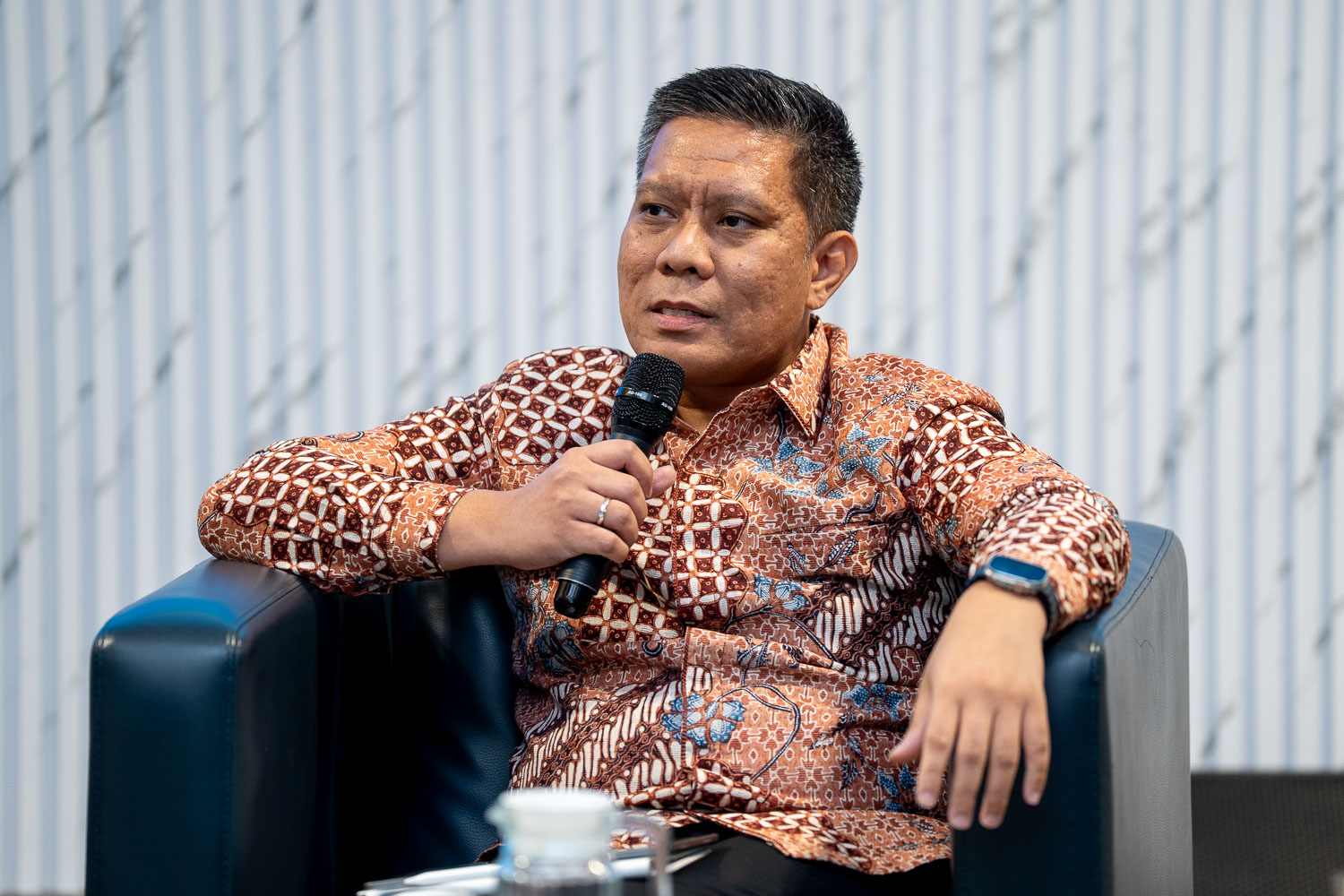
“Our biggest concern about the global economy is not recession. What concerns us more is the possibility of stagflation,” he said.
Rinaldi also presented BNI’s adaptive risk framework. BNI conducts biweekly thematic macro stress tests to protect its portfolio, identifying commodity exporters as resilient while monitoring import-dependent manufacturers.
Charya Rabindra Lukman, Head of Sustainability and ESG at APINDO, delivered a presentation titled “Sustainable Business and ESG for Indonesian SMEs.” He pointed out that Indonesia’s 65.5 million MSMEs generate 61.9% of national GDP and 97% of employment, equal to around 117 million jobs, yet account for only 15.7% of total exports. “Indonesian SMEs carry the economy, but they are invisible to the systems that now price trade and credit,” he said.
Lukman warned that starting in 2026, MSMEs face massive indirect regulatory enforcement from anchor customers (Scope 3 data demands), commercial lenders (OJK TKBI v3 sustainable finance taxonomy), and international buyers (EU CBAM and EUDR deforestation rules).
Lukman unveiled a practical four-step pathway for SMEs: measure, reduce, certify, and access. The pathway shows how business owners can track 11 core internal metrics to achieve cost-negative ESG payback within 24 months, qualify under TKBI v3 transition financing, and convert compliance into new export orders.
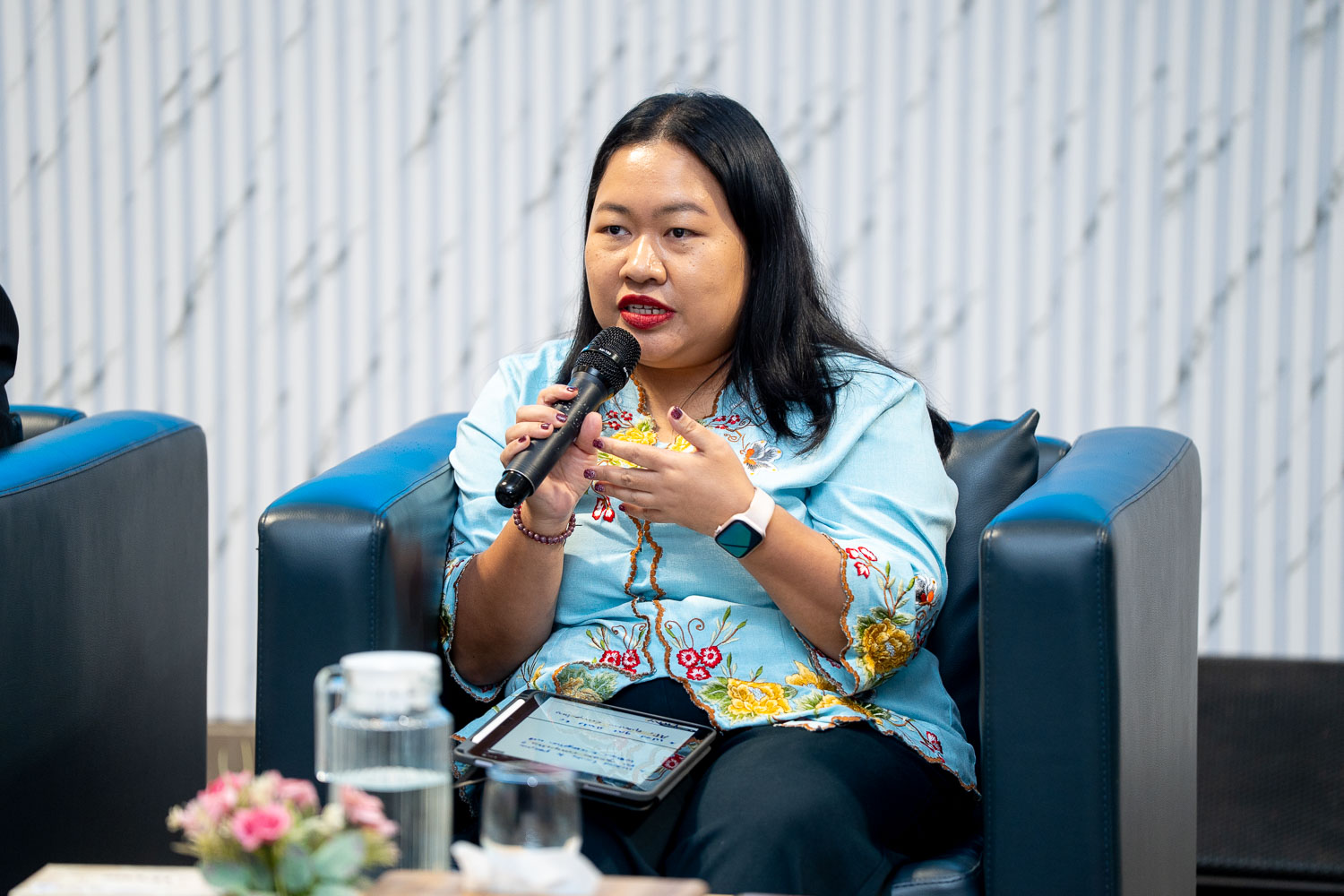
The last presenter, Nugraheni Utami, Chief Country Representative for Indonesia at the US-ASEAN Business Council (USABC), delivered a presentation titled “ESG and Sustainability in Indonesia amid Global Uncertainty.” She underscored that, with global growth slowing to 2.5%, regulatory certainty is far more important for international investors than tax incentives alone.
She underlined this point, saying, “The most important investment incentive is not necessarily a tax incentive. It is regulatory certainty to support investor confidence.”
Addressing Extended Producer Responsibility (EPR) under MoEF Regulation P.75/2019, which targets a 30% reduction in packaging waste by 2029, and the upcoming mandatory PSPK 1 and 2 sustainability reporting standards, Utami urged Indonesian regulators to establish clear rules, investable infrastructure, interoperable ASEAN standards, and proportionate timelines that support both multinational corporations and smaller value-chain actors.
“Sometimes, regulation in Indonesia is heavy on punishment and fear rather than incentives and rewards. Companies that have already made commitments should be acknowledged,” she concluded.