Findings reinforce Indonesia’s bebas aktif foreign policy and UIII’s mission as a bridge between Indonesia and the world
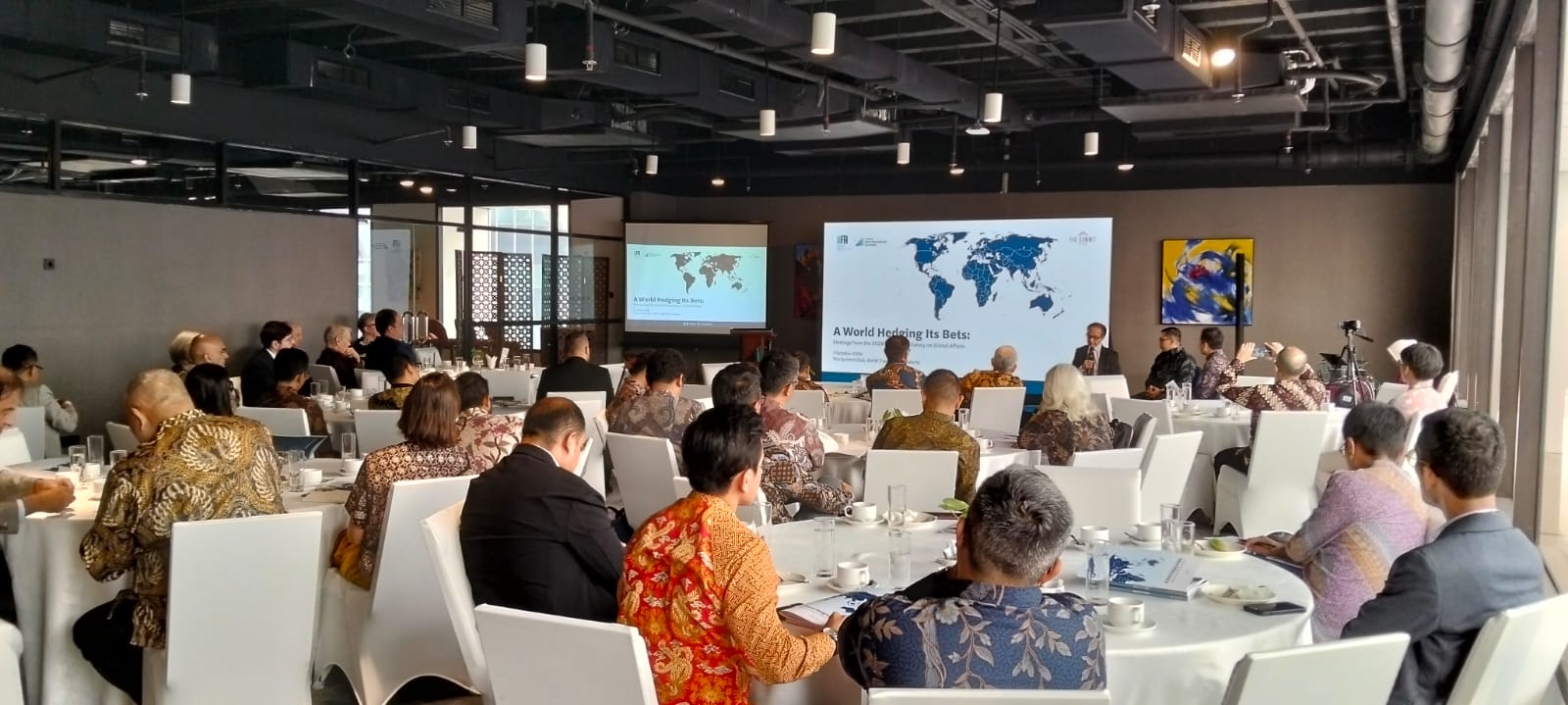
JAKARTA, 7 October 2026 – The Indonesian Institute for Foreign Affairs (IIFA) at Universitas Islam Internasional Indonesia (UIII) today launched the 2026 IIFA Expert Survey on Global Affairs at The Summit Club Jakarta, World Trade Center 1. Based on 47 questions posed to 151 global foreign-policy experts between June and July 2026, the survey reveals that strategic autonomy is the top foreign policy priority for experts over the next five years, while trust in G20 countries shows notable shifts.
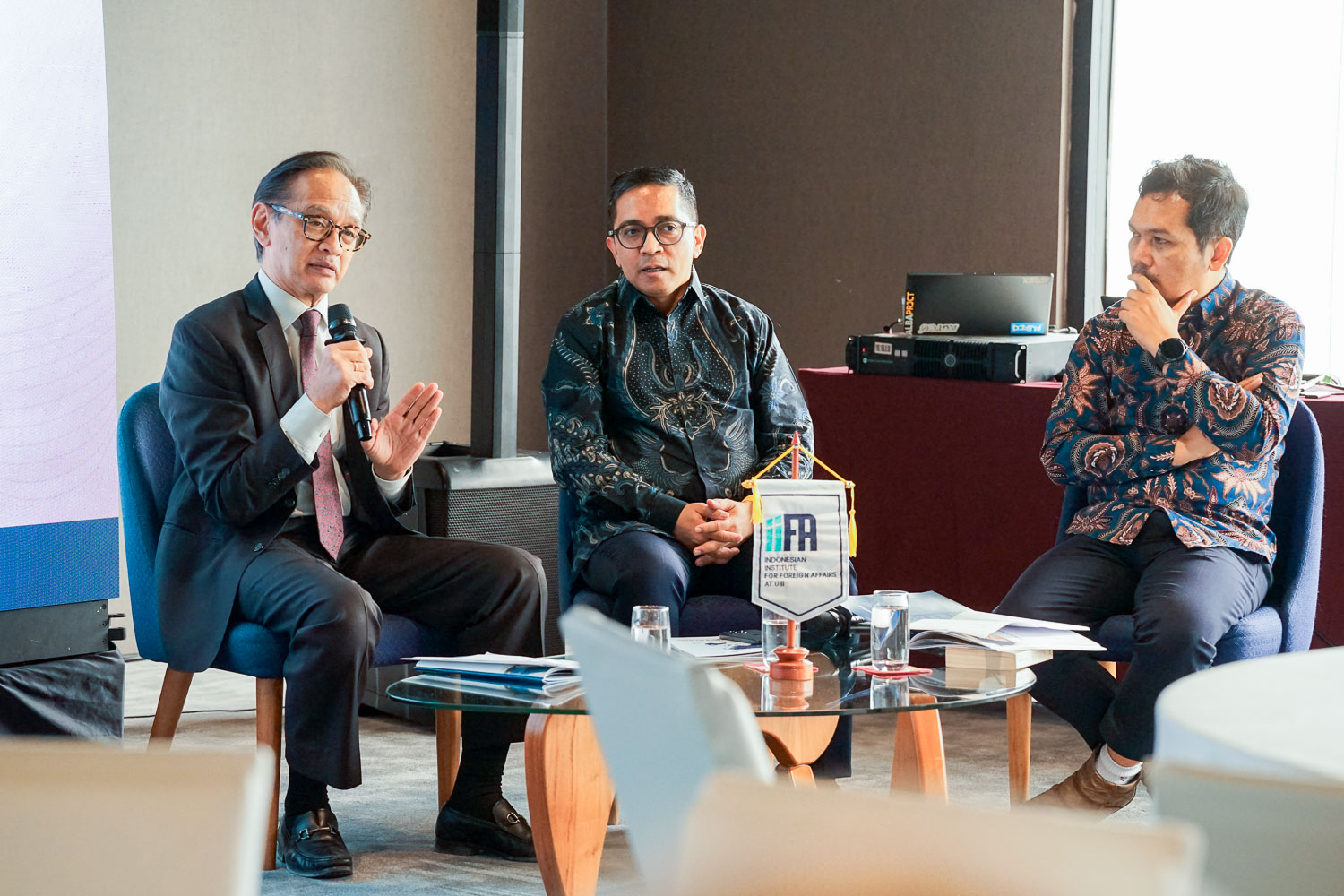
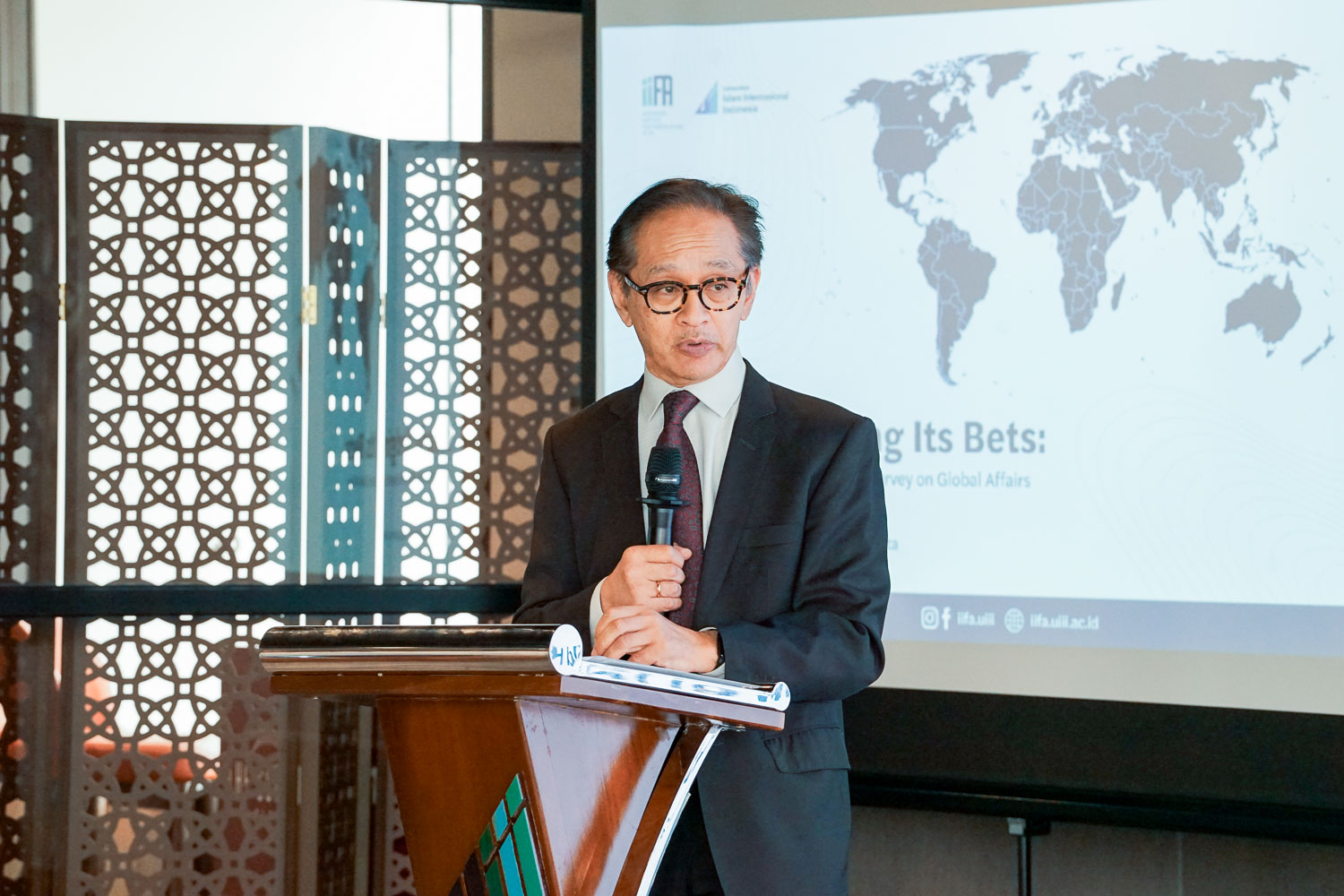
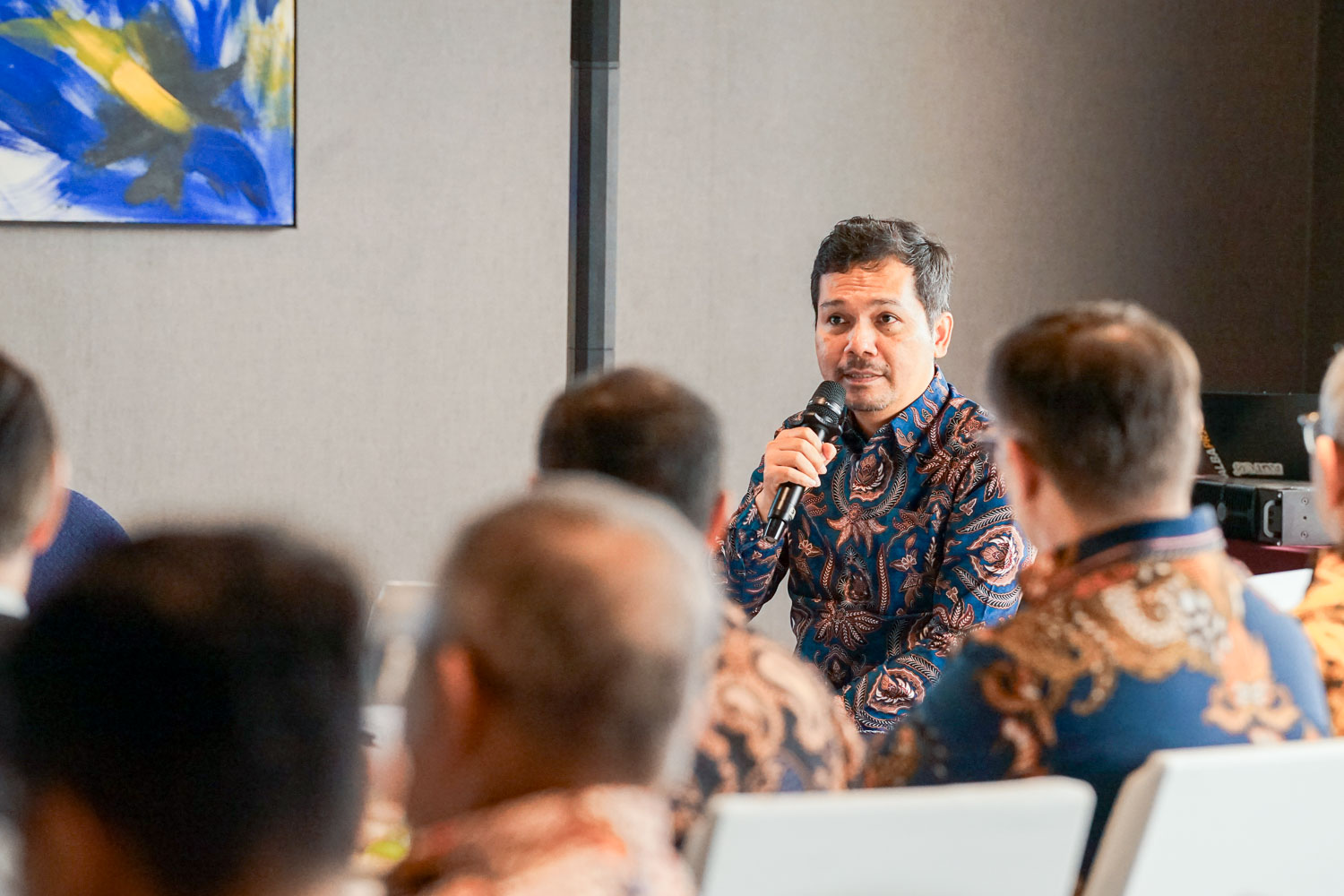
The launch event featured opening remarks by Prof. Dr. Jamhari Makruf, Rector of UIII; a presentation of findings by Dr. Philips J. Vermonte, Convenor of IIFA; and a discussion with H.E. Dr. R.M. Marty M. Natalegawa, former Minister of Foreign Affairs of Indonesia (2009–2014). Taufiq Rahman, Editor-in-Chief of The Jakarta Post, served as host. Mr. Takdir, Head of the Foreign Policy Strategy Agency (BSKLN) at the Ministry of Foreign Affairs of the Republic of Indonesia, also provided input during the session.
Top Foreign Policy Priorities: Strategic Autonomy First
When asked to name their country’s top foreign policy priority over the next five years, experts overwhelmingly chose strategic autonomy—avoiding overdependence on any single major power—at 32.5% (n=49). This was followed by preventing major war and regional military escalation at 25.8% (n=39), and promoting economic growth through trade and investment at 21.9% (n=33). Together, these three goals account for 80.2% of all first-priority votes. The remaining seven options, including reforming multilateral institutions (1.3%, n=2) and expanding South-South cooperation (1.3%, n=2), split the last fifth of responses. The dominance of strategic autonomy and war prevention ahead of more transactional goals suggests the expert panel sees the international environment primarily through a lens of geopolitical risk management rather than economic opportunity-seeking.
Trust in G20 Countries: Shifting Dynamics
The survey also ranked 19 G20 countries by the share of respondents who trust them to act responsibly in international affairs. Japan leads at 94.7%, followed by Canada (93.9%), South Korea (92.7%), Germany (91.9%), France (91.2%), and Australia (90.5%). All established Western democracies cluster near the top. A notable finding is the position of the United States, which ranks lower than many other G20 countries at 29.3%, just above Russia at 24.3% and below every non-Western state except Argentina (38.3%) and Saudi Arabia (48.3%). The U.S. is rated below China (61.1%) and India (63.1%) despite its formal classification alongside the highest-trust Western democracies. Brazil (83.8%) and Indonesia (72.2%) rate among the more trusted non-Western states, roughly on par with or ahead of Italy (75.9%). The gap between the U.S.’s formal category and its actual standing in the data is a notable feature of this finding.
Concern over U.S. Trust Deficit
H.E. Dr. R.M. Marty M. Natalegawa expressed concern over the trust deficit revealed in the survey. It is striking that while established Western democracies cluster at the top of trust rankings, the United States places second-to-last, below China and India. “This gap in the data is the single most notable feature,” he noted. “This trust deficit could complicate multilateral cooperation and underscores the need for a more balanced and inclusive global order.”
Methodological Note
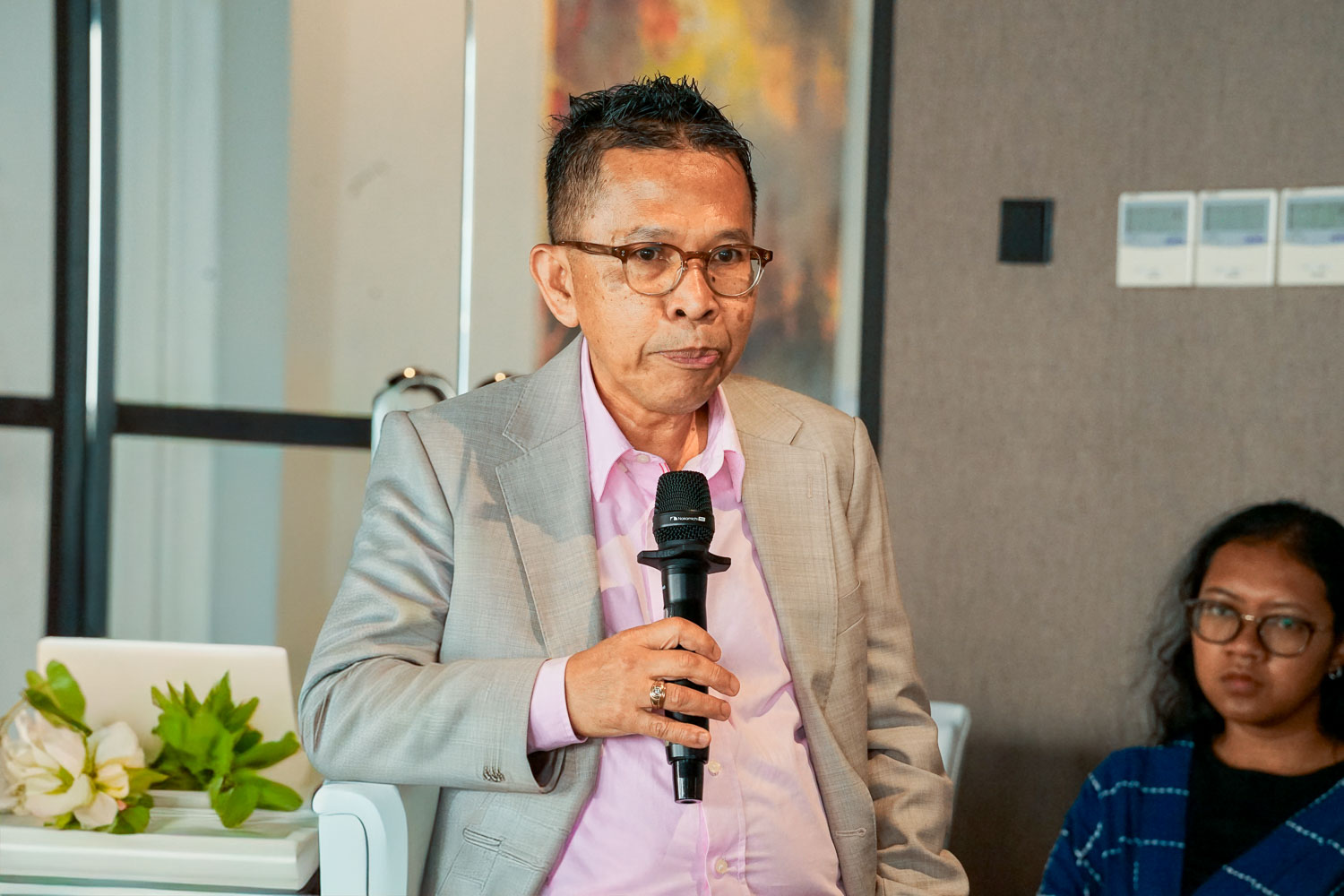
Dr. Philips J. Vermonte emphasized that the report is an expert survey, not a poll. “This is not a polling; this is an expert survey on global affairs. We contacted more than 2,500 individuals from our expert list worldwide—from America, Australia, to China and Russia. Not all responded, so there are methodological challenges,” he said.
A Call for Further Research on the Islamic World
Mr. Takdir, Head of the Foreign Policy Strategy Agency (BSKLN) at the Ministry of Foreign Affairs of the Republic of Indonesia, suggested that IIFA should expand its research scope. “Because many global politics involve Muslim countries in the Islamic world, IIFA at UIII should conduct further research focusing on global affairs in the Islamic world,” he said.
Vermonte also highlighted a key finding: “The results show that security is the top priority for these experts. Other issues like South-South relations and environmental issues are not priorities—even though they are important to many, including UIII. So there is still much work to be done.”
Implications for Indonesia and UIII
The survey validates the strategic logic of Indonesia’s bebas aktif and non-alignment. It also reinforces UIII’s mission to promote Indonesian Islamic cultures as part of world civilization and to develop research that contributes to global knowledge and social welfare. As a campus-based think tank upholding neutrality and academic freedom, IIFA directly supports Indonesia’s ambition to be a thought leader in shaping international cooperation.
“The survey confirms that strategic autonomy is not isolationism—it is a positive, active strategy that allows countries like Indonesia to engage all major powers while preserving their independence,” said Dr. Philips J. Vermonte. “UIII and IIFA are committed to providing the intellectual infrastructure for Indonesia to navigate and shape this hedging world.”
Prof. Dr. Jamhari Makruf, Rector of UIII, added: “UIII’s mission is to be a bridge between Indonesia and the world. This survey shows that the world is looking for exactly the kind of moderate, dialogic, and inclusive approach that Indonesia and UIII embody.”
About IIFA
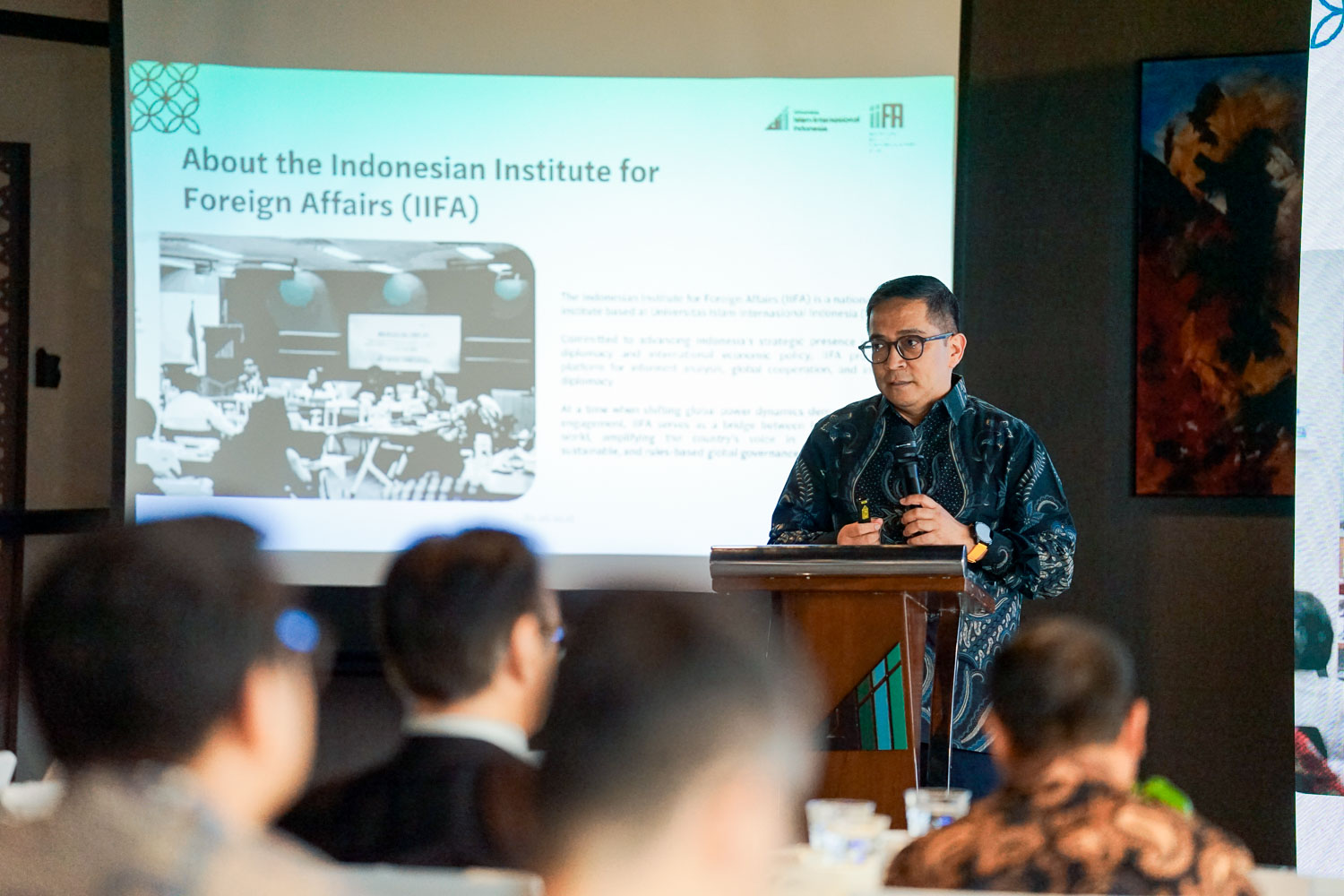
The Indonesian Institute for Foreign Affairs (IIFA) is a think tank based at Universitas Islam Internasional Indonesia (UIII), founded on 19 May 2025. It is dedicated to dialogue on global affairs, geopolitics, and international cooperation. Its flagship research activity is the annual IIFA Expert Survey on Global Affairs.
Universitas Islam Internasional Indonesia (UIII) is a graduate university established to promote Indonesian Islamic cultures as part of world civilization. Its mission is to develop innovative research on Islam and Muslim societies that contributes to knowledge and social welfare, and to serve as a bridge between Indonesia and the world. []