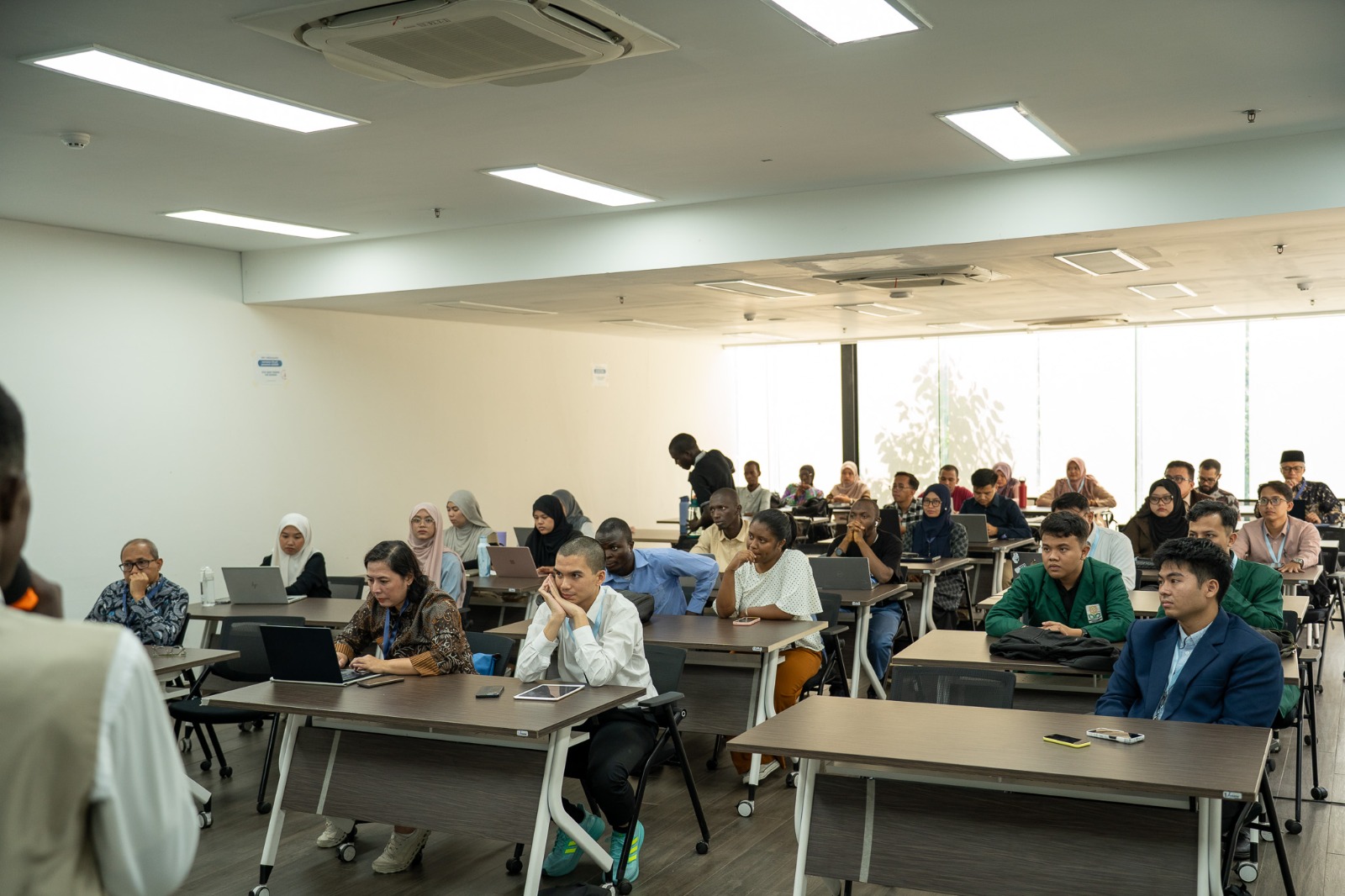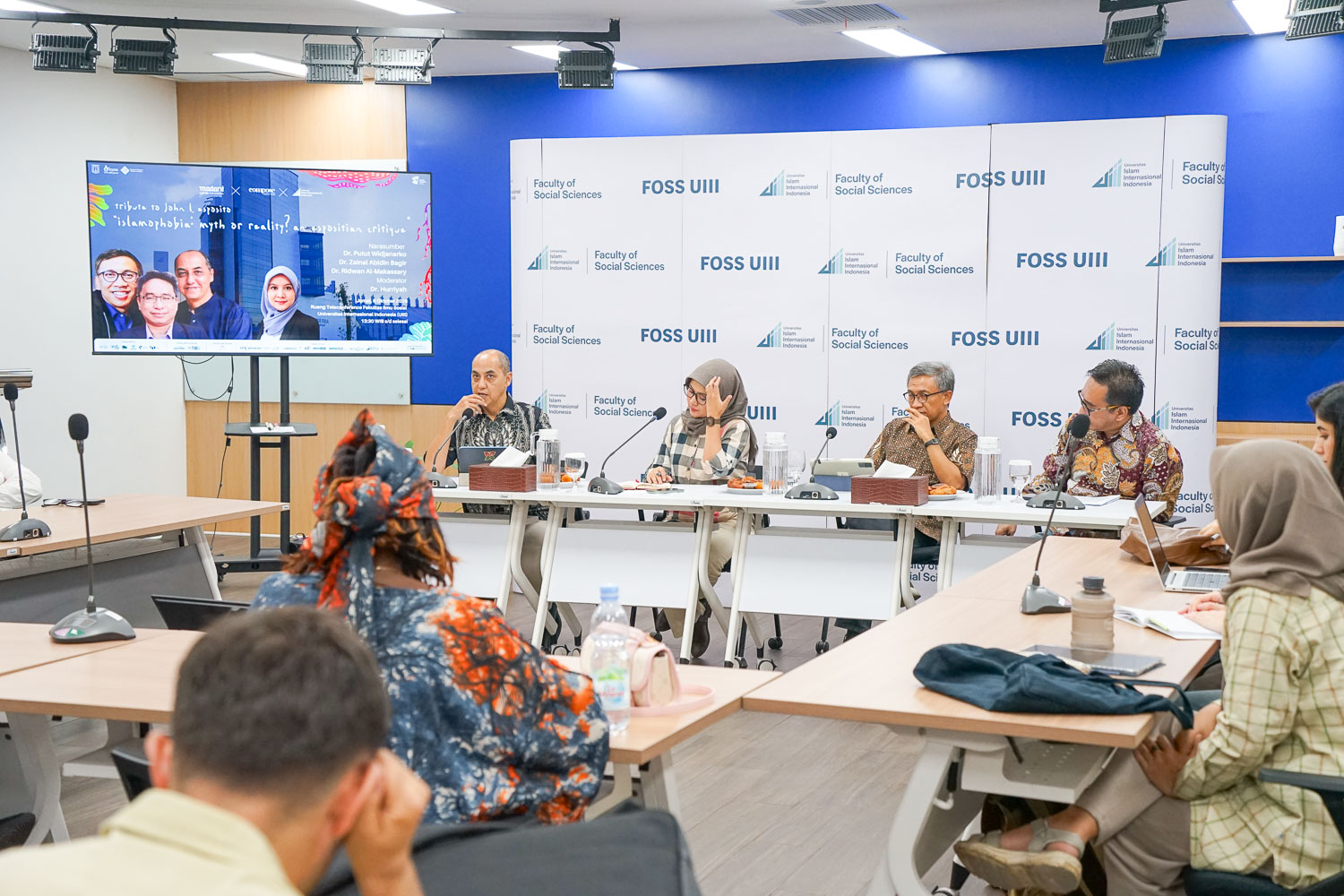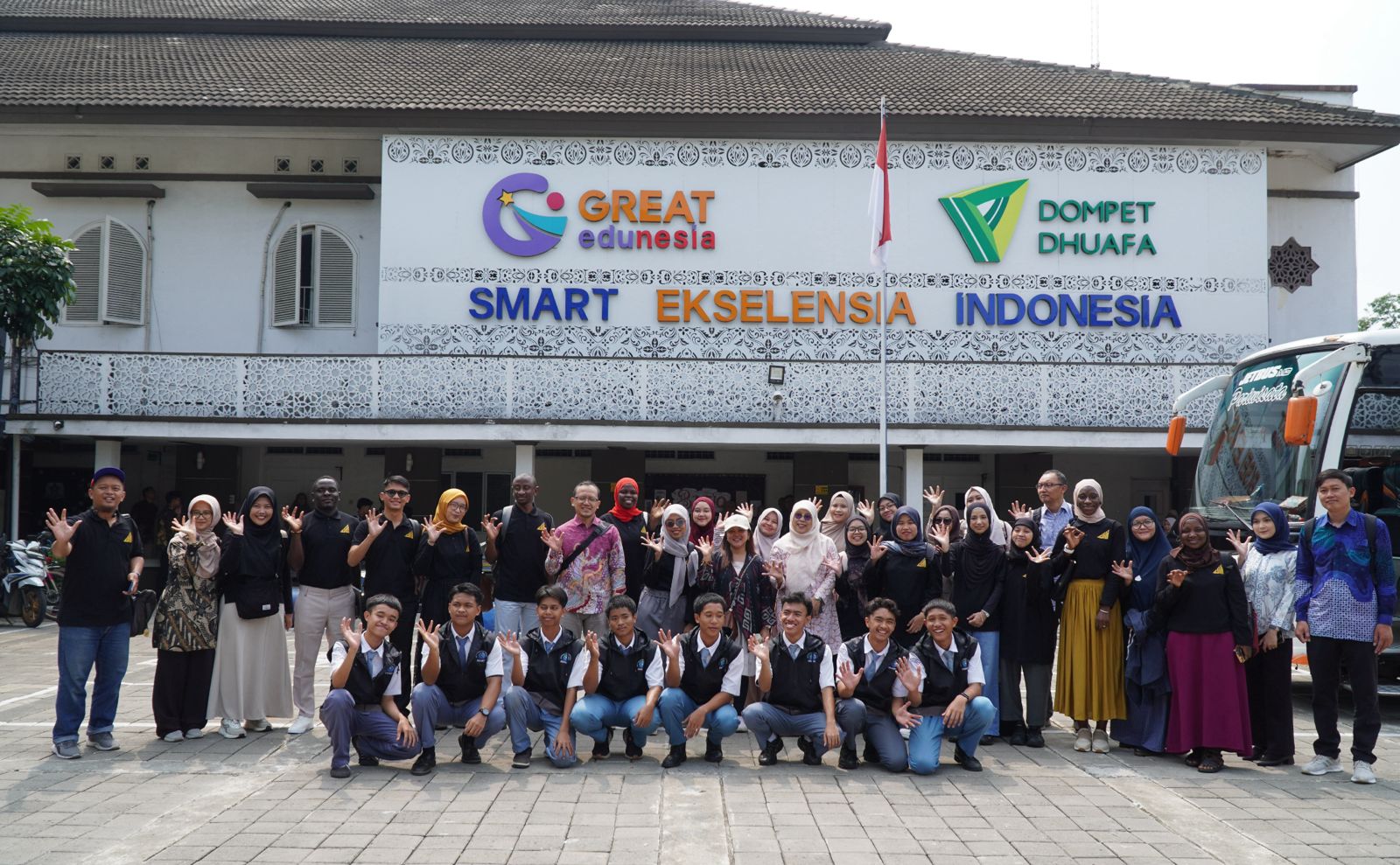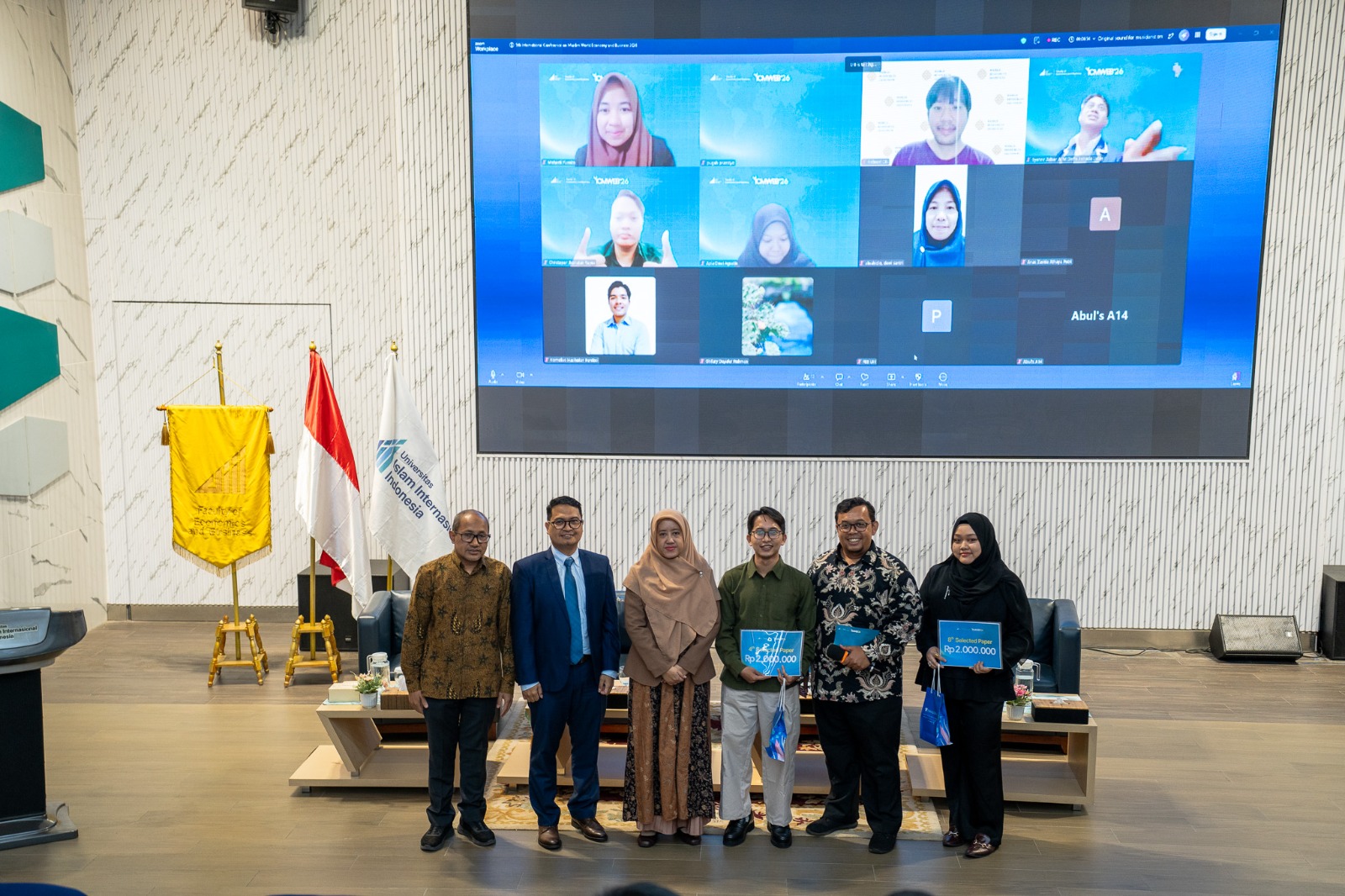
DEPOK, Indonesia. The Faculty of Economics and Business (FEB) at Universitas Islam Internasional Indonesia (UIII) hosted the 5th International Conference on Muslim World Economy and Business (ICMWEB) 2026 on 14–15 September 2026 at the UIII campus in Depok, West Java. Held under the theme “Muslim Economies in the New Geoeconomic and Geopolitical Realities: Resilience and Transformation in a Rapidly Changing World,” the two-day conference brought together scholars, policymakers, industry leaders, and practitioners to examine the challenges and transformation facing Muslim economies.
The conference addressed the economic implications of a rapidly changing global environment, including geopolitical tensions, regional conflicts, disruptions in energy markets, trade fragmentation, shifting international alliances, tighter financial conditions, and technological transformation. Through academic presentations, panel discussions, keynote sessions, and a seminar involving perspectives from public institutions, academia, and the business community, ICMWEB 2026 provided a platform for connecting research findings with practical challenges facing Muslim economies and businesses.
The international response to the conference was reflected in its Call for Papers, which received 180 abstracts from more than 20 countries across five continents. Of these submissions, 96 abstracts were selected, while 24 papers were ultimately invited for presentation at the conference. The research contributions covered three broad areas: new geopolitical and geoeconomic realities, structural and green transformation, and digital and technological transformation.
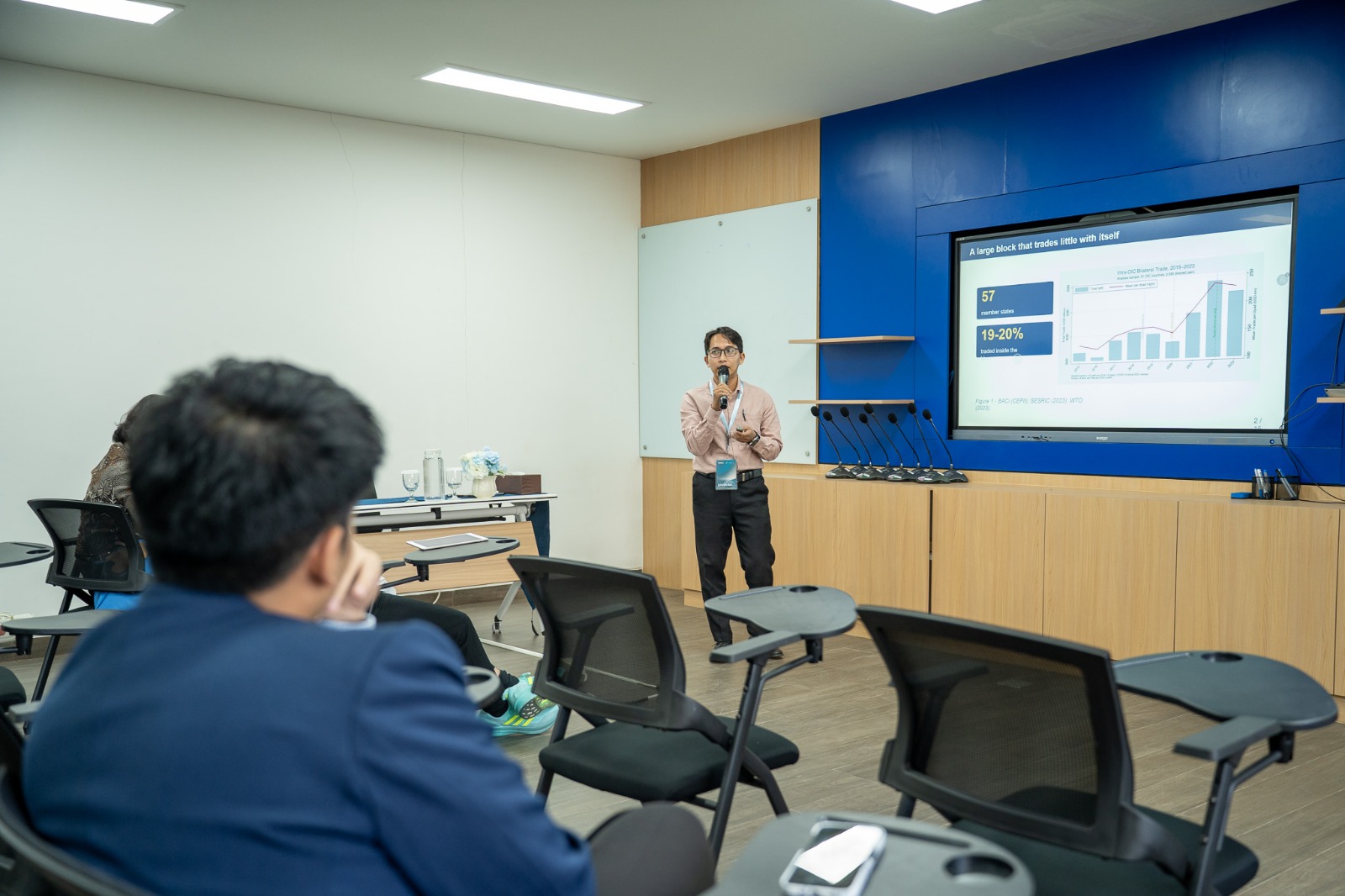
The first day focused on academic paper presentations, allowing researchers to present their findings and exchange feedback with fellow scholars and panelists. Topics ranged from Muslim economies and international trade to Islamic banking, climate finance, green sukuk, waqf, digital finance, artificial intelligence, and financial resilience. The second day featured a seminar addressing issues including digital finance and financial inclusion, supply-chain disruptions, ESG practices in Islamic corporations, and business models in the halal economy.
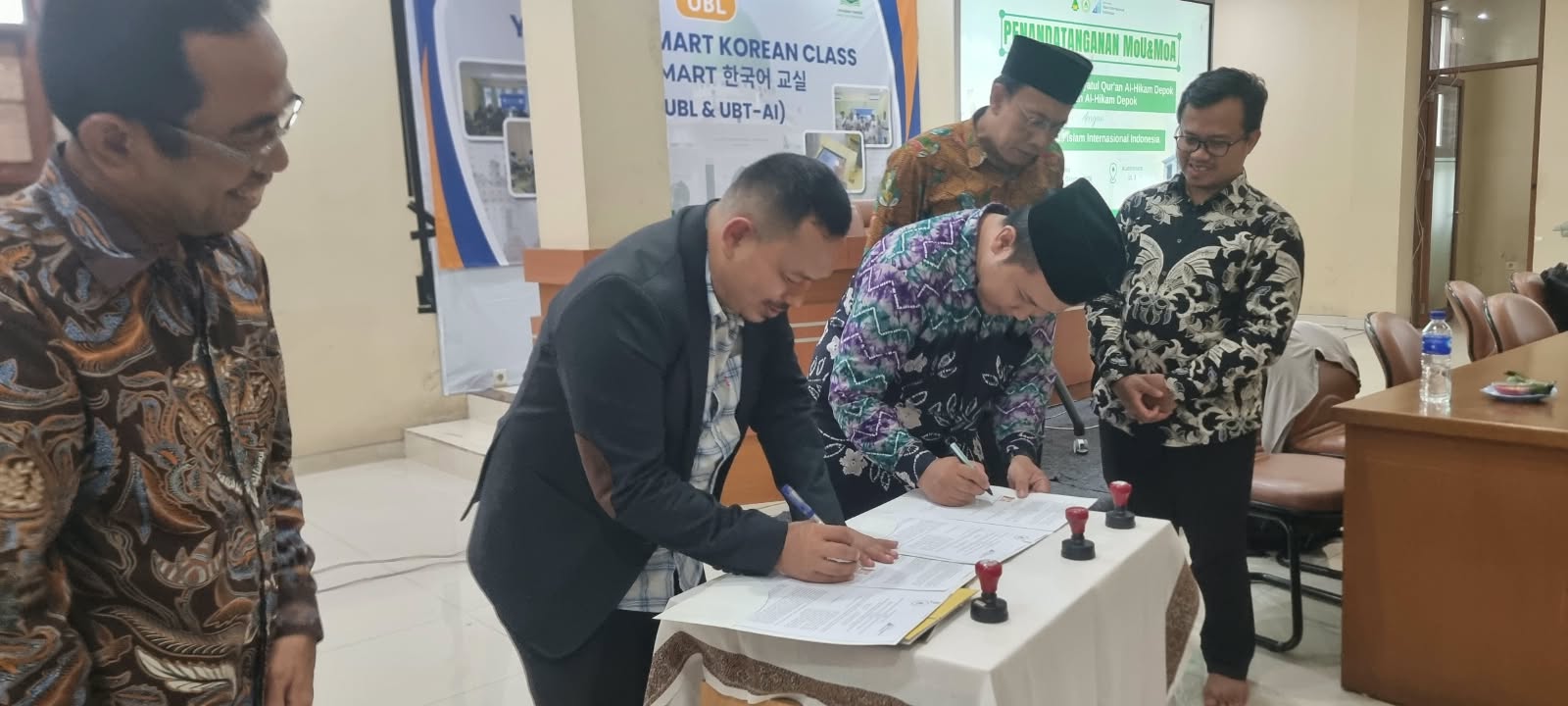
According to the conference organizers, the event was designed not only to facilitate academic exchange but also to encourage collaboration between research, policy, and business practice. The conference sought to generate new research collaborations, policy-oriented insights, and practical business responses related to resilience, sustainable finance, digital transformation, risk management, and inclusive growth.
13 Awards Recognise Outstanding Research at ICMWEB 2026
As part of the conference, ICMWEB 2026 recognised 13 papers across the Best Paper and Selected Paper categories. The awards acknowledged research covering international trade, Islamic finance, climate resilience, digital transformation, financial stability, and geoeconomic change.
Best Paper Awards
1st Best Paper
Christoper Jhonatan Reyes, Kornelius Hasiholan Pardosi, and Anas Zaskia Athaya Putri
“Faith, Frictions, and Flows: The Geoeconomics of Halal Compliance and Institutional Diplomacy in Global Trade”
Affiliation: Department of Economics, Faculty of Economics and Business, Universitas Indonesia.
2nd Best Paper
Bobby Yulandika Putra
“Trump Tariff Shocks and OIC Economies: A Panel SVAR Analysis of Trade, Output, and Resilience”
Affiliation: Faculty of Economics and Business, Universitas Islam Internasional Indonesia (UIII).
3rd Best Paper
Alwahidin and Alija Avdukic
“Shariah Compliance, ESG, and the Environmental Exception in Indonesian Islamic Banking (2005–2025)”
Affiliations: IAIN Kendari; University of Dundee.
Selected Paper Awards
1st Selected Paper
Apia Dewi Agustin
“What Drives Islamic Banks’ Resilience to Climate Change Risk? The Roles of Strategy, Incentives, and Digital Transformation”
Affiliation: Universitas Gadjah Mada.
2nd Selected Paper
Zia Ul Rehman Zafar and Muhammad Saif
“Computational Governance Logic: An Interpretable AI Framework for Measuring Institutional Discourse in Western and Islamic Financial Systems”
Affiliation: Universitas Muhammadiyah Surakarta.
3rd Selected Paper
Ahmad Dahlan, Alfalisyado, and Akhmad Faozan
“Reconciling Green Sukuk and Cash Waqf: A Hybrid Framework for Islamic Climate Resilience Finance”
Affiliations: Fakultas Ekonomi dan Bisnis Islam, UIN Prof. KH. Saifuddin Zuhri; Business Administration Department, National Yunlin University of Science and Technology.
4th Selected Paper
Muhammad Dzaki Dhiya Ulhaq and Andi Irawan
“Political Alignment, Exchange Rates, And Intra-Oic Trade: Gravity Evidence From Reconciled Trade Data (2015–2023)”
Affiliation: Universitas Islam Internasional Indonesia (UIII).
5th Selected Paper
Anniza Citra Prajasari
“From Click to Financing: Does Digital Payment Adoption Behavior Drive Islamic Banking Outreach in Indonesia?”
Affiliations: Department of Islamic Financial Management, UIN Sunan Kalijaga, Yogyakarta; Doctoral Program in Islamic Economy and Halal Industry, Graduate School, Universitas Gadjah Mada, Yogyakarta.
6th Selected Paper
Rischan Mafrur and Khadijah
“From Gold Dinar to Digital Ledger: Is Islam Ready for Cryptocurrency?”
Affiliations: Western Sydney University; Cryptocoinhalal.com, Indonesia.
7th Selected Paper
Iman Supriadi
“Shielding Asia Financial Stability Through Islamic Banking Resilience Amidst New Geoeconomic Realities”
Affiliation: Universitas Negeri Surabaya.
8th Selected Paper
Fauziyah Adzimatinur and Rahmat Olii
“Did OIC Apparel Exporters Anticipate U.S. Protectionism? Panel Evidence, 2014–2024”
Affiliations: Faculty of Economics and Business, Universitas Islam Internasional Indonesia; World Resources Institute (WRI) Indonesia.
9th Selected Paper
Syahrir Akbar and M. Daffa Fahada Lubis
“Clustering Indonesia’s Regional Green Transition Index: Climate Readiness and Islamic Green Finance in a Spatial Framework”
Affiliation: Polytechnic of State Finance STAN.
10th Selected Paper
Mahasti Yuanita and Puguh Prasstyomulyo
“Geopolitical Energy Shocks and Fiscal Vulnerability in OIC Economies with Evidence from Indonesia”
Affiliations: Cornell University; Universitas Muhammadiyah Yogyakarta.
The range of award-winning research reflects the broader academic scope of ICMWEB 2026, spanning trade and geoeconomics, Islamic banking, climate resilience, sustainable finance, digital transformation, and financial stability.
Through the conference, FEB UIII reaffirmed its role as a platform for international academic exchange on issues affecting Muslim economies. By bringing together researchers and practitioners from different institutions and countries, ICMWEB 2026 sought to strengthen collaboration and encourage research that can contribute to understanding and responding to rapidly changing global economic realities.