DEPOK, April 30, 2026 — When the Government of Japan announced this year’s Spring Conferment of Decorations, one name stood out for his quiet but enduring impact on people-to-people diplomacy: Professor Jamhari Makruf, Rector of Universitas Islam Internasional Indonesia (UIII), Depok, West Java. Japan awarded him The Order of the Rising Sun, Gold Rays with Neck Ribbon, recognizing more than two decades of sustained contributions to academic exchange, intercultural dialogue, and mutual understanding between Japan and Indonesia.
Unlike diplomatic breakthroughs forged at negotiation tables, Jamhari’s work has unfolded patiently—through classrooms, study visits, policy discussions, and the nurturing of trust across religious and cultural boundaries. His recognition underscores Japan’s appreciation for educational diplomacy as a cornerstone of its relationship with the world’s largest Muslim-majority nation.

A Scholar at the Intersection of Religion and Diplomacy
Professor Jamhari is widely known in both Indonesia and Japan as a leading Islamic scholar with a nuanced understanding of Southeast Asian Islam, democratic governance, and international relations. Over the years, he has made numerous academic and policy-oriented visits to Japan, engaging with universities, research institutes, civil society organizations, and government stakeholders.
In these settings, Jamhari has consistently provided Japanese audiences with grounded, empirical insights into Indonesia’s domestic political dynamics, the role of Islamic institutions, and the evolving character of pluralism in Indonesian society. His expertise has helped counter simplistic narratives about Islam and the Muslim world, offering Japan a deeper, contextual understanding of Indonesia as a moderate, democratic, and culturally diverse nation.
Japanese policymakers and scholars alike have valued his ability to bridge academic rigor with practical relevance—an ability that has contributed, in subtle but meaningful ways, to the formulation of Japan’s foreign policy toward Indonesia and the broader Muslim world.
The Pesantren Leaders Visit to Japan: A Grassroots Legacy
Among Jamhari’s most influential contributions is his role in establishing and sustaining the “Pesantren Leaders Visit to Japan” program, a Japanese government initiative that has run continuously since 2004, organized by the Center for the Study of Islam and Society (PPIM) – UIN Jakarta. The program brings leaders of Indonesia’s Islamic boarding schools—pesantren—to Japan for intensive exposure to Japanese society, education, governance, and culture.
Under Jamhari’s guidance, the initiative evolved into far more than a study tour. It became a platform for dialogue between two communities that rarely intersect: Japanese society and Indonesia’s grassroots Islamic leadership. Pesantren leaders returned home with firsthand experience of Japan’s social discipline, technological innovation, and civic values—insights they shared with students and communities across Indonesia.
At the same time, the program helped Japan engage directly with influential religious educators who shape opinions at the community level. This approach, grounded in trust rather than ideology, has proven especially valuable in strengthening long-term people-to-people relations.
Leadership at Universitas Islam Internasional Indonesia
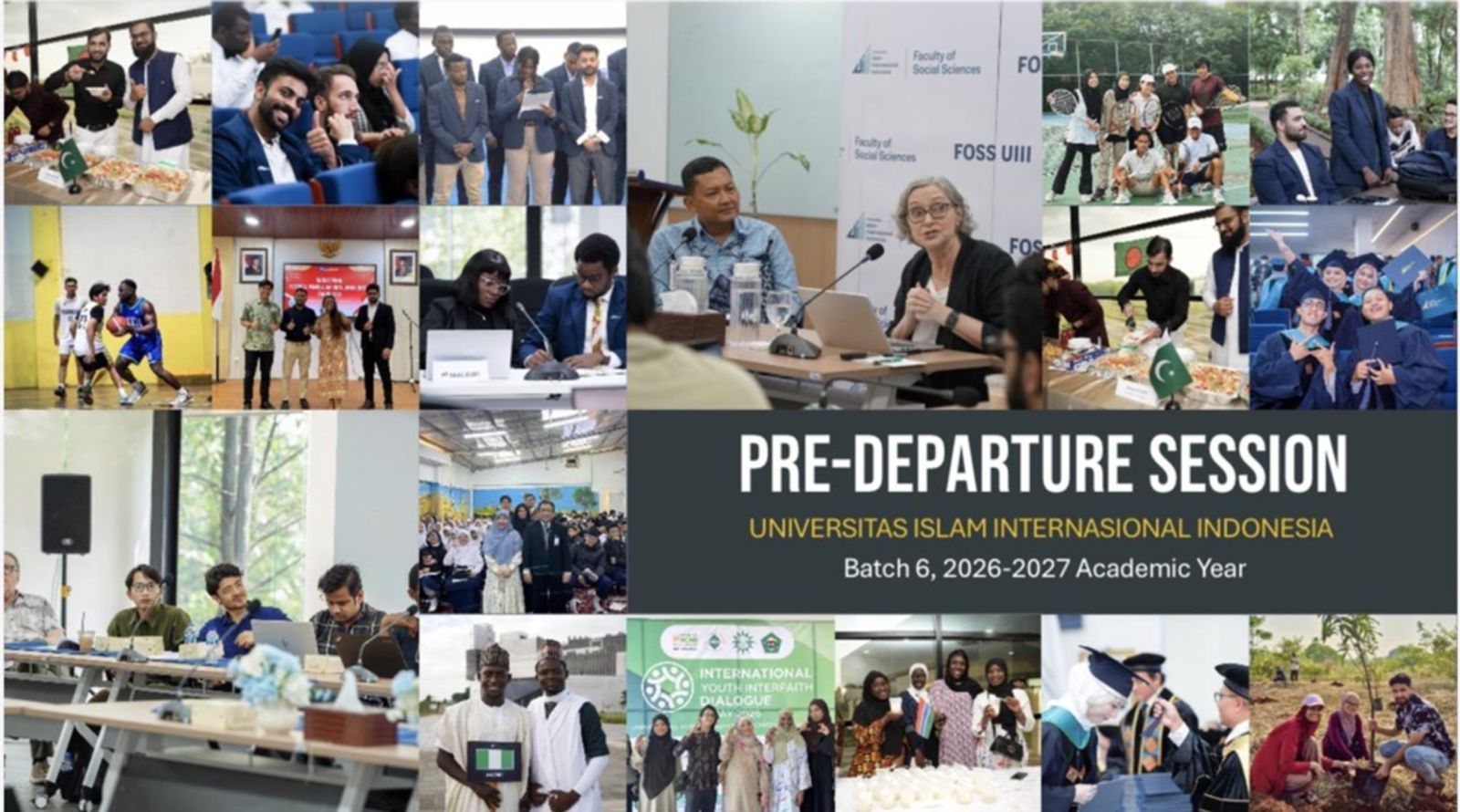
As Rector of Universitas Islam Internasional Indonesia (UIII), Jamhari has continued to institutionalize his vision of international academic exchange. UIII, conceived as a global hub for Islamic studies and social sciences, reflects his commitment to positioning Indonesia as a center of intellectual engagement between the Muslim world and the international community—including Japan.
During his tenure, Jamhari has encouraged academic collaboration with Japanese universities and scholars, reinforcing scholarly networks that transcend national borders. His leadership has emphasized openness, interdisciplinary research, and dialogue—values that align closely with Japan’s own approach to educational diplomacy.
A Recognition of Quiet Diplomacy
Established in 1875, the Order of the Rising Sun is one of Japan’s highest honors for contributions to international relations, public service, and cultural exchange. By honoring Professor Jamhari Makruf, Japan signals that diplomacy is not only conducted by ministers and ambassadors, but also by educators, scholars, and community builders.
Jamhari’s career exemplifies this principle. His efforts have not sought headlines, yet they have shaped perceptions, fostered trust, and built durable bridges between two societies separated by geography but increasingly connected by shared values.
The conferment ceremony, expected to take place in Tokyo in the coming weeks, will celebrate not merely an individual achievement, but a model of diplomacy rooted in education, mutual respect, and sustained engagement—one that continues to define the evolving partnership between Japan and Indonesia. []