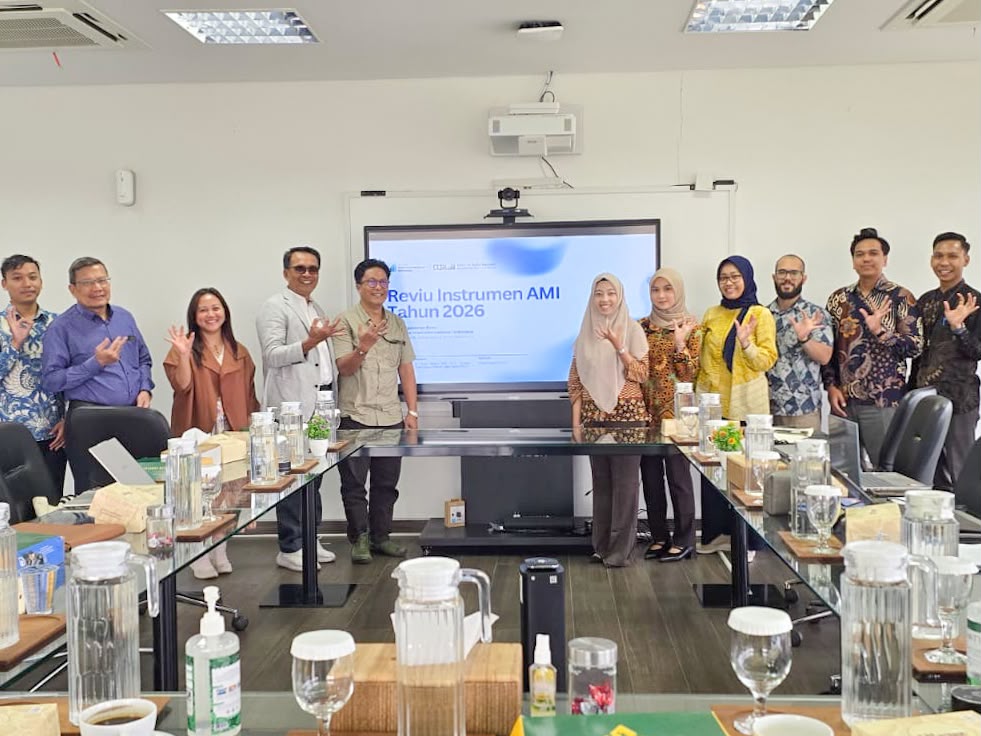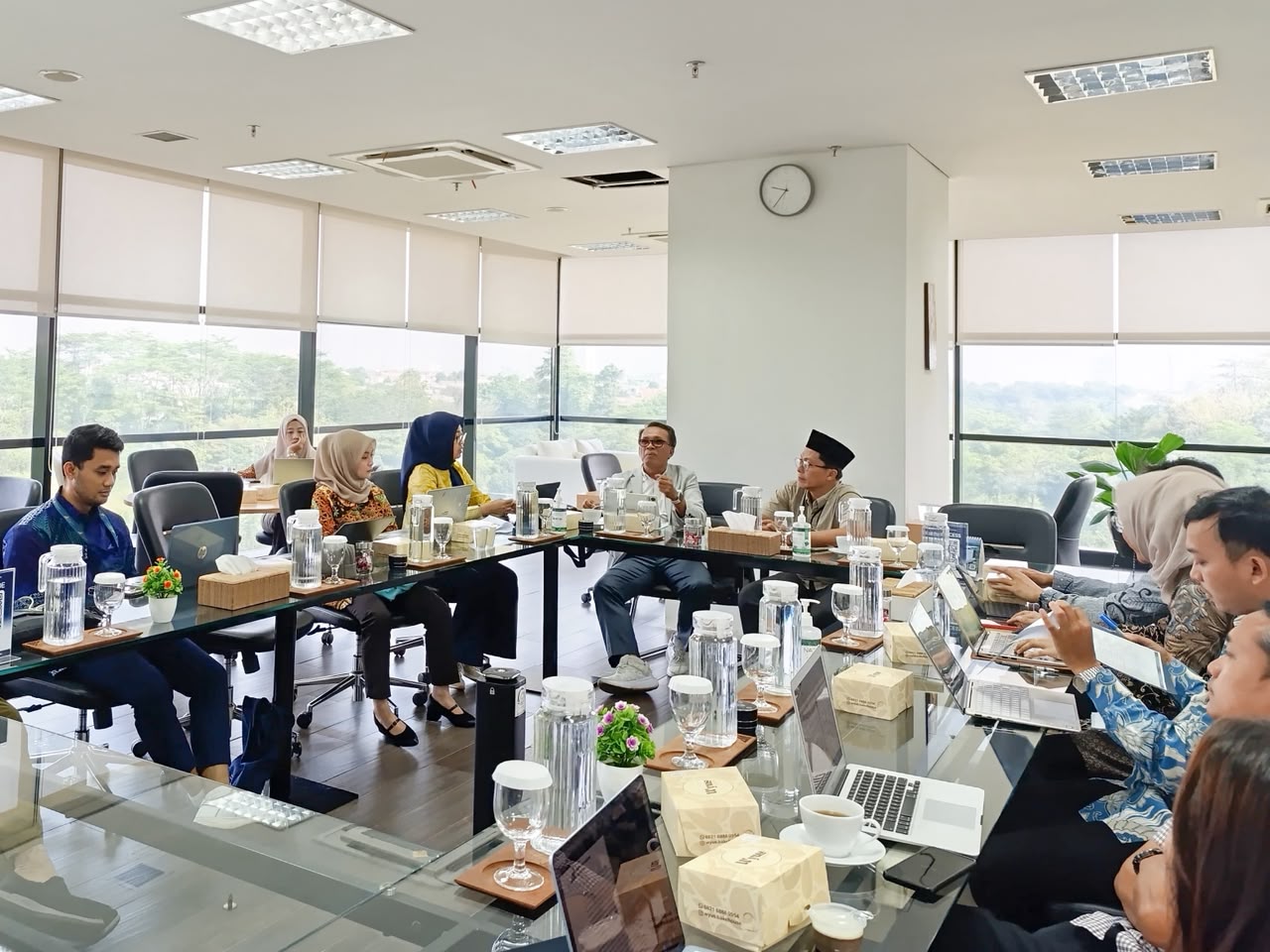
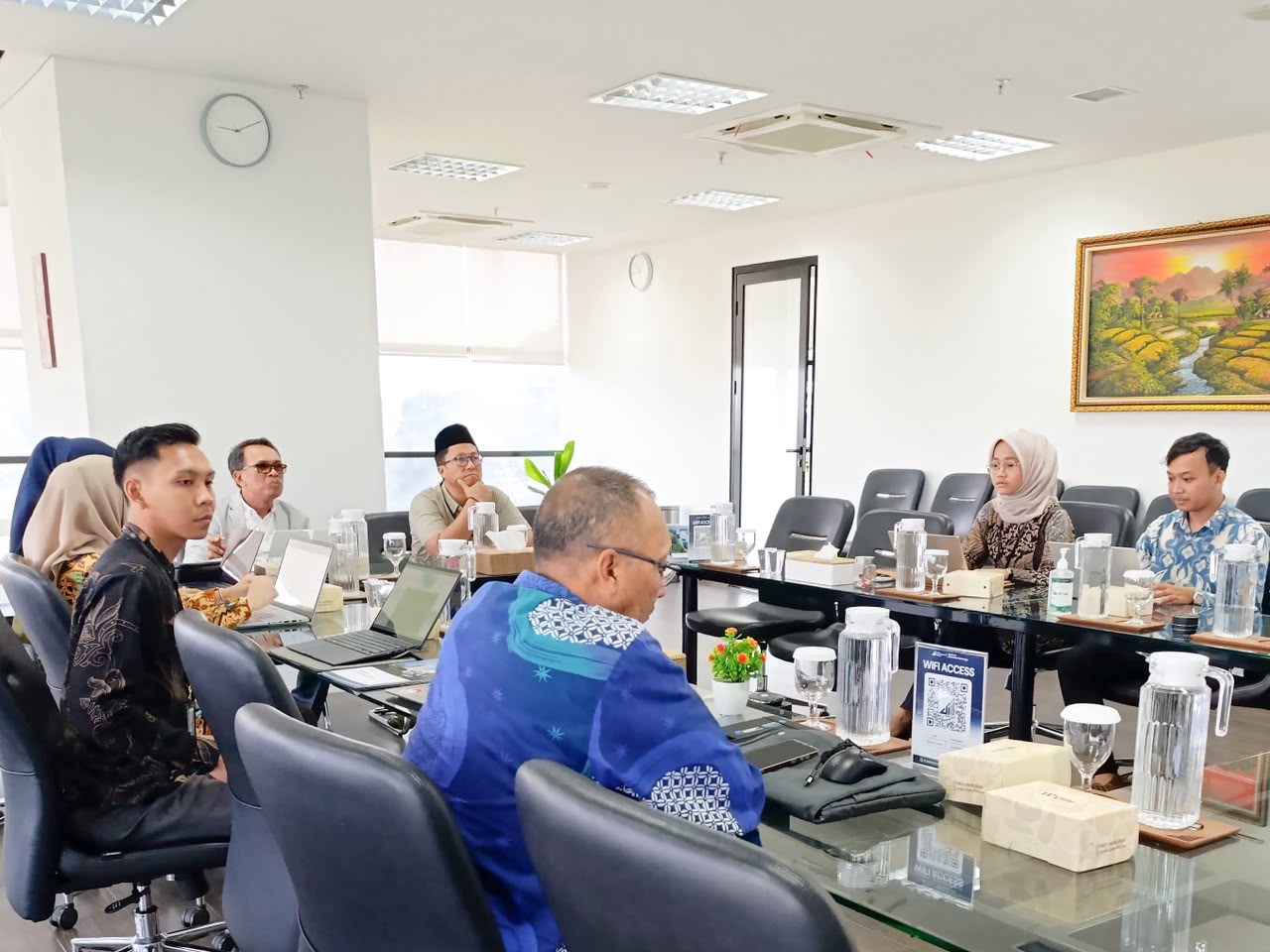
Depok, July 2, 2026 – The Center for Quality Assurance (PPM) of Universitas Islam Internasional Indonesia (UIII) held a workshop on the Review of Internal Quality Audit Instruments for 2026 on Thursday, July 2, 2026, at the Leadership Meeting Room, 4th Floor, UIII Rectorate Building, Depok.
The activity was organized as part of UIII’s preparation for the 2026 Internal Quality Audit (Audit Mutu Internal, AMI), which is scheduled to be conducted from July 30 to August 4, 2026. It also responded to recent developments in national higher education quality assurance policy, particularly the implementation of Permendiktisaintek No. 39 of 2025 on Higher Education Quality Assurance.
The workshop featured Dr. Ir. Fatah Nurdin, MM, Head of the Quality Assurance Unit of Universitas Negeri Jakarta (UNJ), as the main resource person. The activity was attended by Saiful Umam, Ph.D., Director of Research and Cooperation, as well as internal auditors, members of faculty-level Quality Assurance Groups, academic staff, administrative staff, and representatives from relevant university units.
Several internal auditors and university representatives were present, including Dr. Torkis Lubis from the Faculty of Islamic Studies, Testriono, Ph.D. from the Faculty of Social Sciences, Assoc. Prof. Bambang Sumintono, Ph.D. from the Faculty of Education, Assoc. Prof. Charyna Ayu Rizkyanti from the Faculty of Education, and Dr. Muammar Kadafi, Lc., MA, Head of Administration under the Vice Rector for Academic and Student Affairs. Other internal auditors and staff members from faculties, directorates, and PPM also joined the session.
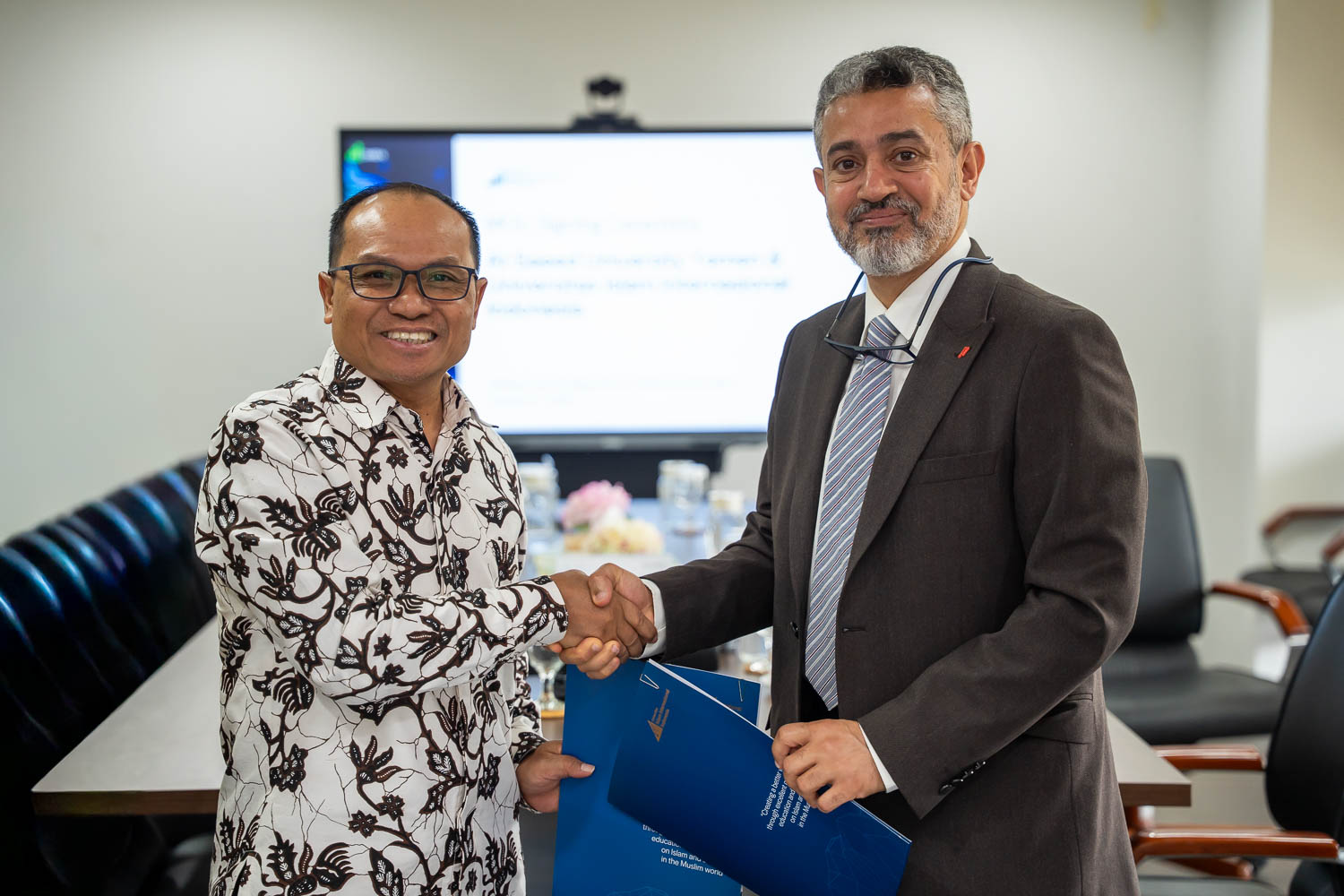
In his opening remarks, Head of PPM UIII R. Alpha Amirrachman, M.Phil., Ph.D., expressed his appreciation to Dr. Fatah Nurdin for his willingness to share UNJ’s experience and expertise in strengthening internal quality assurance. He also thanked all participants for their presence and commitment to supporting the continuous improvement of UIII’s quality assurance system.
Dr. Alpha explained that the review of AMI instruments was not merely a technical activity, but an important step to ensure that UIII’s internal audit process remains relevant, credible, and useful for institutional development. He noted that AMI should help the university understand whether its academic and administrative standards are being implemented properly, while also identifying areas that require improvement.
Dr. Alpha stated that the workshop aimed to identify weaknesses, duplication, and possible misalignment in the existing AMI instruments. The review was also intended to align the audit questions with SN-Dikti, UIII internal standards, BAN-PT and LAM accreditation criteria, and the university’s key performance indicators.
He further emphasized the need to develop a more objective audit rubric based on maturity levels. Such a rubric, he said, would help reduce subjectivity among auditors and make the audit process more consistent across faculties and units. The expected outputs of the activity include a comparative matrix documenting changes and justifications from the old instruments to the revised version, updated AMI forms for the 2026 audit cycle, an improved auditor assessment rubric, and an updated standard operating procedure for AMI implementation.
In his presentation, Dr. Fatah Nurdin underlined the importance of moving from a compliance-based approach toward strategic quality governance. He explained that internal quality assurance should not stop at checking documents or fulfilling formal requirements. Instead, it should become part of a broader institutional effort to improve academic quality, governance, services, and accountability.
He highlighted the PPEPP cycle as the foundation of the Internal Quality Assurance System, namely Setting, Implementation, Evaluation, Control, and Improvement. Within this cycle, AMI plays a crucial role in the evaluation stage because it allows universities to assess whether standards are being implemented consistently and effectively.
Dr. Fatah also reminded participants that good higher education governance must be based on accountability, transparency, effectiveness, efficiency, nonprofit orientation, and continuous quality improvement. He encouraged UIII to ensure that its AMI instruments capture not only formal compliance but also the real quality of institutional processes and outcomes.
In reviewing the existing instruments, he suggested that UIII consider several additional dimensions, including mission differentiation, educational impact, risk-based standards, quality culture, financial accountability, digital infrastructure, student services and well-being, partnerships, prevention and handling of sexual violence, and internationalization. These dimensions, he noted, are increasingly important for universities seeking stronger institutional competitiveness and global relevance.
The session also discussed the need to reduce redundancy and ambiguity in audit questions. Participants reflected on how audit items could be made clearer, more evidence-based, and easier for auditees to respond to. The discussion also touched on the importance of preparing AMI instruments that are compatible with digital quality assurance systems, so that future audits can be conducted more efficiently and supported by reliable data.
Throughout the workshop, participants exchanged views on how the AMI instruments could better support UIII’s institutional priorities. The discussion was practical and focused on ensuring that the revised instruments would be useful not only for auditors, but also for faculties, study programs, and university leaders as they plan improvements.
The workshop concluded with follow-up directions from PPM and a shared commitment to finalize the revised instruments before the 2026 AMI cycle begins. The activity ended with a group photo session. ***