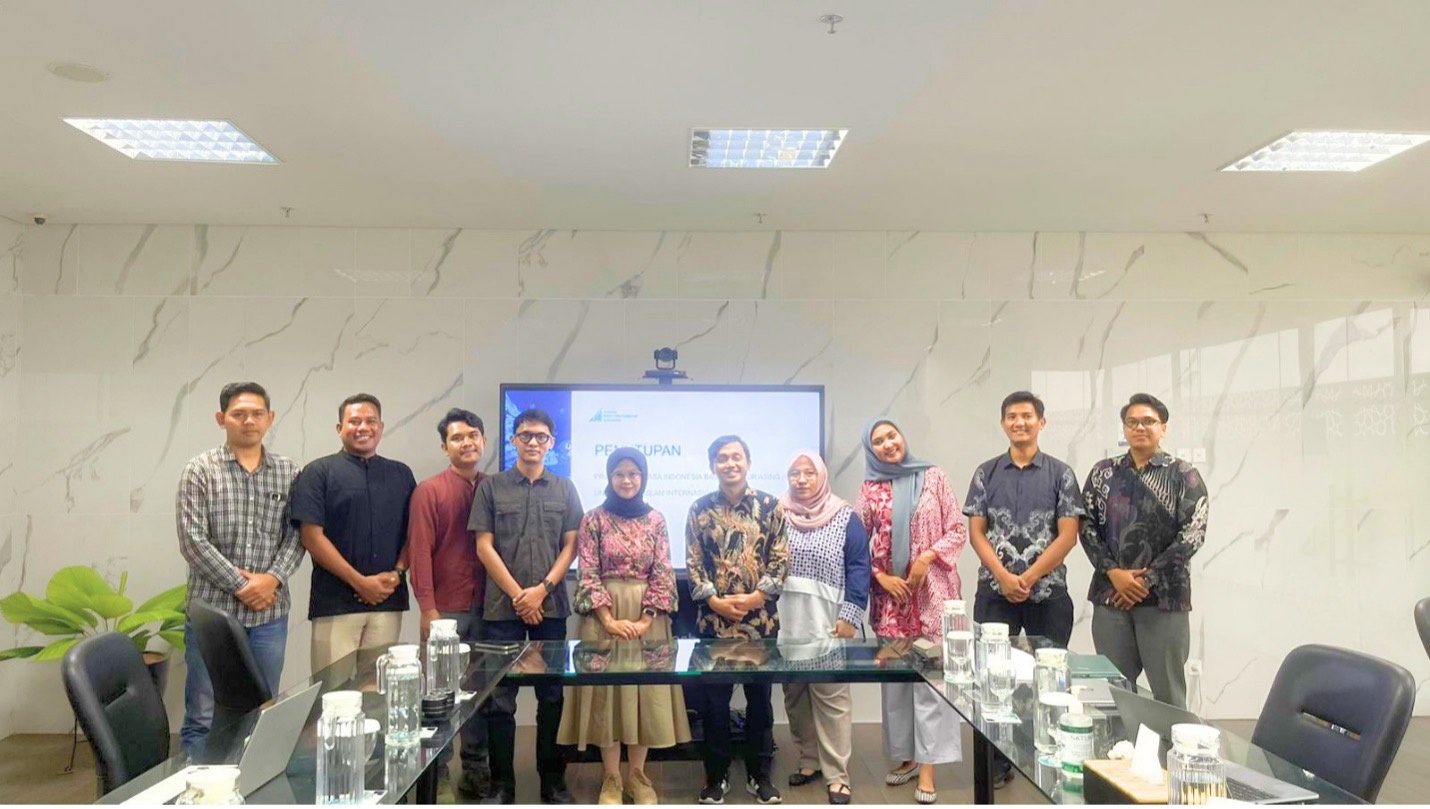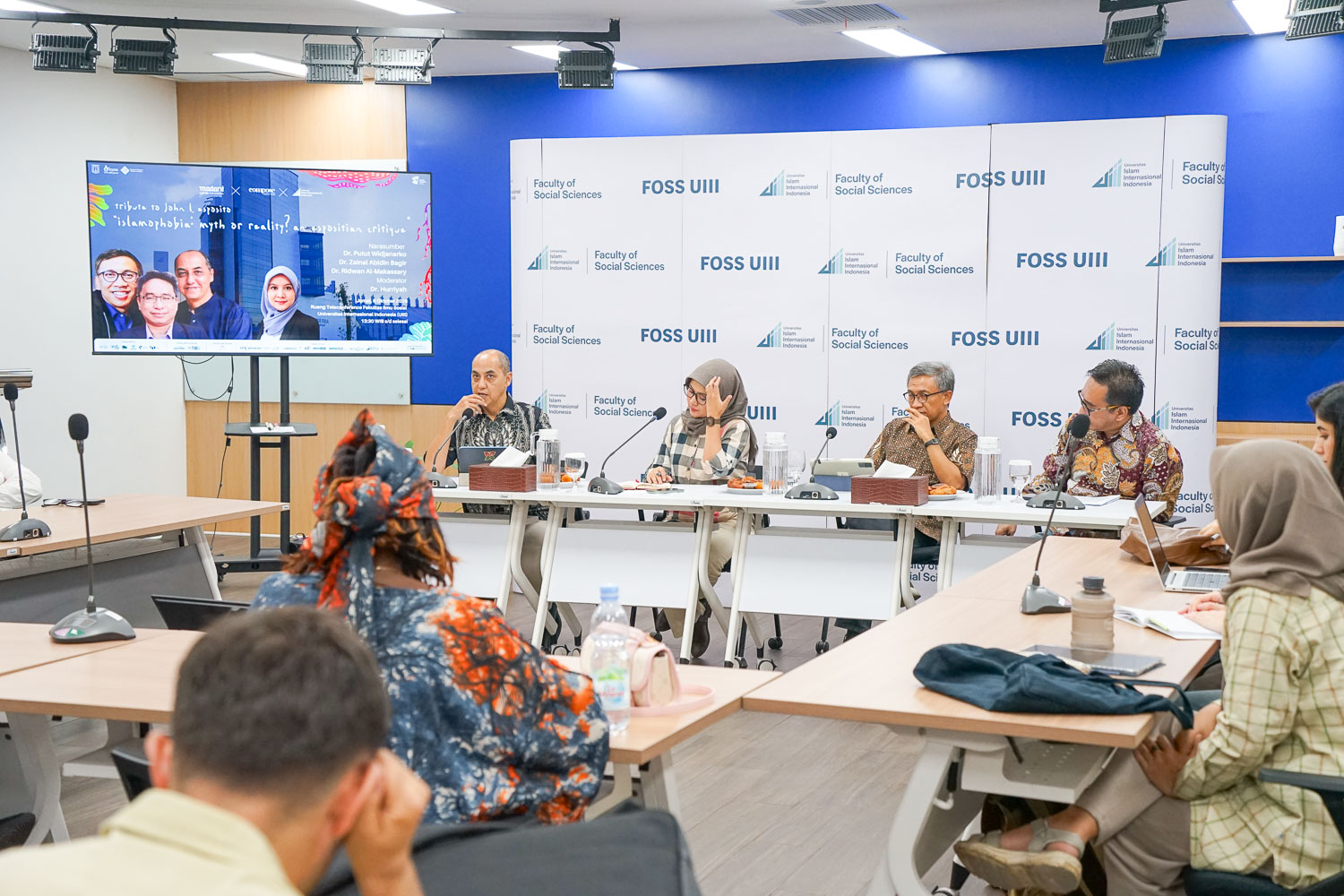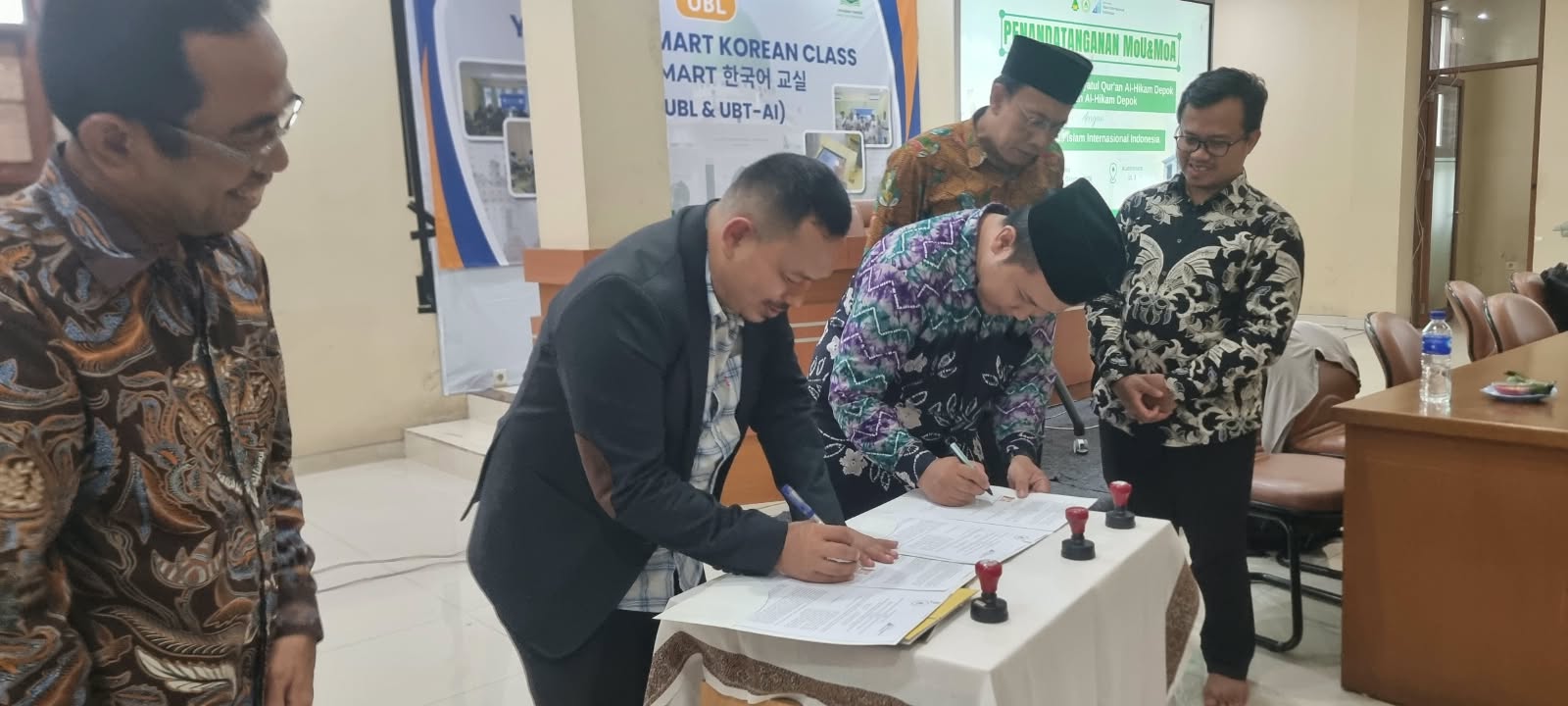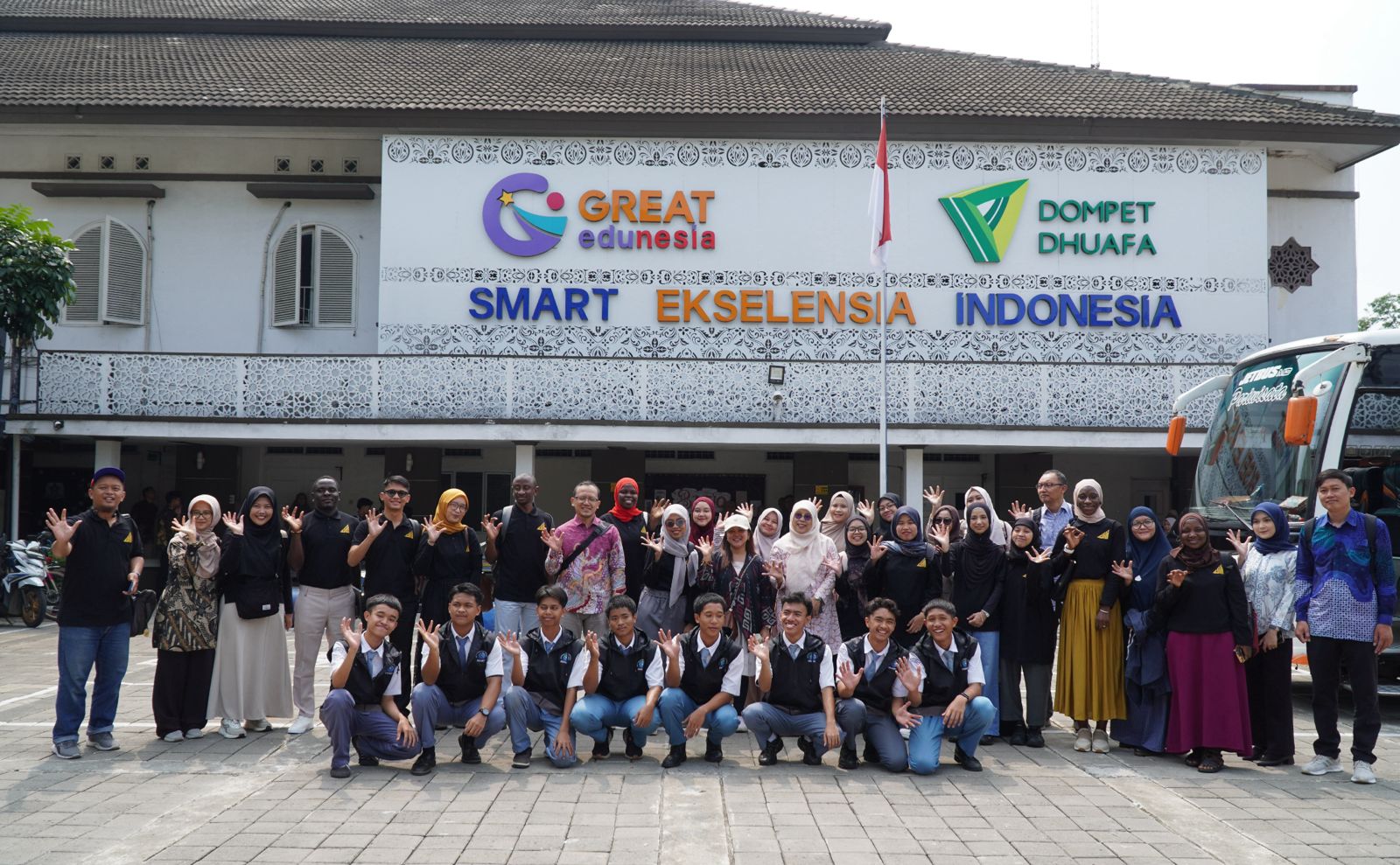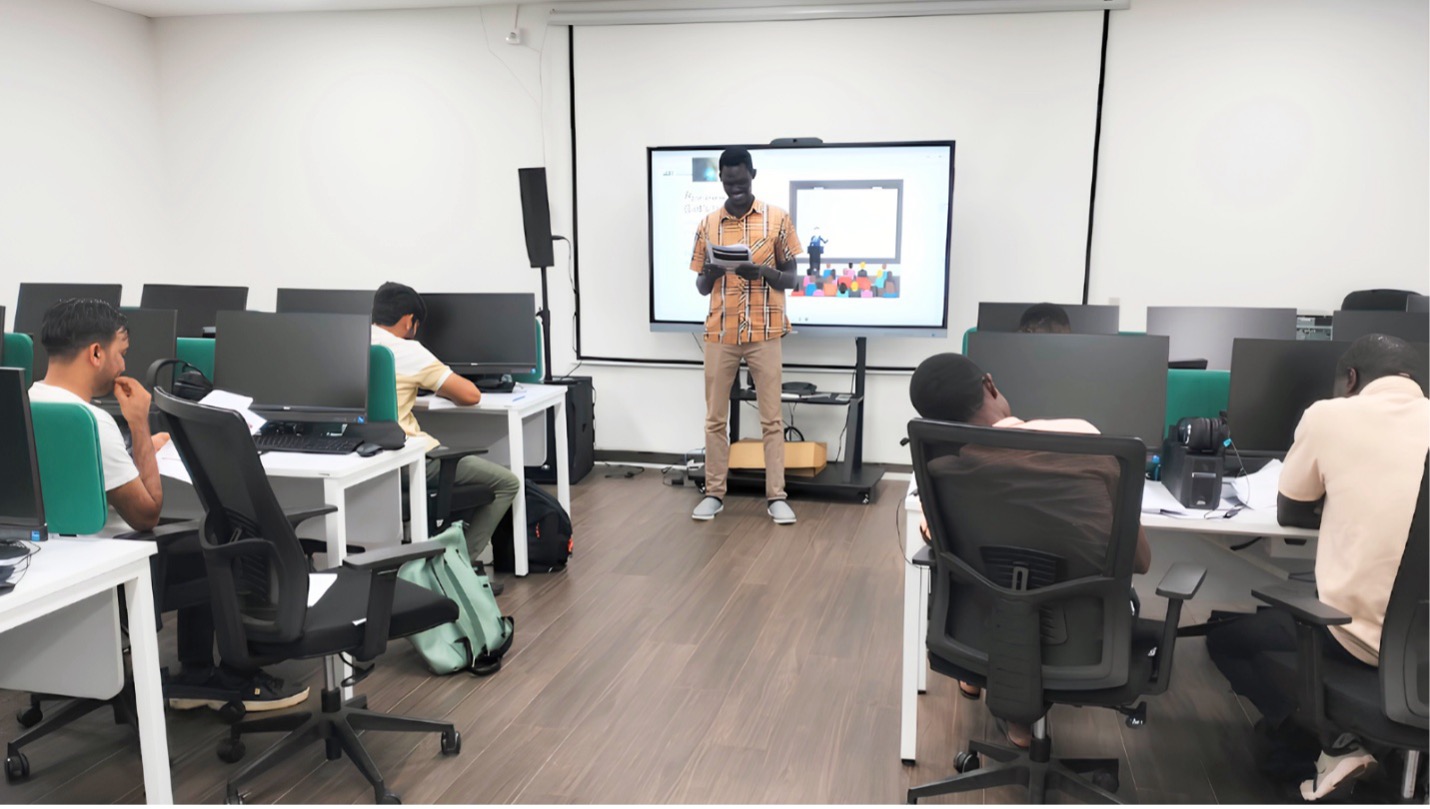
Depok, Indonesia — Universitas Islam Internasional Indonesia (UIII), through the Office for Student Affairs and International Services, has successfully concluded the Bahasa Indonesia untuk Penutur Asing (BIPA) Volunteering Program for the 2025/2026 Academic Year. Held from February to June 2026, the program entered its third consecutive year, further strengthening UIII’s commitment to helping international students improve their Indonesian language skills while becoming more connected with Indonesian culture and society.
BIPA also aims to help international students feel more confident using Bahasa Indonesia in everyday situations, as they live among the people of Depok. Ousainou Kah from Gambia shared that after joining the program, he became more comfortable communicating with local communities in traditional markets, campus facilities, dormitories, and other public spaces.
With a participatory and communicative approach, the classes encouraged students to use Bahasa Indonesia in practical ways. Through conversations, role-playing, interactive activities, and real-life communication practice, students built language confidence both in and beyond the classroom.
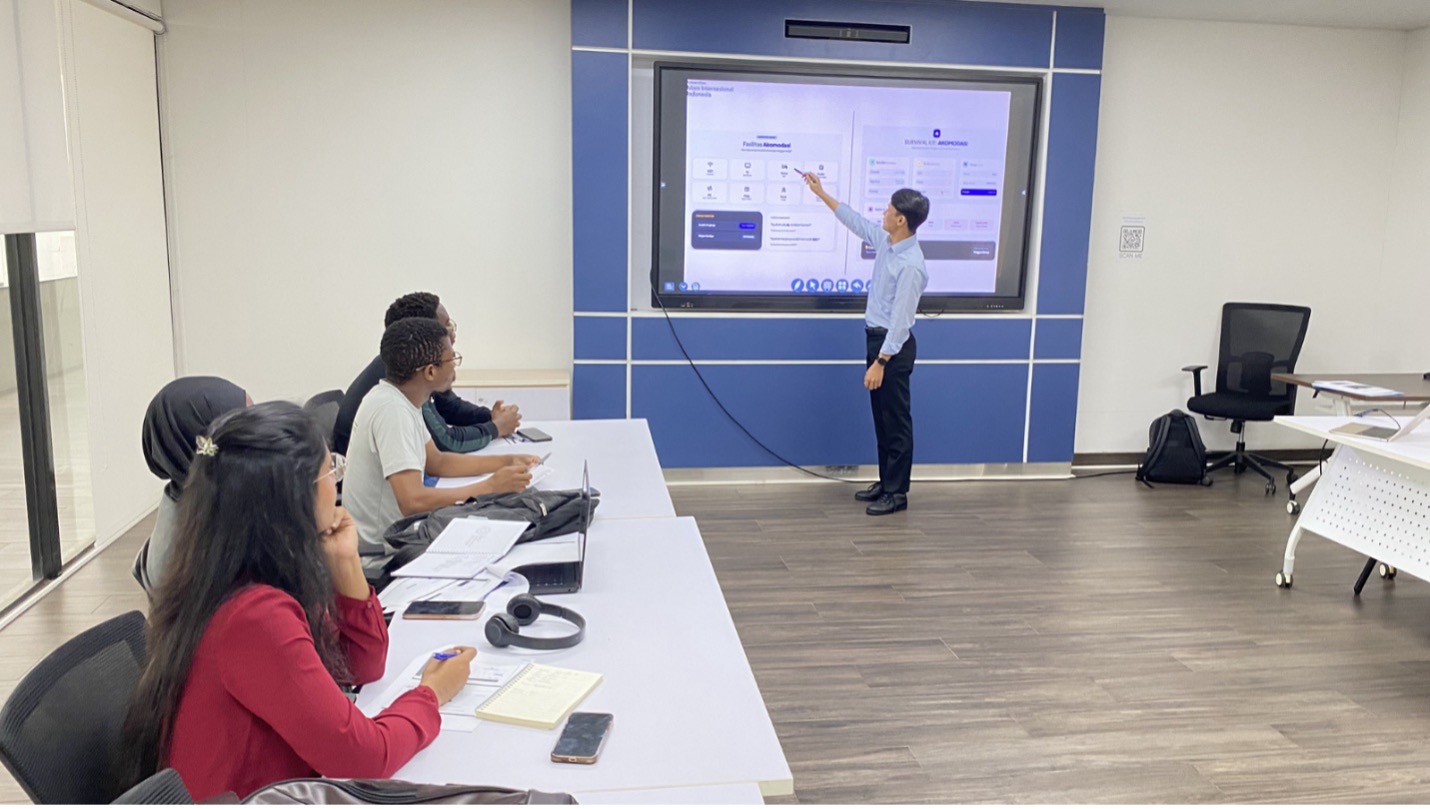
This year’s program was designed mainly for international students from the 2025/2026 academic year, while also welcoming several students from the previous cohort. To create a more supportive learning environment, participants were grouped into ten small classes, giving them the chance to learn more closely with their volunteer instructors. The teaching team included seven postgraduate students and three university staff members, reflecting UIII’s strong spirit of collaboration in supporting student development and community engagement.
The volunteer teaching team consisted of Ramli, Ph.D. in Education; Hasnan Yasin, Ph.D. in Education; Rahayu, Ph.D. in Education; Aliva Erhan Sefira Asrikamongga, M.A. in Education; Agus Suprapto, M.A. in Education; Miftahul Mahrus, Ph.D. in Education; Ade Husna Aminudin, Ph.D. in Education; Fachrul Hafiits Rinaldi from the Directorate of Research and Cooperation; Rivaldy Sandika Putro from the Office for Student Affairs and International Services; and Kusdarmawan Nur Ilham from the UIII Library.
The volunteer was chosen through a competitive recruitment process that included administrative screening and micro-teaching, the volunteers stood out among many applicants. Before classes began, they also joined an onboarding session on 19 February 2026 to prepare for classroom teaching and meaningful interaction with students.
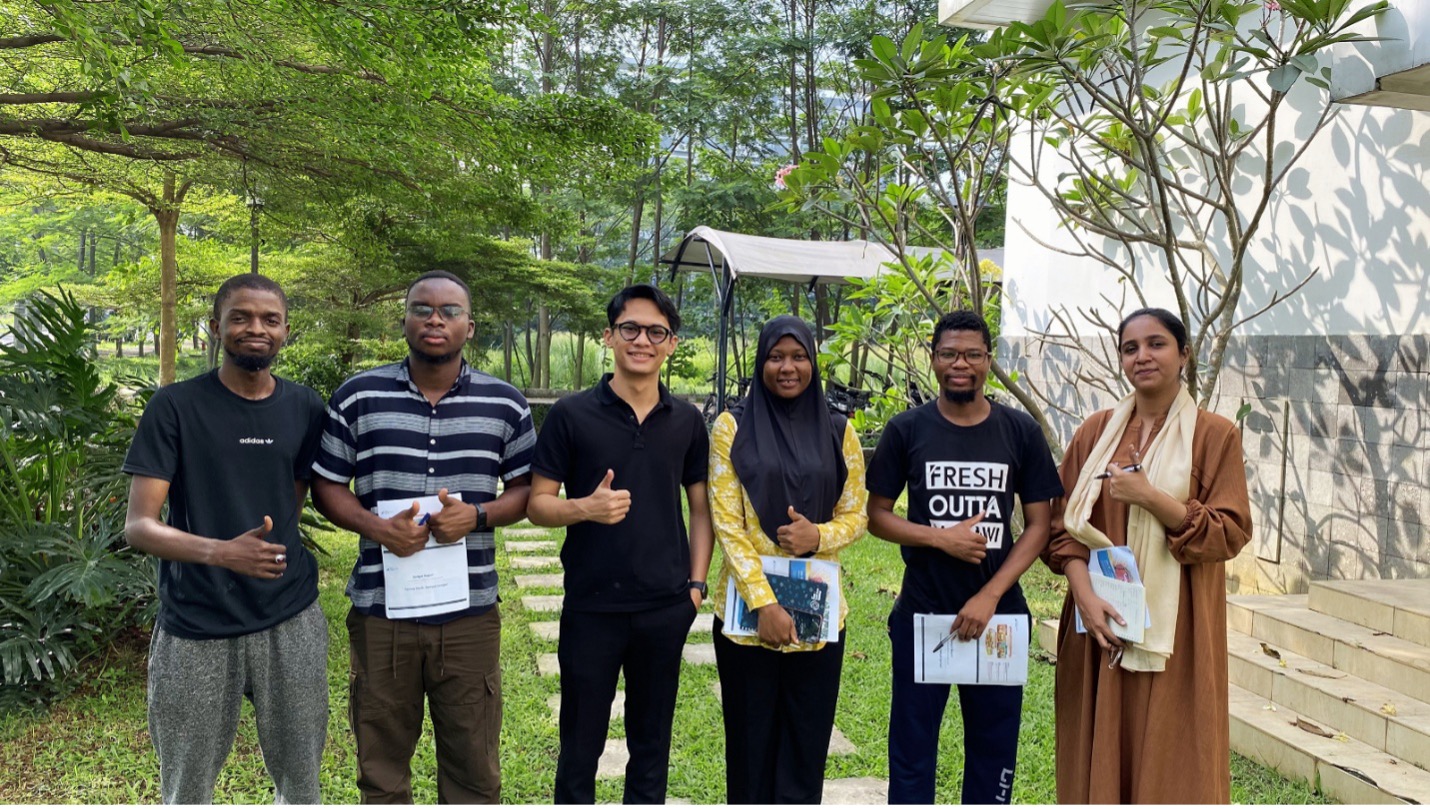
The volunteer-based model became one of the program’s key strengths. By involving both administrative staff and students as instructors, BIPA created meaningful collaboration across the university community. At the same time, it gave volunteers valuable opportunities to strengthen their teaching experience and intercultural communication skills.
The 2026 program recorded encouraging improvements compared to the previous year. The completion rate increased to 90.77%, up from 85.87% in 2025, while participant satisfaction also rose, with 90.56% of respondents reporting high satisfaction with their volunteer instructors, compared to 89% in the previous year.
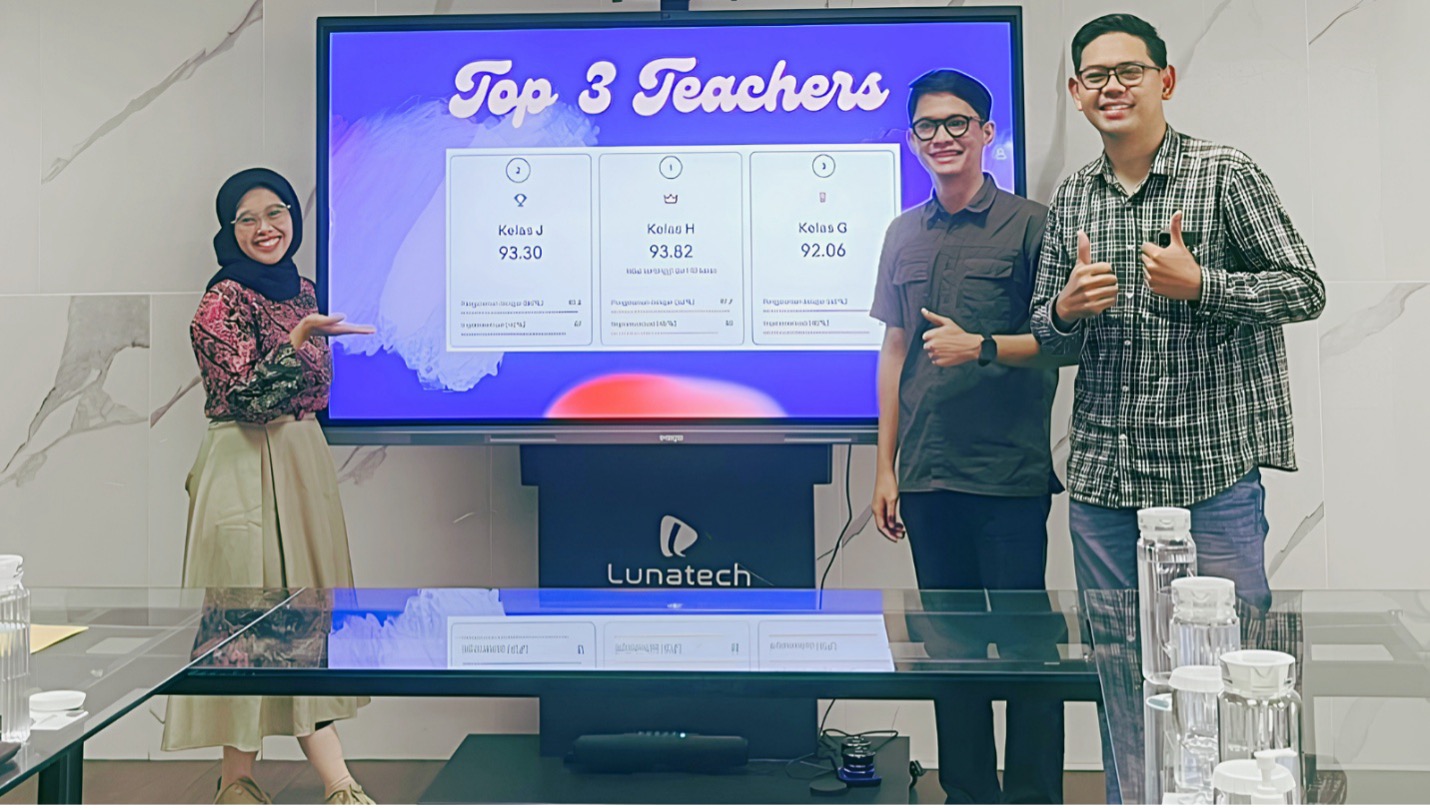
The program also recognized several volunteer instructors for their outstanding contributions. Based on the overall evaluation of classroom implementation and student learning experiences throughout the program, Miftahul Mahrus (Class H) achieved the highest overall score of 93.82 percent, followed by Ade Husna Aminudin (Class J) with 93.30 percent and Agus Suprapto (Class G) with 92.06 percent. The recognition reflects their consistent ability to facilitate engaging, student-centered learning while creating positive and supportive classroom experiences for international students.
The successful implementation of the BIPA Volunteering Program highlights UIII’s commitment to building an inclusive learning environment where international students can grow academically, socially, and culturally.
Looking ahead, feedback from participants and volunteer instructors will help guide the continued development of the program so it can become more structured, sustainable, and institutionalized at UIII.
With another successful cohort completed, the BIPA Volunteering Program continues to show that learning a language is not only about vocabulary and grammar. It is also about building connections between people, cultures, and communities, turning every classroom into a shared space for understanding and growth.