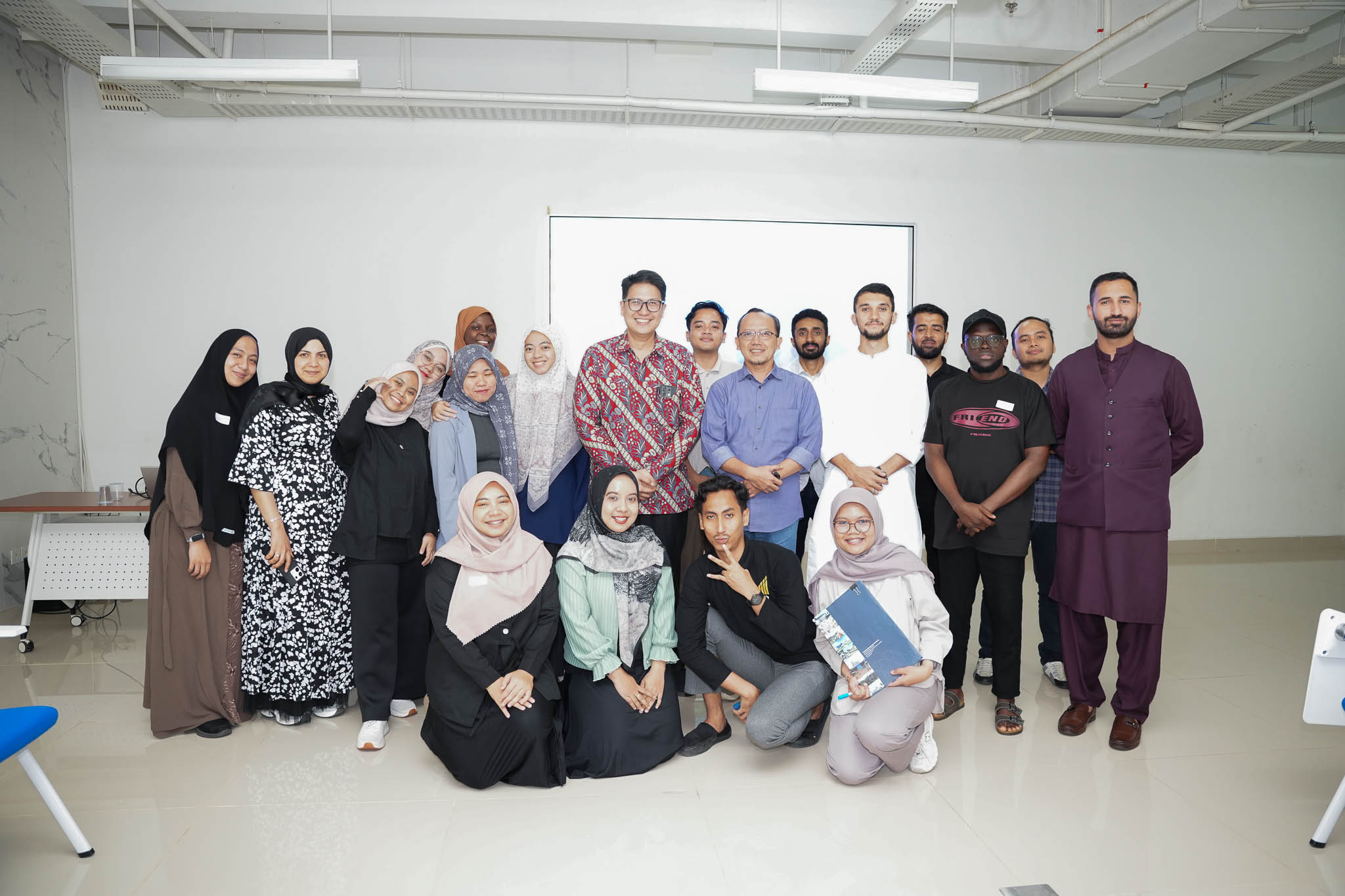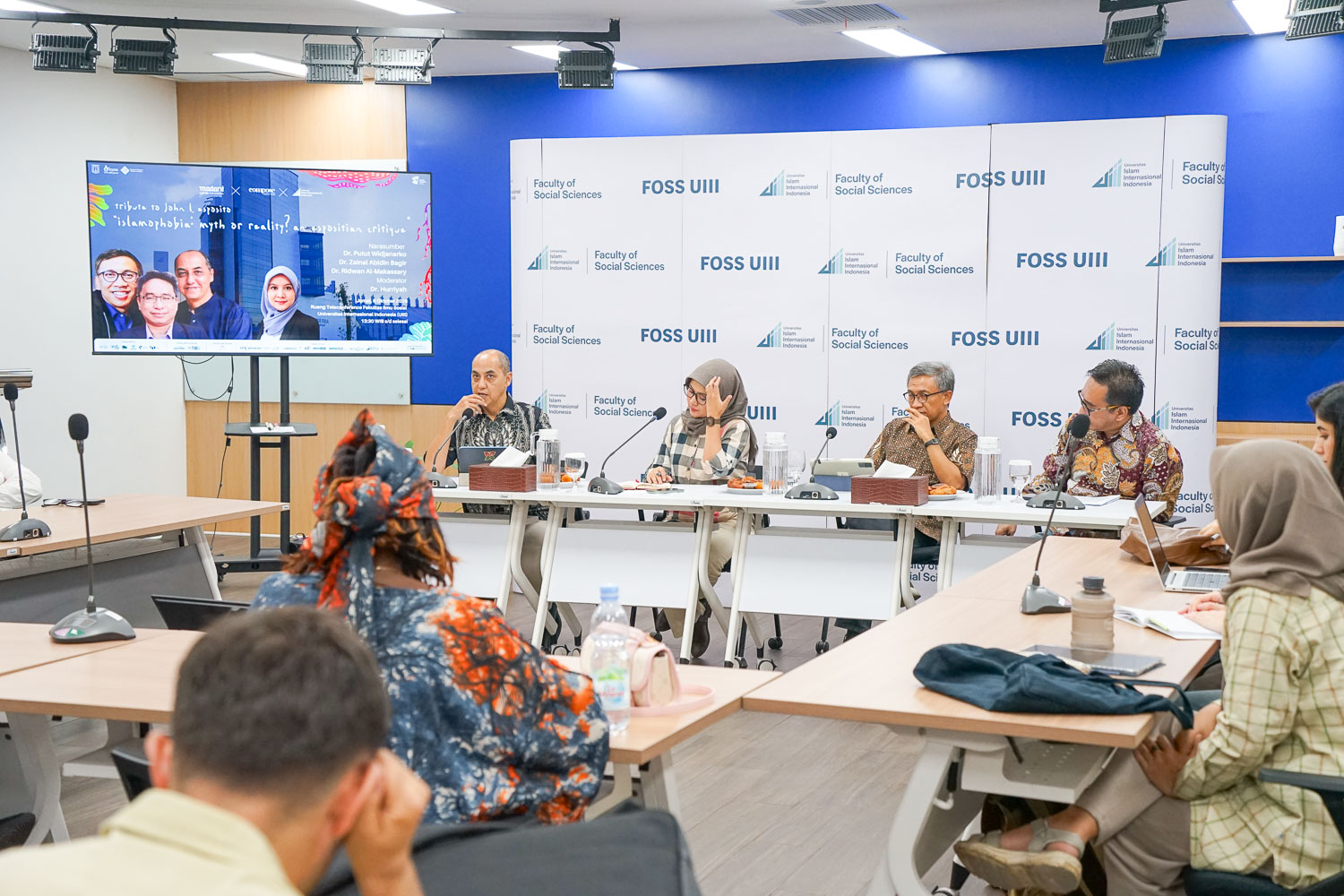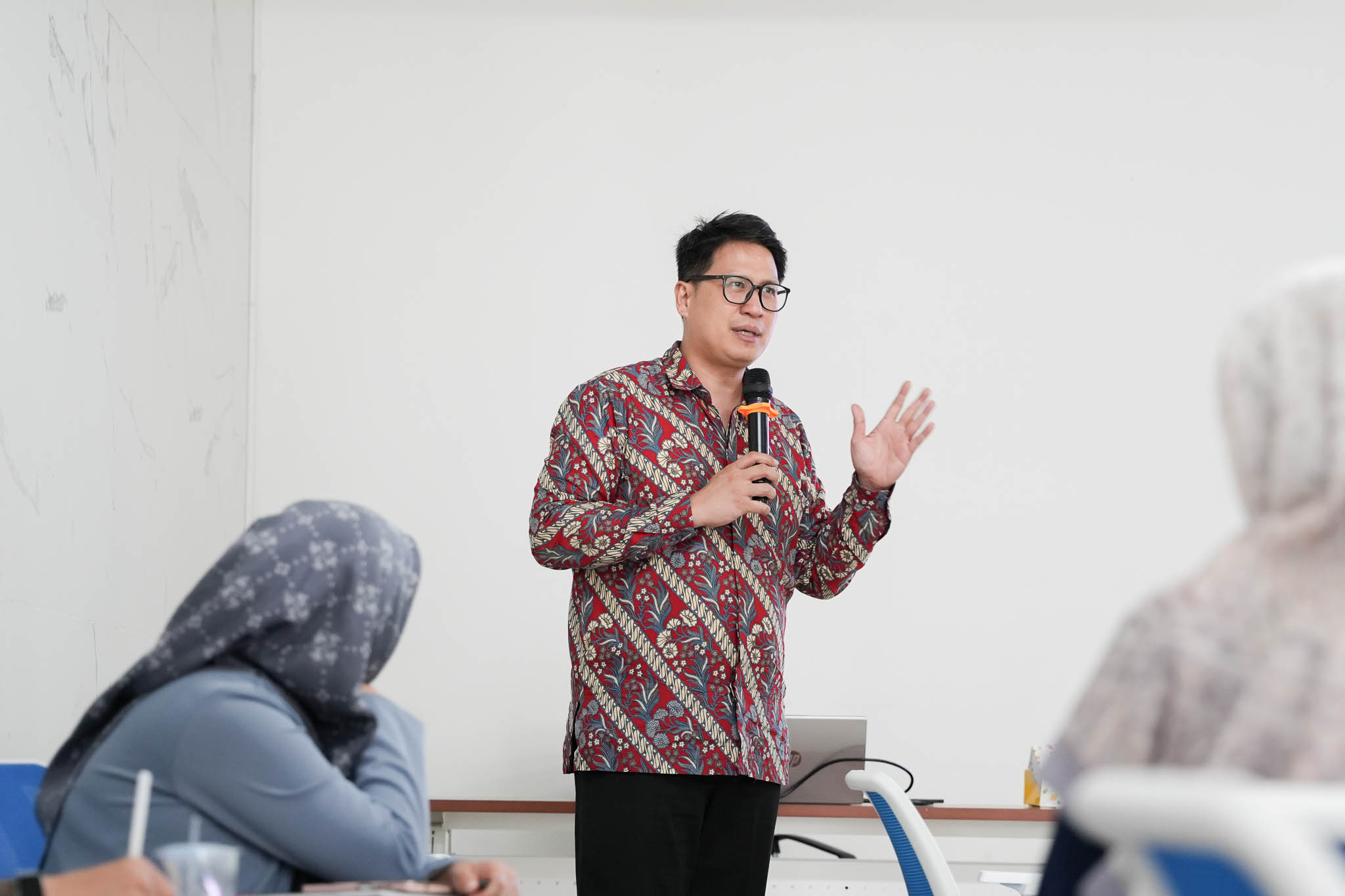
In an effort to bolster student resilience against the rigors of higher education, Counseling and Mental Health Services (CMHS) UIII recently hosted an intensive workshop focused on psychological well-being and academic pressure management.
A mental health workshop on coping strategies recently drew voluntary participation from students across university faculties, providing a safe and supportive space to share concerns and build resilience. The session, titled Coping Skills Toolbox, featured psychologist Nathanael E.J Sumampouw and focused on how students can remain resilient amid the demands of higher education.
Muhammad Usama, a student at the Faculty of Islamic Studies, described the session as highly beneficial. “This session is very informative. I learned new skills to cope with pressure and how to adjust to new challenges — how to face my academic and personal issues in life, and how to find strategies that can help me in dealing with academic problems,” he shared.
“This is a safe place to share thoughts, fears, and concerns — and the people here can help because they are experts.”
Muhammad Usama
Usama also highlighted the importance of the workshop’s non-judgmental atmosphere. “This kind of workshop is important because it gives us a space to share our thoughts and feelings without any fear of judgment. Whoever comes here comes voluntarily. This is a safe place to share thoughts, fears, and concerns — and the people here can help because they are experts,” he added.
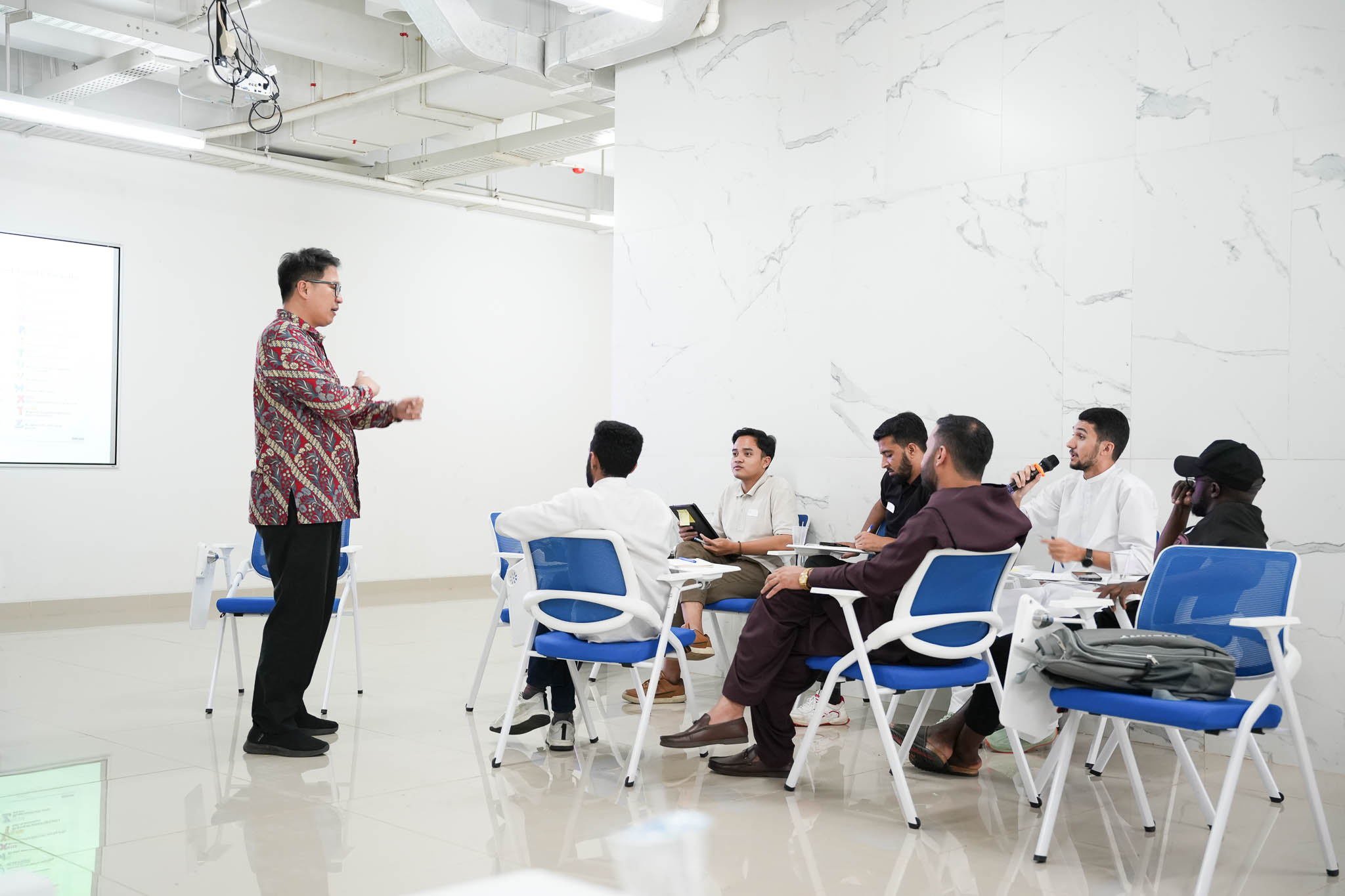
Psychologist Nathanael E.J Sumampouw explained that the workshop was designed with a clear purpose: to support students — many of whom are far from their families and hometowns — in taking ownership of their own mental well-being.
“Students are being released to reach their futures, and what’s important is that they pay attention to their mental health. Many of them are far from family, even from outside the region,” said Sumanpow.
Sumampouw emphasized that student life inevitably comes with struggles. “The idea is that they are responsible for themselves — they are the ones who must do something, because this journey will certainly have many problems. It won’t always be smooth sailing. But the core idea is how they can get back on track and maintain their mental health,” he explained.
He also encouraged students to stay actively engaged in healthy habits as key tools in maintaining their mental well-being, including rest, worship, exercise, and mindfulness.