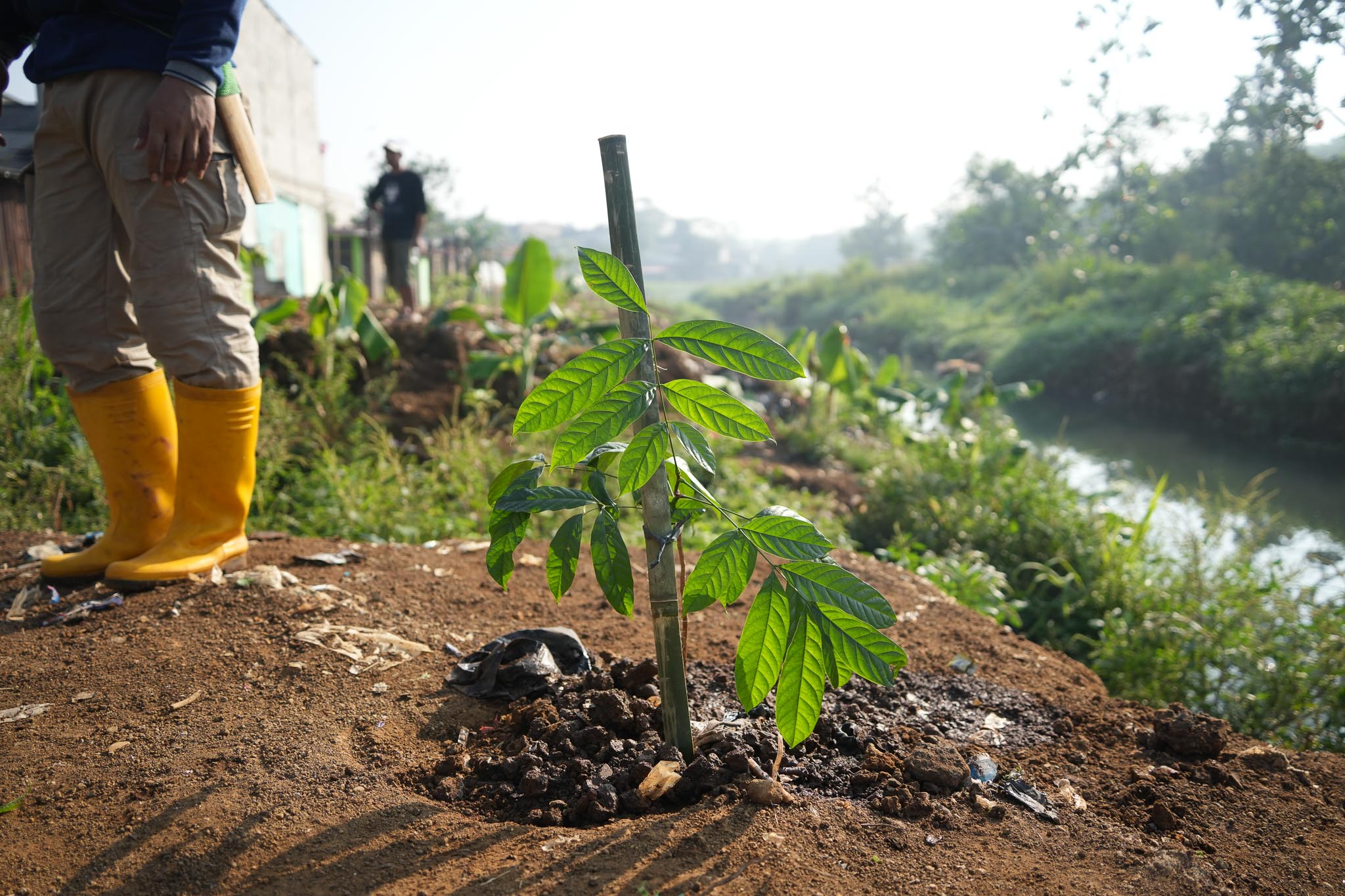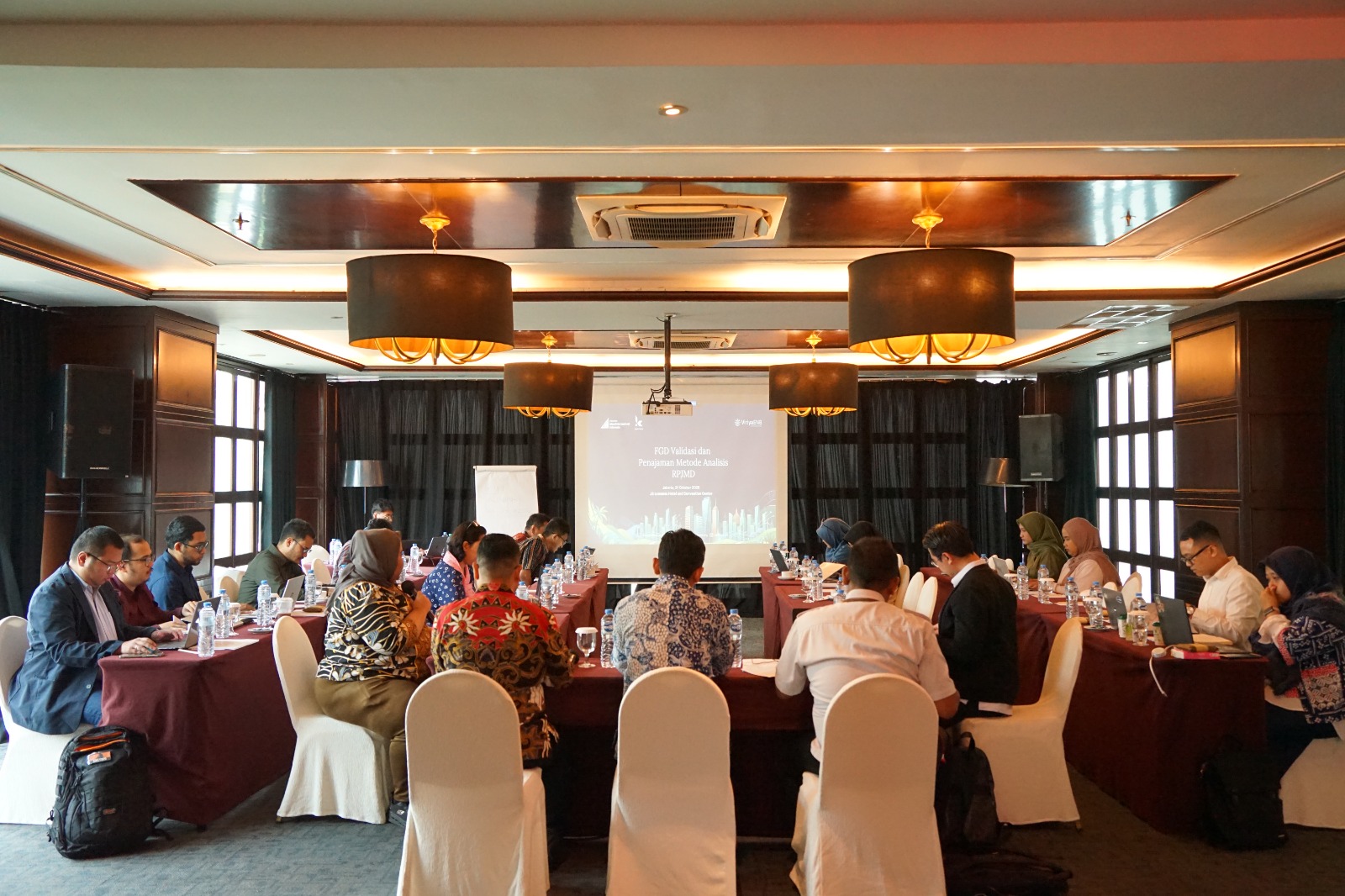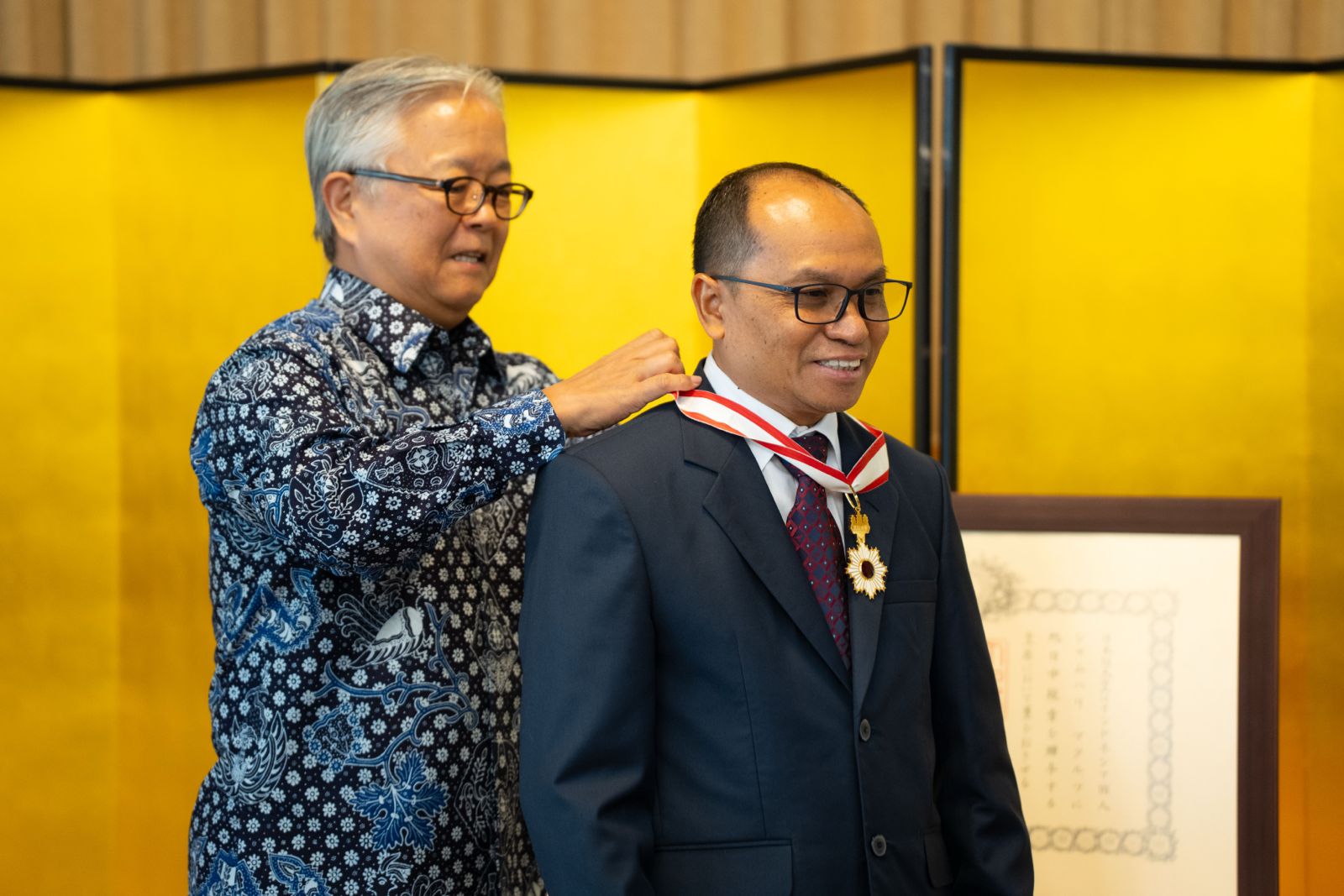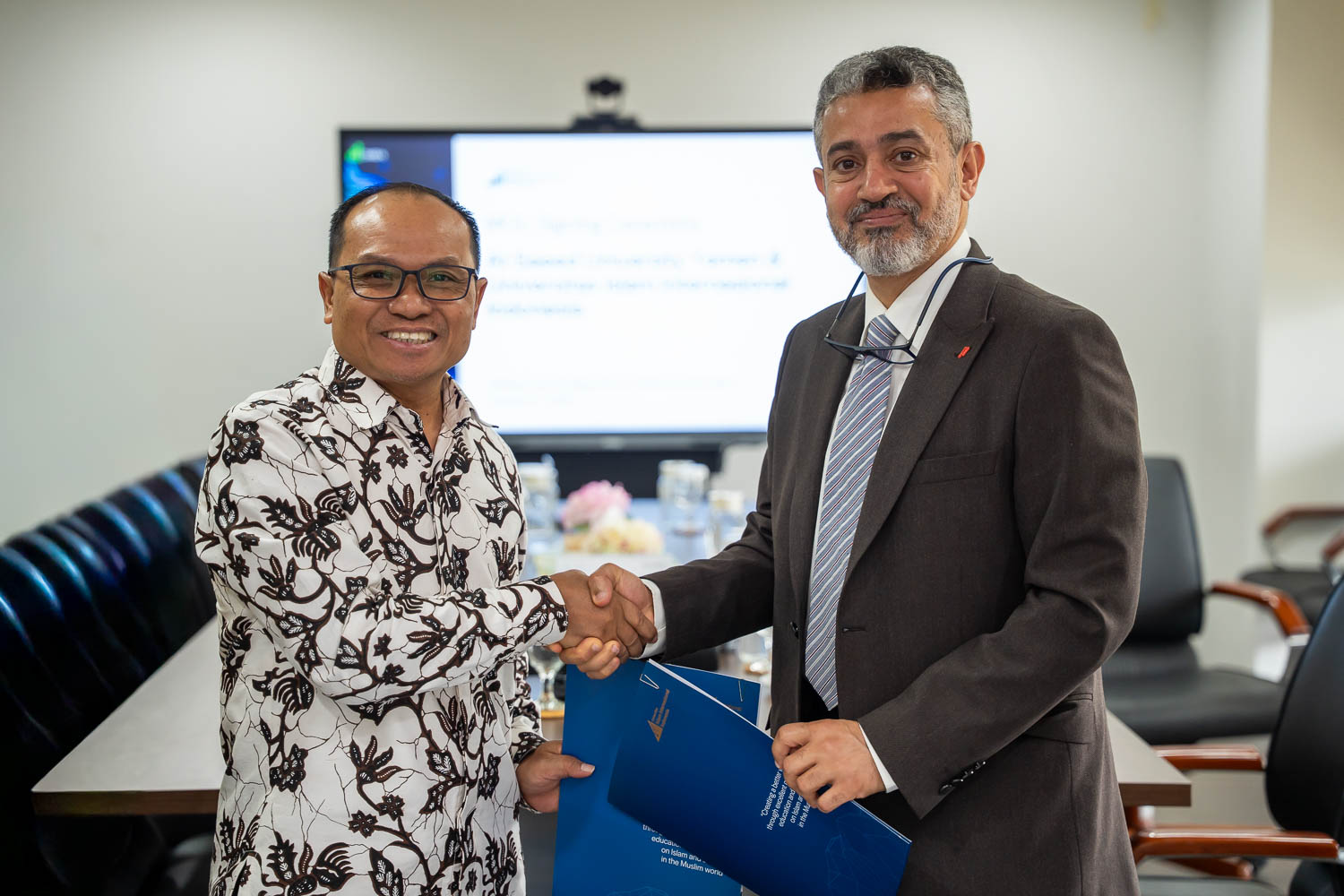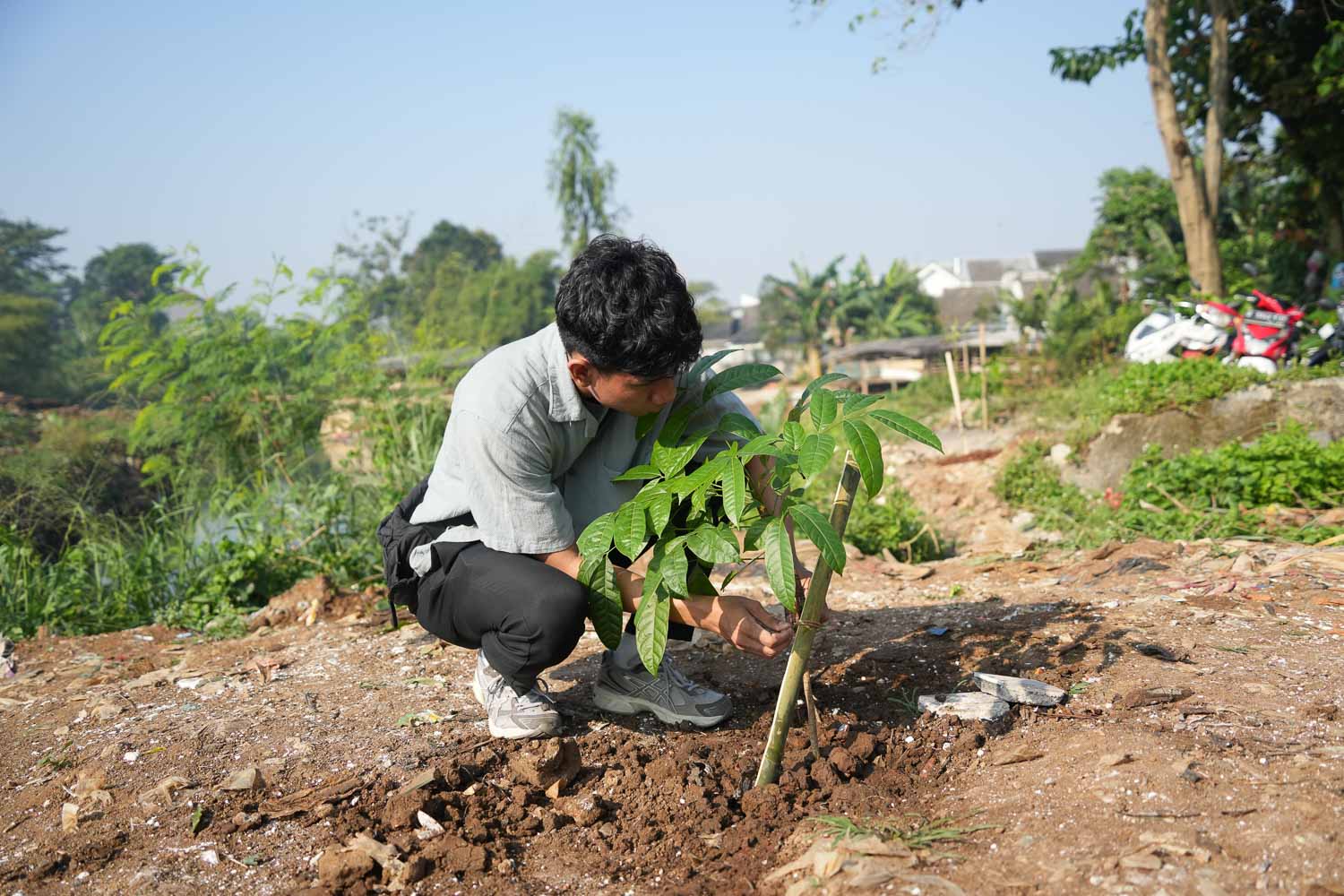
Depok, 19 June 2026 — Universitas Islam Internasional Indonesia (UIII), in collaboration with the Baktijaya Village Administration and Sukmajaya District Office, organized a community cleanup and tree-planting program on Friday (19/6) as part of a shared commitment to environmental sustainability, community engagement, and the development of a greener future for both the university and its surrounding communities.
Held along the banks of the Cijantung River and in areas adjacent to the UIII campus, the initiative brought together representatives from the Baktijaya Village Administration, Sukmajaya District Office, neighborhood leaders (RW and RT), community organizations, security personnel, UIII faculty and staff, and local residents.
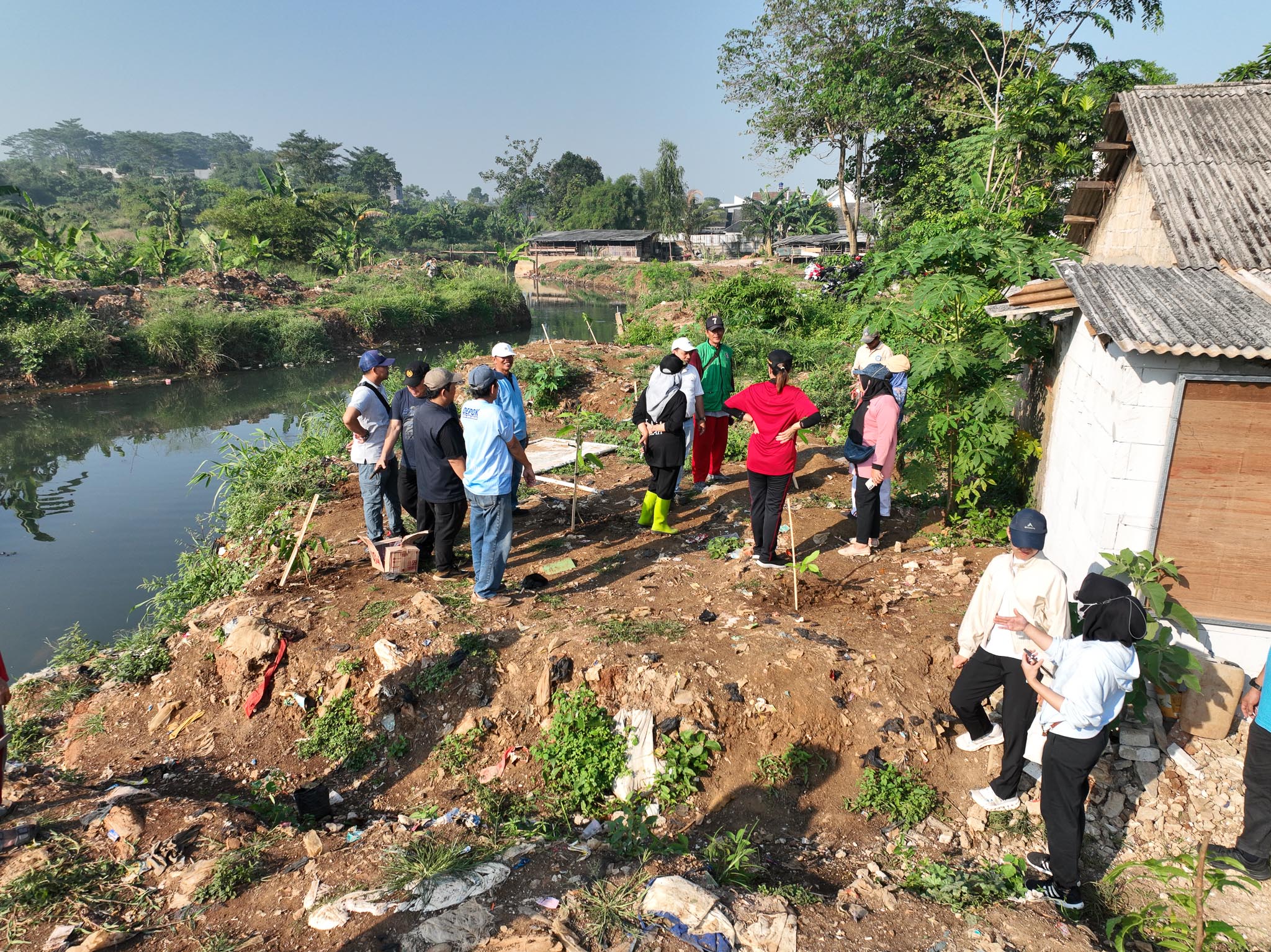
The program was launched to support ongoing efforts to improve environmental cleanliness, preserve natural ecosystems, and create a greener, healthier, and more comfortable environment within the UIII campus area and the neighboring communities of Baktijaya Village, Sukmajaya District, Depok City.
Participants worked together to clean public spaces, remove waste from riverbank areas, and plant trees as part of a long-term effort to enhance environmental conservation and strengthen public awareness of sustainable practices. The activity also contributes to improving biodiversity, increasing green open spaces, and promoting ecological resilience in the area.
Beyond its environmental objectives, the initiative carries strategic significance as part of the growing partnership between UIII and local stakeholders. Several of the areas involved in the cleanup and tree-planting activities are located near zones designated for the future development of the UIII campus. As the university continues to expand its academic and research infrastructure, UIII remains committed to ensuring that campus development goes hand in hand with environmental stewardship and community well-being.
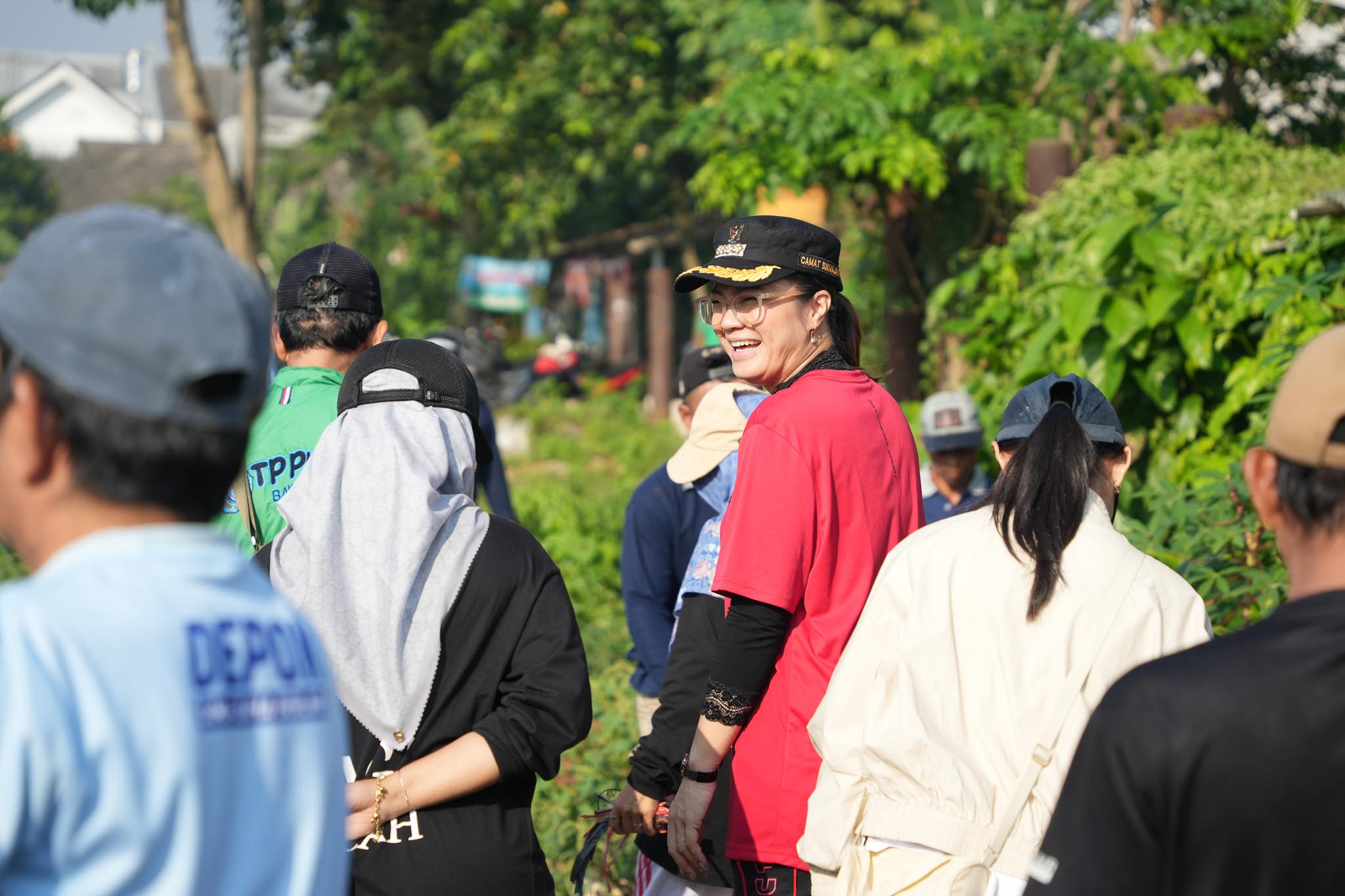
The collaboration reflects UIII’s vision of fostering mutually beneficial relationships with surrounding communities and government institutions. Rather than viewing campus development solely as a physical expansion project, the university seeks to integrate sustainability, social responsibility, and community participation into its long-term growth strategy.
“This activity demonstrates how universities, government institutions, and local communities can work together to address shared environmental challenges,” UIII Rector Prof. Jamhari said. “The future of sustainable development depends on partnerships that combine knowledge, public participation, and collective action.”
The Baktijaya Village Administration welcomed the initiative and expressed appreciation for UIII’s active contribution to environmental improvement efforts in the area. The partnership is expected to become a foundation for future collaborations in environmental management, community empowerment, and sustainable urban development.
The UIII University secretary Dr. Chaider Bamualim said that the program also supports UIII’s broader commitment to becoming a Green Campus that promotes sustainability through education, research, institutional practices, and community engagement. “As an international university established by the Government of Indonesia, UIII seeks to contribute not only to academic excellence but also to addressing pressing societal and environmental challenges,” he said.
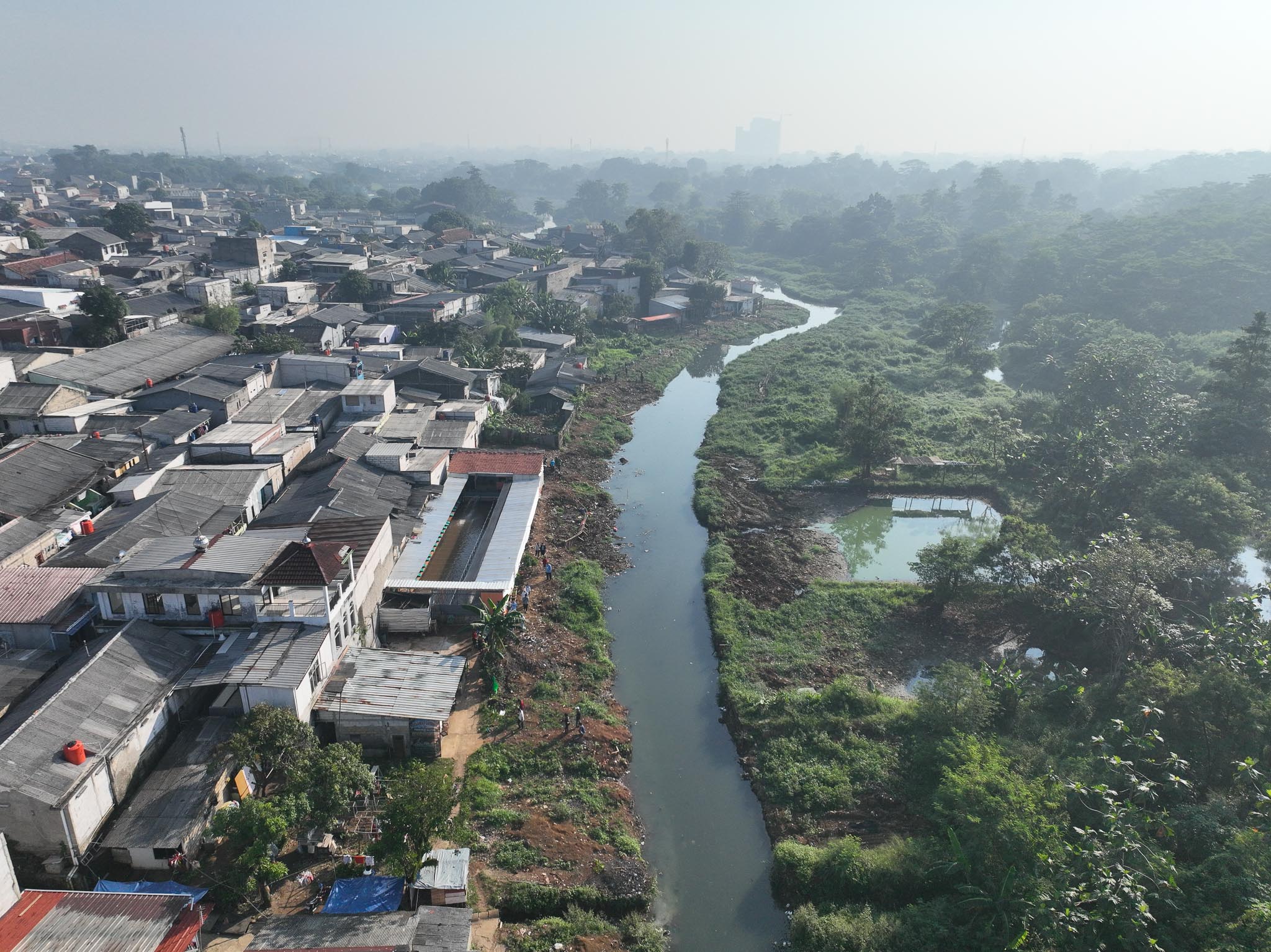
By bringing together local government, community leaders, residents, and members of the university, the cleanup and tree-planting program demonstrated the power of collective action in creating positive change. “More importantly, it reinforced a shared vision that the future development of the UIII campus and the surrounding communities should be pursued through collaboration, sustainability, and a common commitment to environmental preservation,” said M. Nurhidayat, the UIII caretaker.
Through initiatives such as this, UIII continues to strengthen its role as a responsible neighbor, a partner in local development, and a catalyst for building a greener and more sustainable future for Depok and beyond.