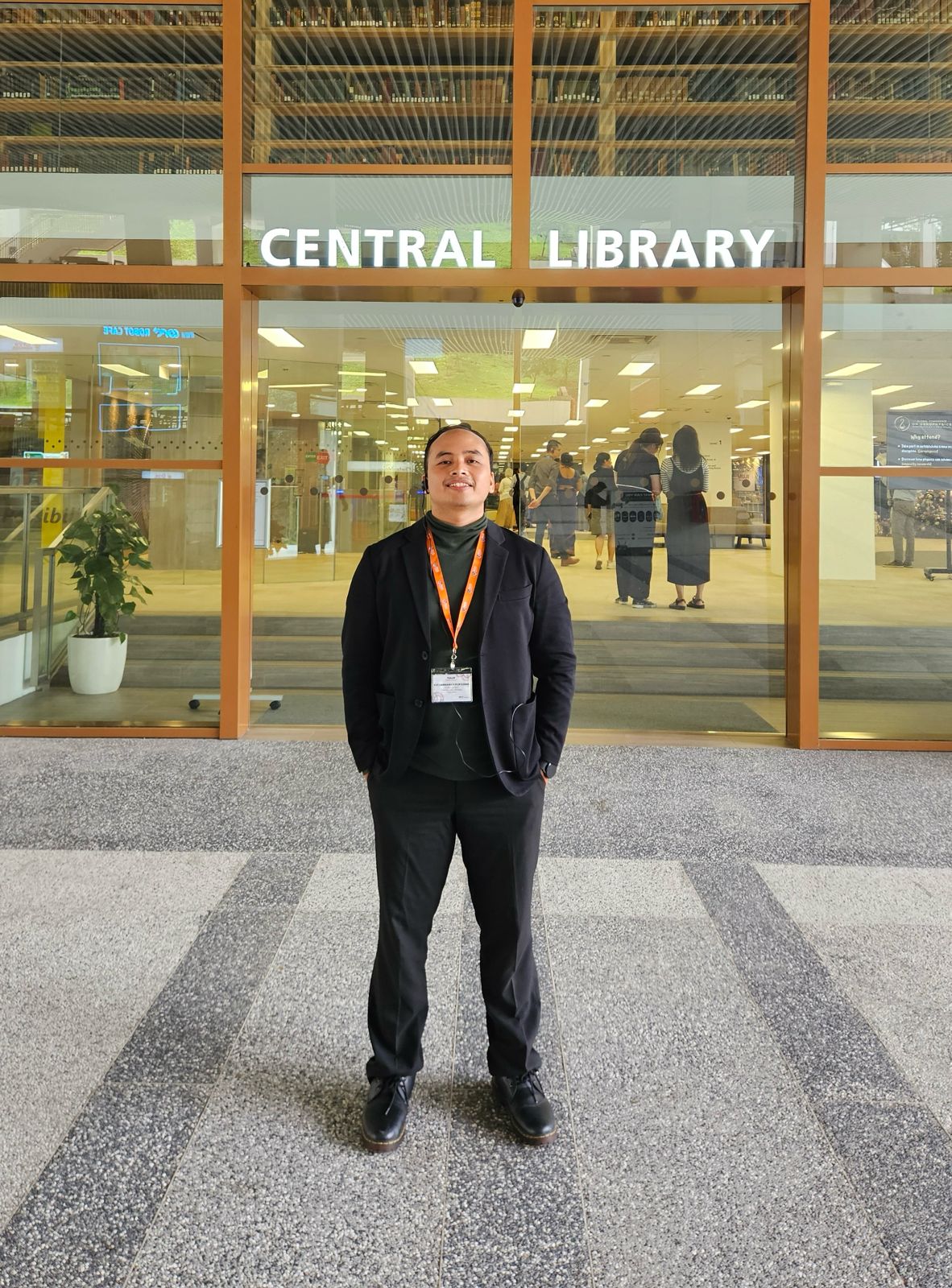
Amid the fast-paced transformation of higher education, universities around the world are increasingly challenged to balance academic excellence with human well-being. At the National University of Singapore Libraries, that balance was not merely discussed, it was practiced in everyday academic life.
As part of the 2026 fellowship cohort of the Transforming University Libraries Leadership and Innovation Programme (TULLIP), I arrived at the university expecting to deepen my understanding of library innovation and leadership. What I did not fully anticipate was how strongly the program emphasized inclusion, collegiality, and care for the people behind academic work.
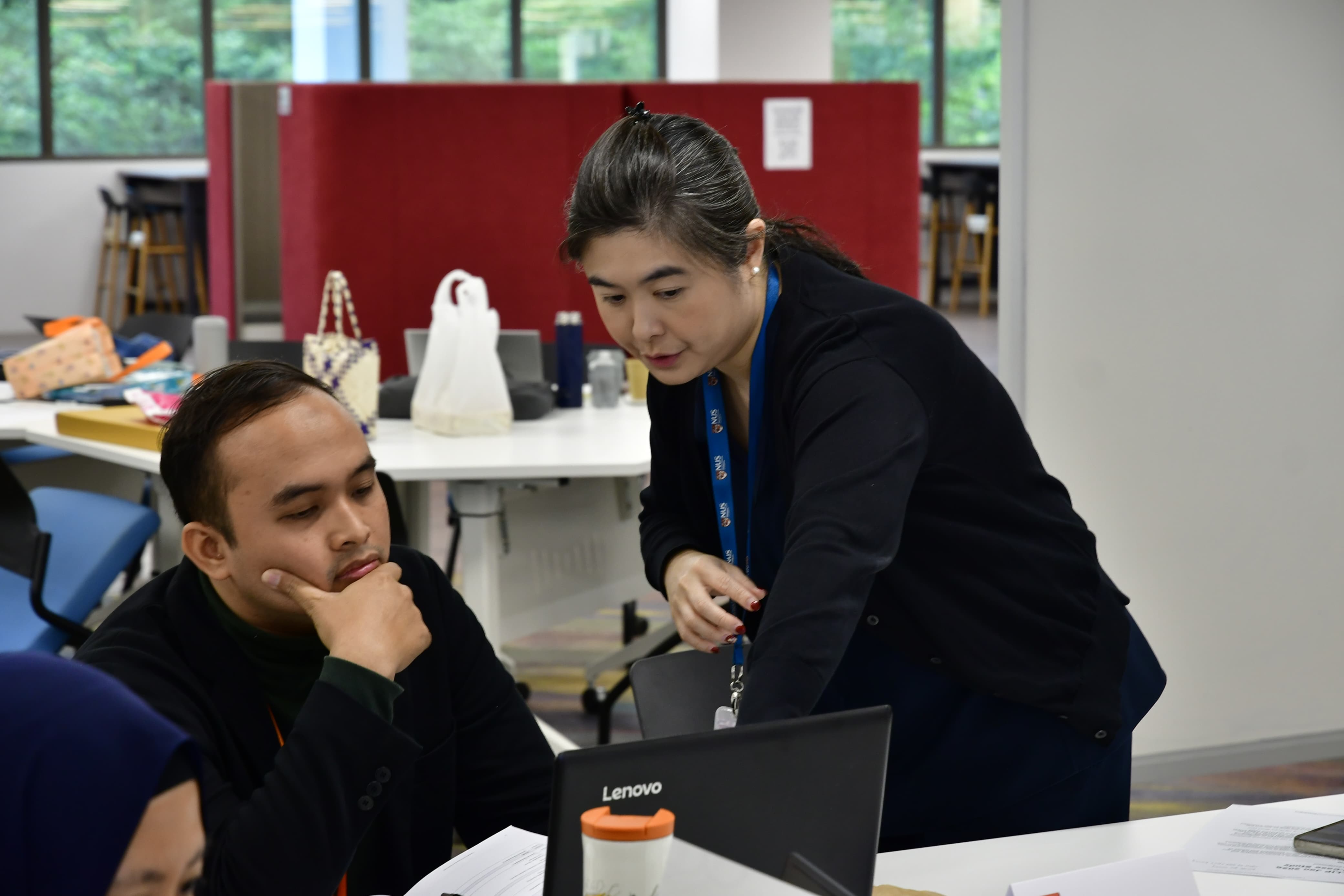
From the first days of the fellowship, participants were encouraged to contribute actively to conversations, challenge ideas, and share experiences from their own institutions and countries. Every discussion session felt intentionally designed to create space for different voices. Fellows were not treated simply as visitors or passive learners, but as collaborators whose perspectives mattered.
The result was an academic atmosphere that felt remarkably open and supportive. In seminar rooms, workshops, and informal conversations, there was a consistent sense of mutual respect that crossed disciplinary, institutional, and national boundaries. Participants came from a wide range of countries—including the United States, China, Hong Kong, Egypt, Indonesia, and Cambodia—bringing with them diverse institutional experiences and cultural perspectives. The international composition of the fellowship transformed every exchange into a broader conversation about the future of universities and libraries in a rapidly changing world. I see many space inside the campus. One of the NUS Libraries staff said, If there is no space there is no collaboration. Spaces means collaborations is the key to make safety/supportive space inside the campus.
Yet perhaps the most striking lesson extended beyond innovation itself. During my time at the university’s Kent Ridge campus, I became increasingly aware of how seriously the university approaches student and fellow well-being. The availability of University Counselling Services (UCS) across the Kent Ridge, Bukit Timah, and Outram campuses reflected an institutional commitment not only to academic achievement, but also to mental health, emotional resilience, and personal growth.
In many universities, conversations about well-being often remain rhetorical. At NUS, however, support systems appeared deeply integrated into campus life. Fellows and students alike had access to facilities, academic resources, and support services that reinforced the idea that intellectual development and personal well-being are inseparable parts of higher education.
For international fellows navigating intensive academic programs far from home, this environment mattered greatly. It fostered not only professional learning, but also a sense of belonging. The fellowship became more than a training program on library leadership; it became a living example of how universities can cultivate communities grounded in collaboration, empathy, and global engagement.
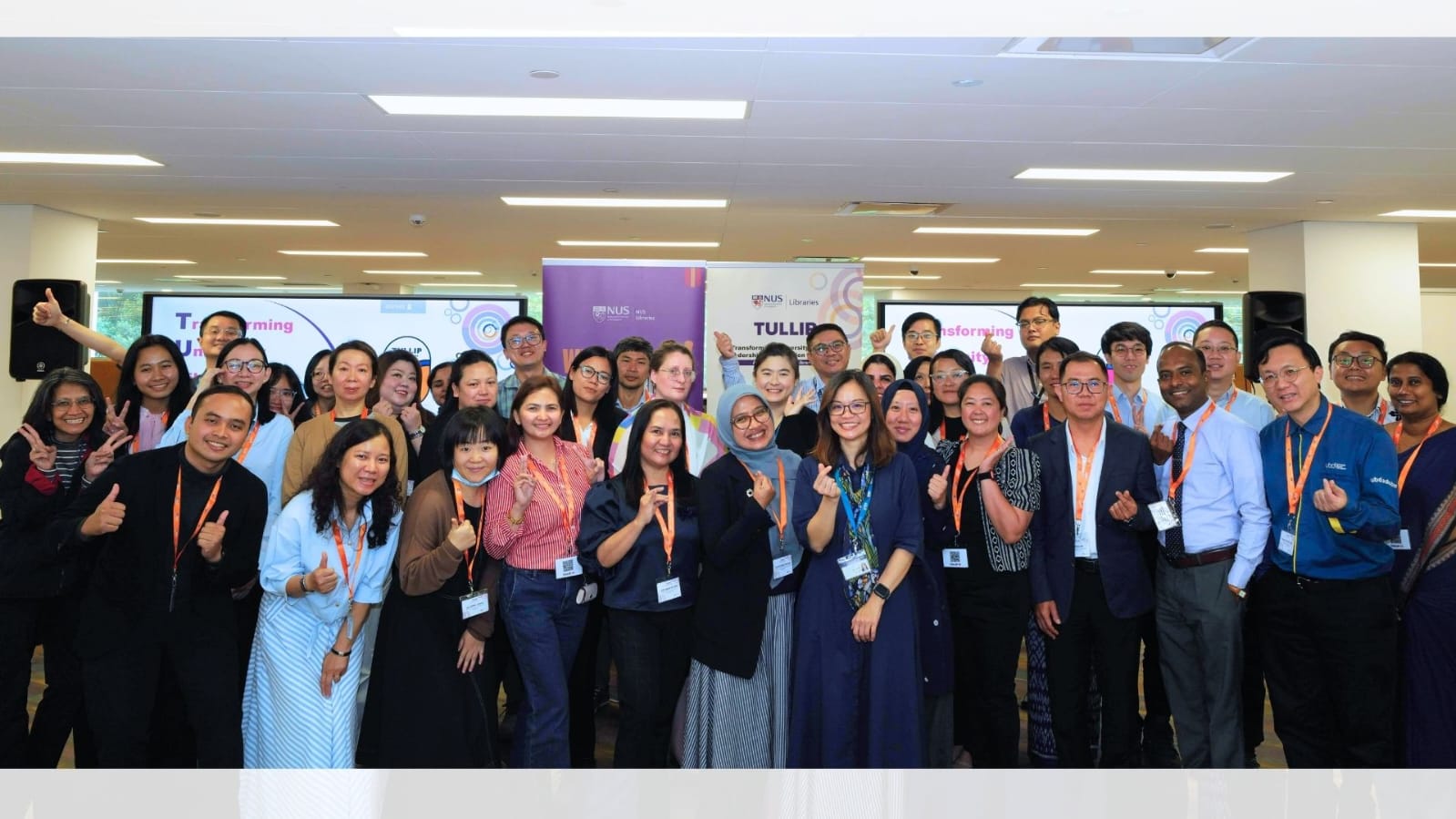
By the end of the program, the lessons I carried home were not limited to strategies for transforming university libraries. Equally important was the realization that innovation in higher education must also include the creation of humane academic spaces, where people feel heard, supported, and connected across cultures and borders.