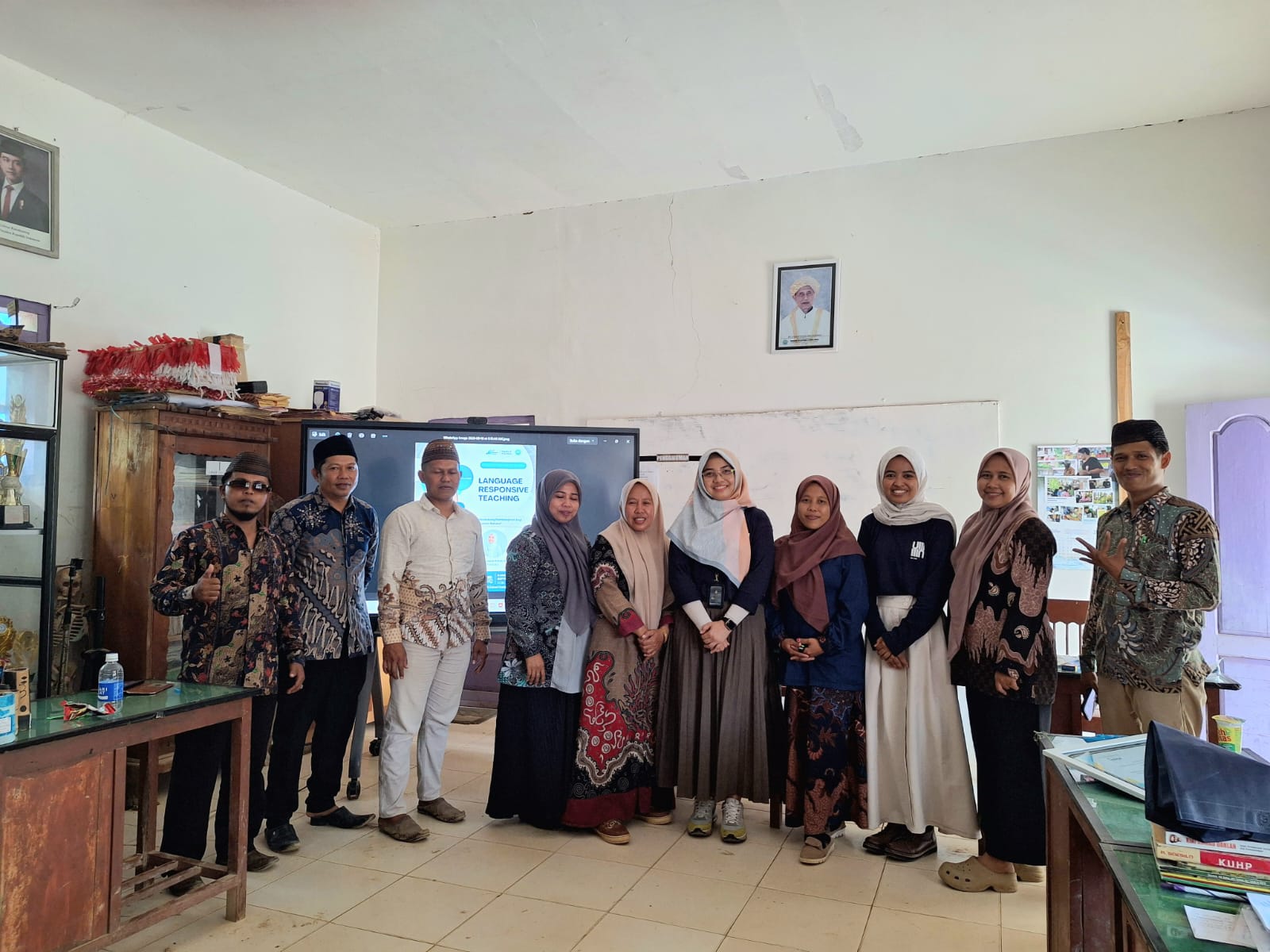
Kangean, East Java — Universitas Islam Internasional Indonesia (UIII) carried out a two-day community engagement program titled “LANGUAGE MATTERS!” at MI Zainul Huda, Duko Laok, Kangean Island, Sumenep Regency, East Java, on September 10–11, 2026. The initiative addressed a practical challenge in local education: the gap between the regional language commonly used in everyday classroom interactions and the Bahasa Indonesia used in textbooks and other learning resources.
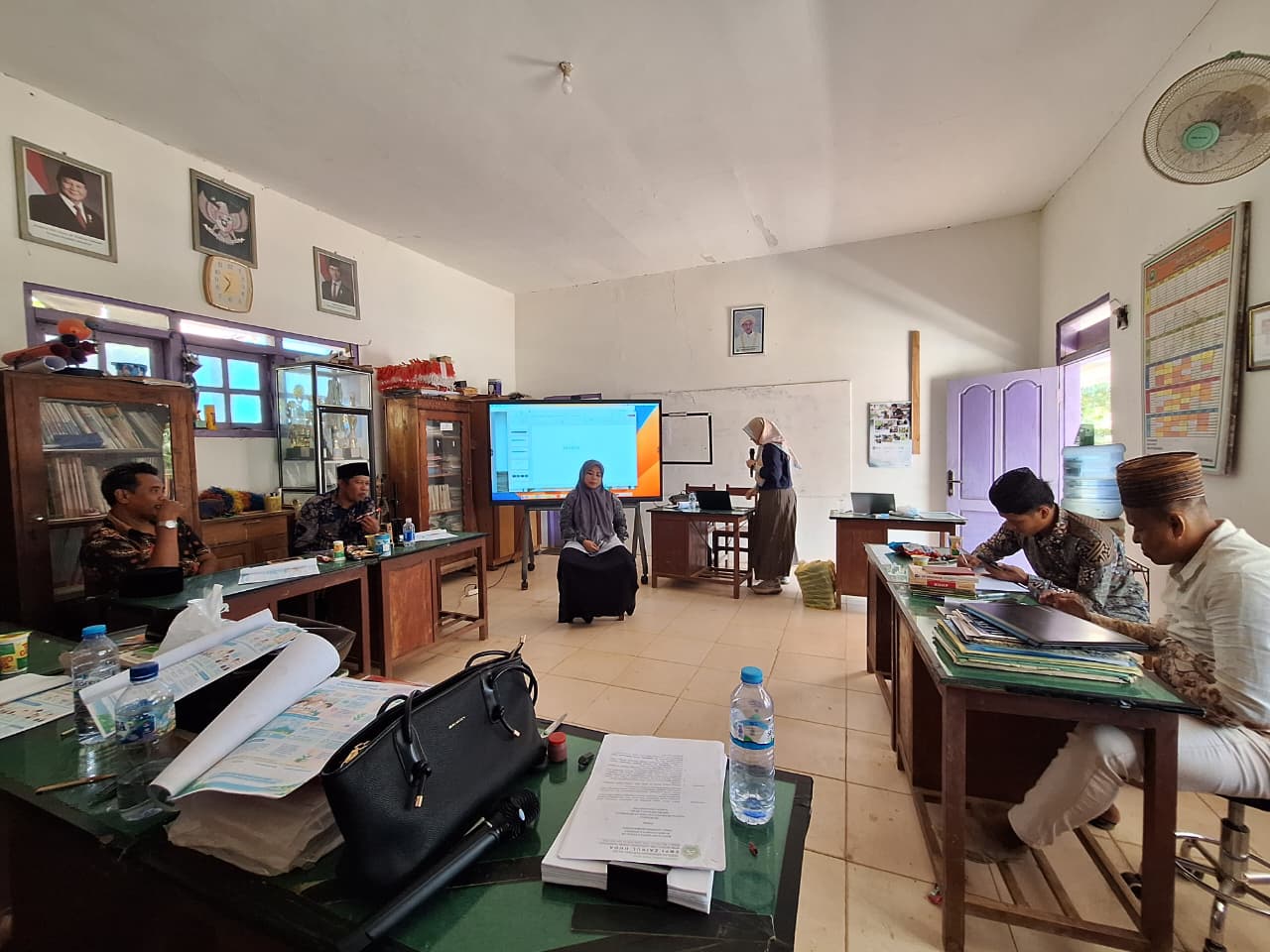
The program was facilitated by Jihan Ariqatur Rafiah, M.A., with Ms. Afifah Muharikah, a lecturer at the Faculty of Education, UIII, serving as the resource person. The workshop engaged teachers in exploring how language differences can contribute to misunderstandings and misconceptions during learning, and how more responsive teaching strategies can help students develop a clearer understanding of lesson content.
In the local learning context, students may be more familiar with their regional language than with the formal Indonesian language used in written learning materials. When classroom explanations, textbook terminology, and students’ everyday language do not fully align, students may struggle to interpret instructions or understand particular concepts. These difficulties can sometimes be mistaken for a lack of ability, when language itself may be one of the factors affecting comprehension.
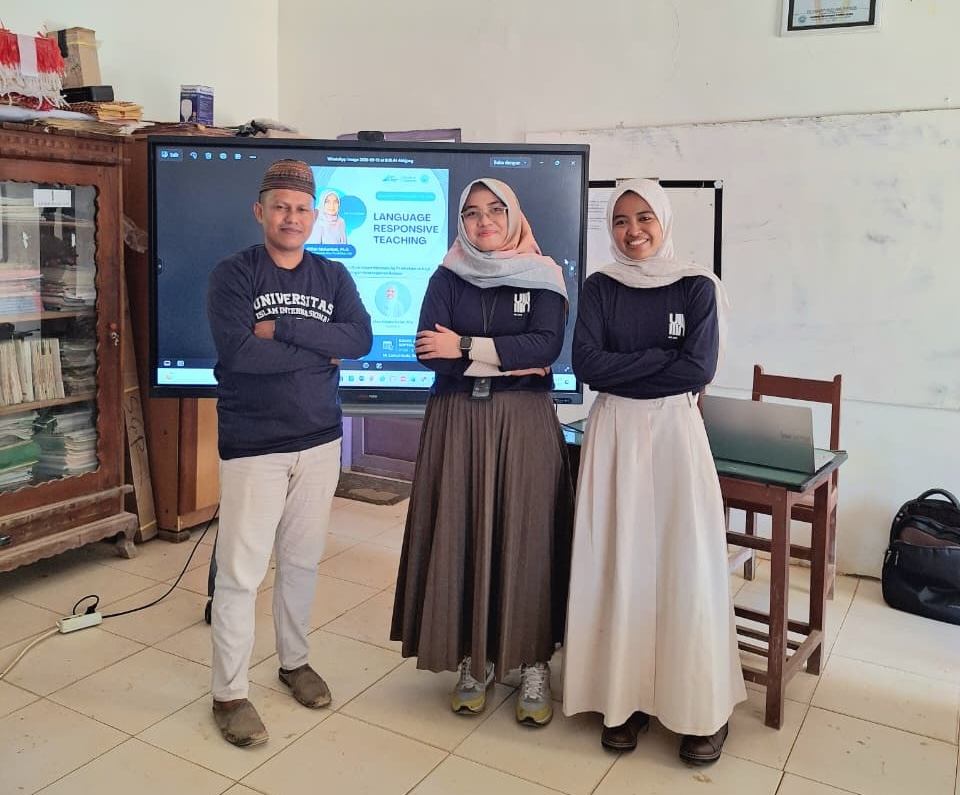
Recognizing this challenge, the “LANGUAGE MATTERS!” workshop aimed to encourage teachers to consider language as an important part of teaching and learning, rather than merely a medium of instruction. The program introduced the principles of Linguistically Responsive Teaching (LRT), which emphasizes the importance of understanding students’ linguistic backgrounds and using that understanding to inform instructional decisions.
During the workshop, teachers were encouraged to reflect on how they explain concepts, introduce unfamiliar terminology, and support students who may find it difficult to understand Bahasa Indonesia in academic contexts. Strategies such as using familiar examples, clarifying instructions, connecting new concepts with students’ everyday experiences, and gradually introducing formal academic vocabulary were explored as practical ways to support comprehension.
The program also highlighted that acknowledging students’ regional languages does not mean reducing the importance of Bahasa Indonesia. Instead, teachers can use students’ existing linguistic knowledge as a bridge toward understanding formal learning materials. This approach allows students to draw on what they already know while continuing to develop the language skills needed for academic learning.
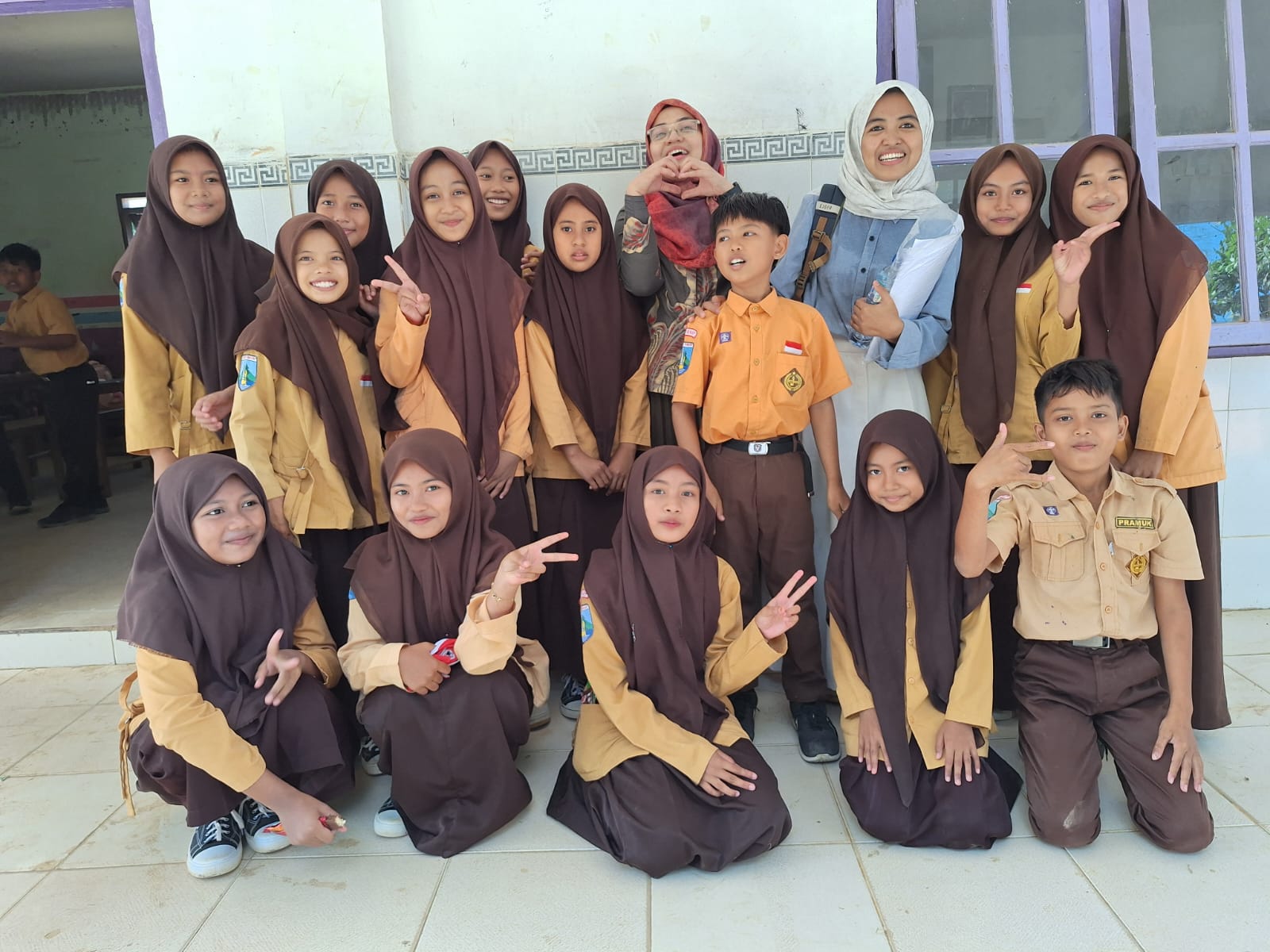
The two-day engagement also included practical learning activities and technical assistance in developing contextualized teaching materials. By considering the resources available in their school and surrounding environment, teachers were encouraged to explore strategies that could be adapted to their own classrooms without necessarily depending on sophisticated technology or expensive learning facilities. Students from Grades V and VI also participated in learning activities as part of the program.
Beyond the workshop itself, the initiative raised broader questions about educational equity in Indonesia’s 3T regions, referring to tertinggal (underdeveloped), terdepan (frontier), and terluar (outermost) areas. In geographically remote communities, discussions about educational access often focus on infrastructure, facilities, and the availability of learning resources. However, the language through which students encounter knowledge is another important consideration.
For Jihan, conducting the program in Kangean offered a personal opportunity to reflect on the meaning of educational development in underserved regions.
“Education in 3T areas should not be viewed only through the limitations these communities face. We also need to pay attention to how children experience learning in their everyday lives. Sometimes, the challenge is not simply whether students have access to learning materials, but whether they can fully understand the knowledge presented to them. If the language used in learning creates a barrier, we need to ask how teaching can better connect with students’ experiences and existing knowledge,” she reflected.
She further emphasized the importance of ensuring that educational initiatives respond to the realities of local communities.
“For me, meaningful educational development begins with understanding the context. Teachers should not have to choose between respecting students’ local languages and helping them succeed in formal education. We can build bridges between the two. Every child deserves the opportunity to understand what they learn, express their ideas, and participate confidently in the classroom, regardless of where they grow up,” she added.
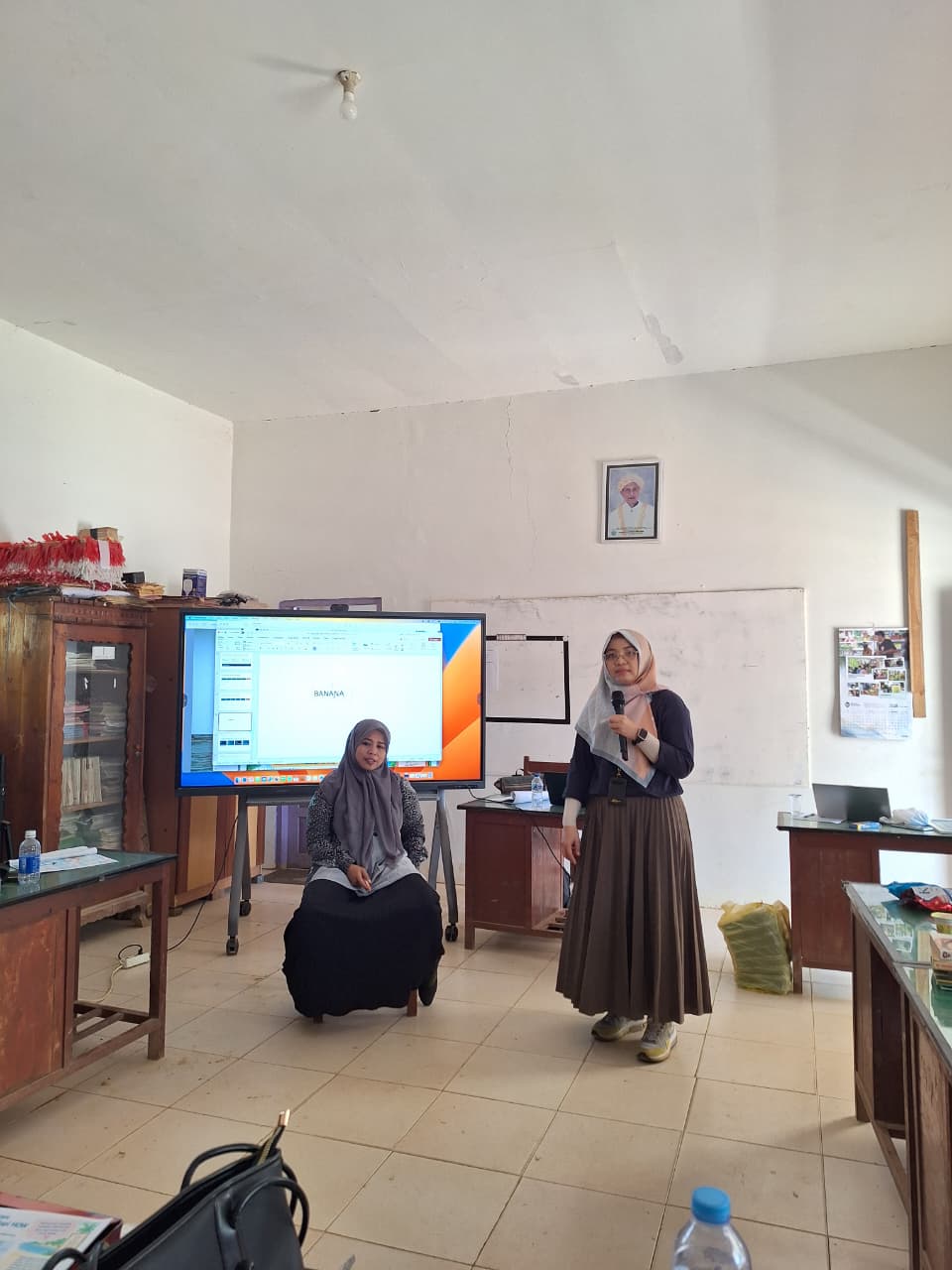
The experience also reinforced the importance of collaboration between universities and local schools. Through community engagement, academic perspectives can be brought into dialogue with teachers’ practical experiences, creating opportunities to explore solutions that are relevant to the specific needs of students and their learning environments.
While a two-day workshop cannot resolve all the challenges facing education in island communities, “LANGUAGE MATTERS!” represents an effort to address one aspect of learning that may otherwise receive insufficient attention. By encouraging teachers to recognize the relationship between language and comprehension, the initiative hopes to support more inclusive classroom practices and strengthen students’ opportunities to engage meaningfully with learning materials.
Ultimately, the program highlights a simple but important principle: access to education is not only about being present in a classroom or having a textbook. It is also about being able to understand, interpret, and use the knowledge presented. Through this initiative, UIII underscores the importance of context-sensitive teaching and community collaboration in supporting more equitable educational opportunities across Indonesia.