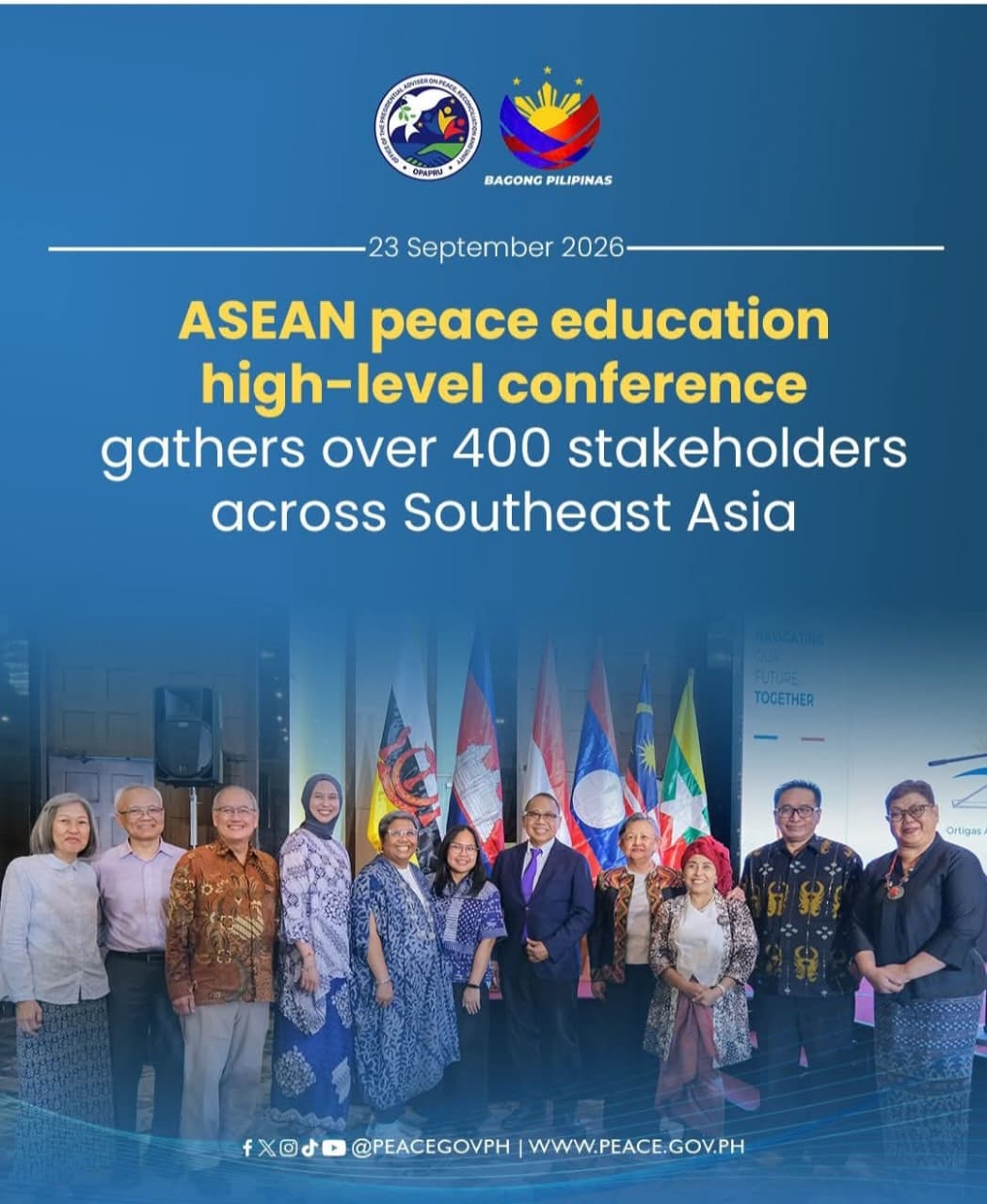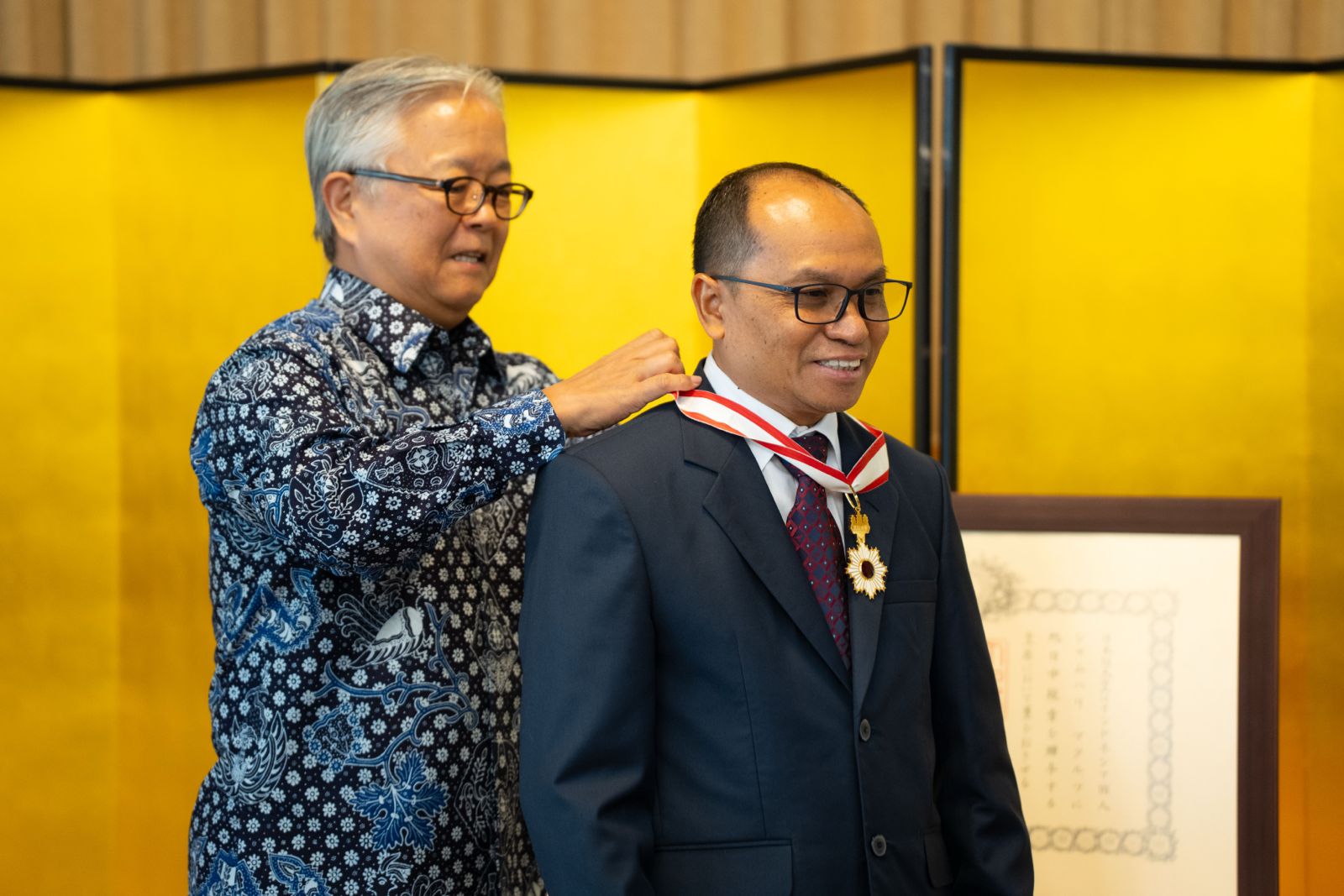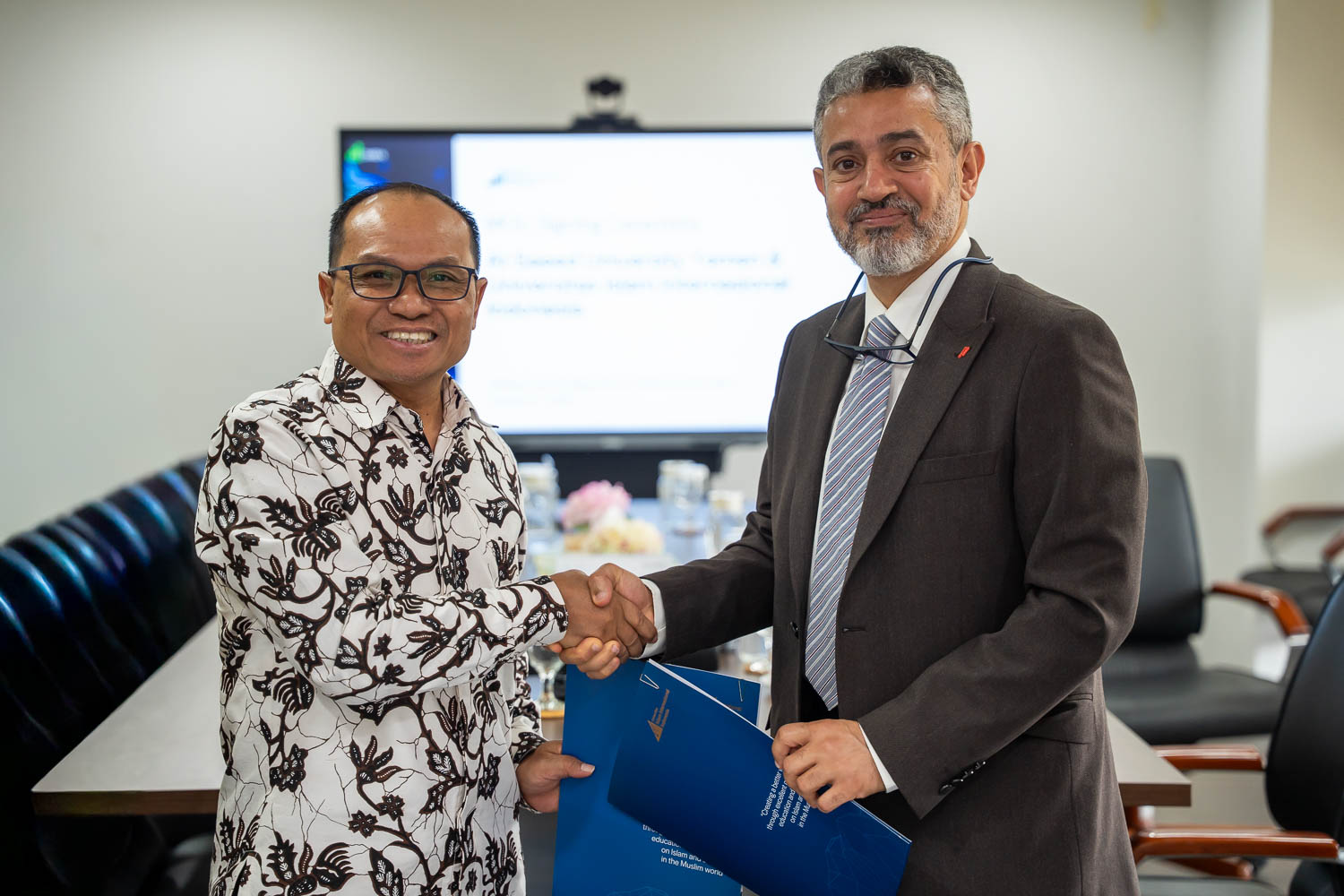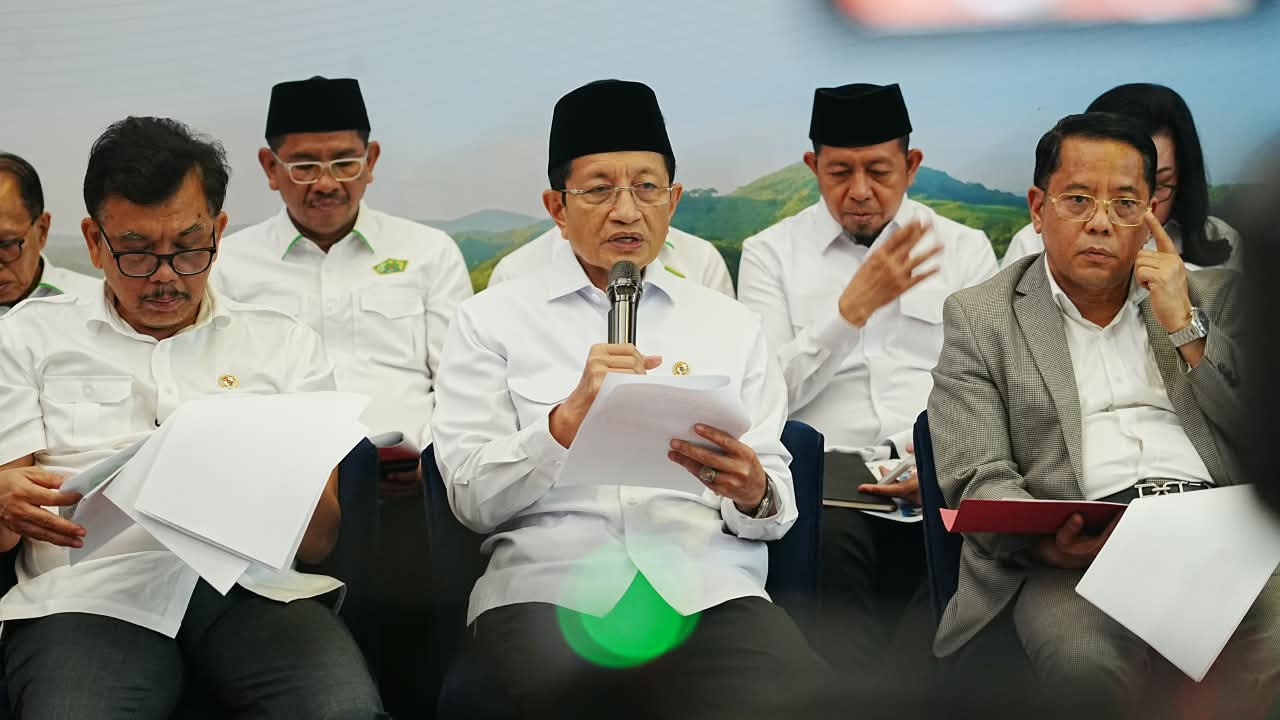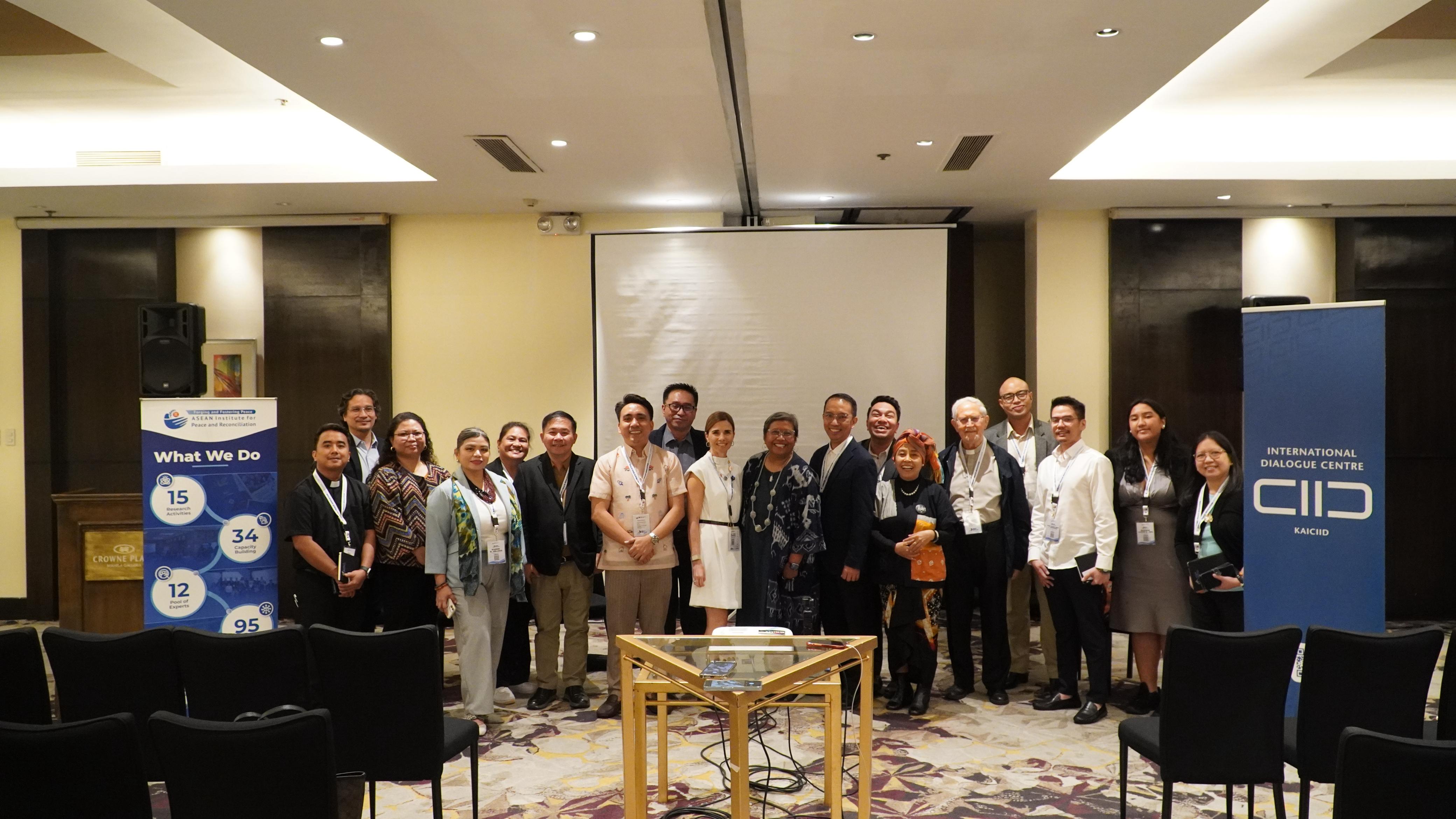
Philippines – Ridwan al-Makassary, a lecturer at UIII’s Faculty of Social Sciences and Director of the Center of Muslim Politics and World Society (COMPOSE), joined peacebuilders from across Southeast Asia at the ASEAN Peace Education High-Level Conference in Quezon City, the Philippines, from 21 to 23 September 2026.
The conference was organized by the Office of the Presidential Adviser on Peace, Reconciliation and Unity (OPAPRU), the Philippine Department of Education, the Philippine Center for Islam and Democracy, and several regional and international partners. KAICIID supported the participation of peacebuilders from ASEAN countries. More than 400 education leaders, policymakers, academics, peace practitioners, and young people gathered at the Crowne Plaza Manila for the event, themed “Peace Education for Shared Futures and Enduring Cooperation.”
Presidential Peace Adviser Secretary Mel Senen S. Sarmiento highlighted a shared regional commitment to peace despite Southeast Asia’s diverse cultures and histories. “We are different peoples, with different cultures and beliefs, yet we share one region and a common aspiration for a peaceful and prosperous future. And if we want that future, peace education cannot stop at the four walls of the classroom,” he said.
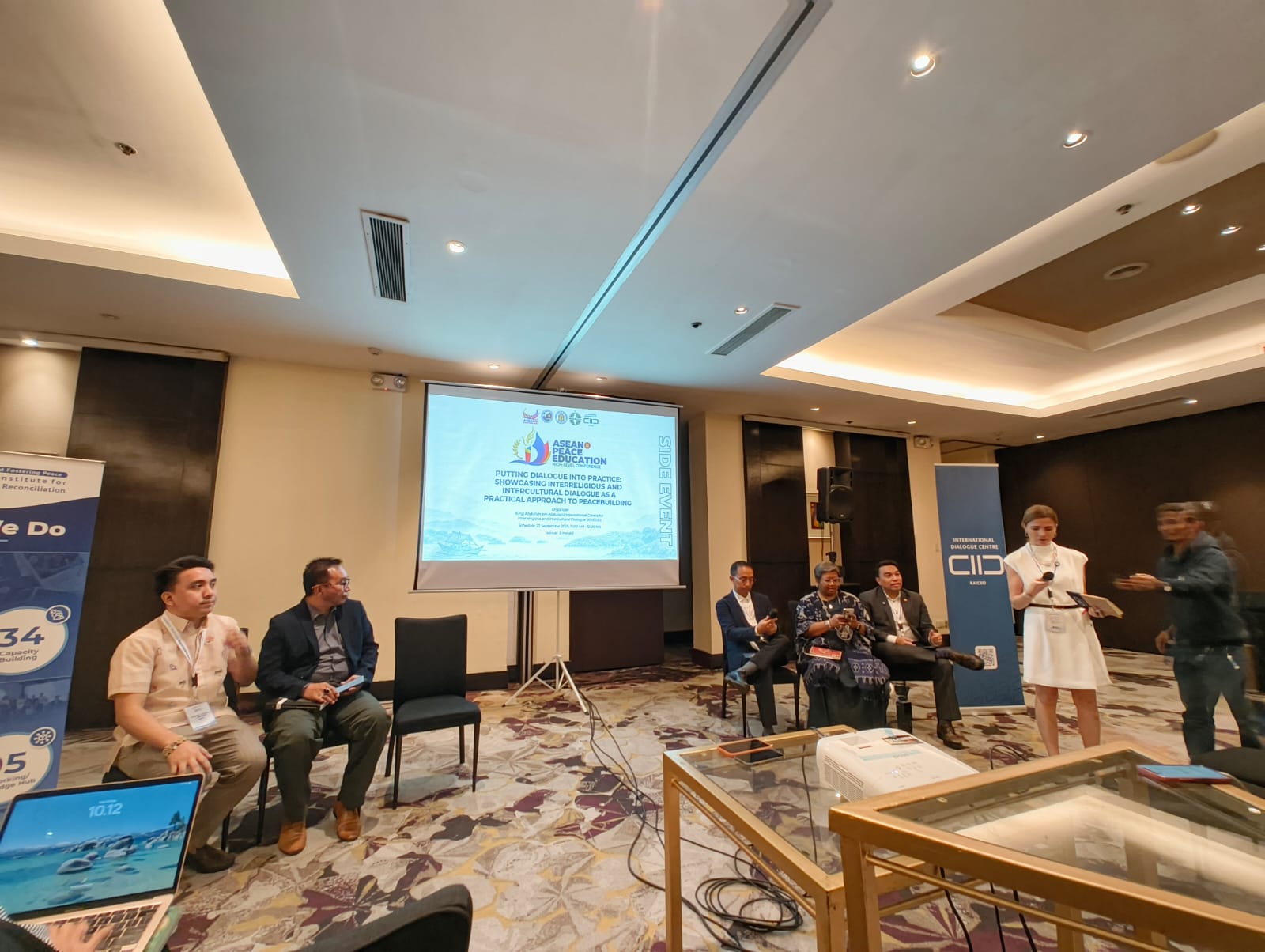
Across a series of panel discussions, speakers from Southeast Asia explored different dimensions of peace education, while artistic and cultural performances enlivened the program between sessions. Ridwan’s participation was fully supported by KAICIID and included a special KAICIID panel focused on interreligious dialogue in practice. During the session, he discussed how academic research can generate knowledge that informs policymaking. He also introduced the context, development, and key ideas of the KAICIID-supported book Interreligious Dialogue in Southeast Asia: Achievements, Challenges and Prospects.
For participants, the conference offered a valuable space to exchange ideas, discuss common challenges, share good practices in peace education, and strengthen networks across Southeast Asia.
As ASEAN faces increasingly complex regional challenges, the conference underscored the importance of investing in peace education for the 2045 generation—not only to nurture young people who are intelligent and competitive, but also to equip them to understand, respect, and celebrate living together. The region’s future will depend not only on the strength of its economies, but also on how thoughtfully its citizens navigate differences across borders.