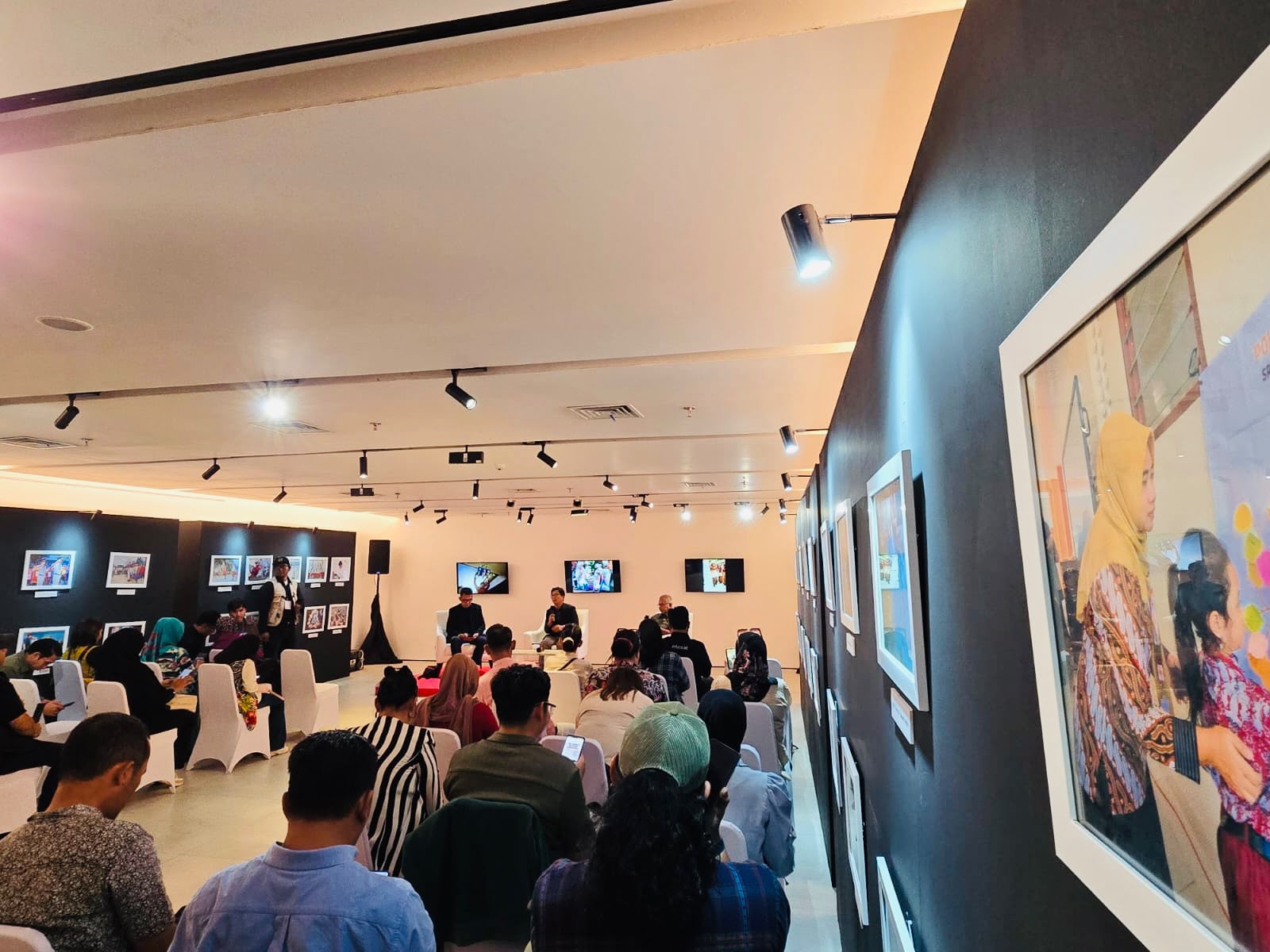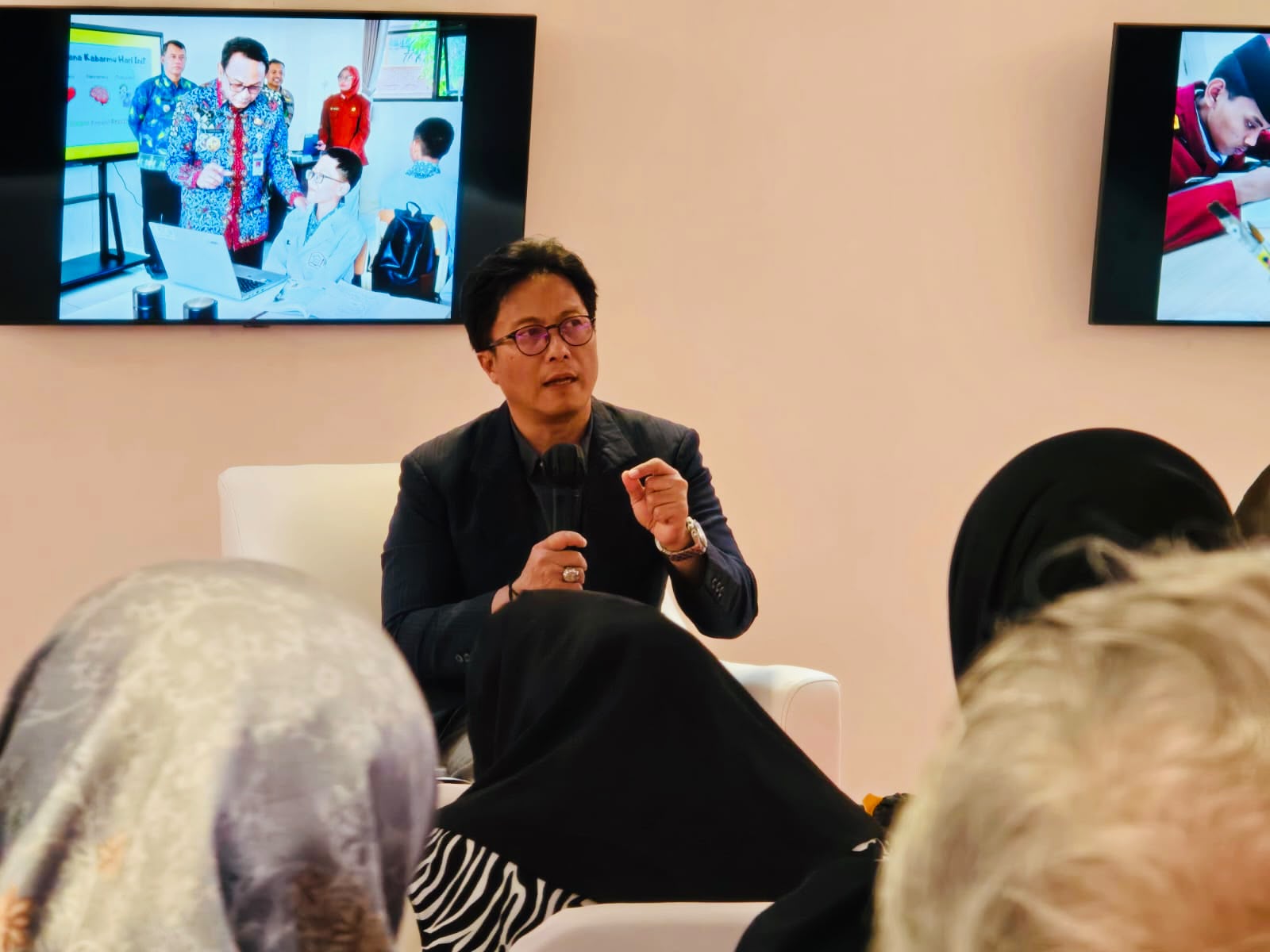
Jakarta, 23 July 2026 – The transformative power of education and visual storytelling came together at the Photography Exhibition and Talkshow: “Belajar Tanpa Batas, Berkarya untuk Masa Depan” (Learning Without Limits, Creating for the Future), held at Galeri Cipta 1, Taman Ismail Marzuki, Jakarta. The event brought together education practitioners, photographers, journalists, students, and the wider public to explore how education policy and photography can jointly strengthen public understanding of Indonesia’s Sekolah Rakyat initiative.
Organized by the Indonesian Photography Association (AFI), MATA Photography Magazine, and PT Basik, the exhibition featured selected photographs portraying everyday life in Sekolah Rakyat, while the accompanying talkshow examined how visual narratives can communicate the values of inclusive, equitable, and high-quality education more effectively than statistics alone.
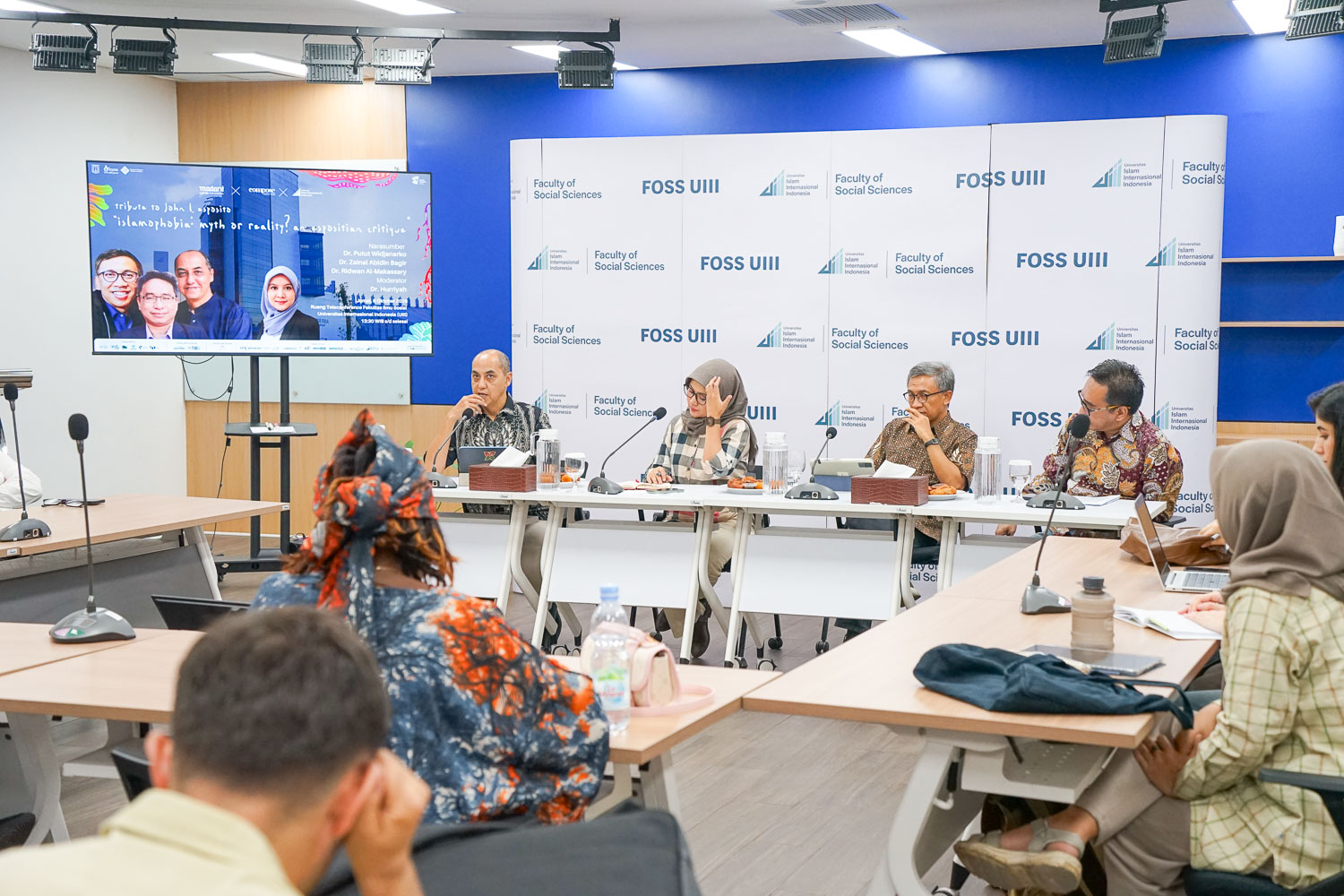
One of the featured speakers was R. Alpha Amirrachman, M.Phil., Ph.D., Head of Center for Quality Assurance and Deputy Director of Institute for Transformative Education and Society (ITES), Universitas Islam Internasional Indonesia (UIII). He shared the panel with Arbain Rambey, a renowned Indonesian photographer and former senior photojournalist of Kompas, whose decades of experience have shaped visual journalism in Indonesia.
Speaking from an educational policy perspective, Dr. Amirrachman emphasized that Sekolah Rakyat should be understood not merely as a new school system, but as a long-term national investment in human development and social mobility.
“Education is the most sustainable instrument for breaking the intergenerational cycle of poverty. The success of Sekolah Rakyat should therefore be measured not only by the number of schools established, but by how many children are able to transform their lives through quality learning opportunities.”
He explained that providing access alone is insufficient. Inclusive education requires ensuring that children are genuinely able to participate, learn, and complete their education regardless of their socioeconomic background.
According to Dr. Amirrachman, inclusivity does not mean lowering academic standards. Instead, it means providing different forms of support so that every learner has an equal opportunity to reach high standards of educational achievement.
He further noted that the concept of educational quality extends beyond classrooms and physical facilities. High-quality education should cultivate literacy, numeracy, critical thinking, character, creativity, emotional well-being, and lifelong learning skills while creating a safe and supportive learning environment.
During the discussion, Dr. Amirrachman also highlighted the broader objectives of Sekolah Rakyat as one of the strategic initiatives supporting President Prabowo Subianto’s national development agenda. He argued that the program represents an important effort to ensure that children from disadvantaged families are not excluded from quality education because of economic circumstances.
Complementing this policy perspective, Arbain Rambey discussed the unique role of photography in documenting educational transformation. Drawing upon his extensive experience as a photojournalist, he explained that compelling photographs do far more than record events — they reveal emotions, dignity, resilience, and hope.
Rather than focusing solely on ceremonial activities or infrastructure, Rambey encouraged photographers to capture authentic human stories: a child discovering the joy of reading, a teacher patiently guiding a struggling student, friendships formed in school dormitories, and parents witnessing their children’s educational journey with renewed optimism.
The dialogue between the two speakers illustrated how education policy and visual journalism can reinforce one another. While policy provides direction through regulations, research, and measurable outcomes, photography helps society understand the human realities behind those policies.
As Dr. Amirrachman observed during the discussion, statistics are essential for understanding the scale of educational challenges, but photographs enable people to connect emotionally with the individuals behind those numbers.
The exhibition itself reflected this philosophy. Visitors encountered visual narratives portraying students studying, interacting with teachers, participating in creative activities, and building aspirations for the future. These images sought to present Sekolah Rakyat not simply as a government program but as a place where children can develop confidence, character, and opportunity.
The organizers described the exhibition as an effort to improve public literacy about inclusive education by encouraging conversations that extend beyond policy debates. Photography, they argued, has the capacity to bridge the gap between public policy and public empathy, making educational transformation more accessible to broader audiences.
For UIII, participation in this national forum reflects the university’s continuing commitment to contributing evidence-based perspectives on educational reform while engaging with wider communities through interdisciplinary collaboration.
As Head of the Center for Quality Assurance and Deputy Director of ITES, Dr. Amirrachman emphasized that universities have an important role in supporting national education initiatives through research, policy dialogue, quality assurance, and public engagement.
He concluded that meaningful educational transformation requires collaboration across sectors — including government, academia, civil society, educators, artists, journalists, and photographers.
“Educational policy becomes more meaningful when it touches people’s hearts. Photography reminds us that behind every policy there is a child with dreams, a family with hope, and a future waiting to be shaped.”
The exhibition and talkshow demonstrated that advancing inclusive education is not solely about expanding educational access. It is equally about building public understanding and collective commitment through stories that inspire empathy, preserve dignity, and strengthen society’s shared responsibility for ensuring that every child has the opportunity to learn, grow, and contribute to Indonesia’s future. []