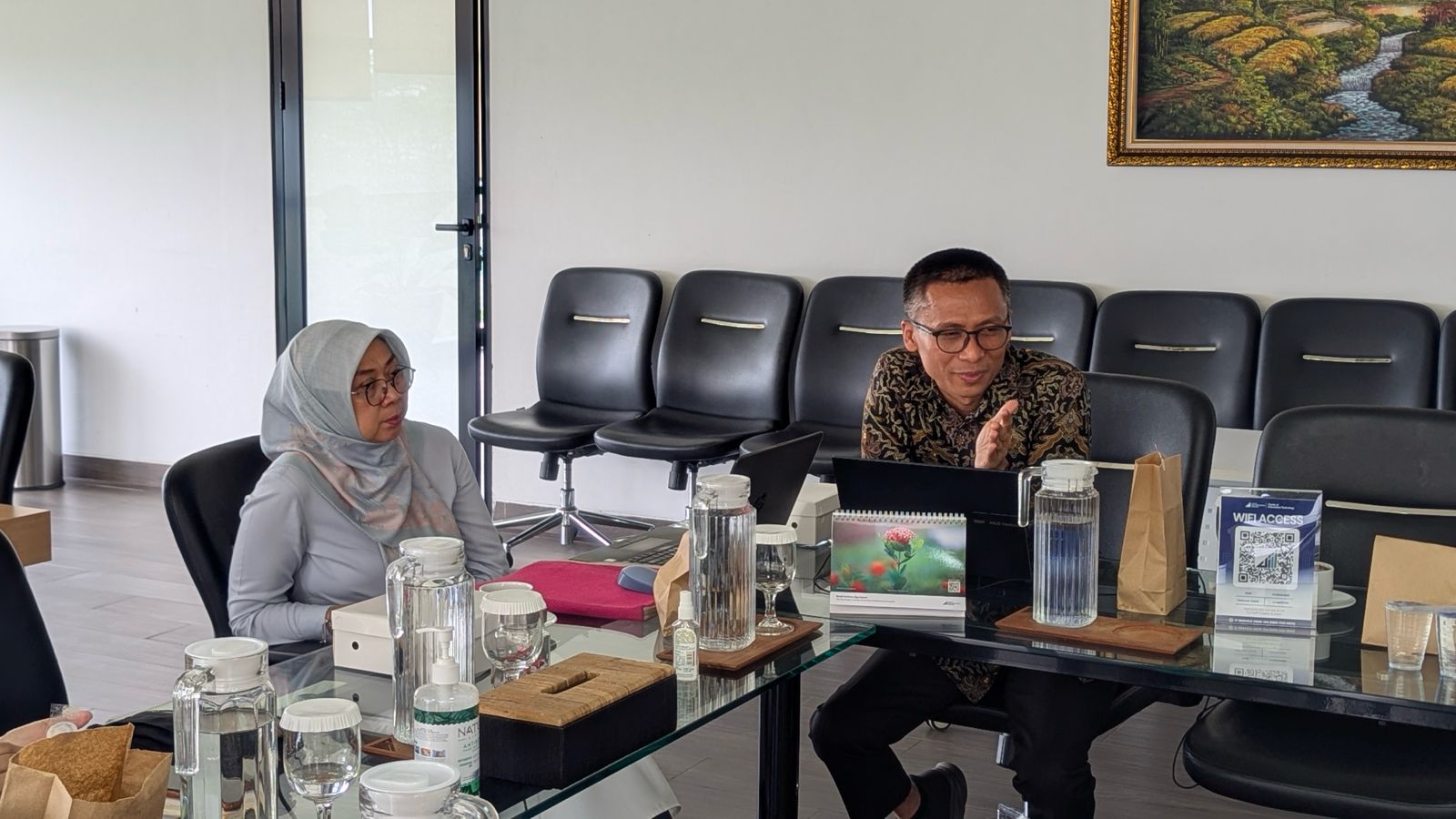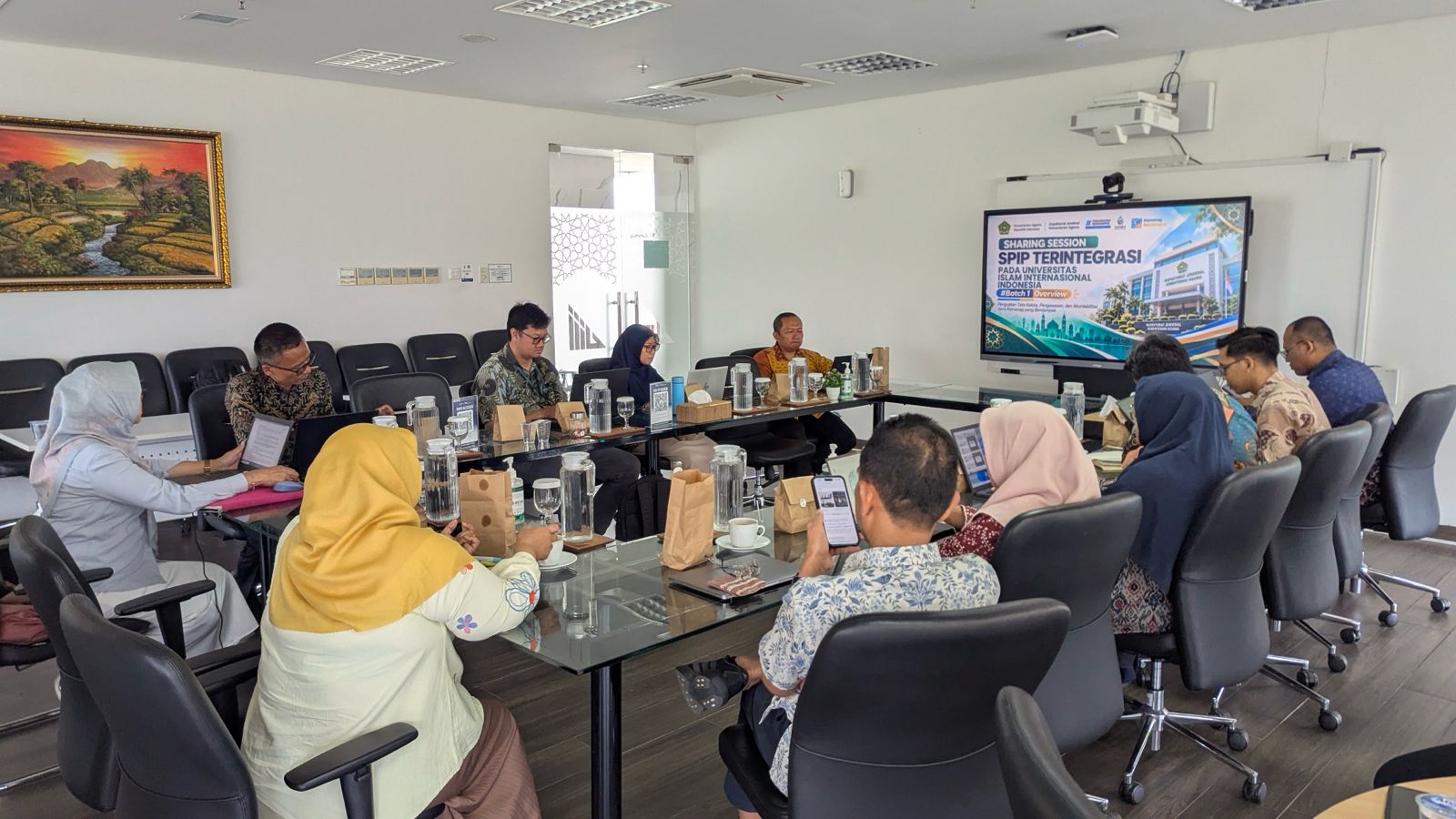
DEPOK — The Inspectorate General of the Ministry of Religious Affairs (MoRA), in collaboration with the Internal Audit Office (SPI) of Universitas Islam Internasional Indonesia (UIII), hosted a workshop on the Government Internal Control System (SPIP) at the UIII Campus on Thursday, October 15, 2026.
The workshop aimed to socialize and disseminate the implementation of SPIP across the MoRA ecosystem. As a relatively a new public university under the MoRA, UIII is required to prepare and submit dynamic evidence covering the 5 main elements and 25 sub-elements of SPIP into the Inspectorate General’s official system.
Intermediate Auditor at the MoRA Inspectorate General, Lili Handayani, emphasized that while internal reviews are likely part of daily operations, structured reporting remains essential under current regulations.
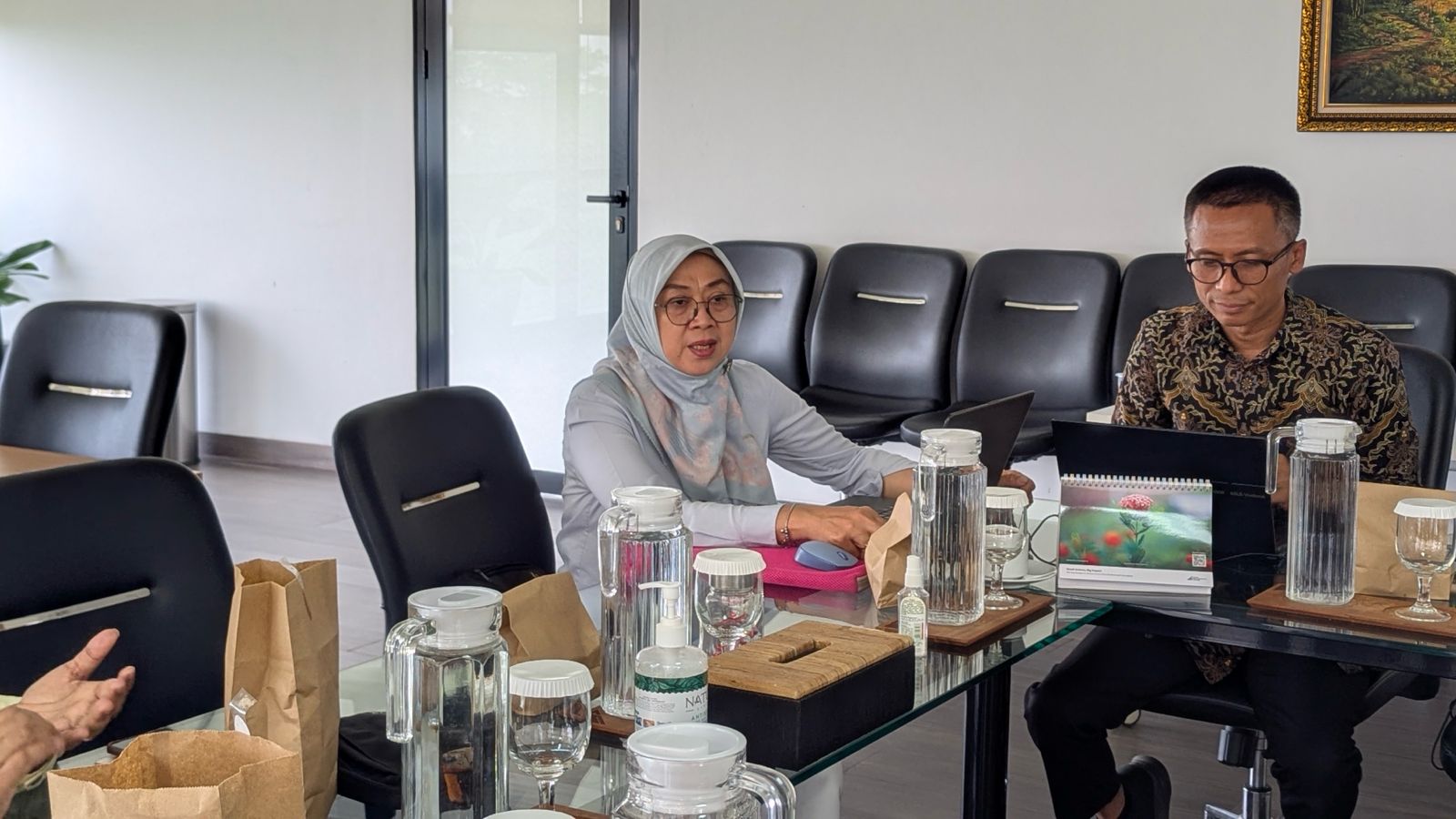
“Day-to-day reviews may already be taking place continuously. However, under the integrated SPIP framework, all five elements and 25 sub-elements will be formally assessed for their maturity level,” Lili explained.
In government bodies, reporting and evaluating the Integrated SPIP Maturity Level, regulated by the Finance and Development Supervisory Agency (BPKP), mandates every ministry and institution to upload comprehensive evidence. These documents are submitted through the SPIP Self-Assessment application during the Self-Assessment (PM) and Quality Assurance (PK) phases.
Meanwhile, Secretary of SPI, Diana Dahli, said that the five elements of SPIP have been implemented by UIII, but, as a new university, UIII needs time to learn about SPIP and submit all the needed documents.
But there are some things needs an attention, such as the current maturity level/index of SPIP at UIII has not yet been clearly measured or defined, which is necessary to serve as a benchmark for improvement targets.
“Also, the effectiveness of its implementation in practice has not yet been evaluated, and the gaps or implementation obstacles within each element need to be identified to serve as a basis for follow-up action plans,” Diana said.
From this workshop, UIII is committed to submitting all the SPIP working documents for the 2026-2027 year as part of being a good governance university.
The SPIP framework comprises five foundational elements that work together to ensure strong institutional governance:
SPIP itself is defined as an integral, ongoing process executed by leadership and all employees. It aims to provide reasonable assurance over the achievement of organizational goals through effective and efficient operations, reliable financial reporting, protection of state assets, and strict compliance with laws and regulations.
Through this joint initiative, UIII and the MoRA Inspectorate General reinforce their commitment to building transparent, accountable, and highly compliant governance across academic and administrative units.