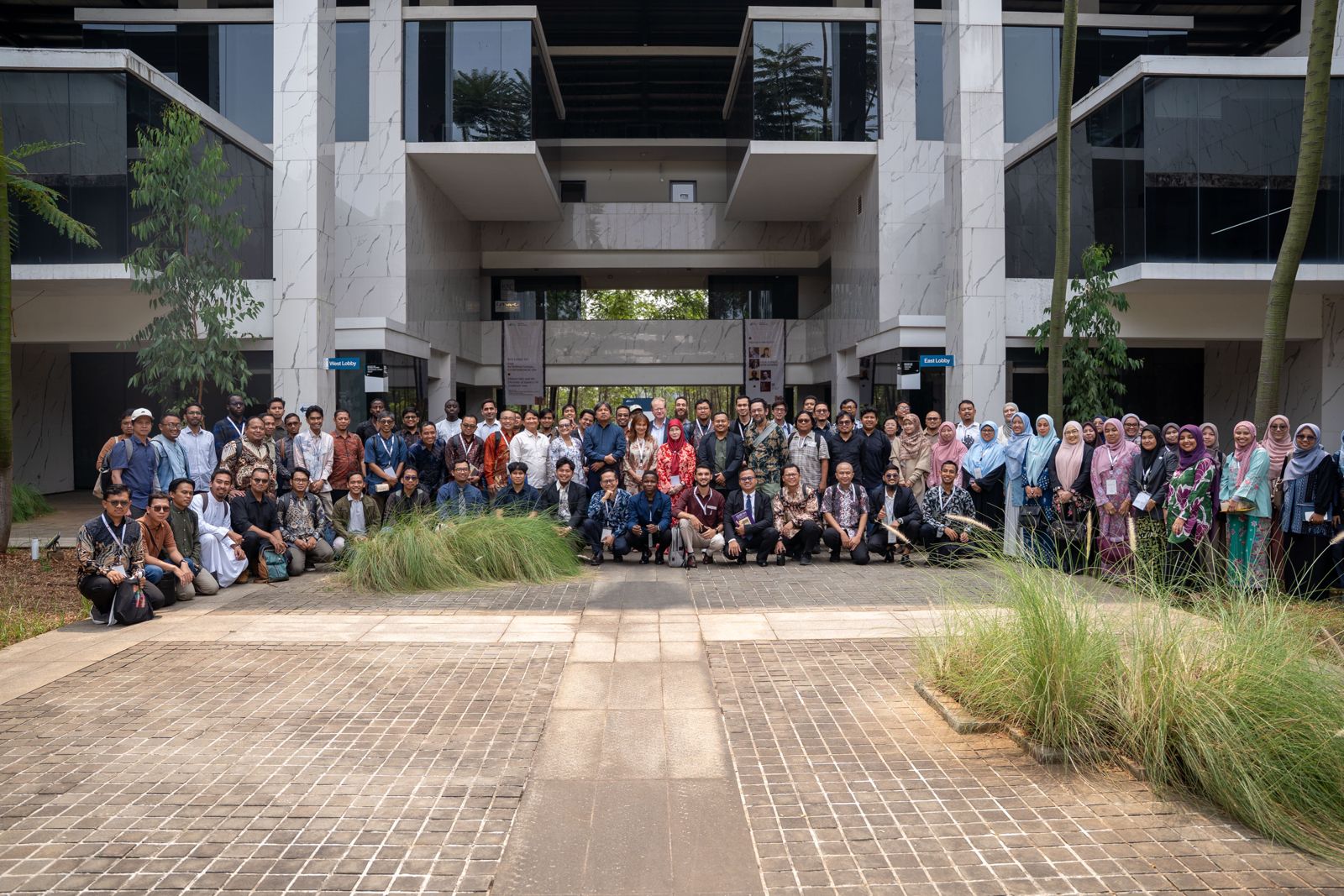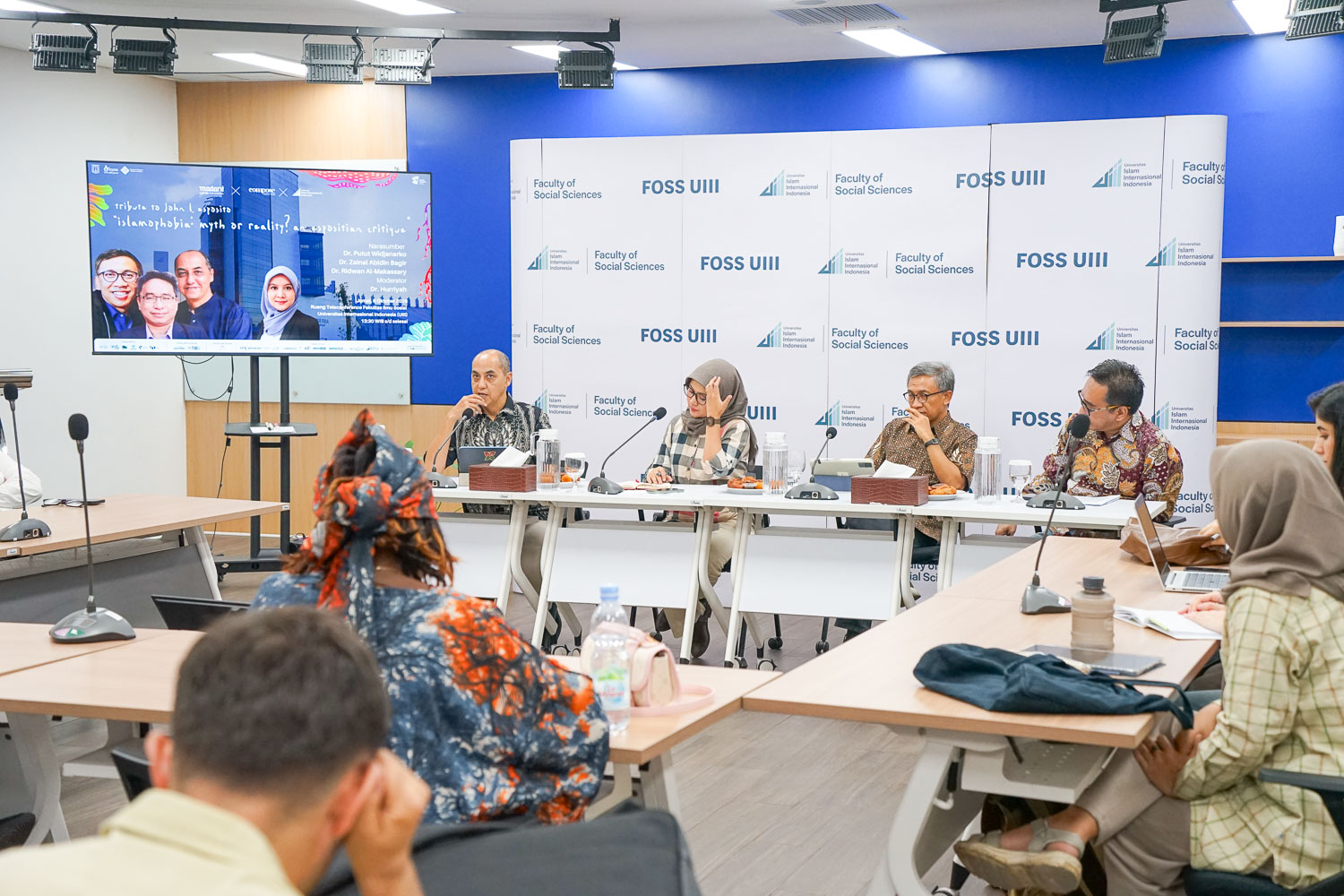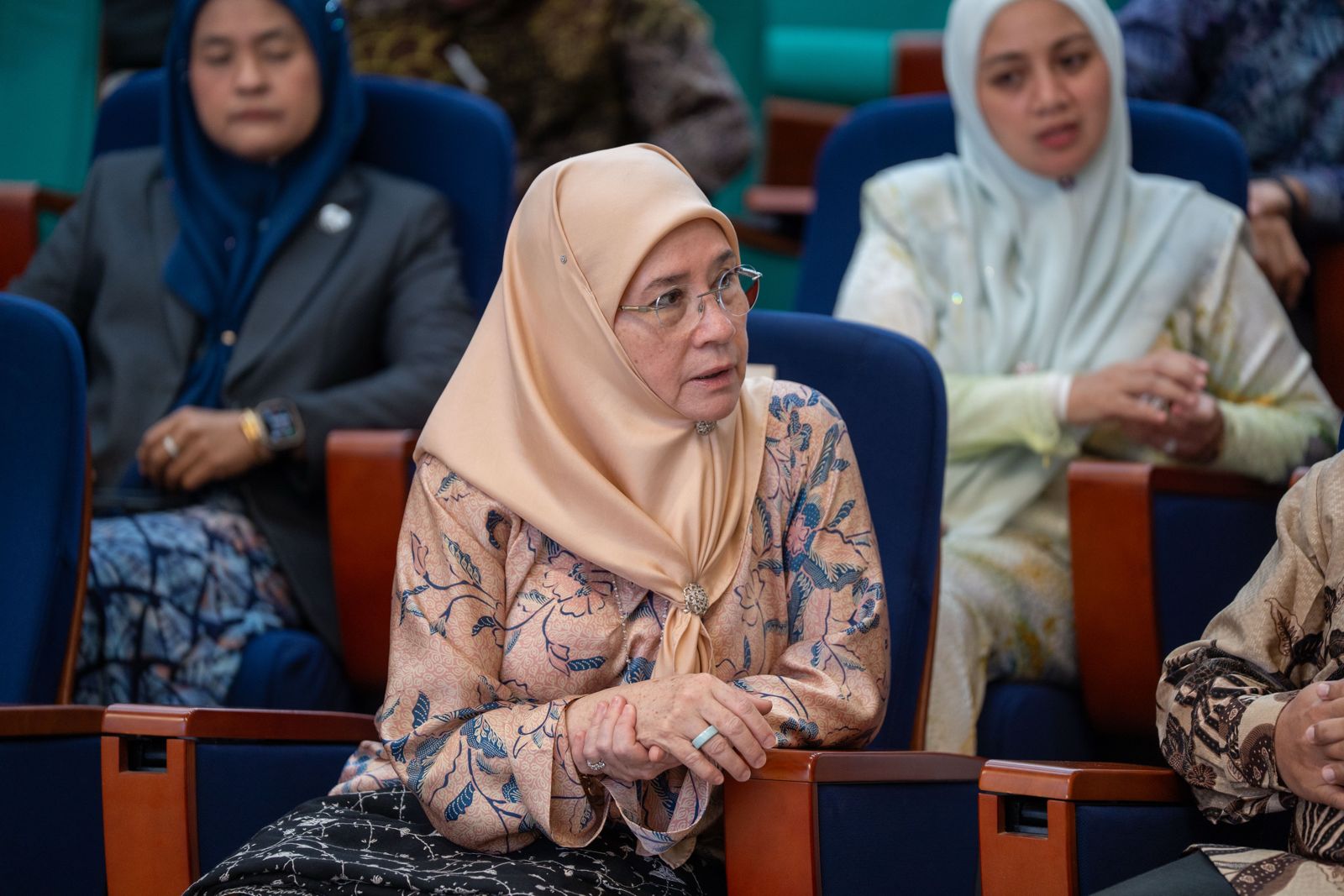
Depok, August 20, 2026 — The campus of Universitas Islam Internasional Indonesia (UIII) became a meeting point for scholars, intellectuals, and custodians of Southeast Asia’s Islamic heritage this week as the University hosted the international conference “Manuscripts and the Diversity of Islam(s) in Southeast Asia)” on August 19–20, 2026.
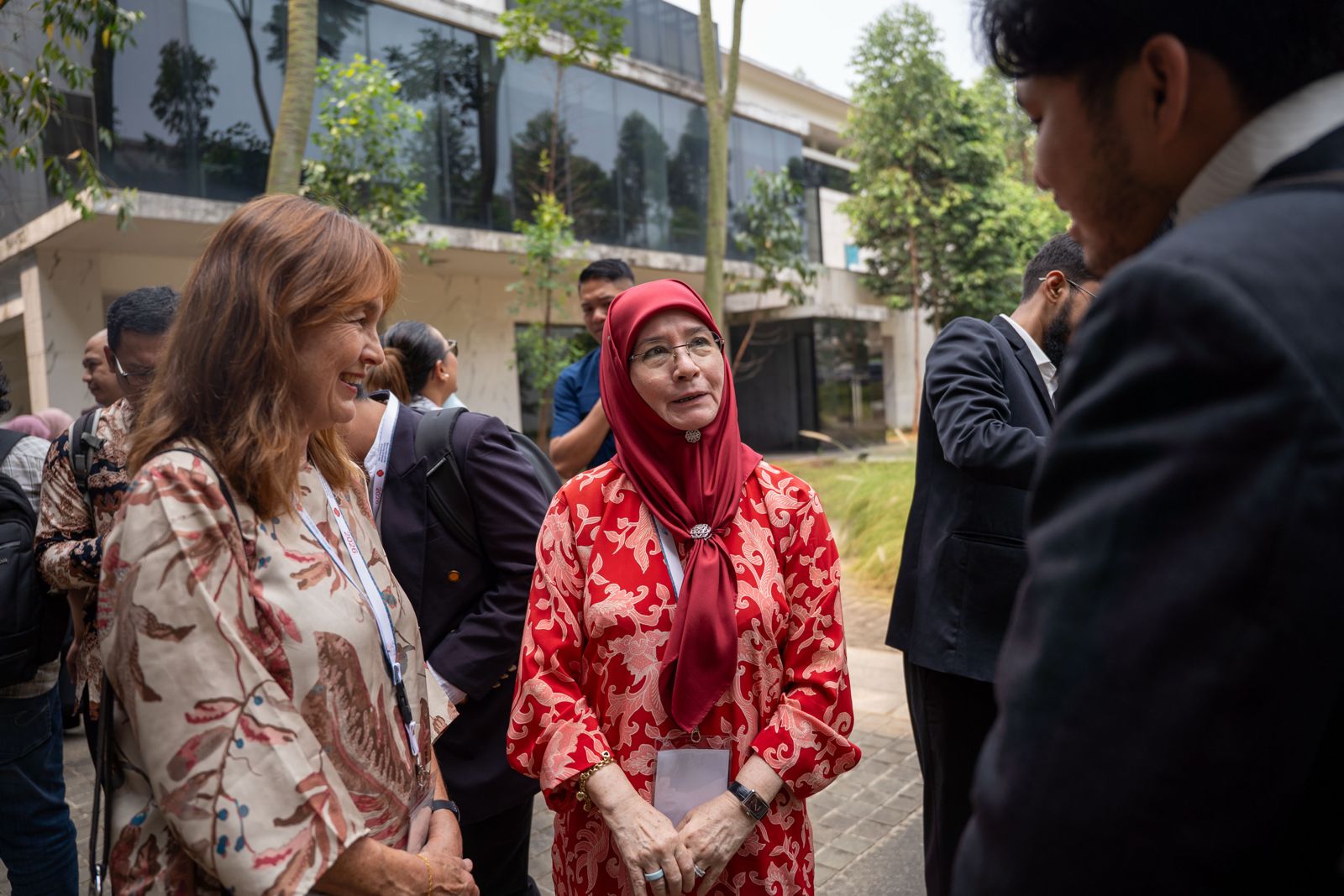
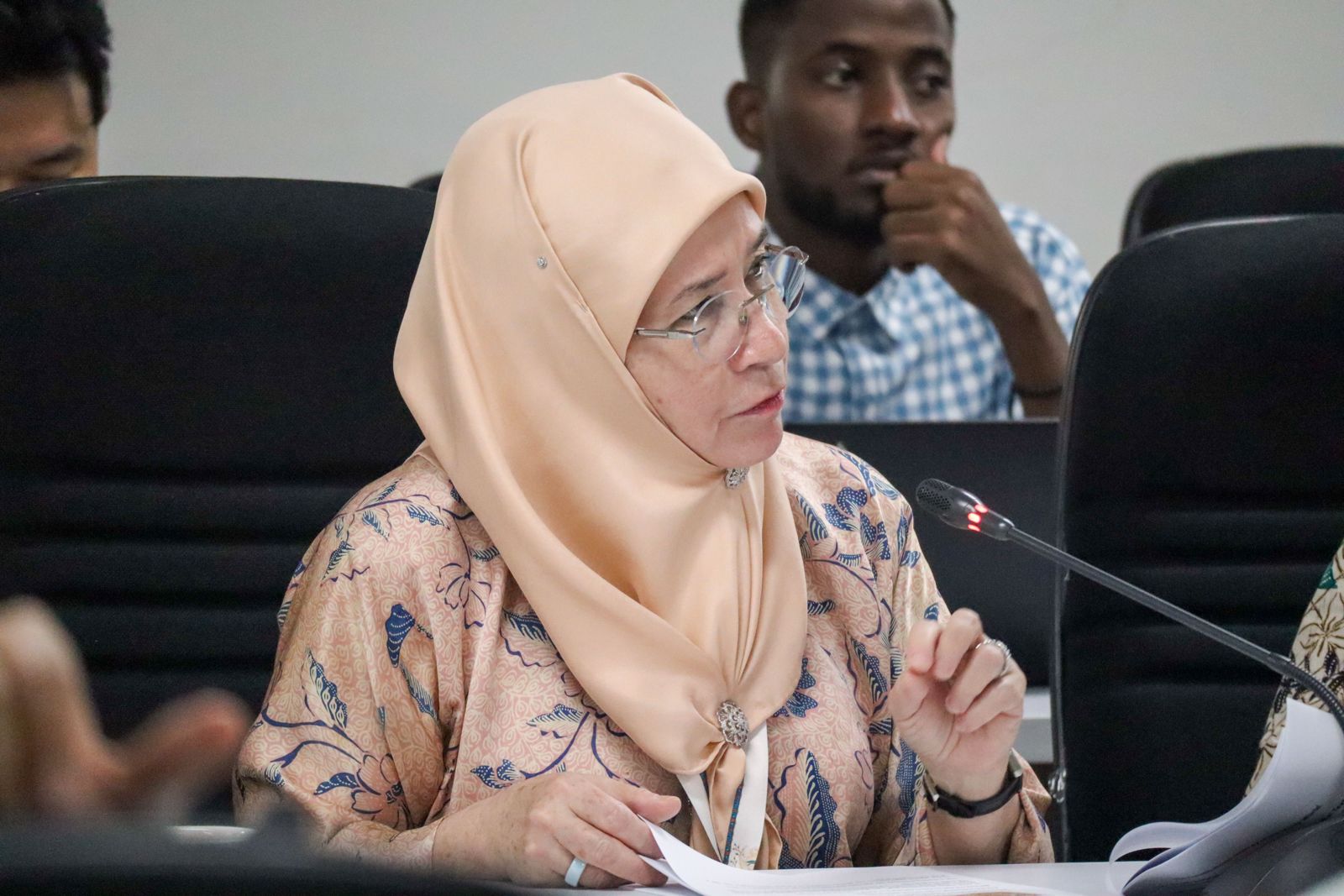
A major highlight of the two-day gathering was the participation of Her Royal Highness KDPB Tengku Ampuan Pahang Tunku Azizah Aminah Maimunah Iskandariah, who delivered a scholarly lecture exploring the enduring relationship between the Hukum Kanun Melaka and Hukum Kanun Pahang.
Her Royal Highness’s participation also marked a significant moment in UIII’s young institutional history. According to the official portal of the Pahang Royal Household, Tengku Ampuan Pahang was the first reigning royal figure to visit UIII for an academic knowledge-sharing engagement since the University began operating five years ago. Her presence therefore carried significance not only as a royal visit, but also as an important intellectual and cultural engagement between Malaysia and Indonesia.
A New International Platform for Manuscript Studies
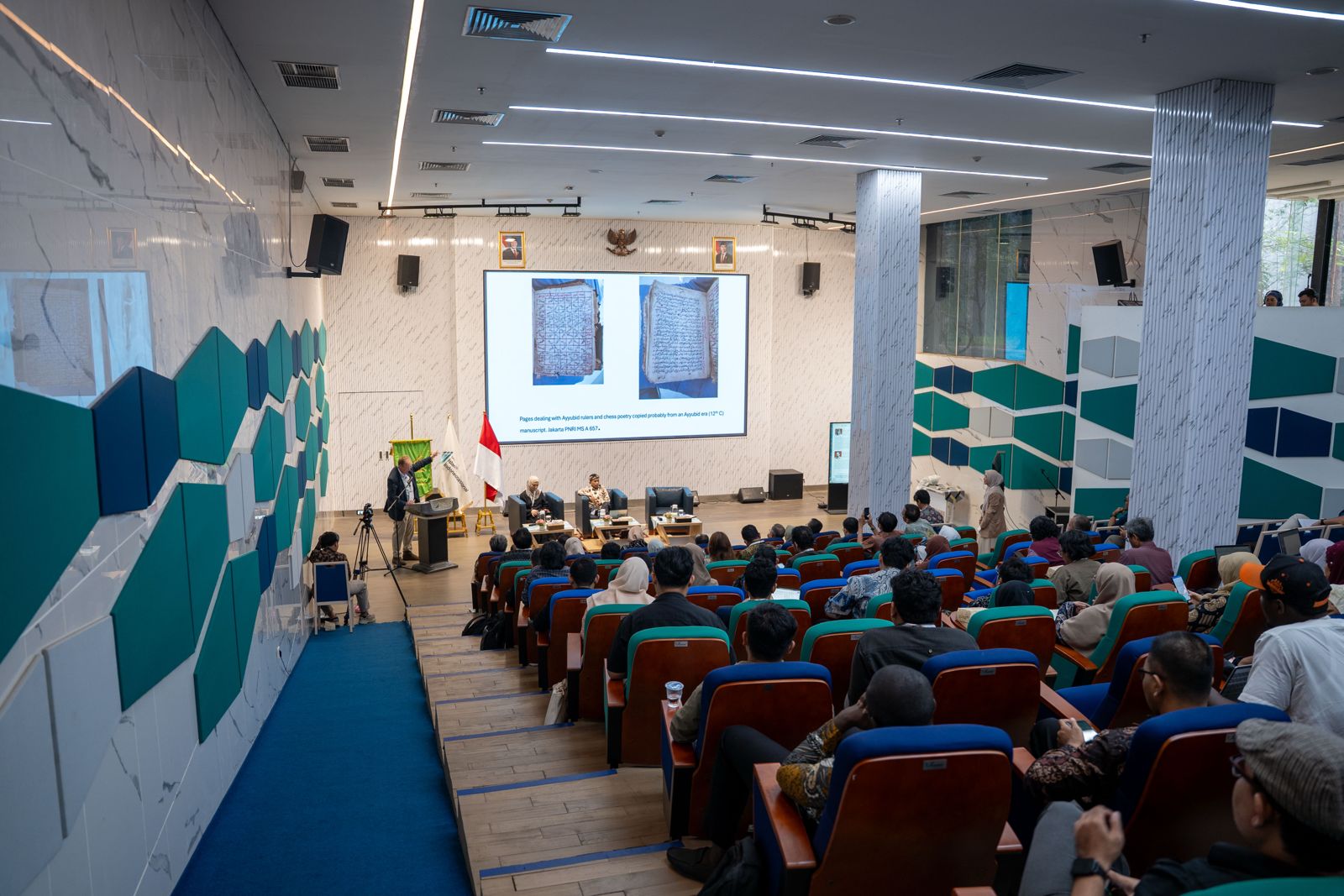
Organized by UIII’s Faculty of Islamic Studies (FIS) in collaboration with the newly established Center for Islamic Manuscripts and Written Cultures (IMWC), the conference marked the IMWC’s inaugural international conference. The Center seeks to advance research, preservation, digitization, and international collaboration in the study of Islamic manuscripts and written cultures, particularly those of Indonesia and Southeast Asia.
The conference brought together scholars working across history, anthropology, philology, art history, media studies, codicology, and digital humanities. Its central concern was the production, circulation, preservation, and interpretation of Islamic knowledge as reflected in the region’s diverse manuscript traditions.
The scale and diversity of the response demonstrated the growing international interest in Southeast Asia’s manuscript heritage. The conference received 93 abstracts, from which 22 papers were selected for presentation in parallel sessions, alongside five featured speakers. Among the distinguished scholars were Andrew Peacock, Oman Fathurahman, Annabel Teh Gallop, Farish A. Noor, and Ervan Nurtawab. The gathering involved 26 paper presenters from Malaysia, Indonesia, the United Kingdom, and Singapore, underscoring its international and regional character.
The six parallel panels addressed a wide range of themes, including legal and political authority, Sufi thought, preservation and archival challenges, scholarly authority in local Islamic traditions, Qur’anic exegesis, and the mobility and materiality of Javanese, Malay, and Chinese manuscripts.
Re-reading Malay Legal Manuscripts
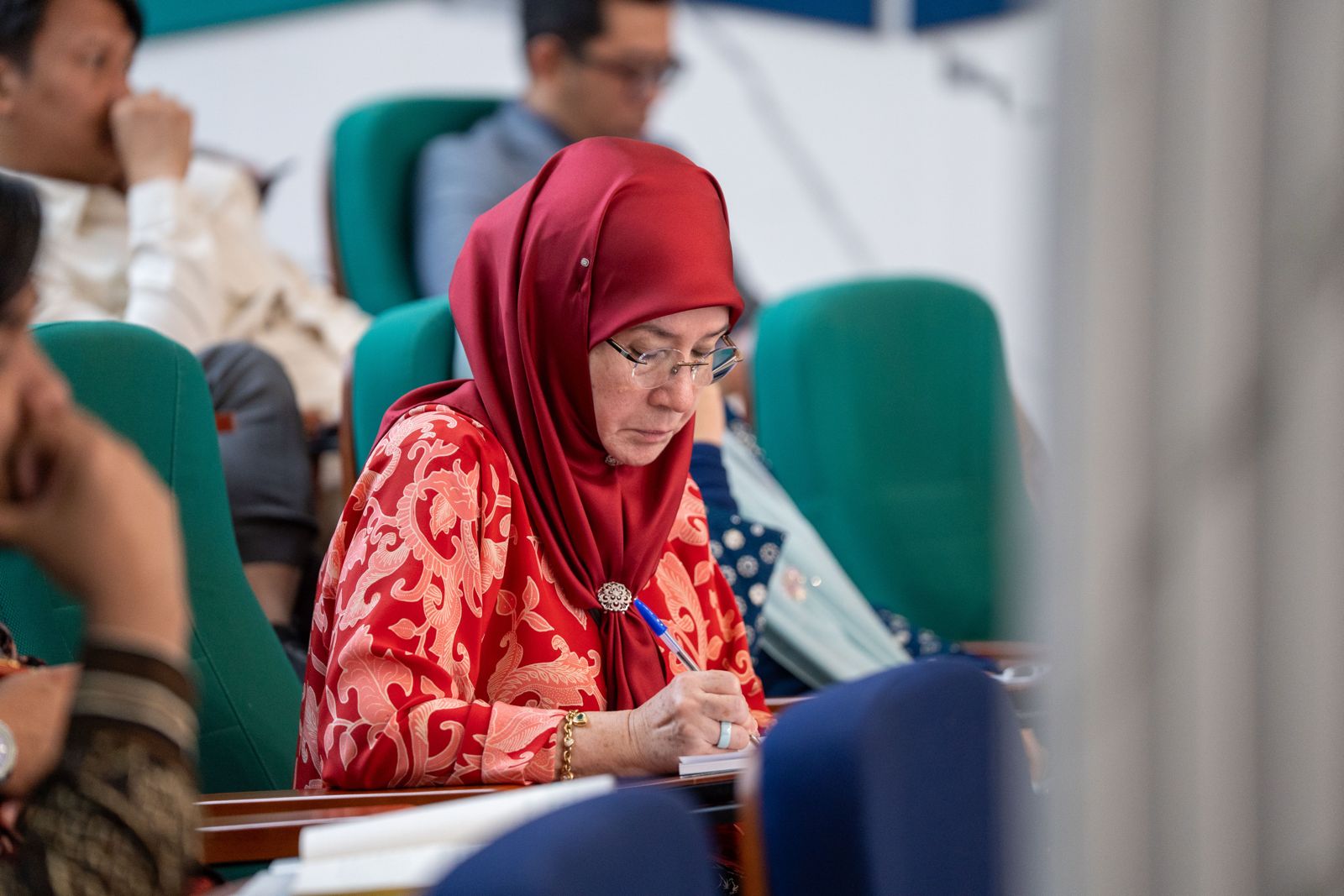
It was within this intellectual framework that Tengku Ampuan Pahang delivered her lecture, “Re-reading Malay Legal Manuscripts as Constitutional Texts: The Continuity of Hukum Kanun Melaka and Hukum Kanun Pahang.”
Her presentation proposed that the two celebrated Malay legal texts should not be treated simply as collections of old laws. Read as a whole, they reveal an architecture of governance encompassing sovereignty, the Sultan, ministers, judges and officials, justice, commerce, maritime authority, and the relationship between Islam, law, and adat.
Although Melaka fell to the Portuguese in 1511, Tengku Ampuan Pahang argued that its political and intellectual traditions had already travelled beyond the city. The establishment of the Islamic Sultanate of Pahang in 1470, more than four decades before the fall of Melaka, provided an important historical channel for the transmission of Melakan political and legal traditions.
More than a century later, Sultan Abdul Ghaffar Muhyiddin Shah, the twelfth Sultan of Pahang, preserved, refined, and codified this inherited tradition in what became known as Hukum Kanun Pahang. In this reading, Hukum Kanun Pahang represents not a separate legal world but a continuation and adaptation of the Melakan constitutional tradition to a different Malay-Islamic polity.
From Manuscripts to Constitutional Thought
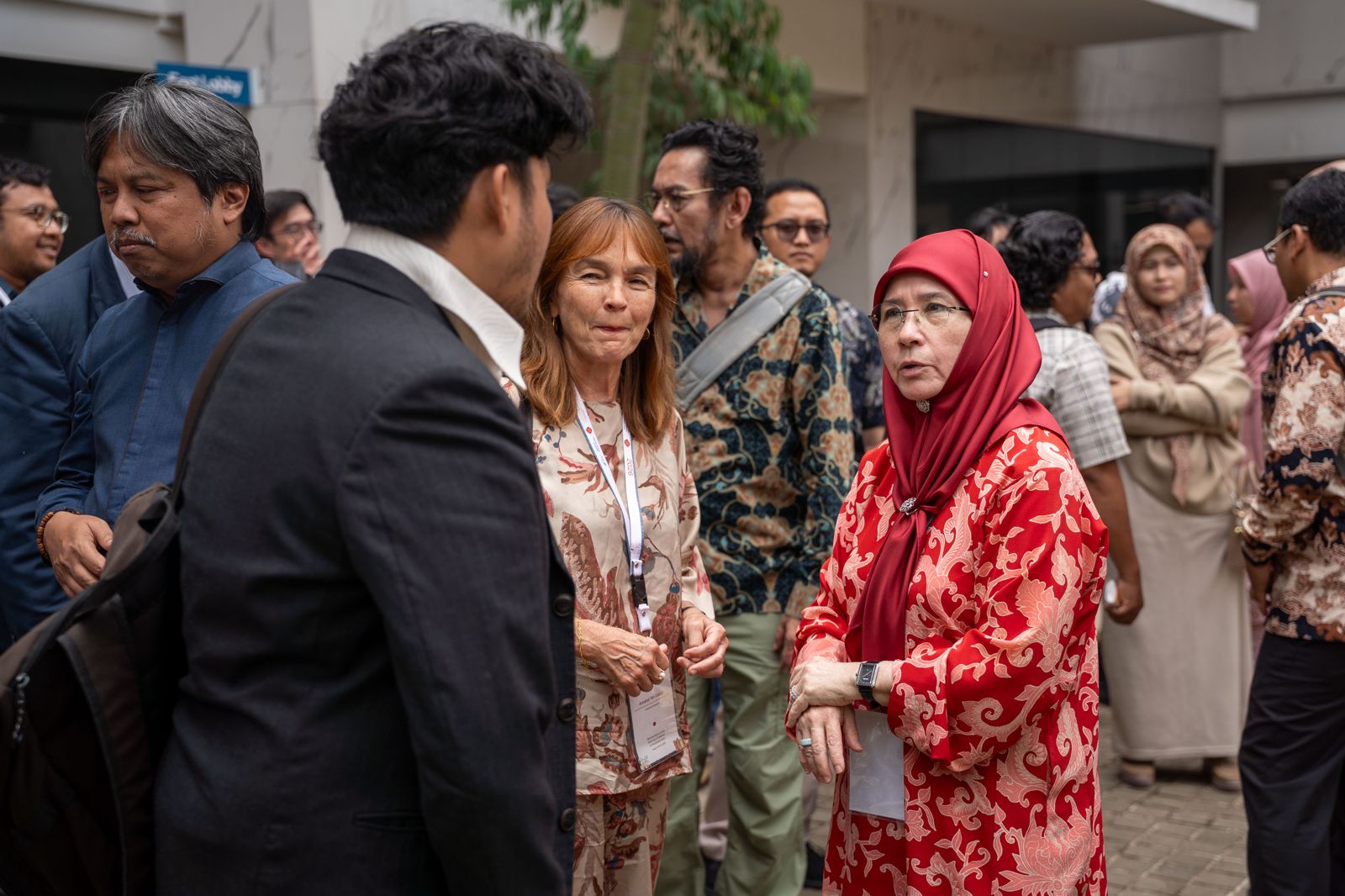
One of the most striking aspects of the lecture was Tengku Ampuan Pahang’s reflection on how manuscript research had changed her own understanding of Malay political history.
Her initial working framework had been “From Absolute Monarchy to Constitutional Monarchy.” Yet the evidence in the manuscripts led her to reconsider the assumption that Malay monarchy had historically been “absolute” in the sense of authority operating without legal or normative constraints.
Instead, the manuscripts suggest that political authority operated within an order shaped by Islam, law, adat, justice, institutional responsibilities, and expectations of governance.
Tengku Ampuan Pahang carefully distinguished this historical tradition from modern constitutional democracy. Her argument was not that premodern Malay political systems were identical to modern constitutional states, but that ideas of ordered government, sovereignty under law, responsibility, justice, and institutional authority have deeper roots in the Malay-Islamic world than is sometimes acknowledged.
Her research also highlighted the survival of several complete Pahang manuscripts. Manuscript D returned to Pahang from Patani in 1993, Manuscript E followed in 1999, while Manuscript F was discovered in March 2026 and is currently undergoing conservation.
Read together, these manuscripts reveal not merely preservation but a process of transmission, adaptation, and intellectual development across generations. Related legal traditions also appeared in Brunei, Riau, Sambas, Perak, and Aceh, suggesting a wider family of Malay-Islamic legal and constitutional texts.
Academic Significance
For UIII, Tengku Ampuan Pahang’s presence was particularly meaningful because it brought together two dimensions of the University’s international mission: academic scholarship and civilizational engagement.
The visit connected UIII directly with the living heritage of the Malay world while placing a member of the Pahang royal institution in dialogue with scholars of Islam, manuscripts, law, history, and Southeast Asian intellectual traditions.
It also highlighted the close historical connections between Indonesia and Malaysia, not simply as neighboring modern nation-states, but as parts of a much older Malay-Islamic intellectual and cultural world linked through language, Islam, trade, dynastic relations, scholarship, and manuscript traditions.
The Pahang Royal Household described the occasion as a knowledge-sharing engagement and noted the enthusiasm of the UIII community in welcoming Her Royal Highness.
For UIII, the significance extends beyond the ceremonial dimension of a royal visit. It demonstrates the University’s potential to serve as a platform where royal institutions, scholars, manuscripts, and intellectual traditions meet in a contemporary academic setting.
Recovering a Shared Intellectual Heritage
The conference also drew attention to the dispersed nature of Southeast Asia’s manuscript heritage. Around 1,500 Southeast Asian Qur’anic manuscripts are known today, with significant collections located both within the region and in Europe. Digitization initiatives are now making it increasingly possible for scholars and communities to reconnect with this dispersed heritage.
For UIII, these developments reinforce the importance of the IMWC as a long-term institutional initiative. The Center aims not simply to preserve manuscripts as historical artifacts, but to investigate the intellectual journeys, scholarly networks, educational traditions, and cultural encounters embodied in them.
Tengku Ampuan Pahang’s lecture provided a compelling illustration of precisely this approach. Her reading of Hukum Kanun Melaka and Hukum Kanun Pahang demonstrated how a manuscript can open questions far beyond its legal provisions, to questions of sovereignty, political authority, constitutional thought, Islam, language, and the historical imagination of the Malay world.
The central message of her lecture was captured in its evocative title: “Kota Melaka Jatuh, Tetapi Melaka Tidak Mati,” the city of Melaka fell, but Melaka did not die.
Its political center may have fallen in 1511, but its people moved, its language travelled, its legal traditions circulated, and its dynastic and intellectual heritage continued. As Tengku Ampuan Pahang concluded, Melaka gave birth to the tradition, Pahang preserved and refined it, and the wider Malay world inherited it.
In bringing this conversation to UIII, the international conference demonstrated how the study of manuscripts can illuminate not only the past but also the continuing intellectual connections that bind the Muslim communities of Southeast Asia together.
For UIII, it was therefore more than a conference about old texts. It was an opportunity to reaffirm Southeast Asia’s place in the global history of Islamic knowledge, and to strengthen the University’s role as an international meeting point for the study of Islam, manuscripts, and the intellectual heritage of the region.