Depok — Walk into any news feed these days and you will see plenty about the United States, China, the Middle East and Europe. But what about the place where one out of every four people on earth actually lives?
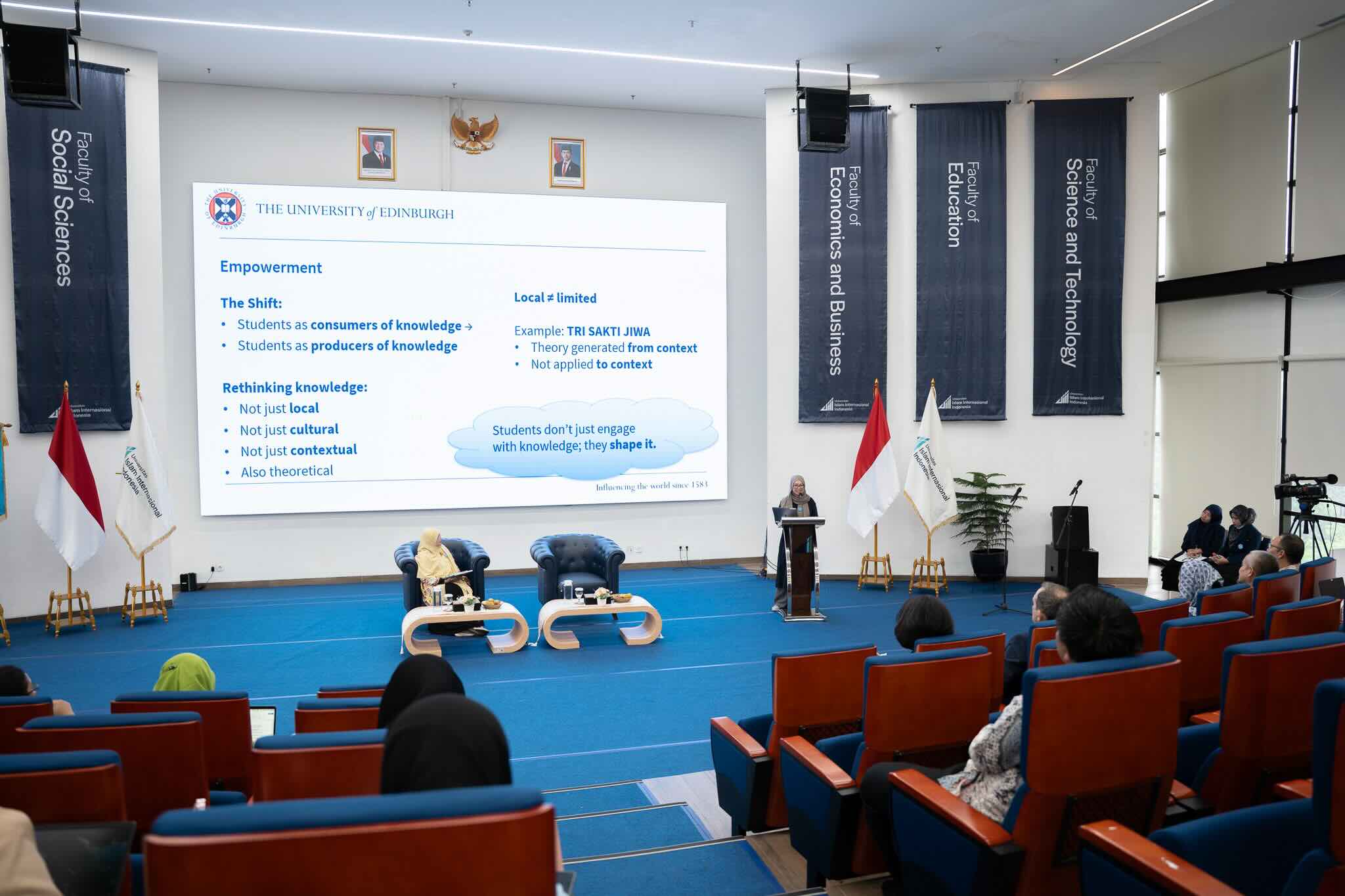
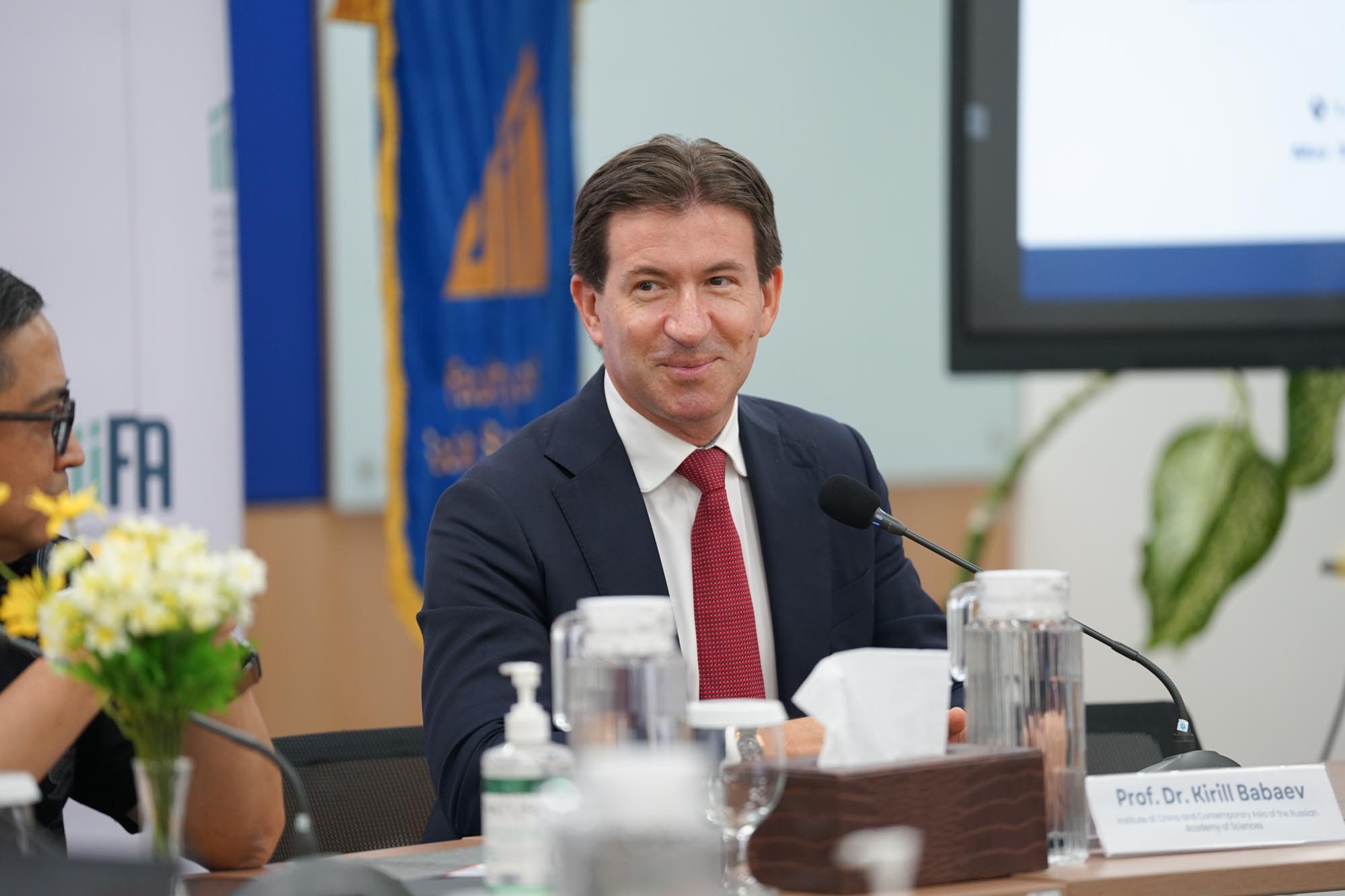
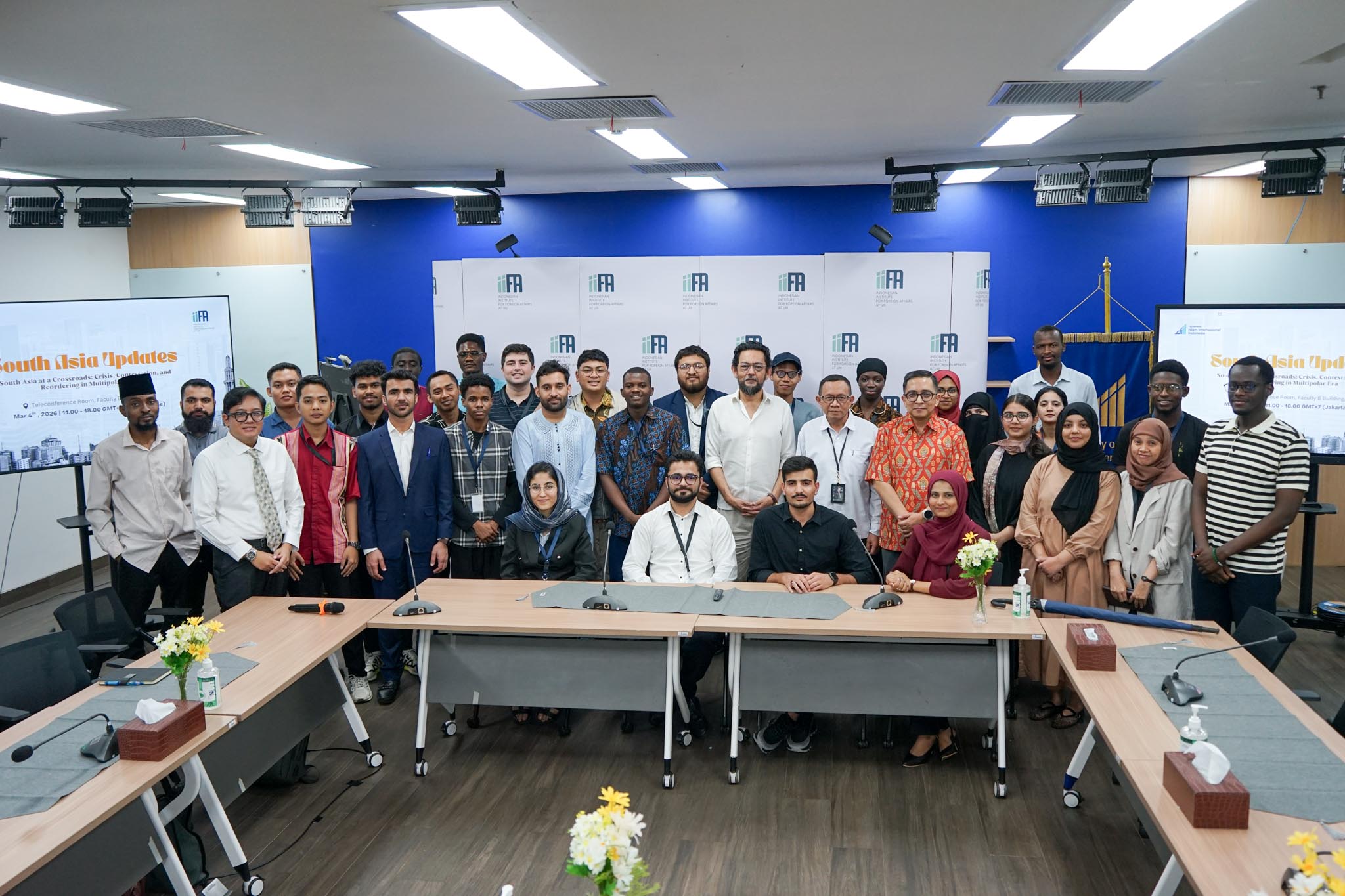
On March 4th 2026, the Faculty of Social Sciences (FOSS) Universitas Islam Internasional Indonesia (UIII) tried to fix that imbalance. The university brought together graduate students and scholars for the first-ever South Asia Updates, a day-long conversation about a region that rarely gets the attention it deserves.
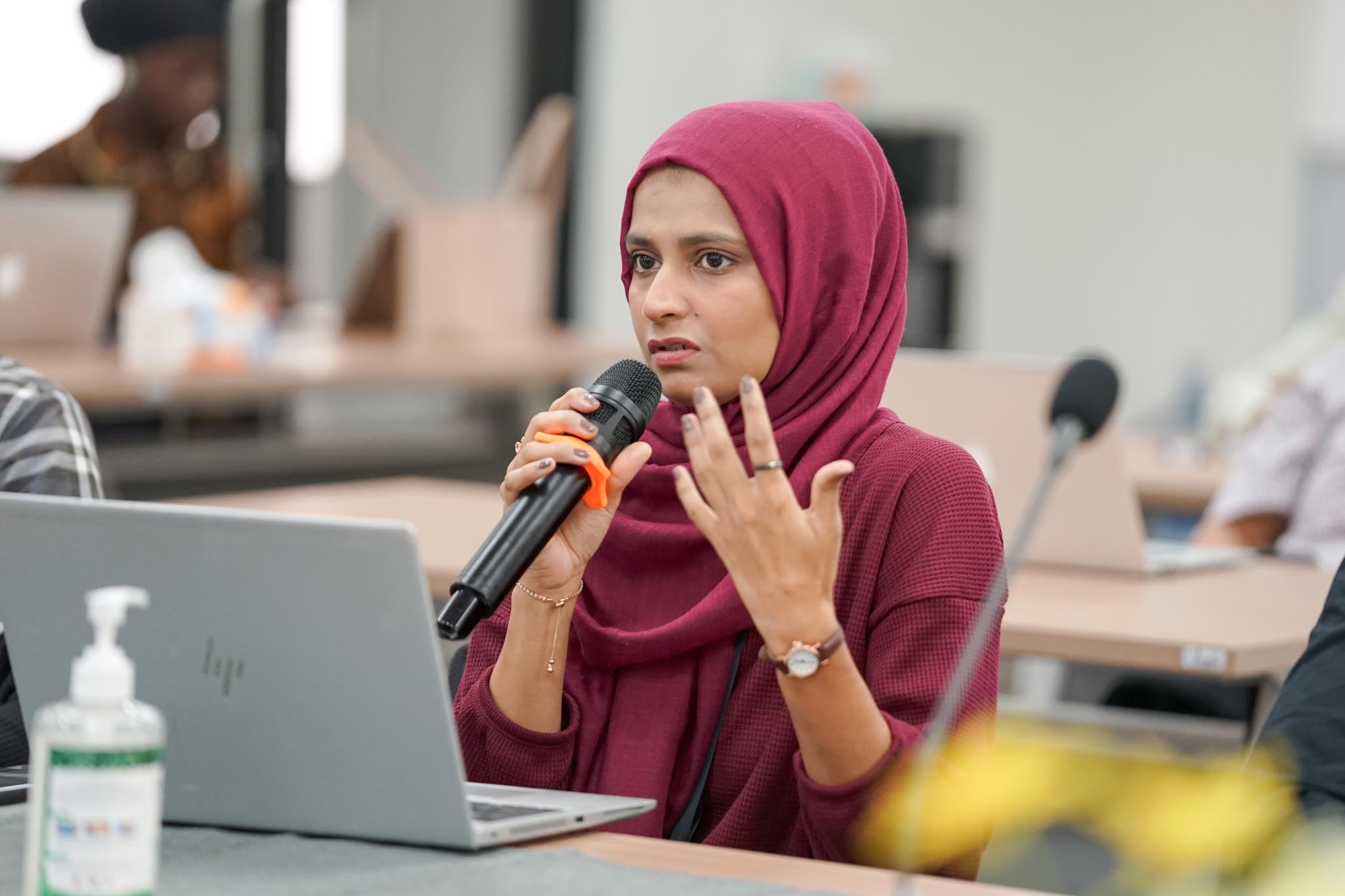
Why South Asia Matters
Here is a quick reality check: South Asia holds nearly two billion people. It has two nuclear-armed countries. It sits at the crossroads of major trade routes. And it is dealing with everything from border fights to melting glaciers.
According to Philips J Vermonte, the Dean of FOSS, the event’s title, “South Asia at a Crossroads” truly captured the moment. He said, “the region is pulled in multiple directions.” Old rivalries persist. New powers are courting South Asian governments. “Meanwhile, common people are dealing with floods, protests, and economies that do not always work in their favor.”
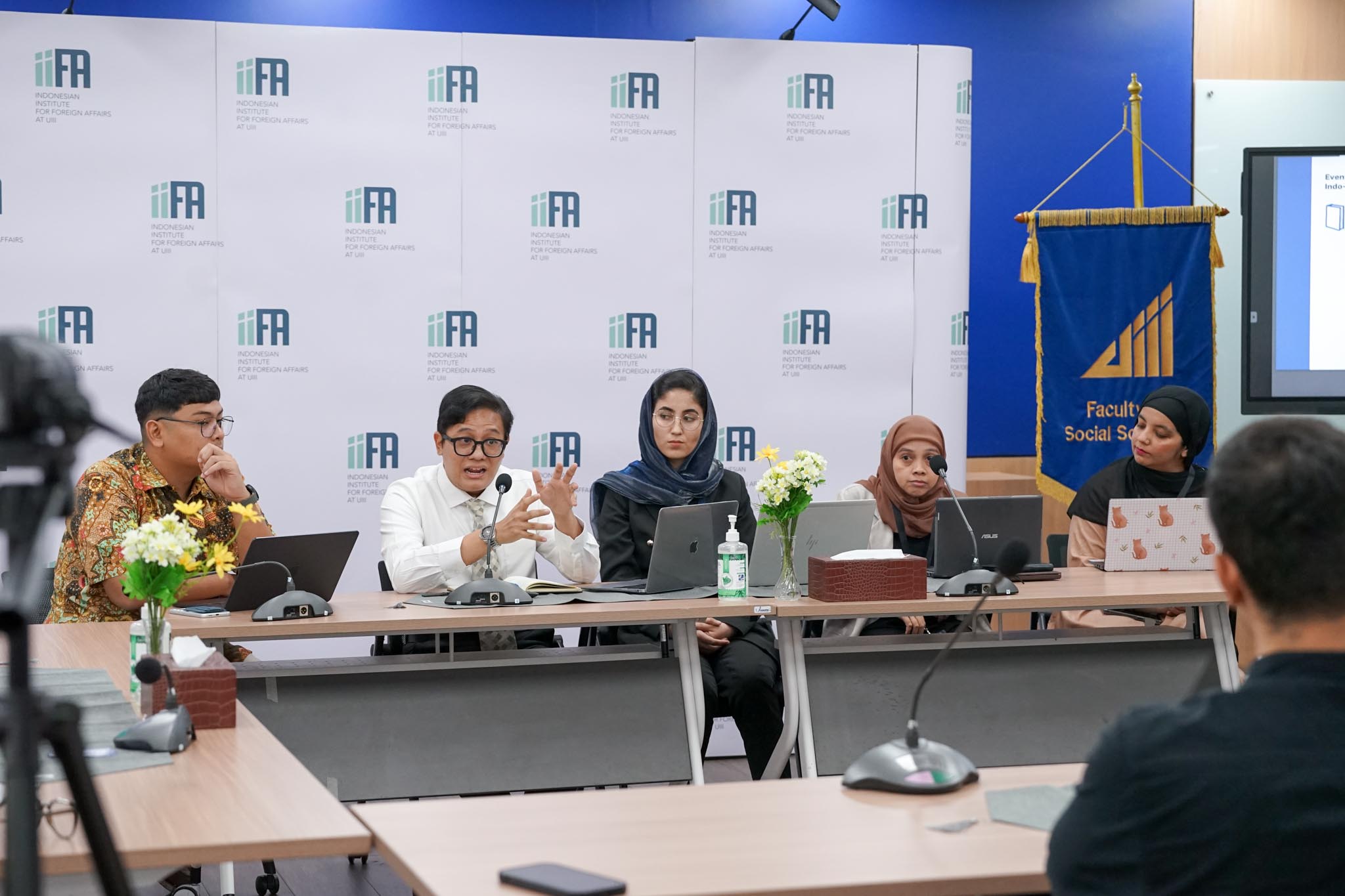
Four Big Themes
This student-run forum moved through four main topics, each touching on a different layer of South Asian life.
First up: conflict. Students and scholars walked through the tensions everyone knows about, India and Pakistan, but also the ones that get less coverage. Youth protests in Bangladesh and Nepal have shaken governments. Border skirmishes come and go. The Afghanistan-Pakistan relationship remains fragile. The takeaway? Instability in one country tends to spread to its neighbors.
Then came climate change. This one hit differently. South Asia is unusually vulnerable to extreme weather. Bangladesh faces rising seas. Afghanistan deals with drought. Speakers pointed out something frustrating: countries in the region barely talk to each other about any of this. The problems are shared. The solutions are not.
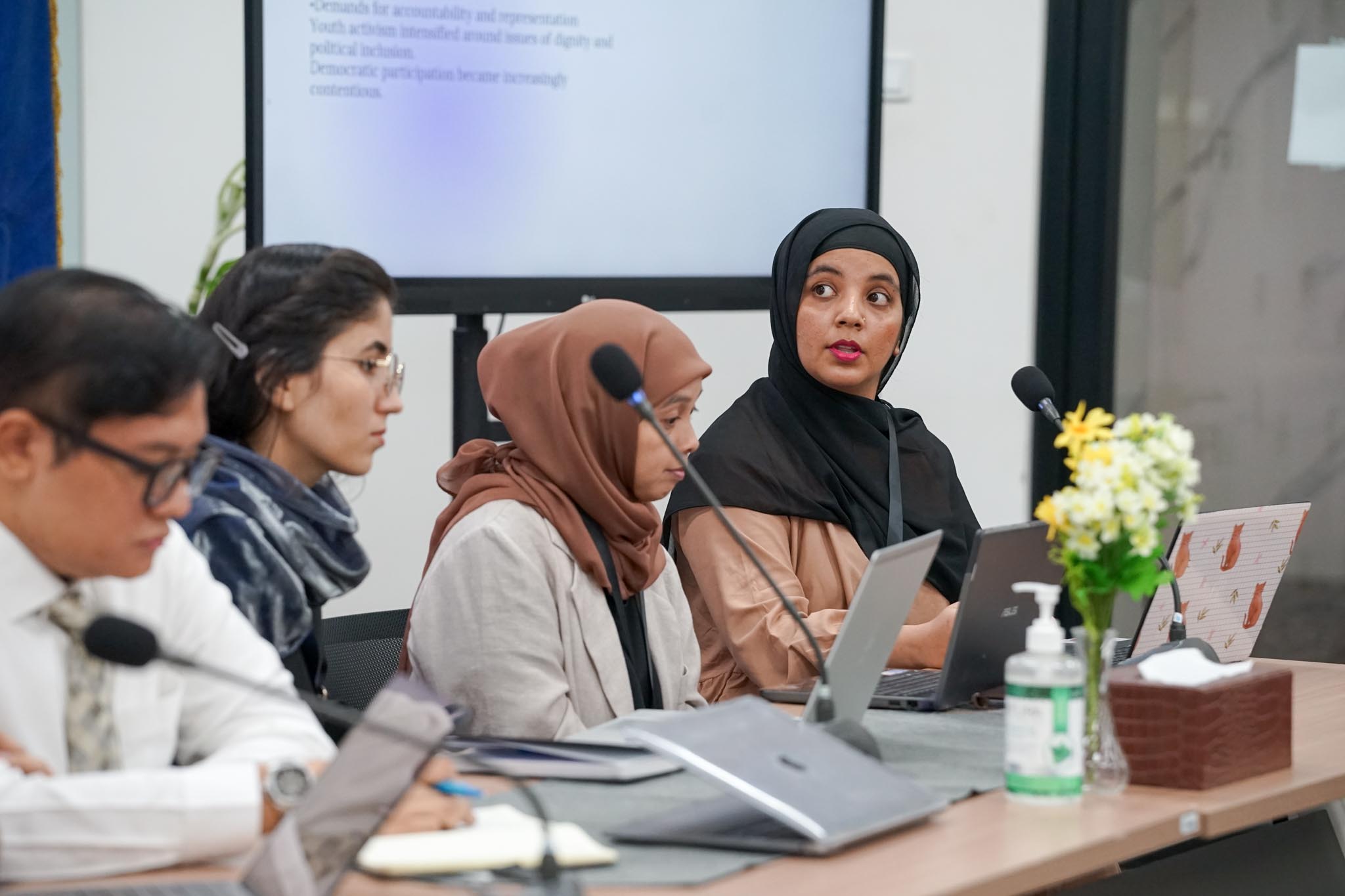
The third panel looked at regional cooperation, or the lack of it. SAARC, the main group meant to bring South Asian countries together, has basically stopped working. Leaders have not met since 2014. Without that forum, countries are making their own deals with outside powers. China, the United States, and others are stepping in, each pursuing their own interests.
Finally, the conversation turned to money and resources. Who benefits when an economy grows? Who gets left behind? Students and scholars talked about debt problems, uneven development, and the ways resources get divided up, usually in favor of the powerful.
More Than an Academic Exercise
Here is the thing about events like this: they do not produce instant solutions. No one walked out with a peace plan for the region. But that was never the point.
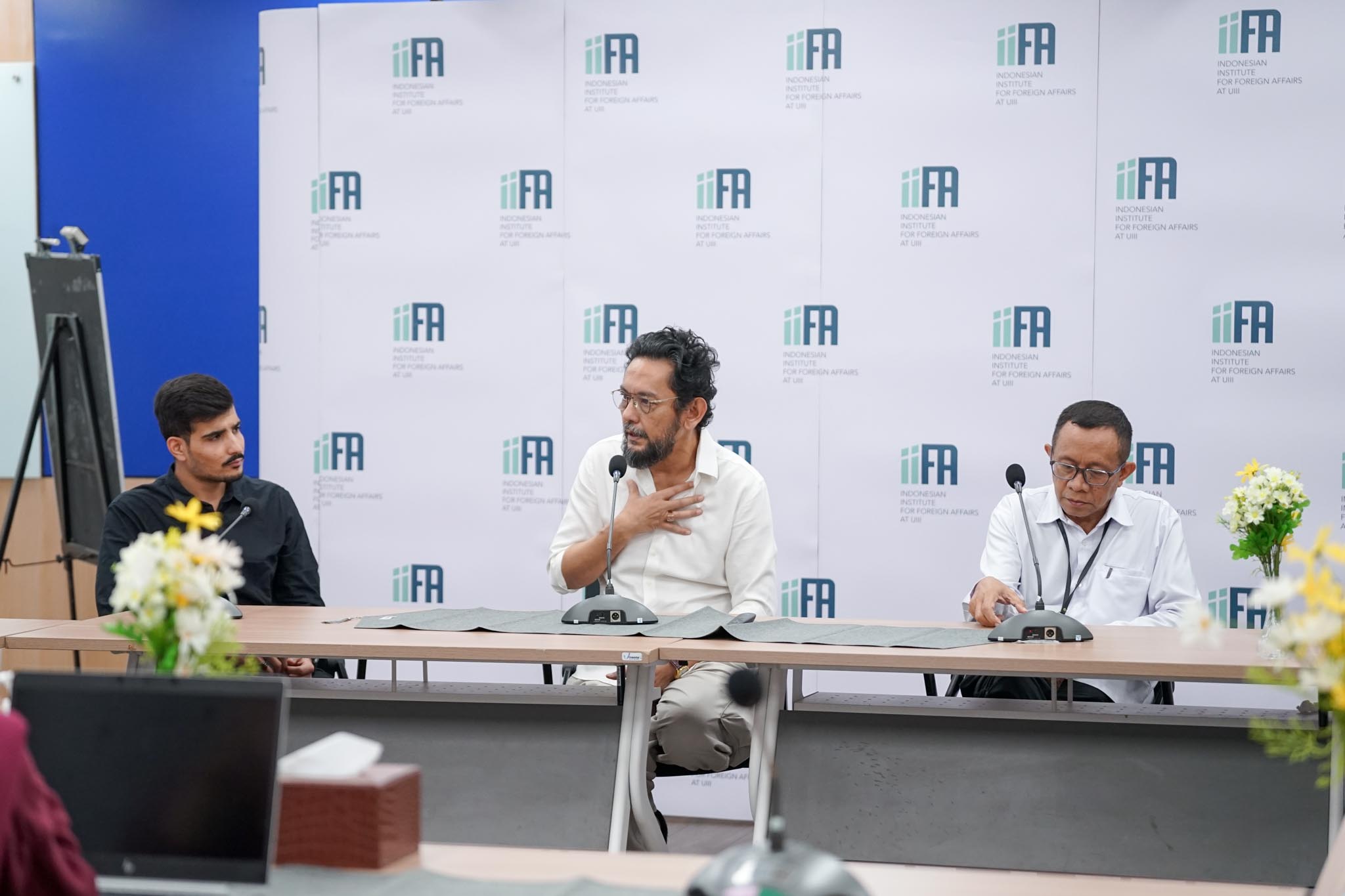
The goal was simpler and maybe more important. For Dr. Riefqi Muna, a lecturer at FOSS who was a discussant at a panel in the last session, the event was about creating space for sustained attention. “South Asia changes fast. The way these graduate students and scholars talk about it needs to keep up.”
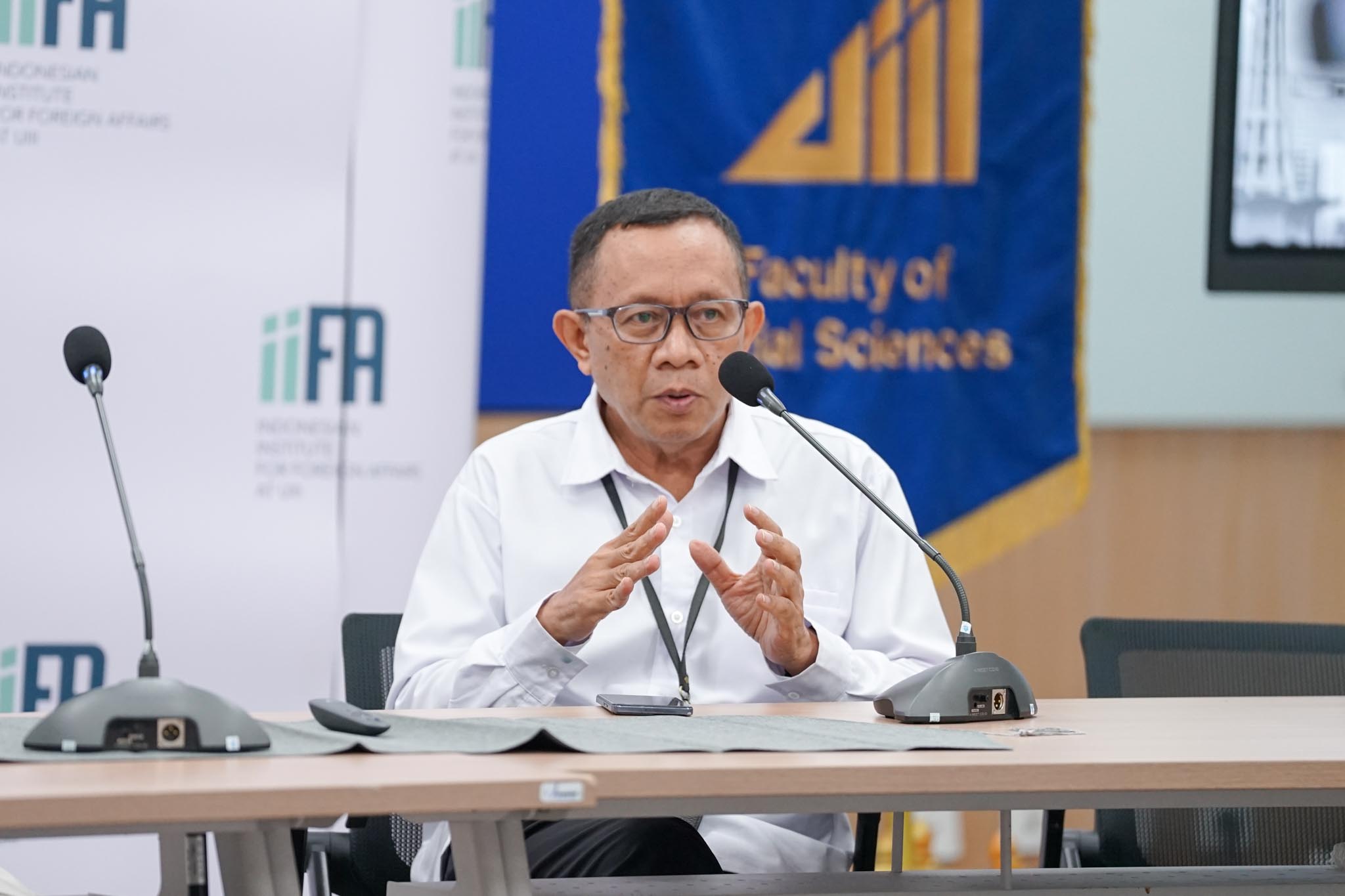
Organizers see this as just the beginning. The Regional Updates initiative will grow over time. More regions will get the same treatment. The idea is to build a platform where serious, grounded discussion can happen regularly, not as a one-off, but as part of FOSS UIII’s ongoing work.
For the graduate students and faculty at FOSS who filled the room, the day offered something valuable: a chance to look closely at a part of the world that shapes global events but often gets reduced to headlines. The conversations were complicated. The questions were hard. That was exactly the point. []