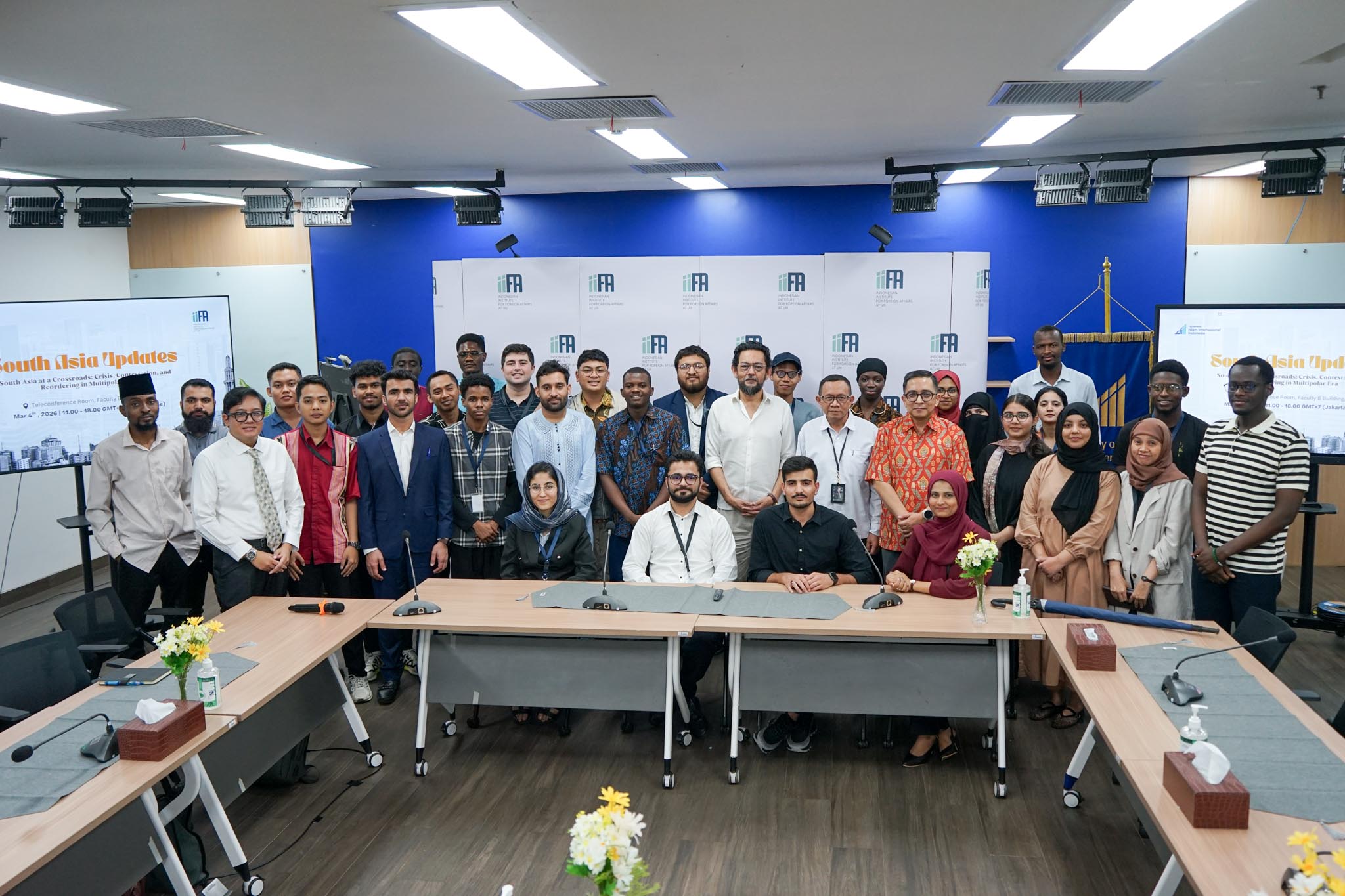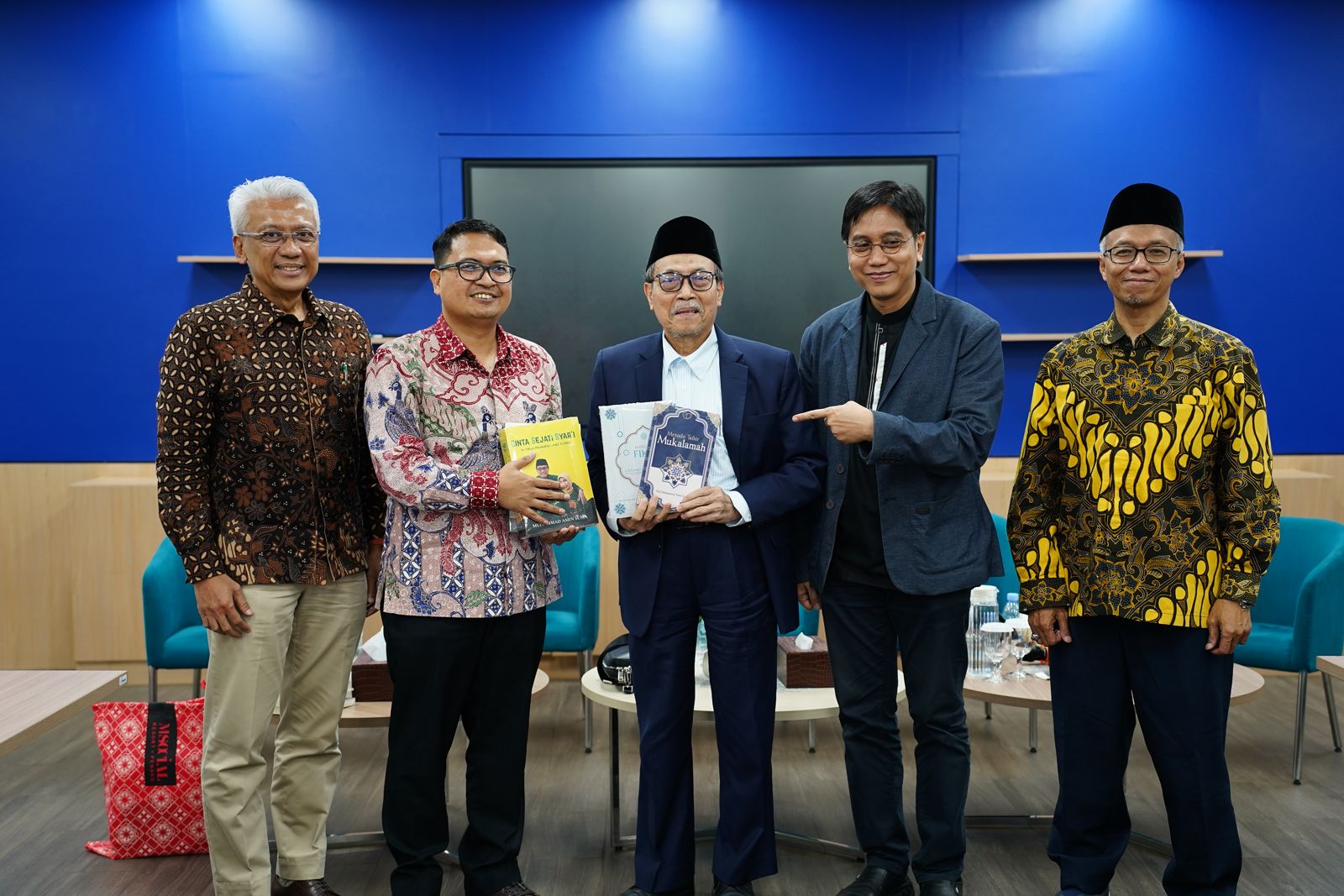
Depok, Indonesia — The Faculty of Economics and Business (FEB) at Universitas Islam Internasional Indonesia (UIII) held a comprehensive discussion on the intersections of taxation, fiscal sustainability, and Islamic economic teachings during its latest EconInsight Forum, titled “Taxation Policy in Fiscal Sustainability and Islamic Perspective,” on December 10, 2025.
The forum brought together religious scholars, economic policy experts, and sharia finance practitioners to examine Indonesia’s fiscal challenges and the potential synergy between Zakat and Taxation in supporting national development. The discussion, moderated by Teguh Yudo Wicaksono, Ph.D. Dean of FEB UIII, highlighted both the theological continuity of Zakat and the practical necessity of strengthening the state’s tax system.
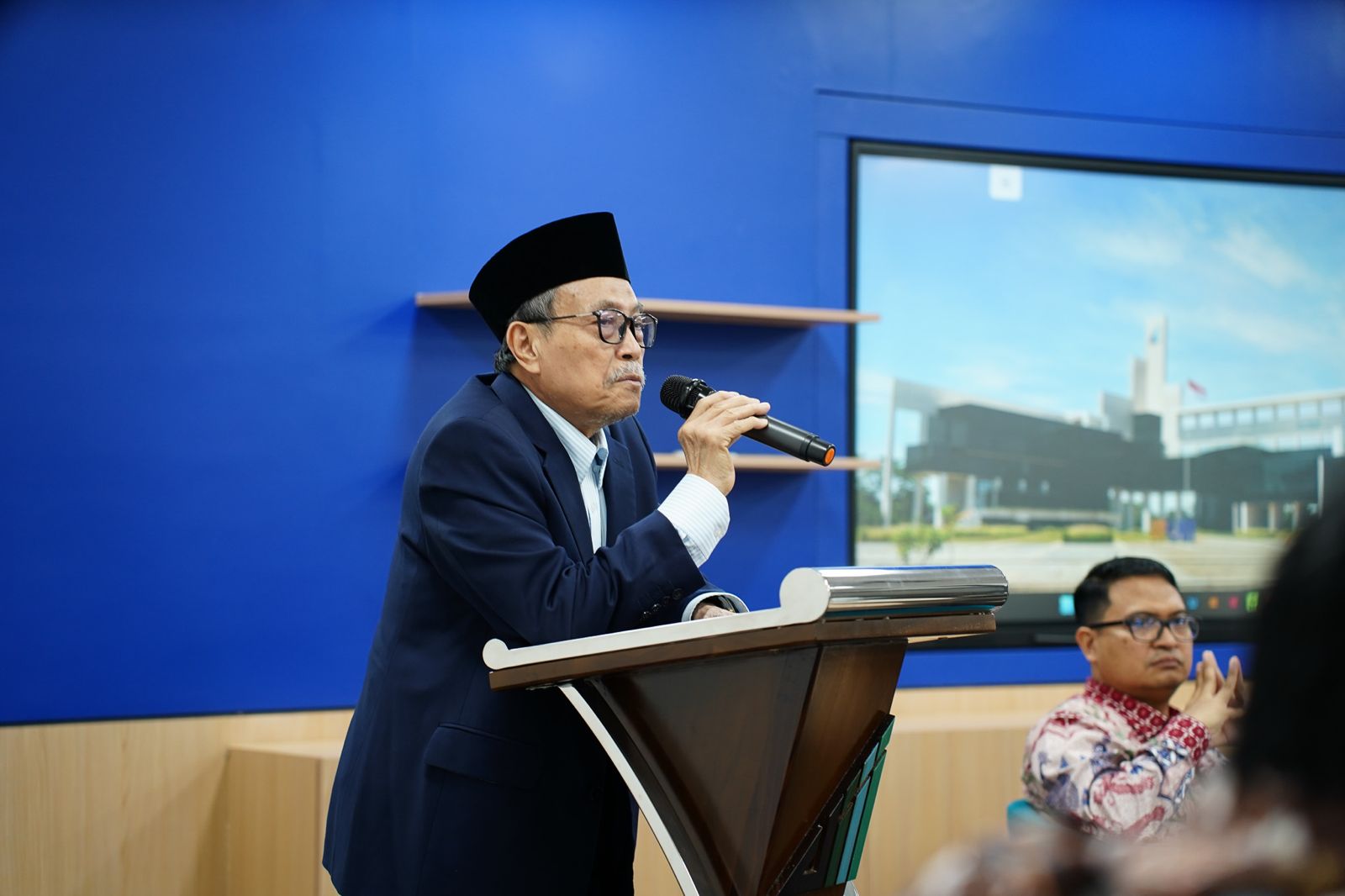 Starting the discussion, Prof. Dr. KH. Muhammad Amin Suma, Vice Chair of the Fatwa Commission of MUI Central, underscored the immutable nature of Zakat as a divine command. He traced its origins to early prophetic eras, asserting that Zakat has never changed in substance or percentage since becoming a pillar of Islam. He emphasized Zakat’s fixed progressive rates—2.5%, 5%, 10%, up to 20%—as a system designed for simplicity, justice, and universal compliance. Unlike taxation, he noted, Zakat relies on spiritual consciousness rather than state enforcement, enabling it to grow as more people contribute.
Prof. Suma also highlighted the transformative potential of the MUI Fatwa on Occupational Zakat issued in 2003, noting that Indonesia’s Zakat potential is estimated at IDR 327 trillion, with some studies projecting it may surpass IDR 1,000 trillion. He added that recent consultations between the Ministry of Finance and MUI demonstrate growing recognition of the shared principles between Islamic jurisprudence and modern economic classifications.
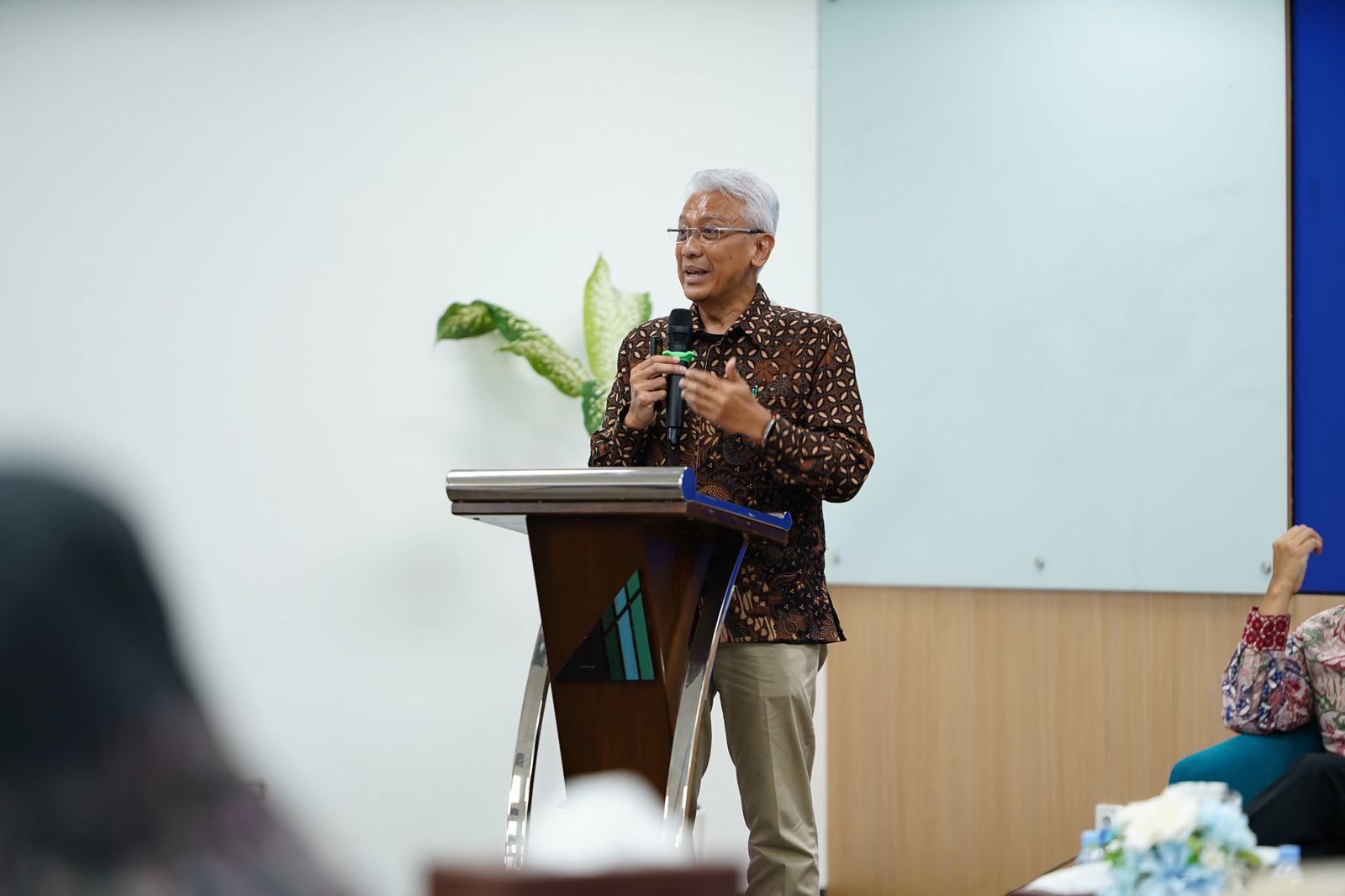 The economic urgency behind tax reform was outlined by Rubino Sugana, Principal Adviser (Revenue Lead) at Prospera. He noted that Indonesia’s aspirations to become a developed nation by 2045 require significantly higher public spending, particularly in infrastructure, health, education, and transportation. While advanced economies often spend more than 20% of their GDP, Indonesia remains at approximately 17%.
Mr. Sugana raised concerns about the declining tax-to-GDP ratio, the frequent shortfall in tax collection targets, and the country’s dependence on commodity windfalls. With rising debt interest obligations and limited alternative revenue sources, he argued that strengthening tax collection is unavoidable. He also highlighted the persistent challenge of designing a system that balances justice, efficiency, and administrative ease. High-income inequality and difficulties in taxing the wealthiest citizens complicate this effort, while regional property taxes continue to struggle with assessing true ability to pay.
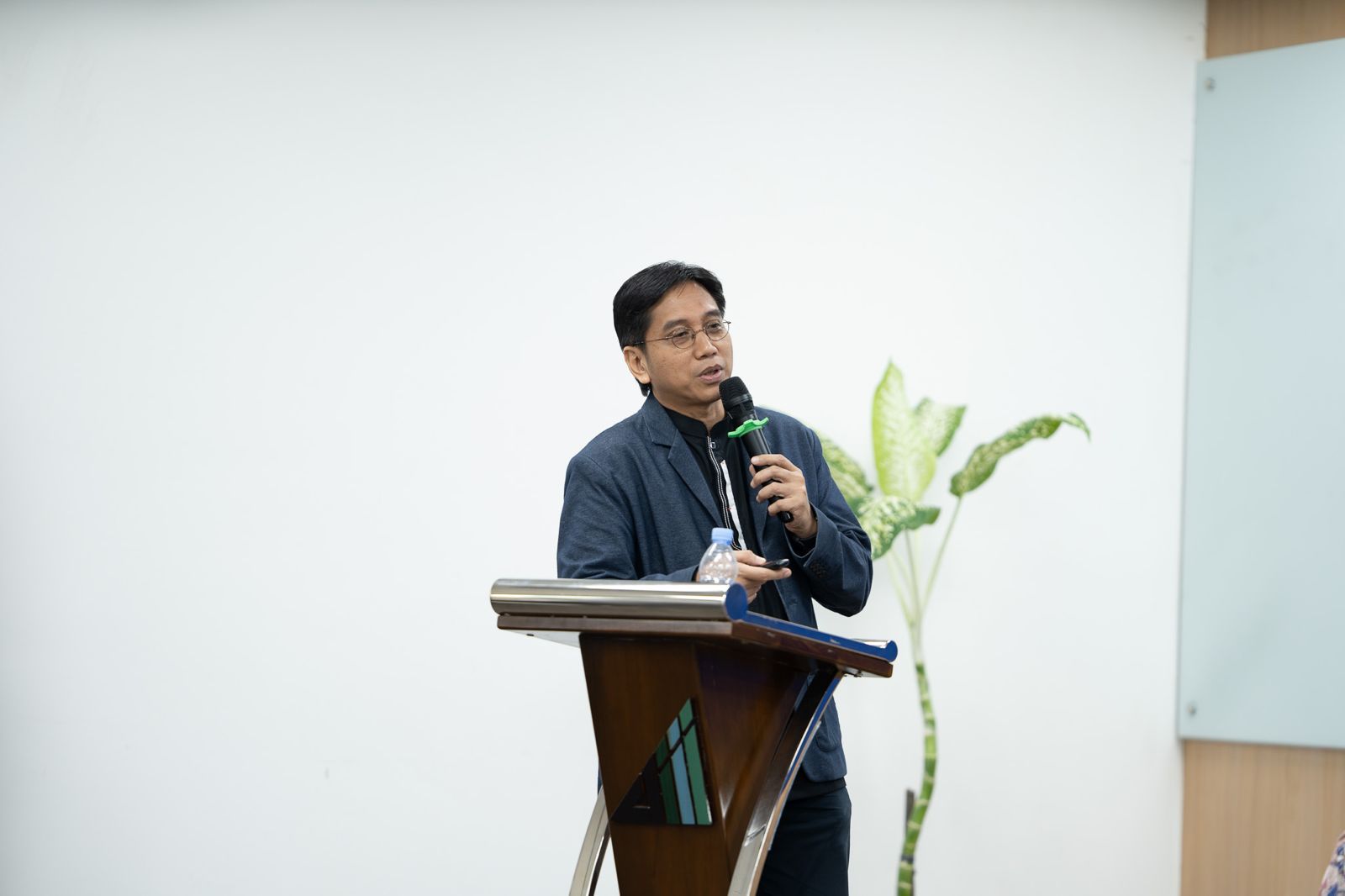 Offering a contrasting yet complementary perspective, M. Gunawan Yasni, a Shariah finance practitioner, argued that Indonesia’s dual system of Zakat and taxation has yet to reach meaningful integration. He emphasized that both instruments should serve the same moral purpose: ensuring the circulation of wealth from the rich to the poor. However, he warned that wealth often stagnates among the affluent, making it harder for the state to capture revenue.
Mr. Yasni questioned the efficiency of conventional taxation, pointing out that a large portion of tax revenue—up to 70%—is absorbed by routine state expenditures, leaving limited benefits for the public. Drawing on international examples such as Estonia and New Zealand, he suggested adopting a Single Tax Rate (STR) to simplify compliance and reduce incentives for tax avoidance. He argued that Zakat’s fixed-rate model offers insight into how a simpler system can still ensure justice and economic balance.
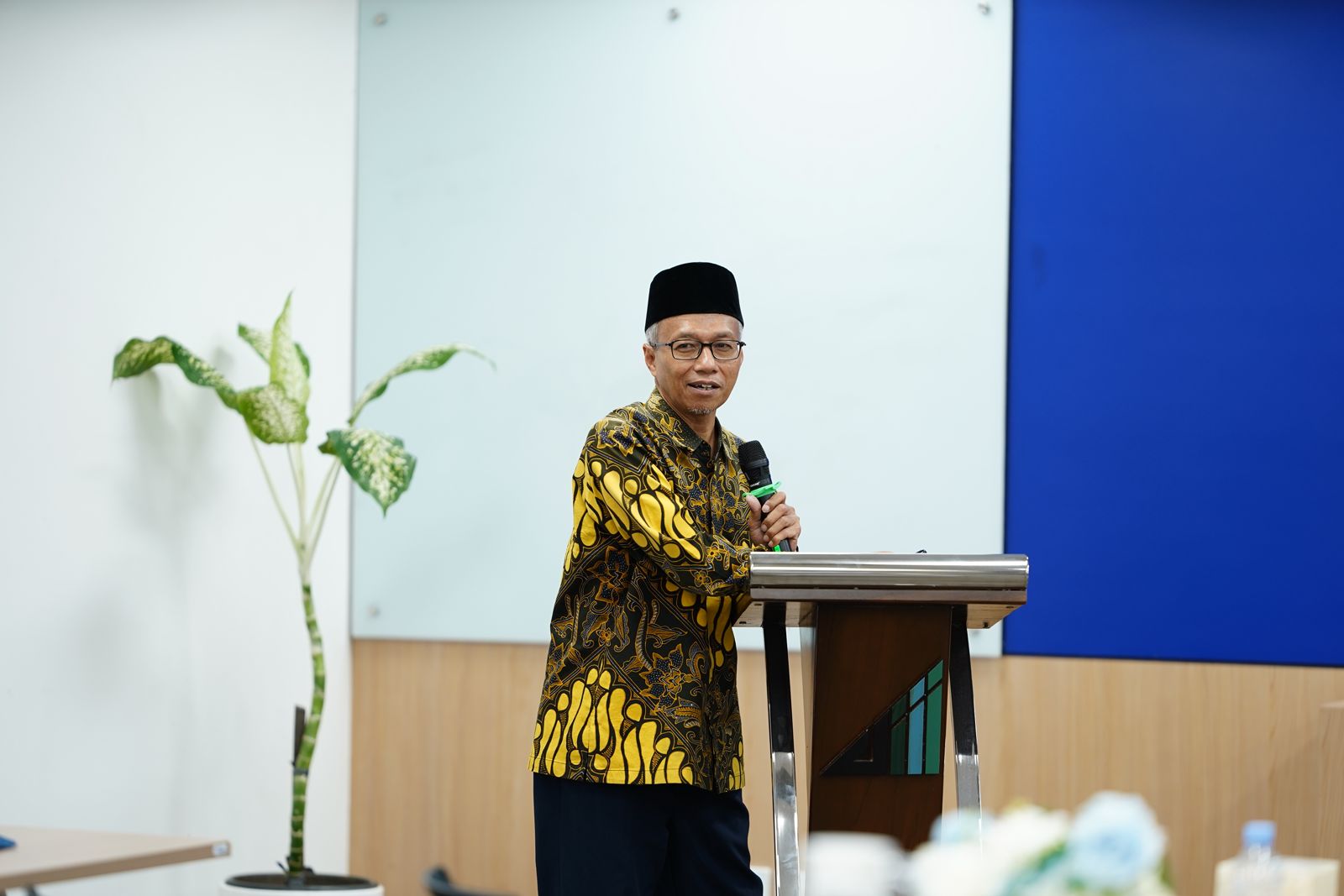 Meanwhile, Ugi Suharto, PhD, Lecturer at FEB UIII explained that before Islam, the Arabian Peninsula was strongly influenced by the Persian and Byzantine empires. Their currencies—the dirham and the dinar—were used by the Prophet Muhammad because Islam did not yet have its own coinage. This shows, he said, that money and currency are practical matters, not strict religious rules.
He also noted that early Islamic governance combined Zakat for Muslims and Jizyah for non-Muslims as part of its fiscal system. Over many centuries, Islamic empires developed more forms of taxation while keeping Zakat at the center. Dr. Suharto stressed that this long history can help Muslims today think about how Zakat and taxation can work together again in a modern state.
The forum concluded with a consensus that Indonesia faces pressing fiscal challenges, but solutions need not be detached from the nation’s Islamic identity. Participants agreed that integrating Islamic economic principles, particularly those centered on fairness and wealth circulation, could strengthen both tax policy and social welfare—ultimately contributing to a more equitable and sustainable national economy.