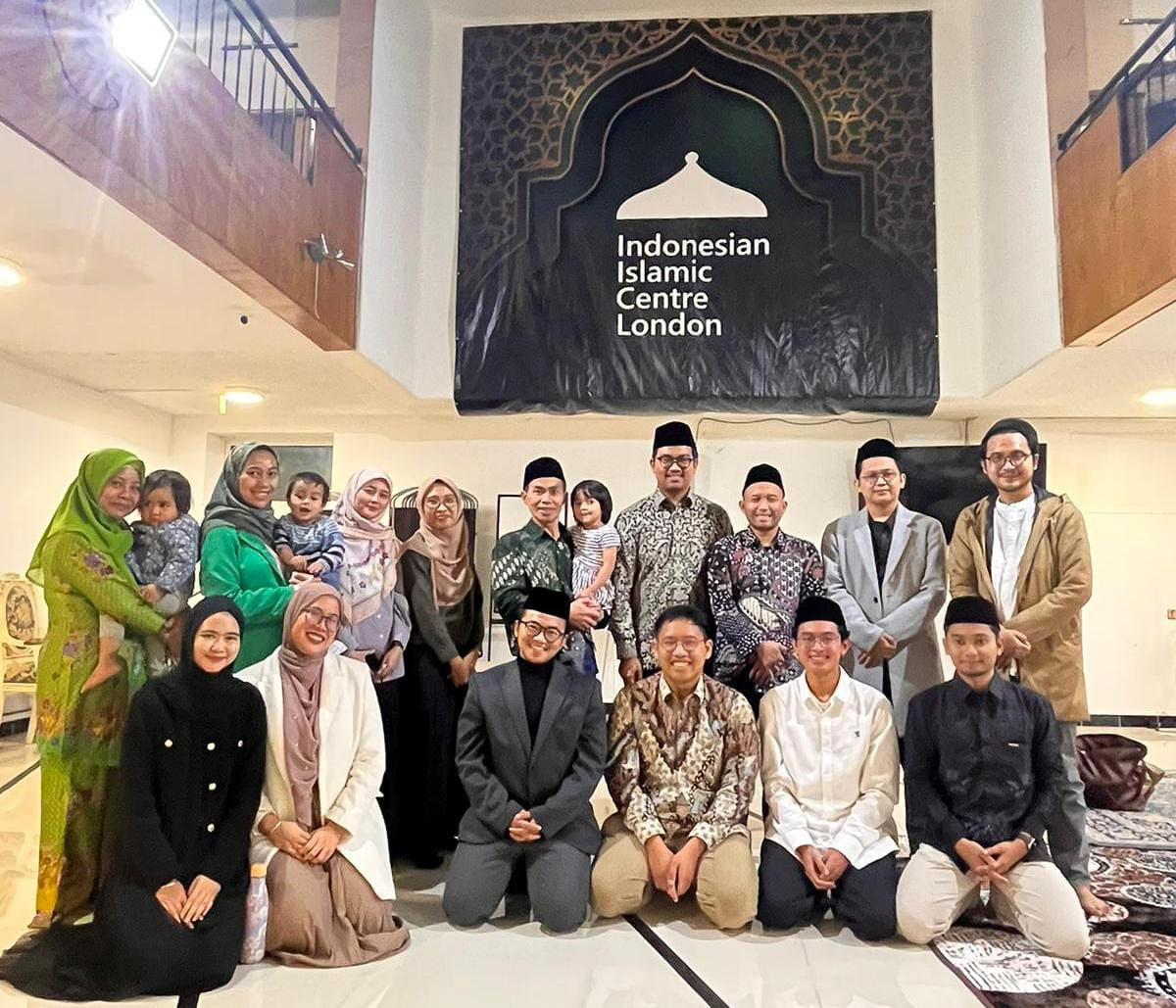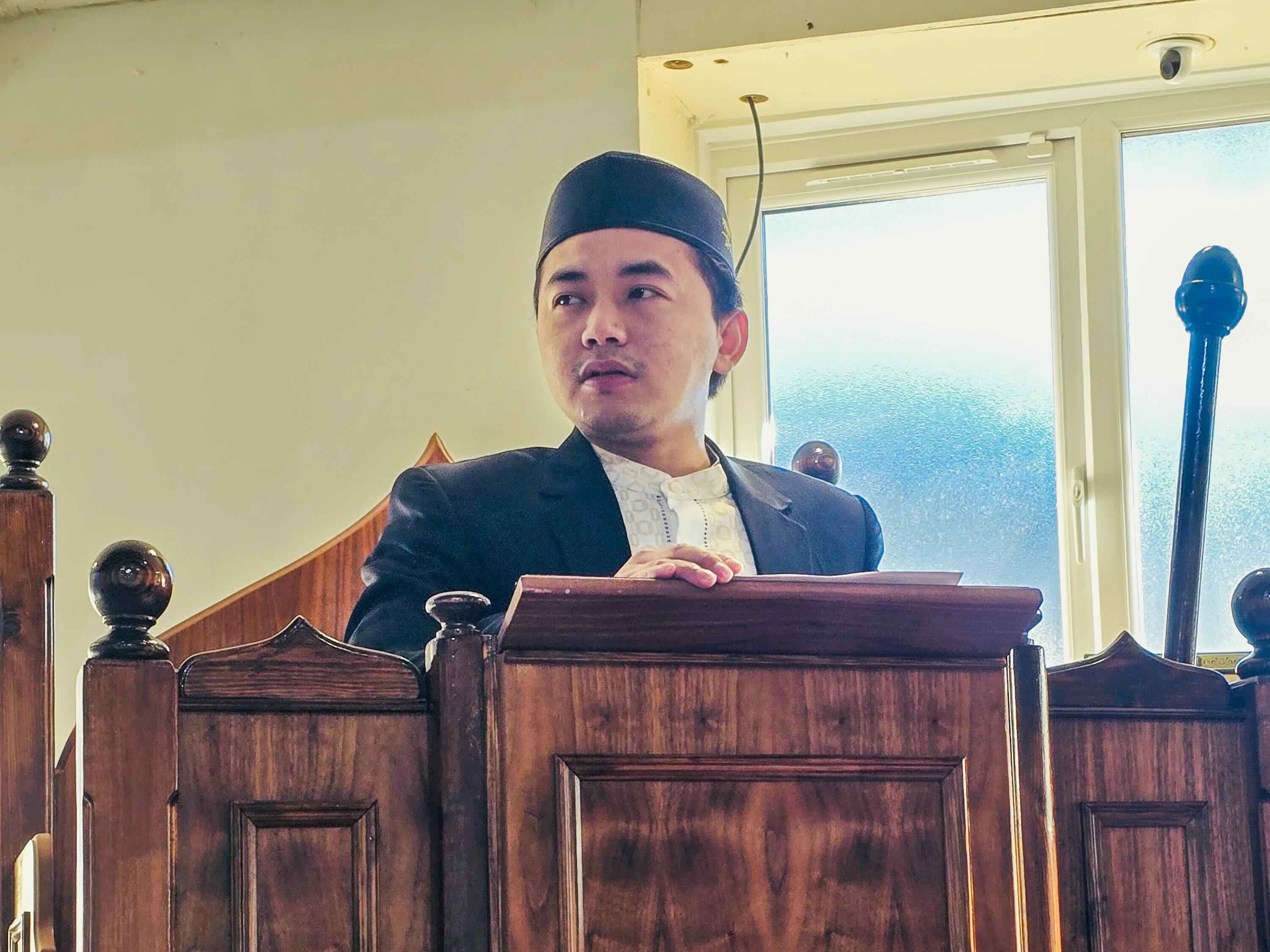
When Muhammad Fahmi Reksa Alfarisi first learned that his name had been announced as the selected Imam of the Indonesian Islamic Centre London, disbelief came before celebration. Among dozens of applicants, each bringing their own strengths and religious credentials, he felt his selection was too good to be true.
“There were around 32 candidates at the beginning,” Fahmi recalled. “After several stages, only four of us reached the interview and grand design presentation. When the final decision came, I was genuinely shocked.”
He was acutely aware that many other candidates possessed stronger Qur’anic memorization or deeper mastery of Islamic sciences. Yet, as he reflected, qadarullah (destiny) had placed him at the minbar of a mosque that holds special meaning: the first Indonesian mosque in London.
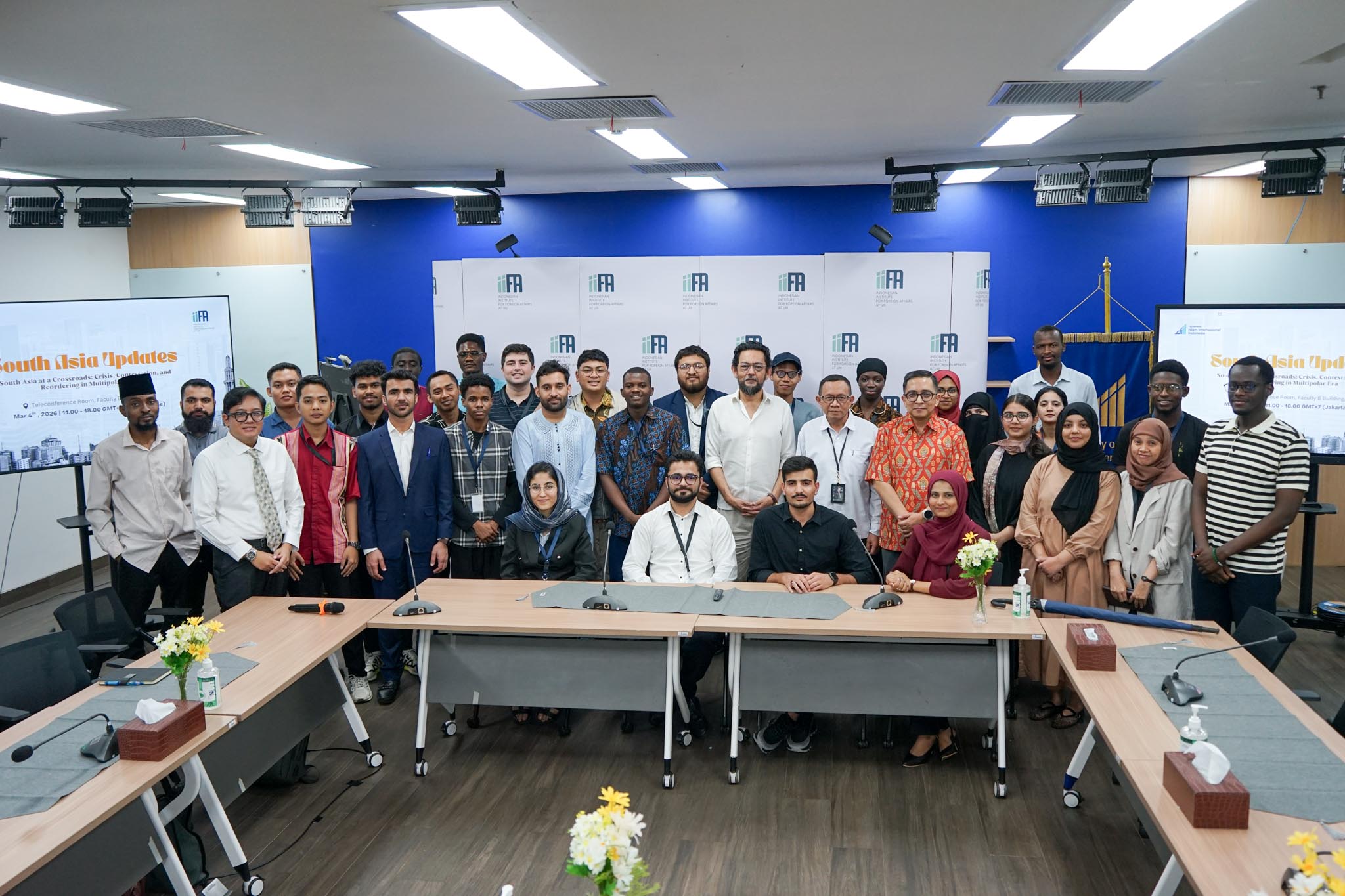
For Fahmi, the appointment is not merely a title, but a continuation of a long intellectual and spiritual journey. Thirteen years of pesantren education laid his foundation, followed by undergraduate studies and then master’s programs at Universitas Islam Internasional Indonesia (UIII) and SOAS University of London through the Dual Degree scheme. Even so, he remains cautious about claiming readiness.
“All the knowledge I’ve gained so far still feels insufficient to fully answer the needs of the ummah and the challenges of today,” he admitted. “But alhamdulillah, it has become a strong starting point—a foundation to hold on to.”
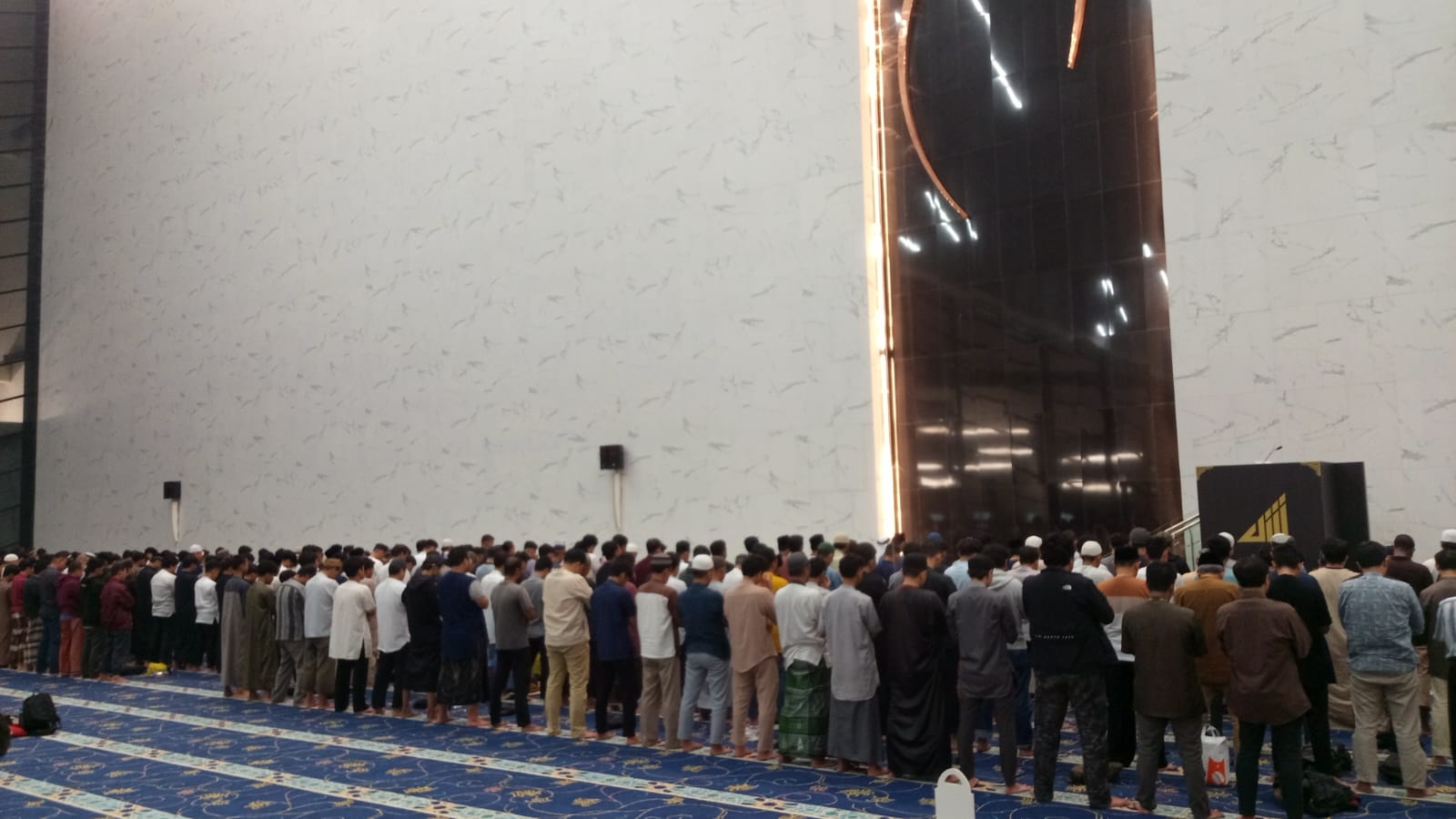
Standing at the Indonesian Islamic Centre London places Fahmi at the crossroads of identity, tradition, and diversity. The mosque serves as a spiritual home for Indonesians living in the UK, while also welcoming worshippers from various cultural and national backgrounds. This dual responsibility, he acknowledged, is both meaningful and demanding.
“On one side, there is a duty to preserve and represent Indonesia’s religious traditions and to serve Indonesian congregants,” he said. “On the other side, we must also be responsive to a wider Muslim community that is very diverse.” Differences often emerge—even in everyday religious practices—but Fahmi sees them as opportunities rather than obstacles.
“In this environment, differences do not divide us,” he reflected. “They become a space to exchange knowledge, learn from one another, and strengthen our understanding.” Living as a Muslim minority in London reshapes priorities. Rather than debating whose practice is most correct, the focus shifts toward sustaining a peaceful, inclusive space for worship—one that allows Muslims to practice their faith with calm and dignity.
Amid academic commitments and religious responsibilities, Fahmi carries a quiet hope for the future. He envisions other students from the UIII–SOAS Dual Degree program stepping into similar roles, continuing what he describes as an ‘estafet dakwah’ or ‘the continuation of da‘wa’.
“The needs will only grow,” he said. “And the best possible service must always be offered to the congregation and the wider community.” For Fahmi, the minbar in London is not an endpoint, but part of a longer journey—one where scholarship meets service, and where learning finds its fullest meaning in responsibility.