JAKARTA – As global energy markets brace for potential volatility amid ongoing geopolitical tensions, Indonesia is doubling down on its commitment to renewable energy, exploring innovative financing models to harness its massive solar potential. With an estimated solar energy capacity exceeding 3,000 gigawatts (GW), the nation’s ambitious plan to develop 100 GW of solar power hinges on securing substantial investment. A recent forum in Jakarta discussed a key instrument that could unlock this potential: Green Sukuk.
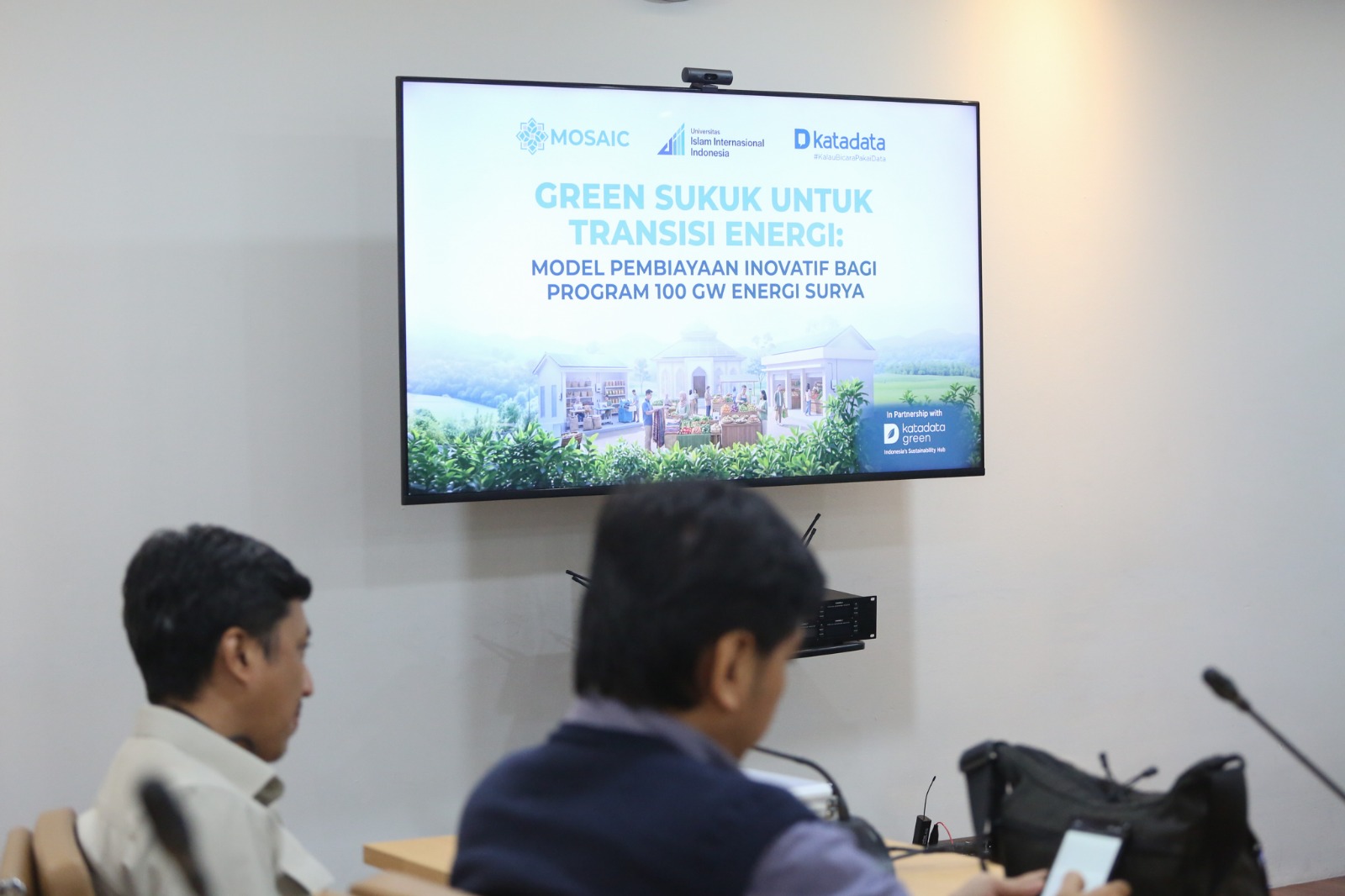
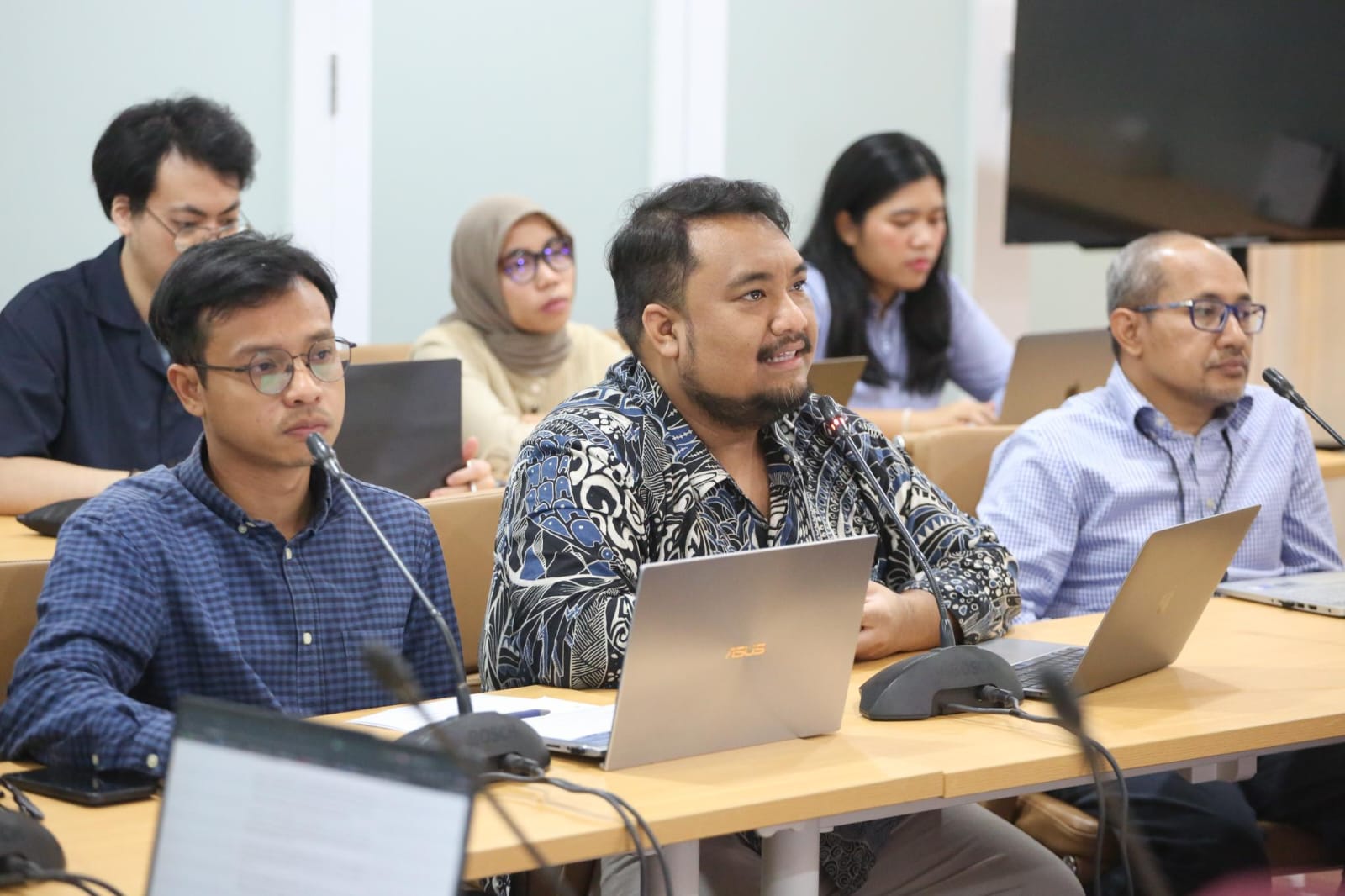
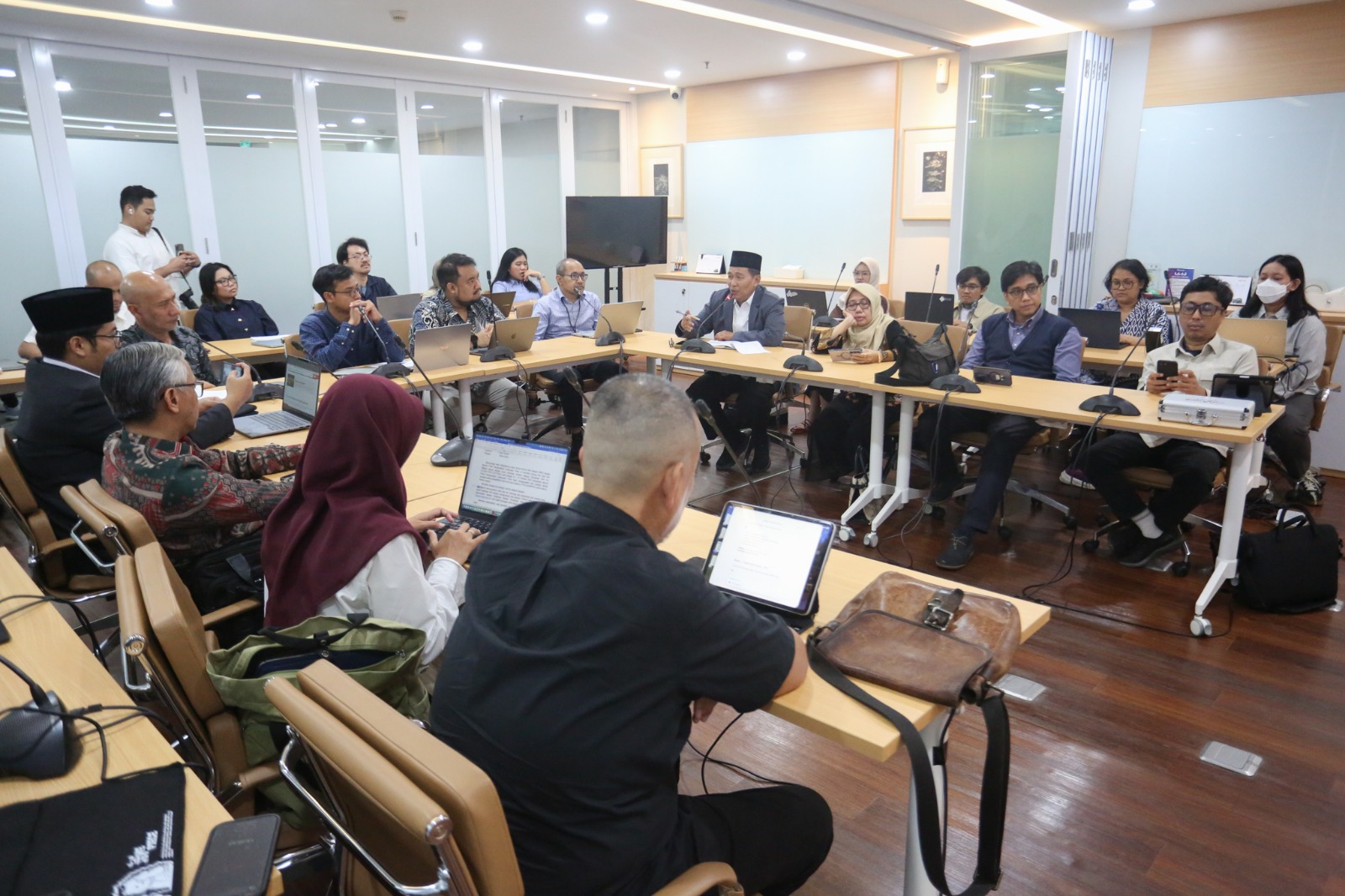
The Faculty Discussion Group (FGD), titled “Green Sukuk for Energy Transition: An Innovative Financing Model for the 100 GW Solar Energy Program,” was held at Katadata on Tuesday, March 10, 2026. The event brought together representatives from the Ministry of Finance, the Ministry of Religious Affairs, the National Committee for Islamic Economy and Finance (KNEKS), the Ministry of Cooperatives, and academia to deliberate on funding strategies for the clean energy initiative. The forum was initiated by Muslims for Shared Action on Climate Impact (MOSAIC) in collaboration with Universitas Islam Internasional Indonesia (UIII), Katadata, and Purpose.
A key voice from academia was M. Luthfi Hamidi, Ph. D, the Head of the MA in Economics program at UIII. Speaking as a representative of the university, which champions itself as a green campus, Hamidi provided a crucial economic perspective on the viability of Islamic financial instruments for the project.
Hamidi explained that the diversity of Islamic financing extends beyond Islamic banking, with sukuk presenting a particularly attractive option for large-scale infrastructure projects. He clarified the fundamental difference between sukuk and conventional bonds.
“This instrument differs from bonds, where the relationship between the holder and the issuer is that of a lender and a borrower,” Hamidi explained. “In contrast, the interaction with sukuk certificate holders is more akin to a buyer-seller relationship. The income generated comes from the underlying asset, not from a debt instrument. The sukuk issuer acts as the seller of an asset, while the holder, or investor, becomes the owner of that asset.”
This asset-backed structure, according to Hamidi, not only aligns with Islamic principles but also broadens the investment pool. “Several studies indicate that sukuk can attract a wider range of investors, as both Sharia-compliant and conventional investors can participate in this scheme,” he stated. He further noted that research confirms the competitiveness of sukuk, adding, “Some studies we have conducted confirm that the returns offered by sukuk are quite competitive compared to bonds, while also exhibiting lower volatility.”
The discussion at the FGD underscored the government’s commitment to leveraging fiscal tools for a green economy. Deni Ridwan, Director of Sharia Financing at the Ministry of Finance’s Directorate General of Financing and Risk Management (DJPPR), highlighted Indonesia’s pioneering role in the global green sukuk market. He noted that the instrument has already been used to fund various eco-friendly projects, from renewable energy to low-carbon transportation, contributing to a reduction of over 10 million tons of CO₂ emissions.
The forum also explored synergies between commercial and social Islamic finance. Dwi Irianti Hadiningdyah, Director of Sharia Social Finance Services at KNEKS, pointed to the immense potential of Indonesia’s social funds—with national zakat potential estimated at Rp327 trillion per year and cash waqf at Rp180 trillion—to support such initiatives through blended financing schemes.
“We can develop a blended financing model combining sukuk with Islamic social finance instruments, allowing for more innovative and sustainable funding for renewable energy projects,” said Dwi Irianti.
The sentiment was echoed by Prof. Waryono Abdul Ghafur, Director of Zakat and Waqf at the Ministry of Religious Affairs, who framed the energy transition as a moral and spiritual responsibility in line with Islamic teachings on environmental stewardship.
As Indonesia moves forward with its plan to build 100 GW of solar power, the insights from the UIII lecturer and other experts at the FGD reinforce the view that innovative and inclusive financial structures like green sukuk will be pivotal in turning the nation’s vast solar potential into a reality. []