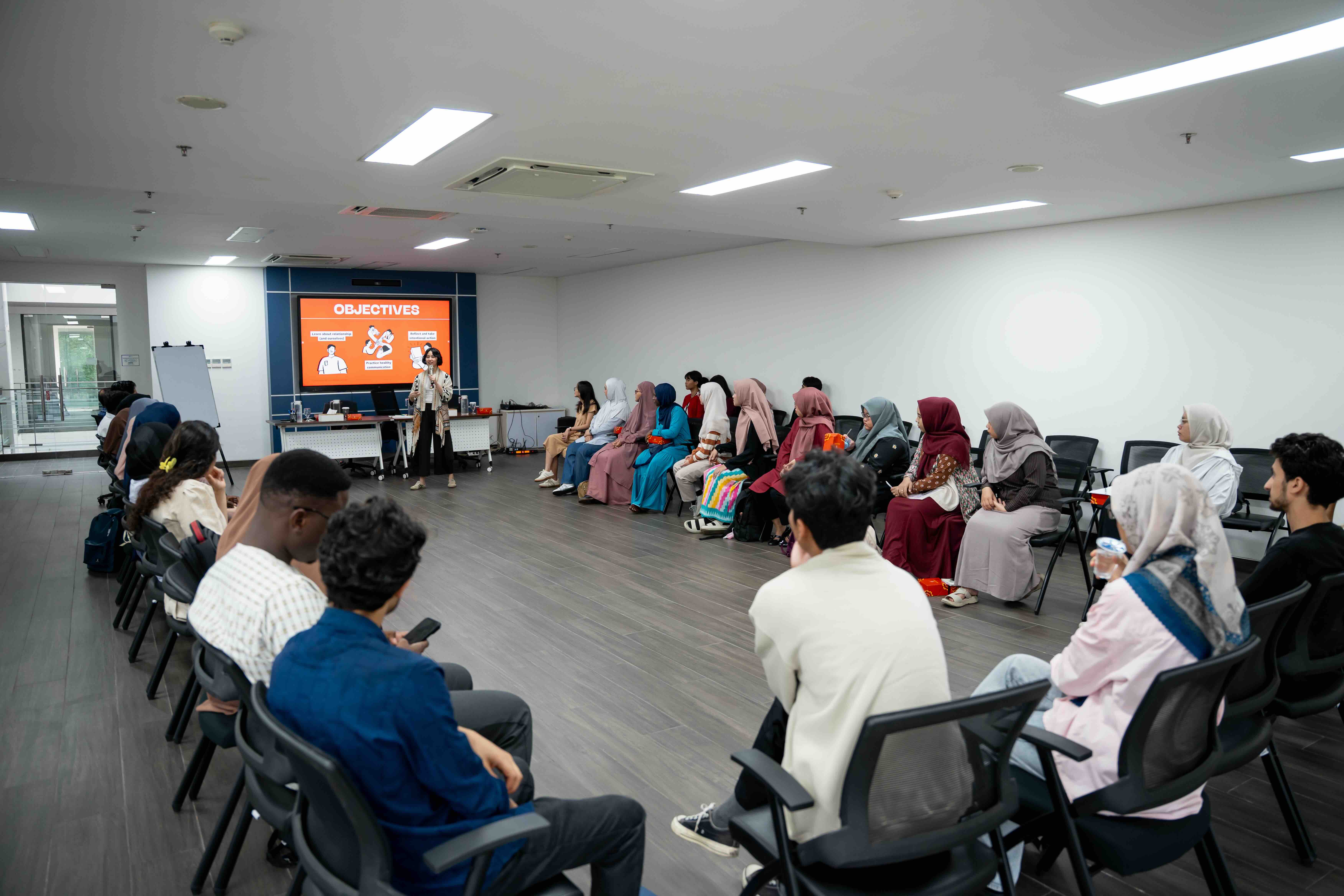
UIII Counselling and Mental Health Services (CMHS) continue to provide student workshops to better prepare students for conducting their master’s and doctoral studies. At this session, UIII CMHS invites psychologist Kezia Toto, M.Psi., to lead a workshop titled “Navigating Relationships: Communication & Boundaries”.
Kezia said that this workshop is to equip participants with the knowledge and practical skills needed to communicate effectively, establish healthy boundaries, and build respectful, balanced, and positive relationships in both personal and professional contexts.
At the beginning of the session, Kezia asked students to write a reflection to get to know themselves and understand the communication pattern they have built so far. After understanding their patterns, it is hoped that it will be easier to build relationships with them, communicate with them, and set boundaries.
Building assertive communication
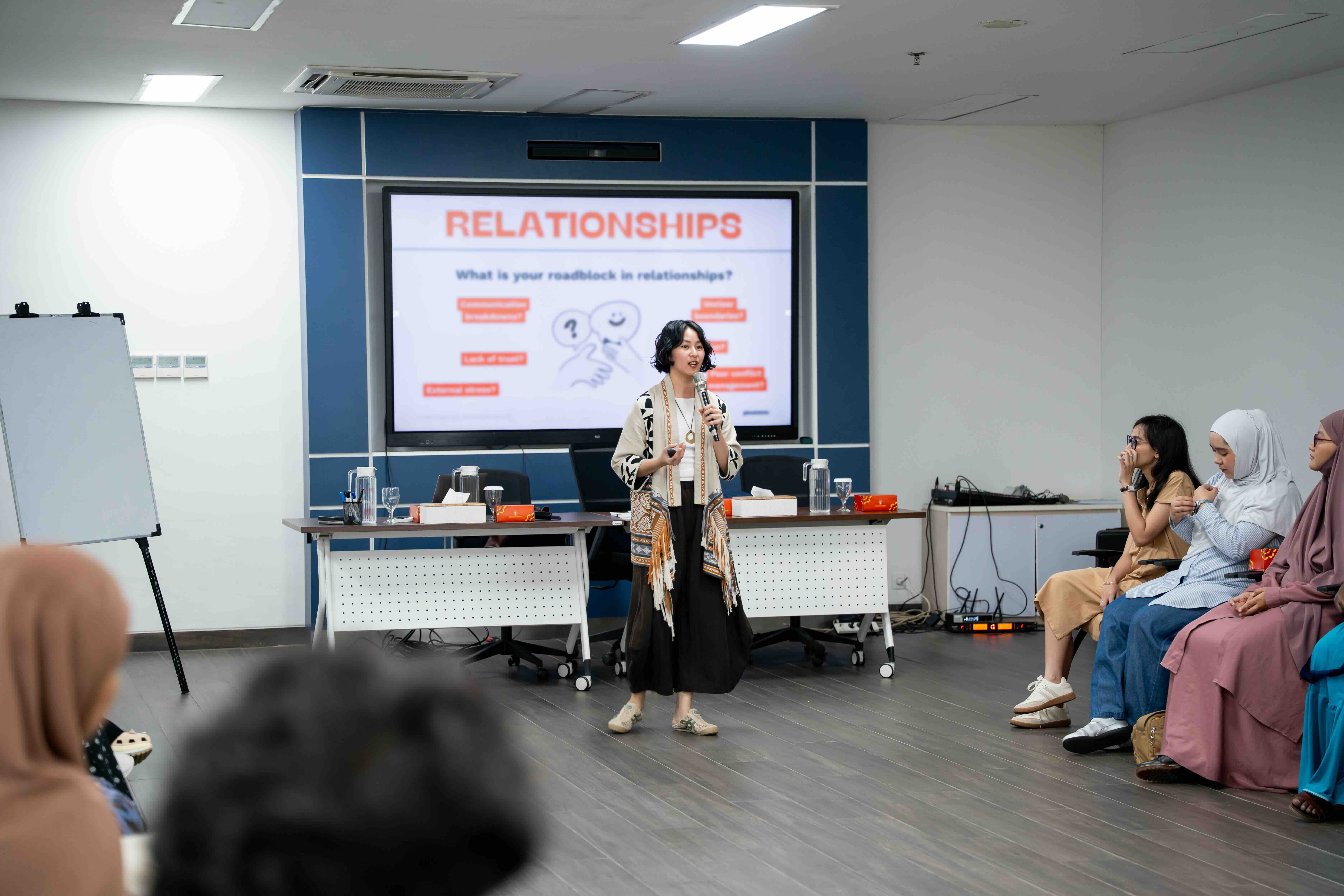
A core focus of the workshop was the shift toward assertiveness. Kezia emphasized that assertiveness is not just a social skill, but a vital component of mental well-being. “Assertiveness will make our mental health better,” she noted, defining the style as a balance of honesty, directness, and mutual respect.
In contrast to assertiveness, the discussion touched upon how insecurity can lead to psychological aggression or a total failure to express one’s needs, “as they’re poorly equipped to handle conflict,” she said.
Furthermore, the discussion continues to see through the lens of attachment style, “How is our attachment style built when we are young, and how does it influence our style in communicating?” She highlighted that when we don’t have enough nurturers, we tend to be more anxious as we grow up. “When we are anxious, more research finds that our communication becomes less assertive,” she said.
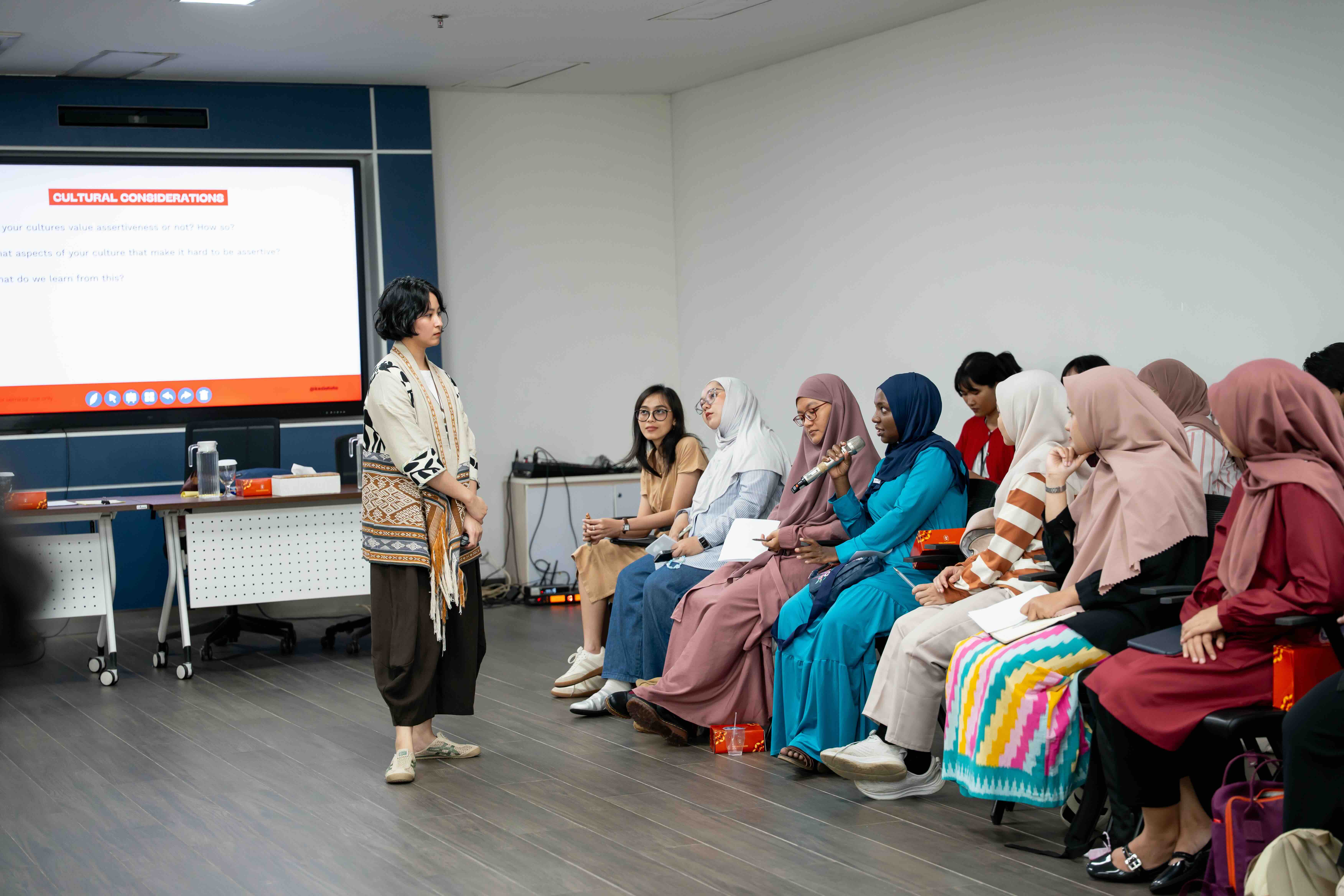
Also, she found that communication styles often clash with the cultures in which each person grew up. Assertive behavior or high self-confidence can mistakenly be perceived as offensive or aggressive in some cultures.
“It’s crucial for students to learn all of this, as existing studies have shown that assertiveness acts as a buffer for mental health. Also, it’s important, but its importance depends on culture and context. Even when it clashes with culture, it can still have costs. That’s why it’s important to assess what’s important in situation A and what’s not so important in situation B,” she said.
The Art of Flexible Boundaries
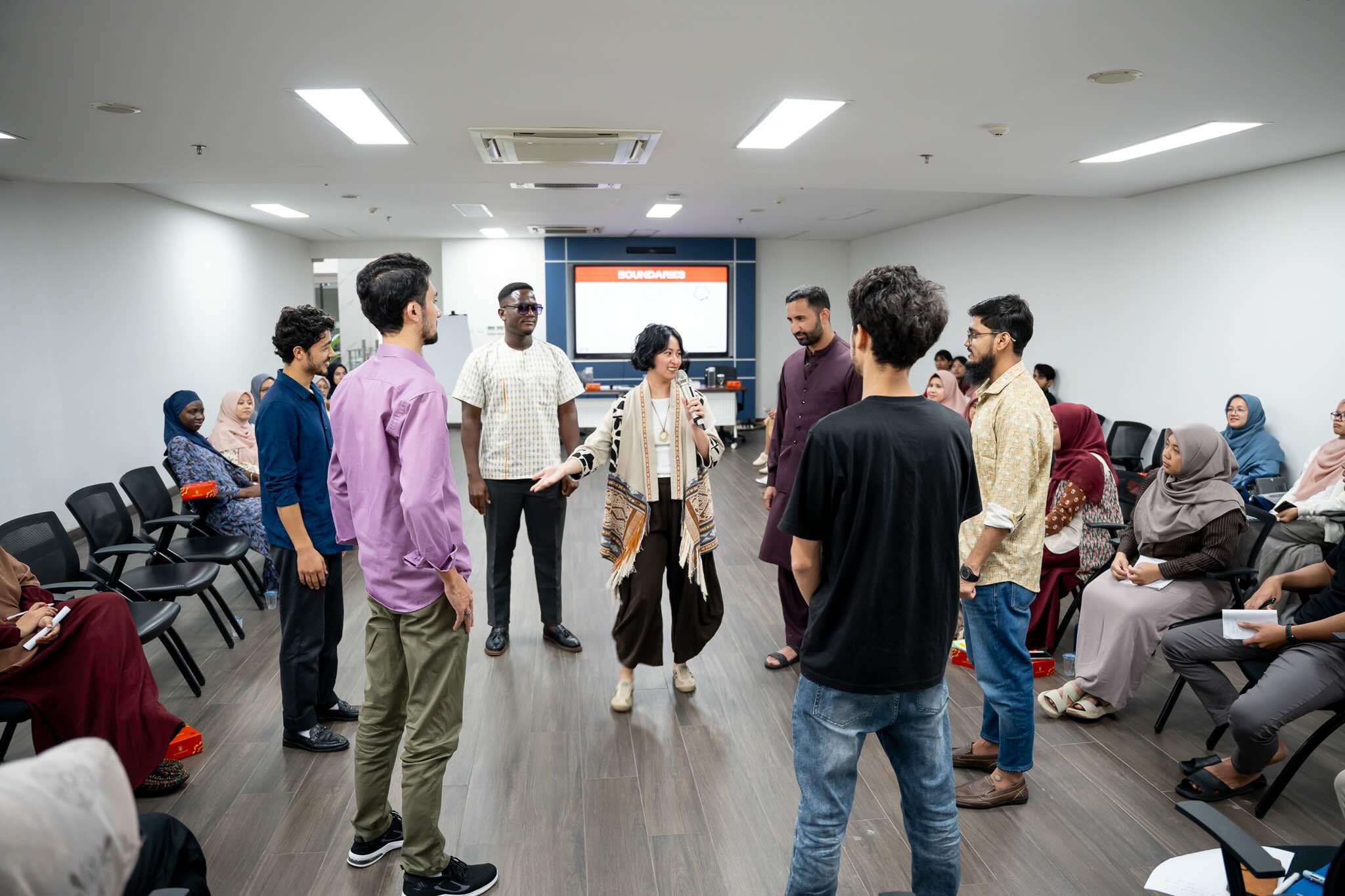
The second half of the session explored the spectrum of personal boundaries. Rather than maintaining strictly rigid or overly loose boundaries, Kezia encouraged students to strive for flexibility.
“But there are boundaries that many people need to strengthen, namely, more flexibility. So, flexibility across situations and relationships. So, in one relationship, our boundaries are more rigid, but in another, they’re more open,” she said.
Throughout the session, students were encouraged to evaluate their current relationships and participate in reflective exercises designed to bridge the gap between psychological theory and their daily lives. They were also active and participating in the session. “Everyone has their opinion and adds not only questions, but also new insights,” she observed.