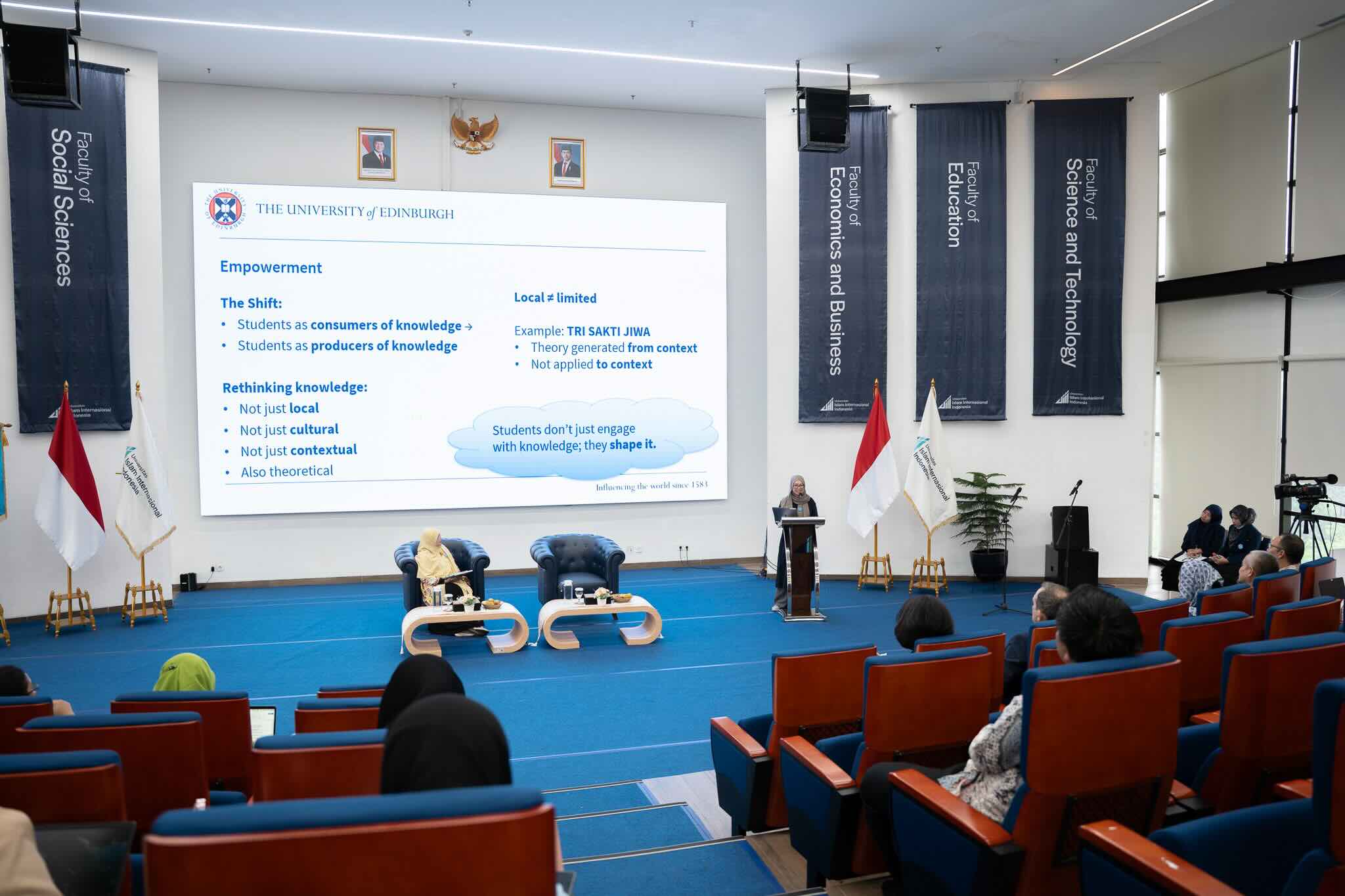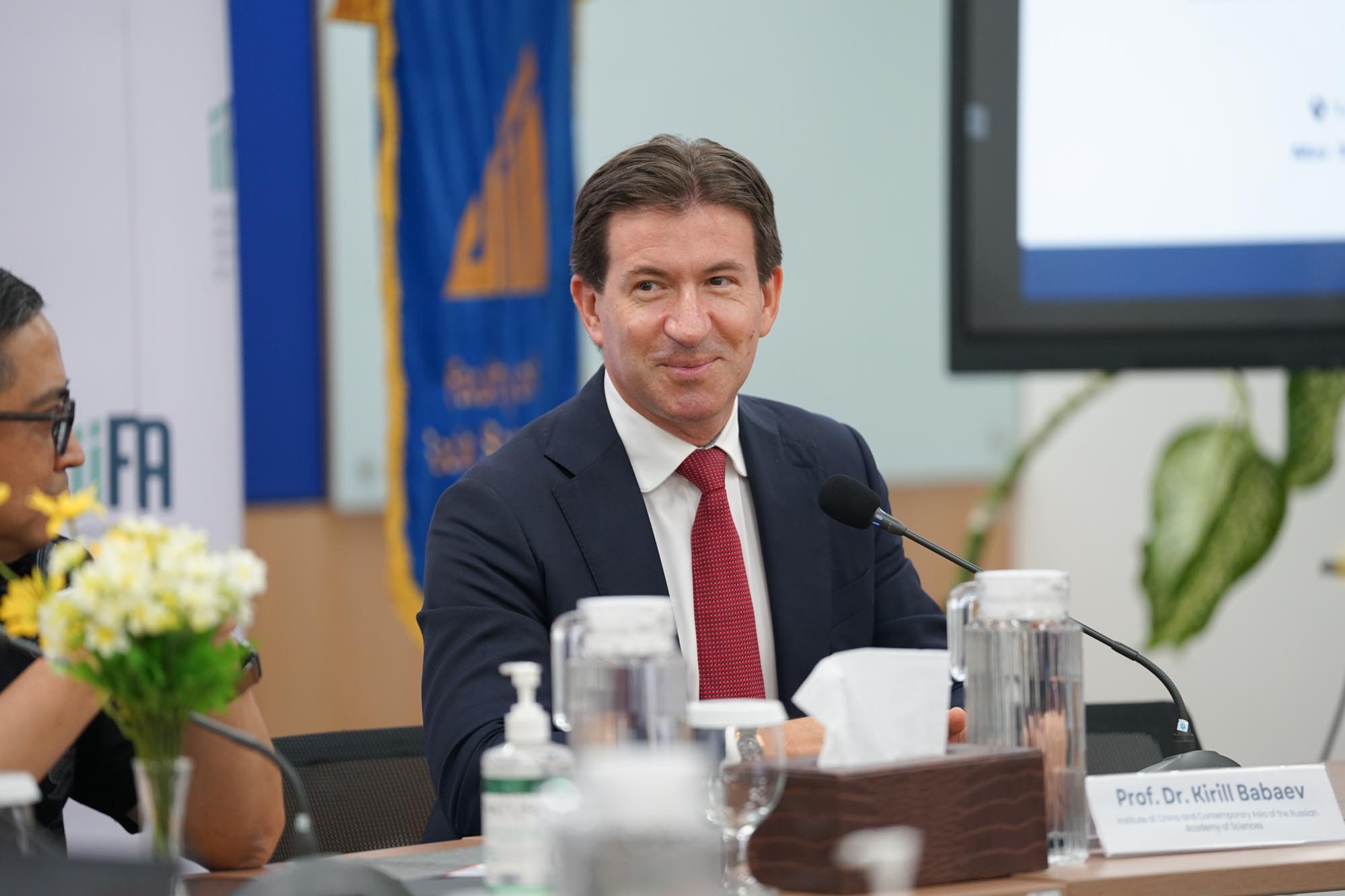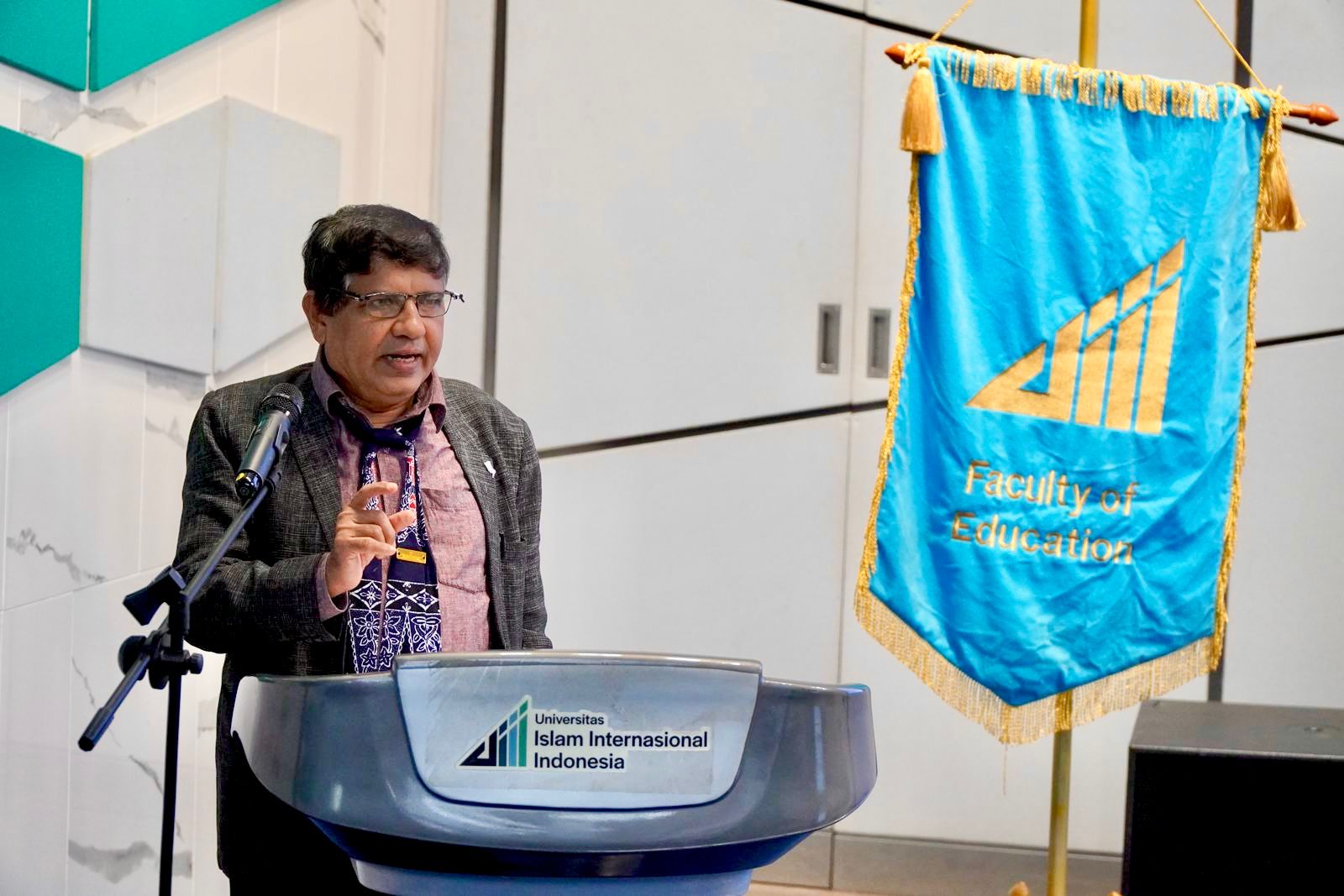
How might education look like if it aimed not merely to train the mind, but to awaken the whole human being? This question became the spirit of Lunch Talk #48 hosted by the UIII’s Faculty of Education, on December 8, 2025. In a thought-provoking session, Prof. Ananta Kumar Giri, COMPOSE Fellow at UIII’s Faculty of Social Sciences and Founding Honorary Executive Trustee of the Vishwaneedam Center for Asian Blossoming spoke on “Learning the Art of Wholeness: Integral Education and Beyond.”
Prof. Giri highlighted that the contemporary crisis of education is not merely about quality or curriculum but stems from the illusion of fragmentation. Modern systems, he argued, have disconnected learners from the wholeness of life by prioritizing mental memorization over the development of emotional, vital, spiritual, and social dimensions. He urged the audience to reimagine education not as a mechanical transfer of knowledge, but as a living process that integrates heart, body, mind, nature, and community.
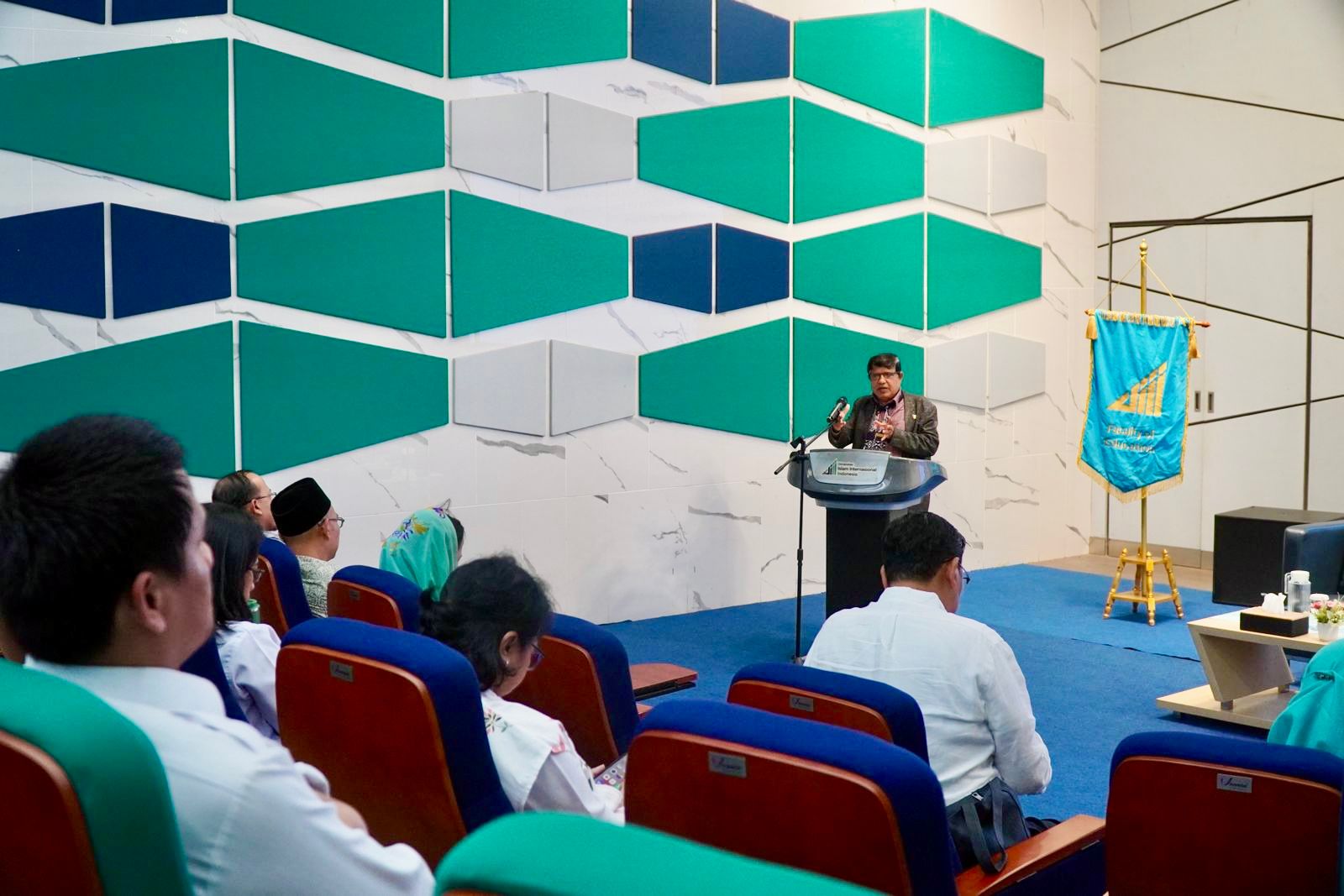 Drawing on his book and rich fieldwork across the world, Prof. Giri shared examples of educational movements that cultivate wholeness. Integral Education, inspired by Indian thinker and spiritual teacher Sri Aurobindo, nurtures every dimension of the learner. Steiner-Waldorf schools teach by storytelling, creativity, and practical engagement. Free schools in Denmark embody community-based learning where children are taken seriously “not as people of tomorrow, but people of today.” These examples, he suggested, prove that education can be both deeply human and academically rich—without being reduced to exams and performance metrics.
Prof. Giri reflected on the dominance of written assessments and scholarly publications that reward technical output but neglect lived wisdom. “Education is not only in papers,” he emphasized, recalling how many meaningful learning moments emerge from conversations, creativity, service, and shared humanity rather than test scores or journal citations.
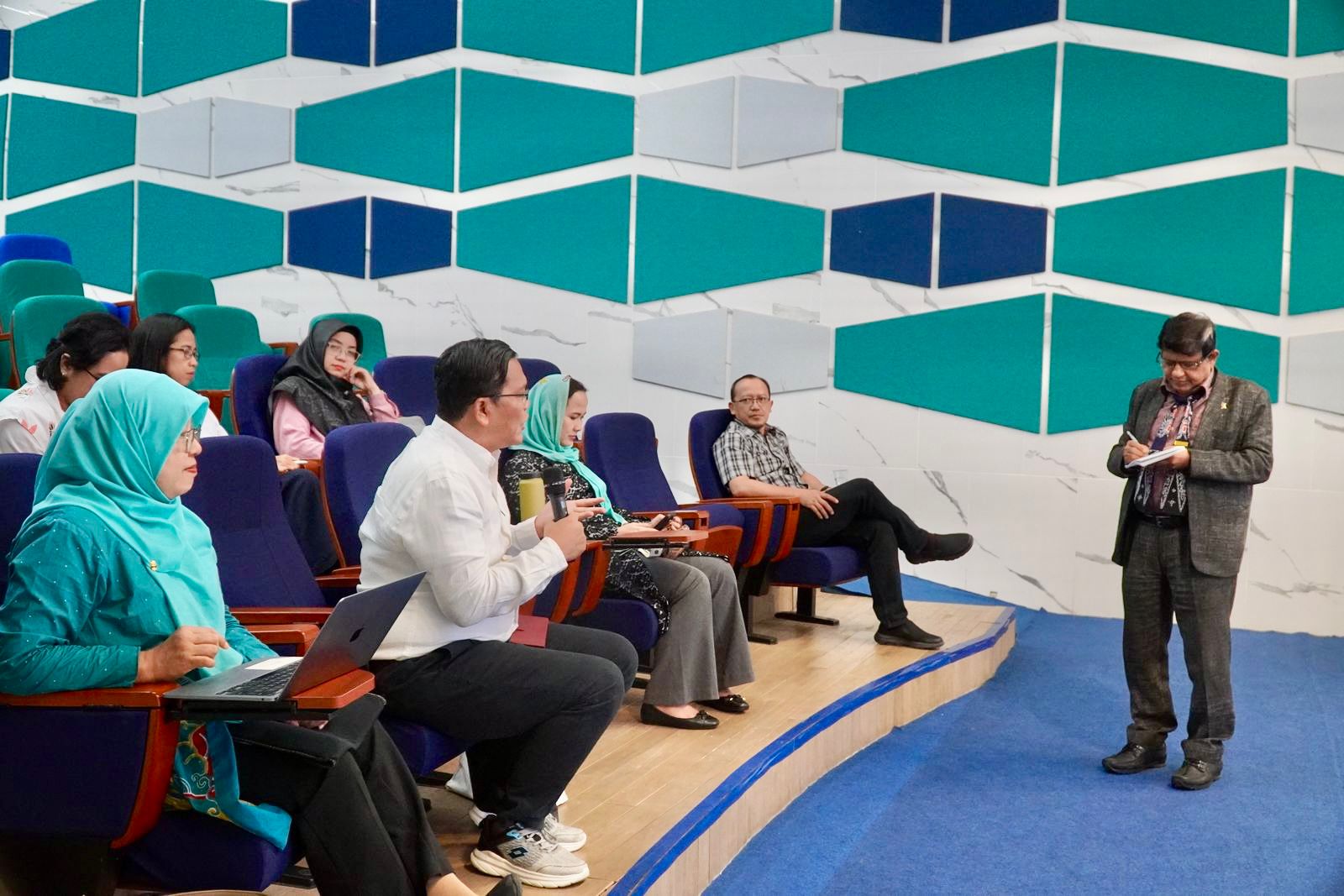 The talk also ventured into the philosophy of trans-disciplinarity, encouraging educators to dissolve boundaries between subjects such as science, arts, humanities, and ethics. He offered vivid examples of science lessons connected to poetry, water studies linked to spiritual meaning, and cooking classes that explore chemistry while nurturing equality among genders. The challenge, he noted, is to resist treating knowledge as compartmentalized fragments and instead allow learners to experience the world as interconnected.
A central moment in his reflection was his reminder that teachers are not authoritative transmitters but companions in learning. He shared stories of schools where children are engaged with nature, storytelling, and responsibility, and where teachers discover their own authenticity rather than claiming sovereignty over knowledge. He recalled a Waldorf educator’s words: “Children are souls in front of us”—not empty vessels but living beings who deserve respect, dialogue, and encouragement.
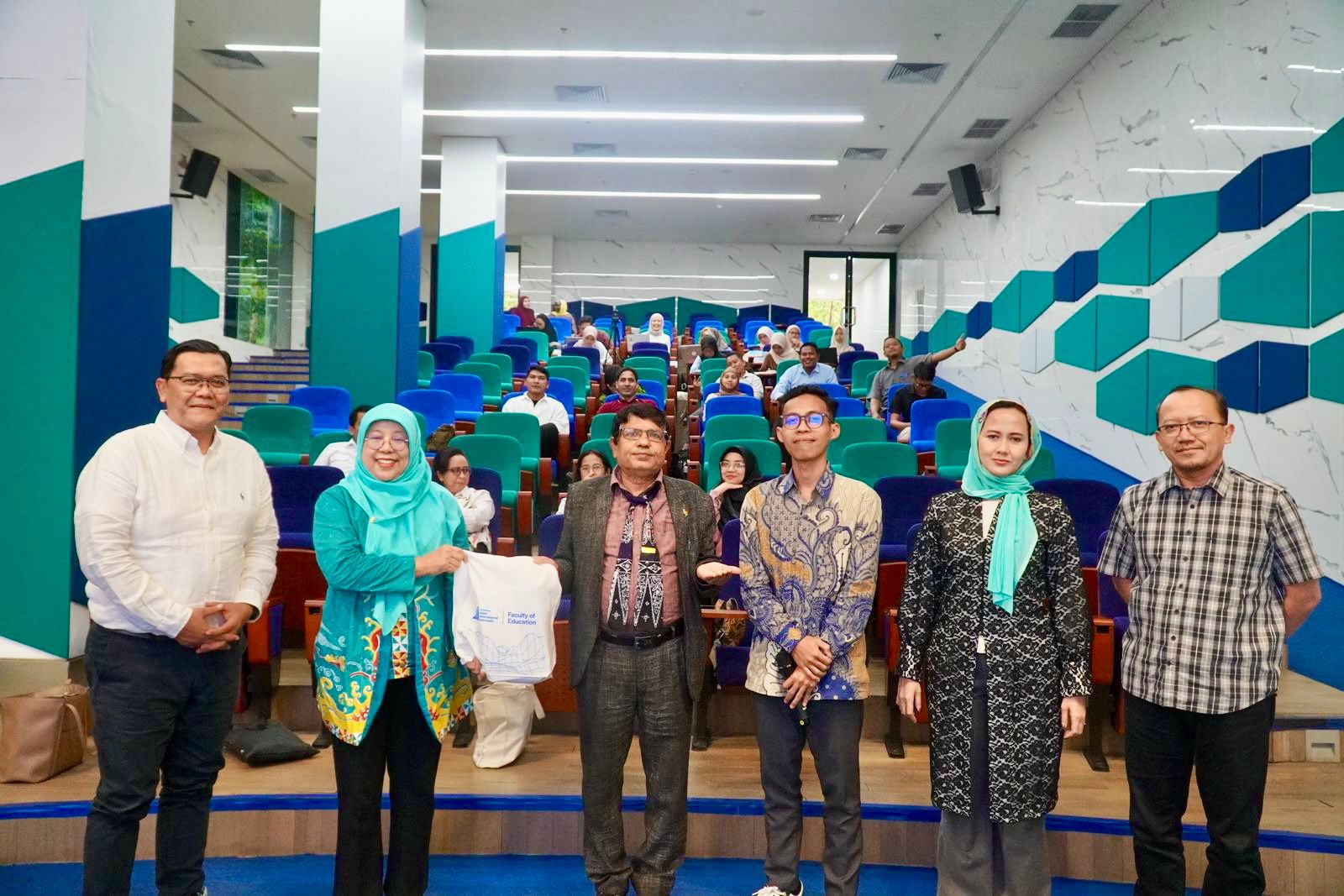 In his conclusion, Prof. Giri invited the faculty members and students to rethink educational practice. Instead of treating wholeness as a vague ideal, he challenged everyone to see it as a practical necessity that grounds meaningful learning, sustainable humanity, and ethical engagement.
Lunch Talk #48 reminded everyone that wholeness is not a luxury—it is a necessity. Education cannot stop at filling minds; it must help shape whole human beings. The talk concluded with a clear message: learning should connect heart, mind, body, and community. If educators choose this path, schools and universities can become places that not only prepare students for exams, but prepare them for life.