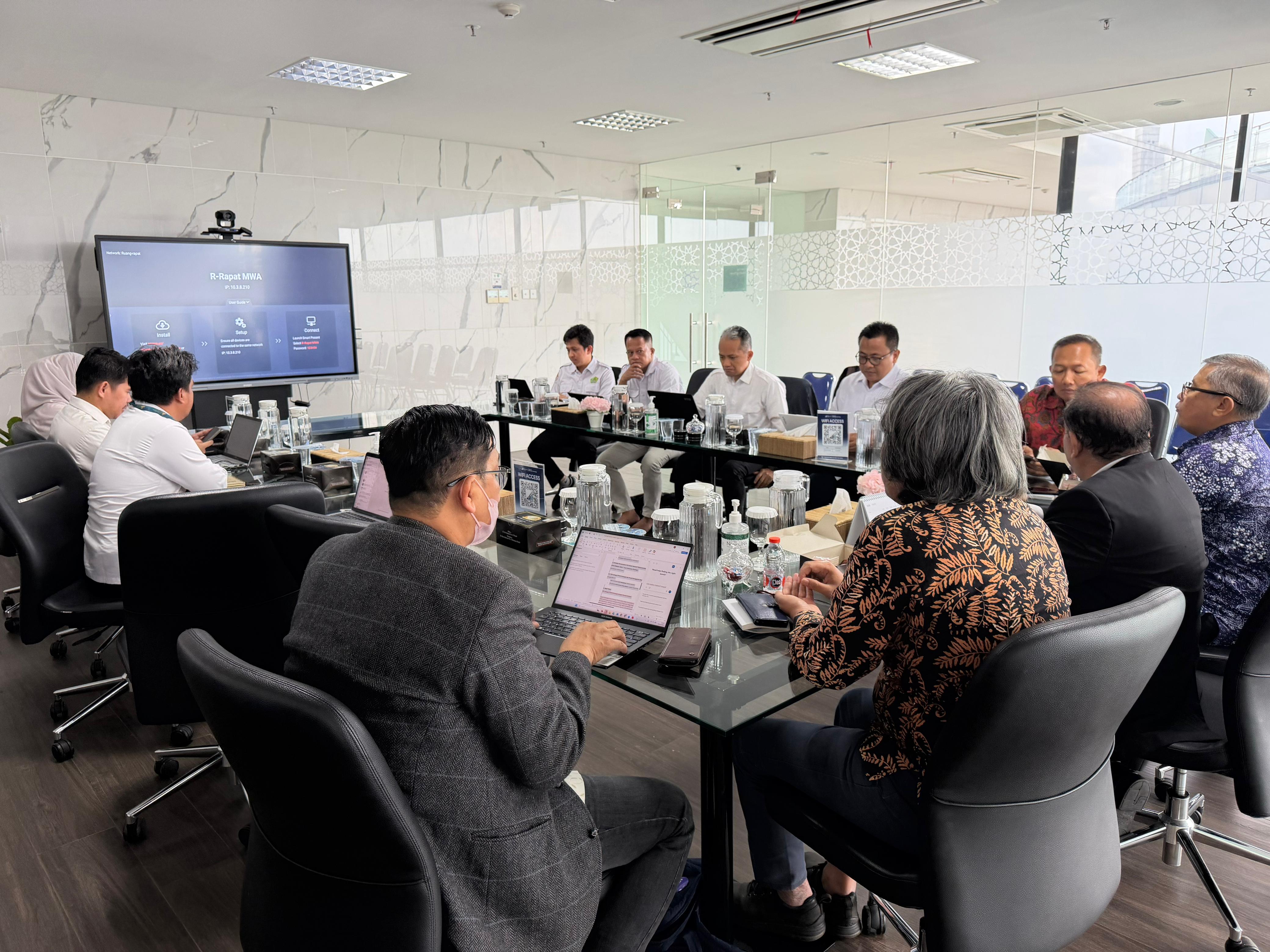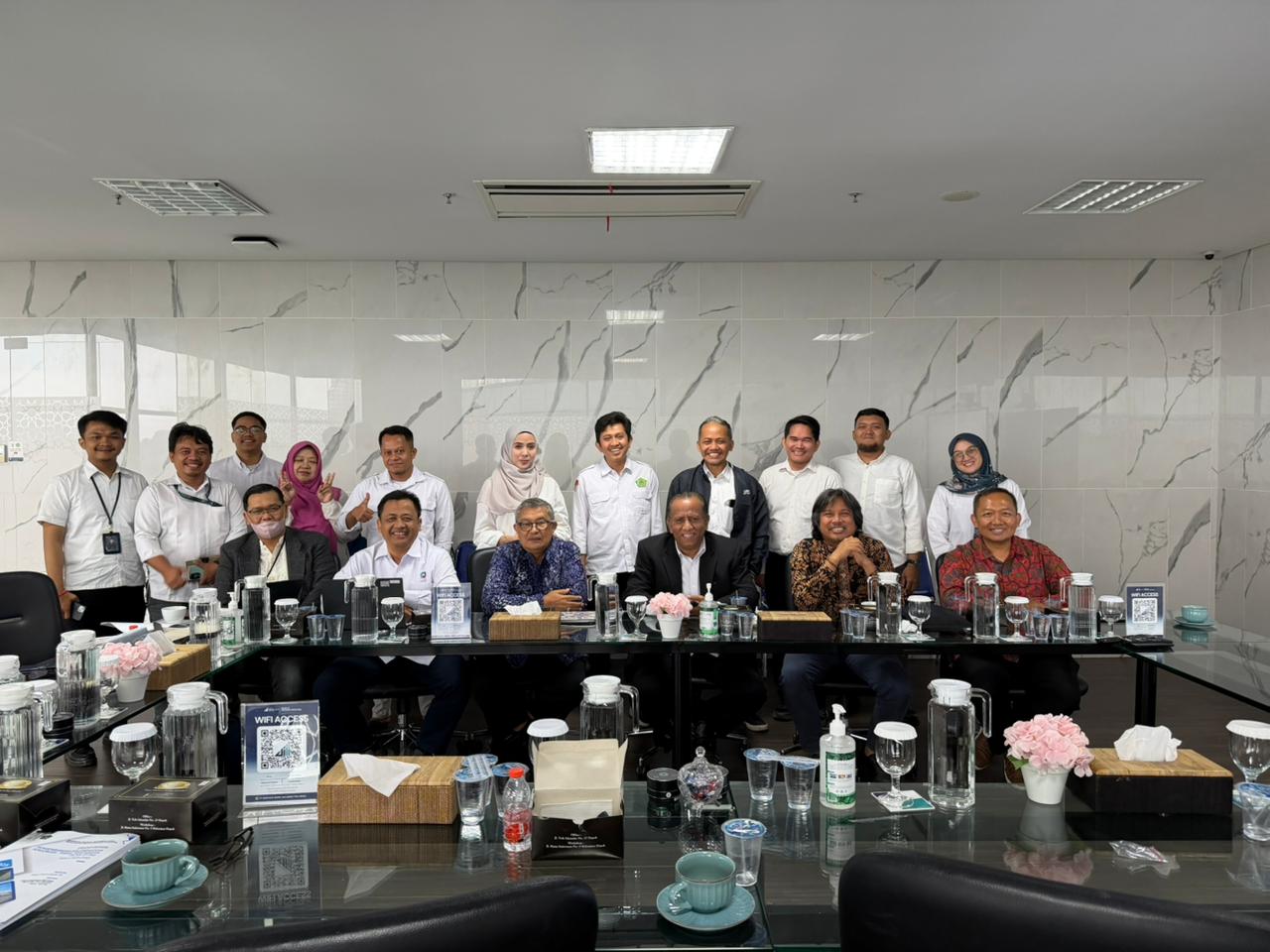
DEPOK, Indonesia — In a significant move to reinforce Indonesia’s vision for global Islamic scholarship, the government held a high-level meeting this week to advance the development of the Universitas Islam Internasional Indonesia (UIII). The meeting, held on Tuesday, February 3, 2026, focused on refining the regulatory framework for UIII, underscoring the state’s commitment to its strategic mission.
Convened under the auspices of the Ministry of Religious Affairs, the session discussed updates to the Presidential Regulation and Government Statute governing UIII. Senior ministry officials in attendance, including Dr. Asroi, M.Pd (Head of the Institutional Sub-Directorate, Directorate General of Islamic Education), Mr. Hasyim Khumaedi (Junior Analyst for Apparatus Human Resources, Bureau of Organization and Administration, Secretariat General), Mr. Nanang Rosidi (Expert Policy Analyst, Directorate General of Islamic Education), and Mr. Andi Subiyanto (Head of the PTKI Institutional Sub-Team, Bureau of Institutional Affairs), underscored the collaborative effort to ensure the regulations fully support the university’s unique role.
“As a Public University with Legal Entity (PTNBH) status operating under the Ministry of Religious Affairs, UIII represents a cornerstone of Indonesia’s forward-looking educational policy,” said Dr. Phil. Syafiq Hasyim, UIII Vice Rector for Academic Affairs. “This meeting is crucial for aligning our foundational role in the national PTKIN ecosystem with our specialized mandate to elevate Indonesia’s engagement with global Islamic discourse.”
Strategic Integration into the National Framework
The government’s proactive review aligns with the development of the national “Grand Design for PTKIN 2025–2045,” where UIII is positioned as a strategic flagship within the family of Islamic institutions. The discussions indicated a thoughtful approach to formally recognizing UIII’s distinct mandate as a research-intensive, globally-oriented knowledge hub within the broader national strategy.
“This careful positioning demonstrates a nuanced and supportive government policy,” said Prof. Dr. Amsal Bakhtiar, UIII Vice Rector for Finance and Administration. “It acknowledges UIII’s special characteristics while ensuring its deep integration into the ministry’s portfolio, thereby strengthening the entire PTKIN network.”
Dr. Asroi from the Ministry of Religious Affairs affirmed this strategic view. “The government’s effort to tailor the regulatory environment for UIII is a testament to its commitment to both innovation and cohesion. It shows a clear understanding that empowering a flagship institution like UIII elevates the entire system,” he stated.
Regulatory Evolution for a Global Mandate
Tuesday’s discussion on regulatory updates is viewed as a positive, forward-looking step. The dialogue included considerations on expanding academic program offerings and optimizing governance structures within the PTNBH model. These potential adjustments are seen as proactive evolutions of the legal framework to match the university’s growth and complex international mission.
Dr. Chaider S. Bamualim, University Secretary of UIII, emphasized the importance of this initiative. “This government-led process ensures UIII can fully leverage its PTNBH autonomy to build robust academic pipelines, foster international partnerships, and serve as a dynamic catalyst for the internationalization of Indonesian Islamic higher education,” he explained.
A Shared Vision
According to Hatta Auliya, S.E. Head of Administration, Directorate of Organization, Personnel, and Legal Affairs, who is also the convenor of this meeting, the collaborative process between UIII’s leadership and government policymakers highlights a shared objective: to fully realize the university’s potential as a premier global institution rooted in Indonesia’s Islamic scholarly tradition.
“UIII is a proud and integral part of our PTKIN family under the Ministry of Religious Affairs,” reiterated Hatta. “The ongoing regulatory refinement reflects our dedication to providing every institution with the tools it needs to excel. UIII’s success is our collective success on the world stage.”
The anticipated outcomes from the deliberations are expected to further solidify UIII’s role as a beacon of innovation within the national framework, enabling it to contribute powerfully to Indonesia’s intellectual diplomacy and to the vibrant future of PTKIN. []