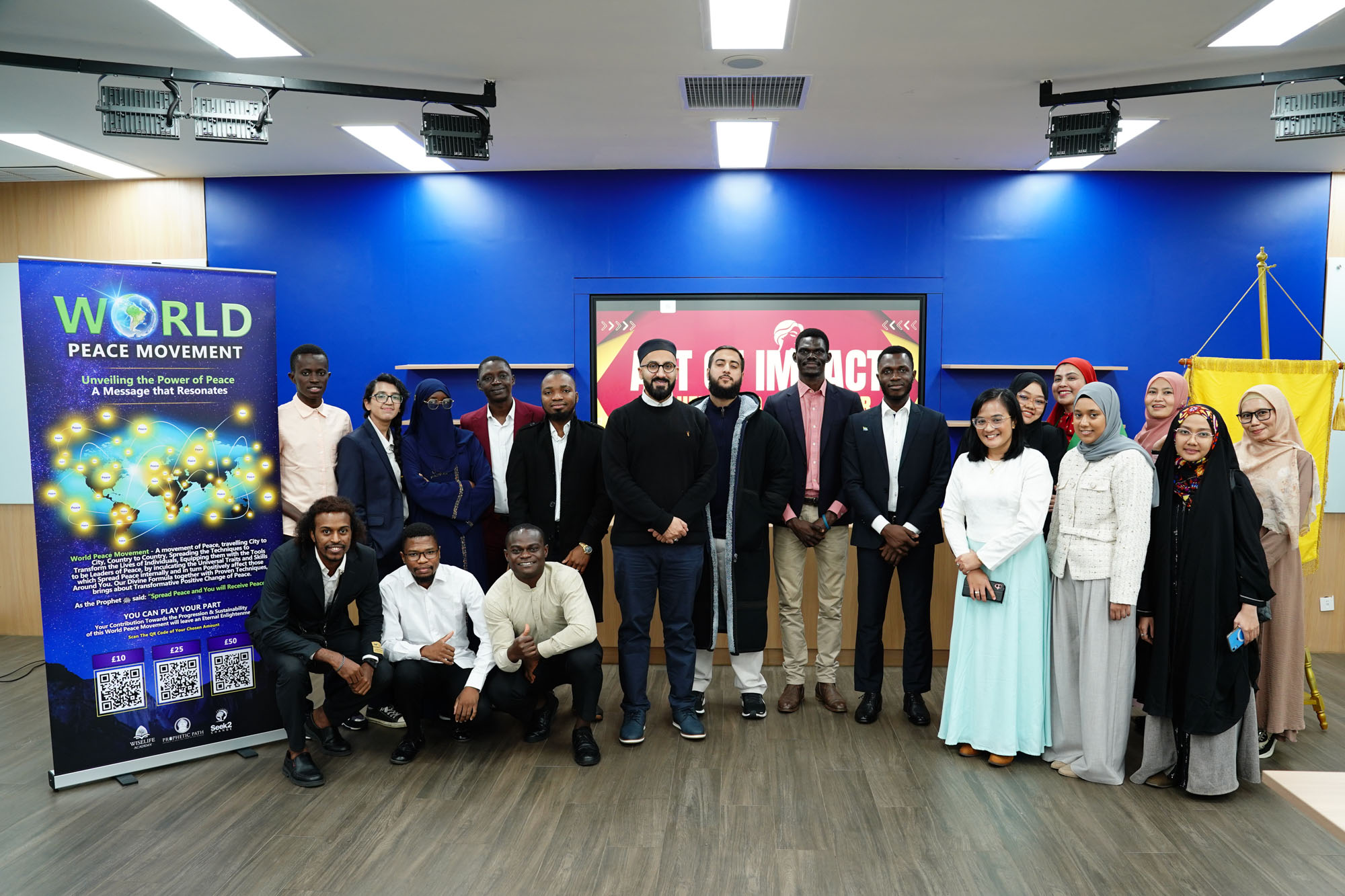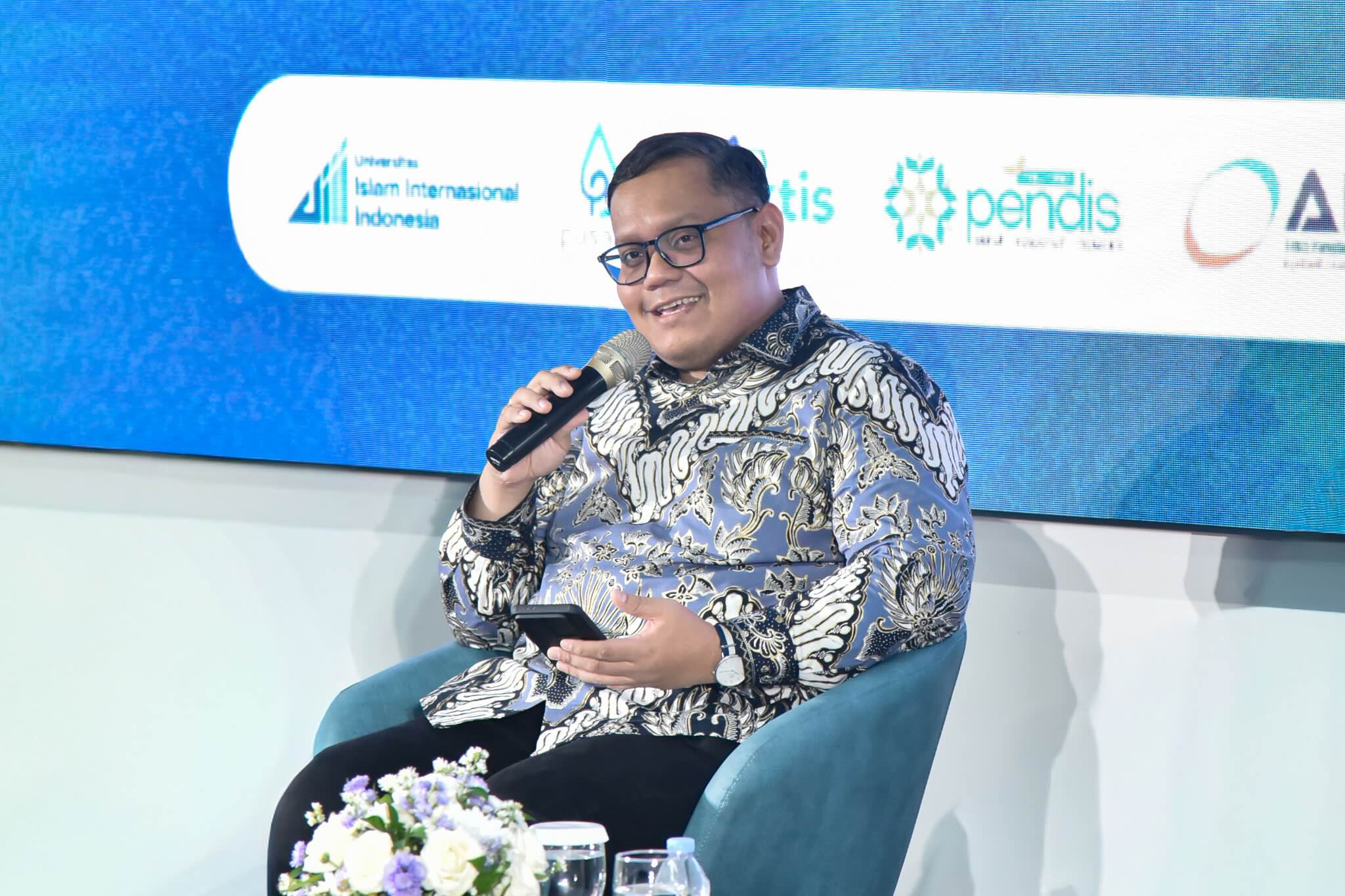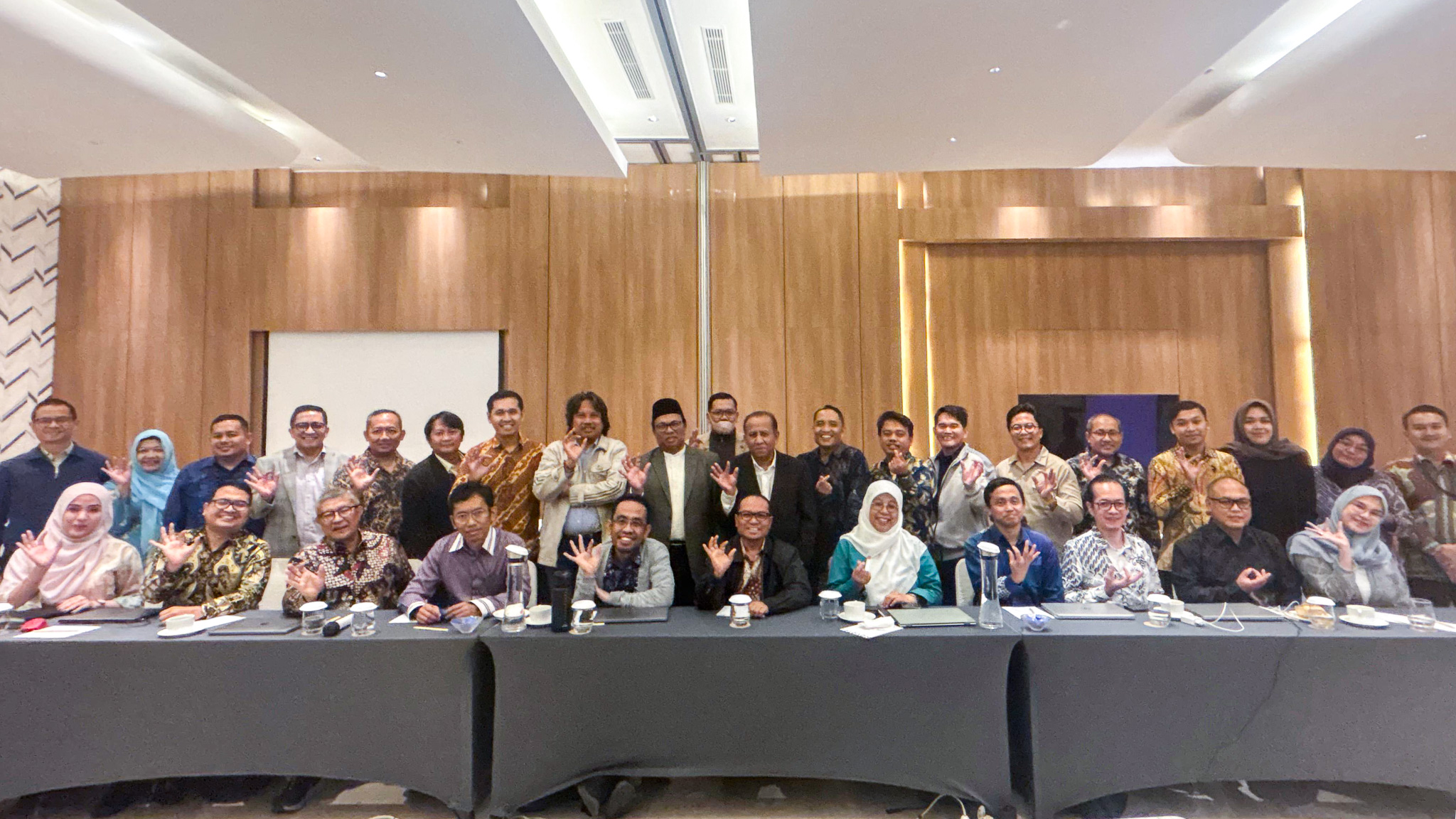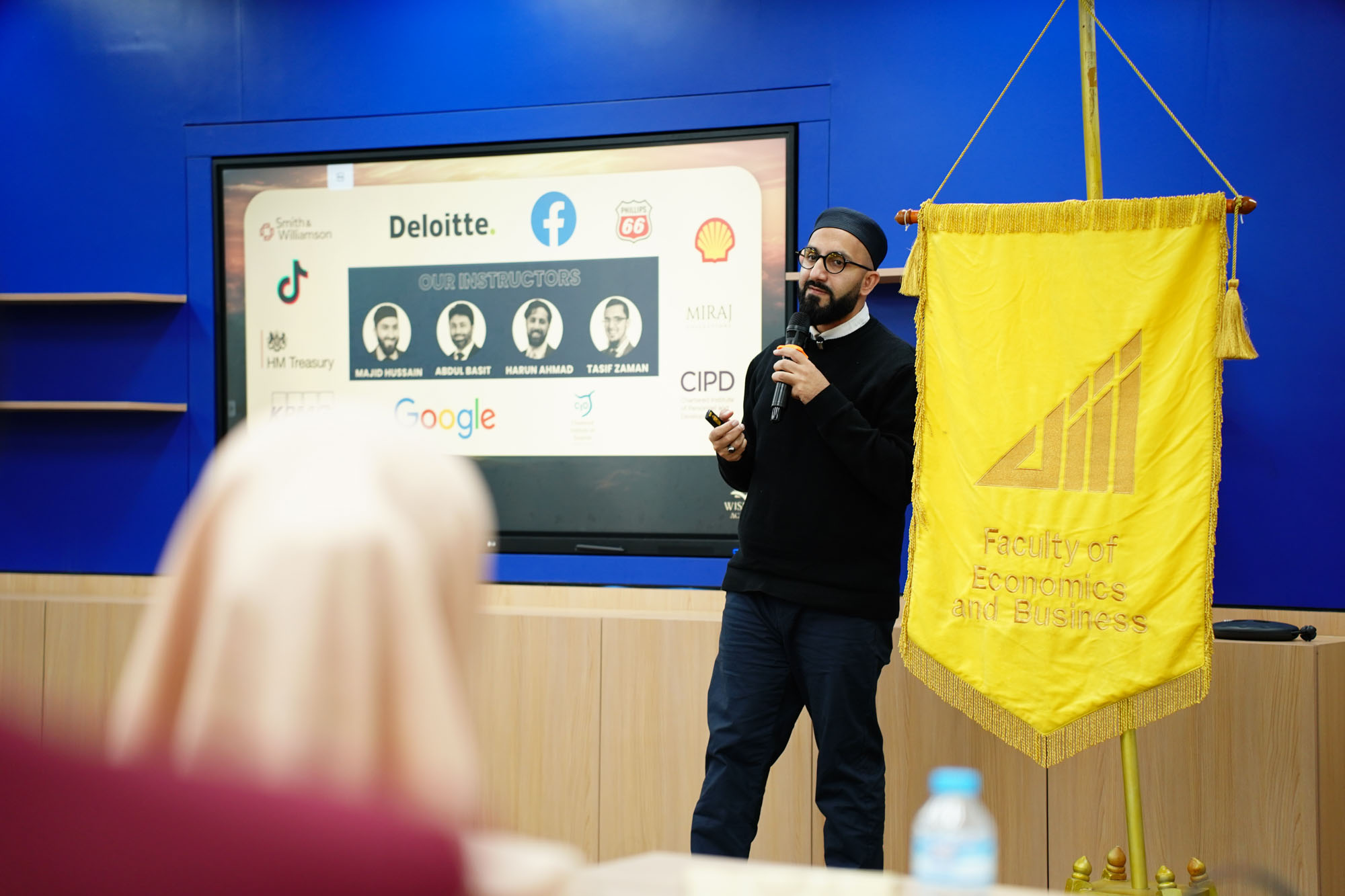
A collaborative leadership and self-development program titled “Art of Impact: Let Her, Do Her, Be Her” was organized by WBAsia Events (Malaysia), Wiselife Academy (United Kingdom), and Universitas Islam Internasional Indonesia (UIII) on 29 January 2026 aimed at empowering women to lead with confidence, resilience, and purpose.
Held at the Teleconference Room of Faculty B, UIII in Depok, the event was attended by participants from different countries with diverse professional and cultural backgrounds. The event reflected a shared commitment to strengthening women’s leadership through holistic and values-based approaches.
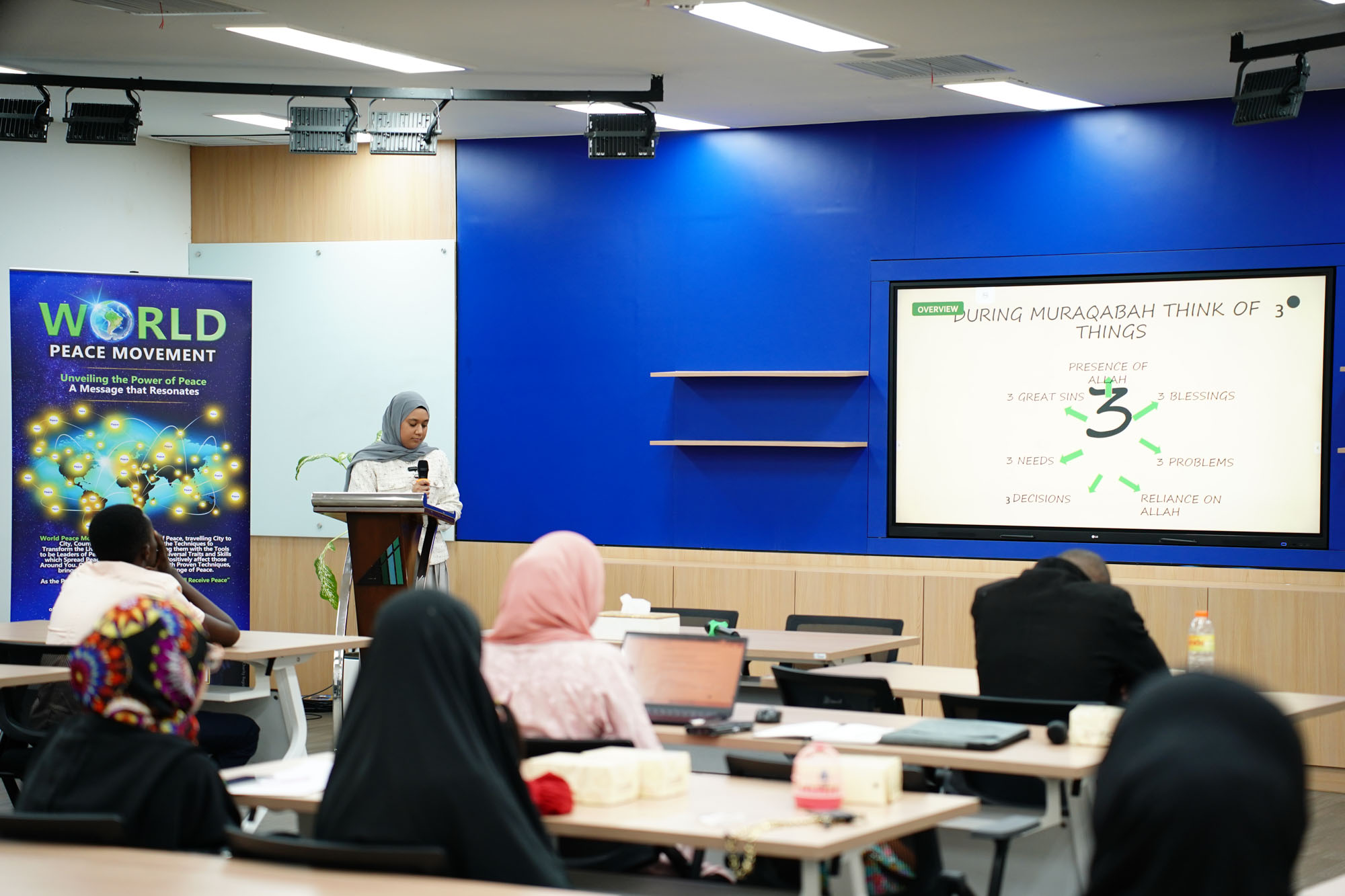
Mindfulness, Purpose, and Inner Leadership
Opening the discussion on wellbeing and leadership, Ms. Habiba Khatun, a civil servant and self-development coach, invited participants to rethink success through the lens of mindfulness and purpose. She highlighted the growing prevalence of anxiety, noting that “one in ten people are likely to experience a disabling anxiety disorder, with more than half of mental health challenges beginning in early adolescence.”
Ms. Khatun explained anxiety as “a persistent feeling of worry, nervousness, or unease, often rooted in fear of the future and a sense of losing control.” She connected these experiences to the Qur’anic concepts of huzn (grief of the past) and khawf (fear of the future), emphasizing that spiritual grounding plays a critical role in emotional resilience.
Quoting Surah Yunus (10:62), she reminded participants that “those who remember Allah and remain conscious of Him are not overtaken by fear or grief.” According to her, “the absence of purpose and spiritual presence often lies at the heart of anxiety and depression.”
She introduced mindfulness as “the quality of being fully conscious and aware,” practiced through breath, reflection, and du‘a (prayer) with inner presence. “When supplication is performed with awareness. When we communicate and visualize in the presence of Allah, it becomes a form of meditation,” she said, citing the verse, “Verily, in the remembrance of Allah do hearts find rest” (Qur’an 13:28).
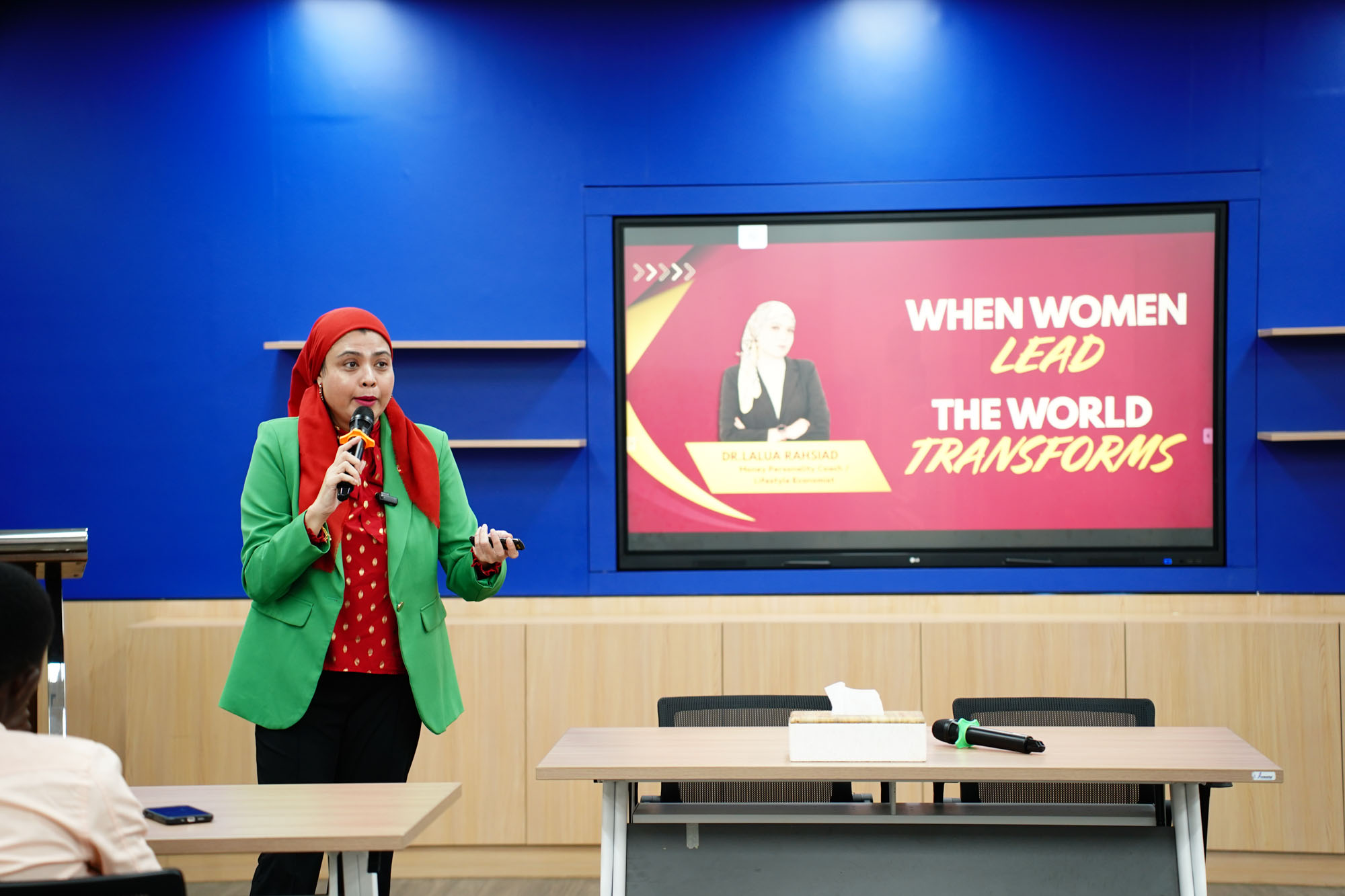
Leadership, Influence, and Women’s Multiple Roles
Dr. Lalua Rahsiad, a money personality coach and lifestyle economist, addressed leadership from a broader social and economic perspective. She stressed that leadership should not be narrowly defined by titles or positions.
“Leadership isn’t just about positions,” she said. “It’s about influence, vision, and courage. When women step up, communities thrive, businesses innovate, and the world transforms.”
Dr. Rahsiad highlighted the realities many women face in balancing multiple roles at home, at work, and in society. She emphasized that sustainable leadership is built on mentorship, purpose, and balance. She encouraged participants to learn from role models while developing a leadership style that reflects their own strengths and values.
She also noted that long-term fulfilment requires collaboration, clear goals, and mindful use of time. By clarifying roles, caring for personal wellbeing, and celebrating small achievements, women can maintain balance across professional and personal responsibilities.
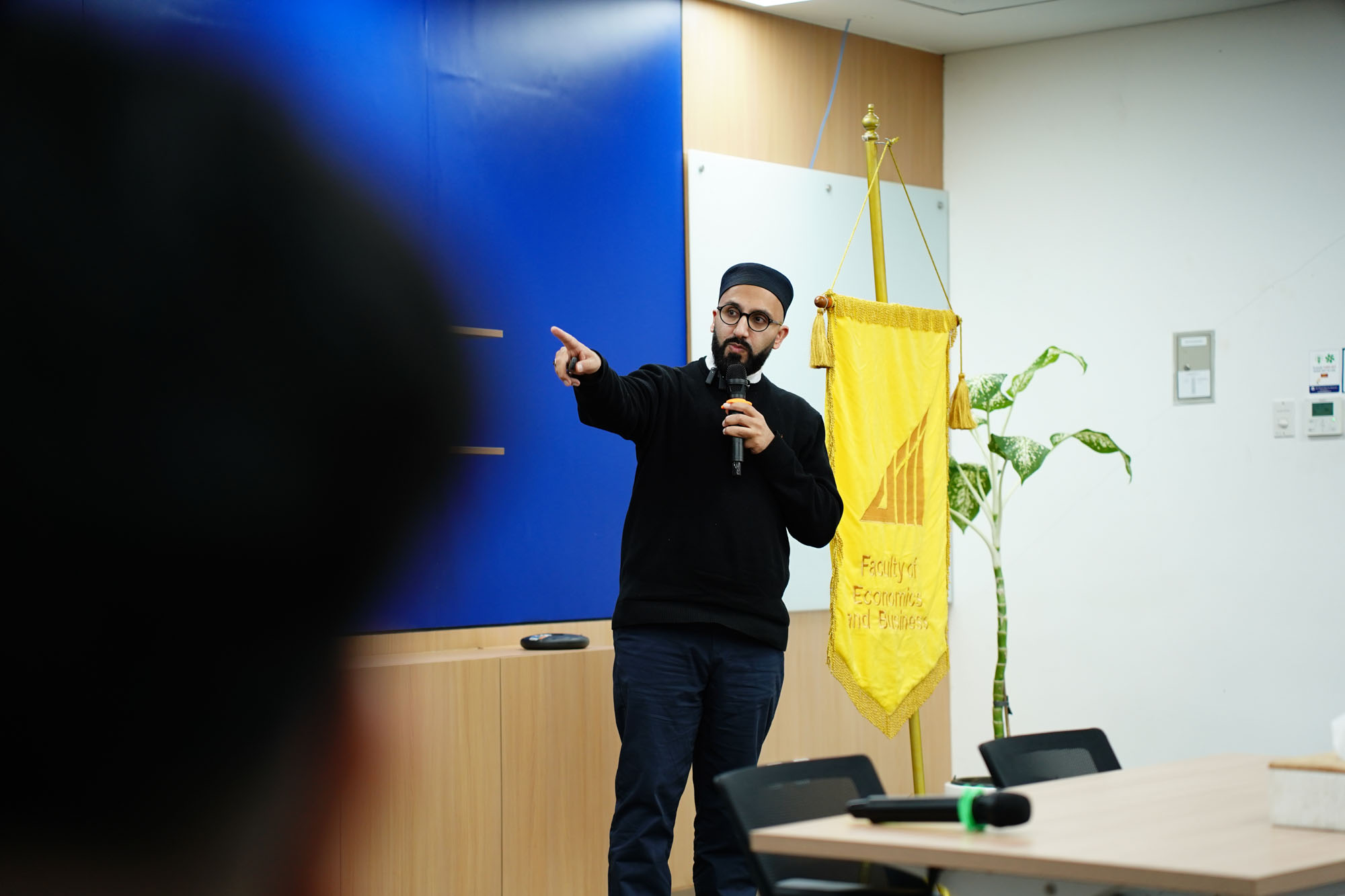
From Self-Doubt to Self-Leadership
Addressing internal barriers to leadership, Mr. Majid Hussain, a barrister, chartered tax advisor, and life coach, spoke about imposter syndrome and self-doubt, challenges that disproportionately affect women.
Citing global data, he noted that “67 per cent of women report feeling like imposters at work, and many apply for opportunities only when they meet 100 per cent of the criteria.” He also pointed to the continued underrepresentation of Muslim women in global leadership roles.
“Imposter syndrome is not a sign of incompetence,” Mr. Hussain explained. “It is often linked to conscientiousness, high standards, and a fear of being exposed.” He described the journey from self-doubt to self-leadership as one that begins with self-awareness and belief reframing, followed by purpose anchoring and continuous skill-building.
He encouraged participants to develop what he called an “inner compass”, grounded in purpose, peace, and personal power—supported by four key mindsets: understanding human psychology, clarifying personal values, setting meaningful goals, and giving back to others through service.
Through its discussions on mindfulness, financial confidence, and self-leadership, “Art of Impact” offered a holistic approach to women’s leadership development. The programme reinforced the idea that impactful leadership begins from within, rooted in purpose, balance, and conscious action.