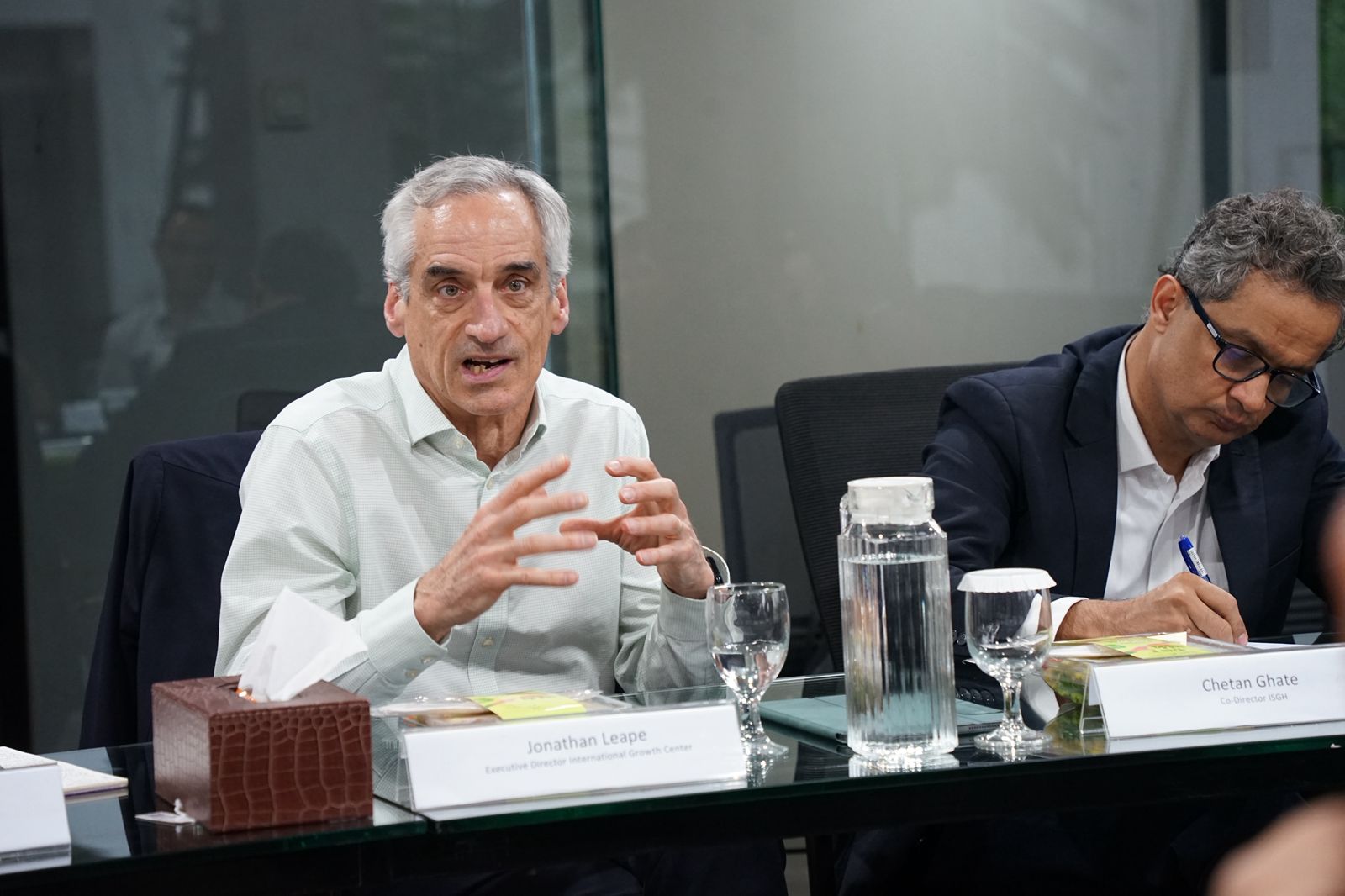
Universitas Islam Internasional Indonesia (UIII) hosted a strategic meeting between the UIII’s KOMITMEN Program and the International Growth Centre (IGC) on 11 December 2025, marking an important step in advancing dialogue on Indonesia’s climate-responsive economic development. The meeting brought together academic leaders and global policy experts to explore pathways for a just and sustainable transition toward Net Zero.
Teguh Yudo Wicaksono, PhD., Lead Project of the KOMITMEN Program, introduced KOMITMEN as a flagship initiative at UIII that places climate change at the center of economic policymaking. Built on an integrated macro-fiscal framework, the program explicitly incorporates climate risks to strengthen economic resilience while ensuring social equity throughout Indonesia’s low-carbon transition. Its work spans advanced economic modelling, stranded asset analysis, financial risk assessment, and just transition strategies.
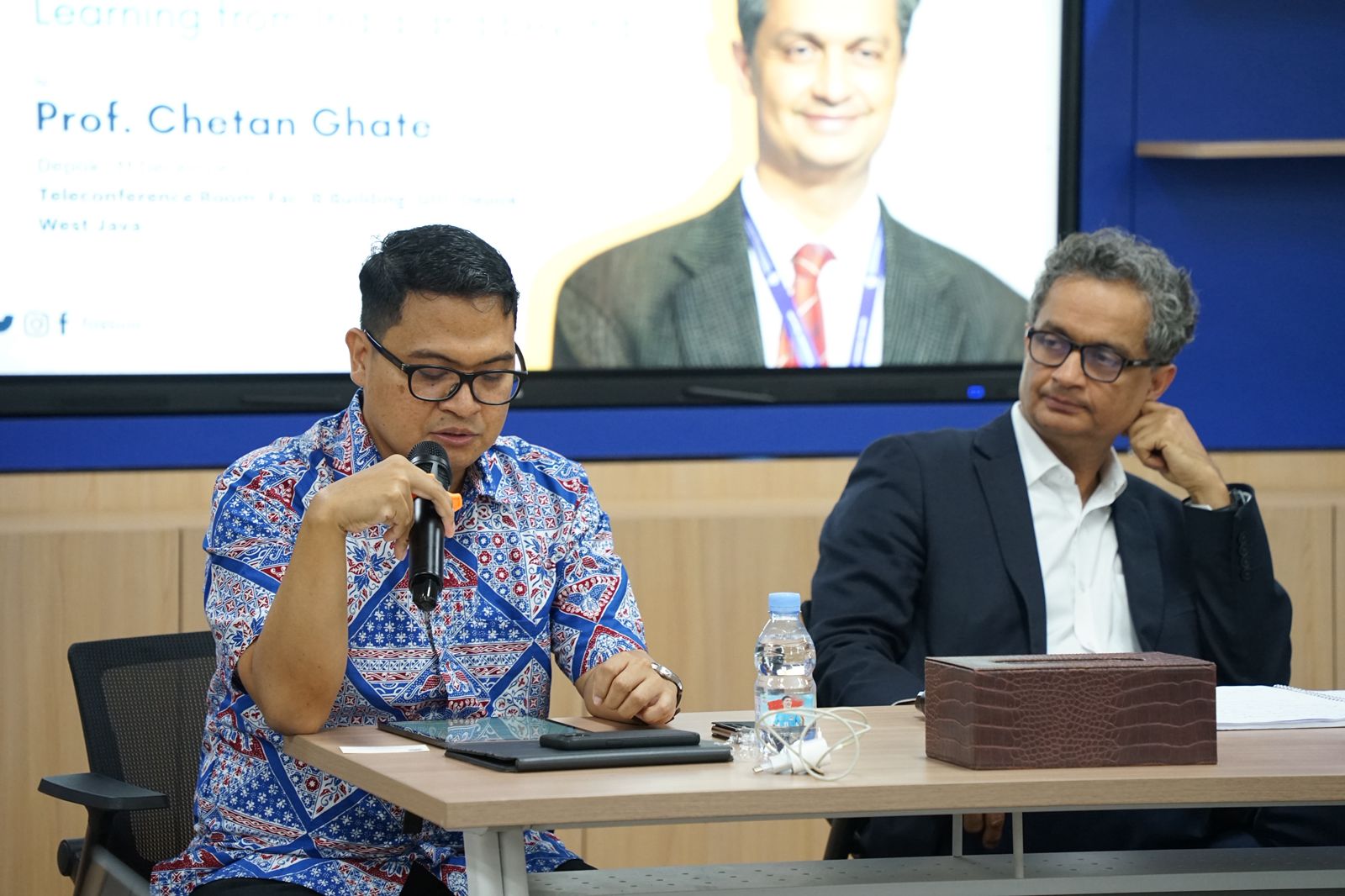 Dr. Yudo also emphasized that KOMITMEN goes beyond research, positioning itself as an independent, evidence-based knowledge consortium with strong international engagement. Through collaborative research with ministries and financial institutions, as well as high-level policy dialogues, the program aims to enhance national capacity to respond to climate-related economic challenges.
The discussion also highlighted the importance of sub-national governance. Assoc. Prof. Sirojuddin Arif, Head of the Political Science Research Program at KOMITMEN, underlined that strengthening local government capacity is essential for a successful green transition. He stressed the need to integrate climate considerations into regional development planning, improve coordination between central and local governments, and support low-carbon development in priority regions.
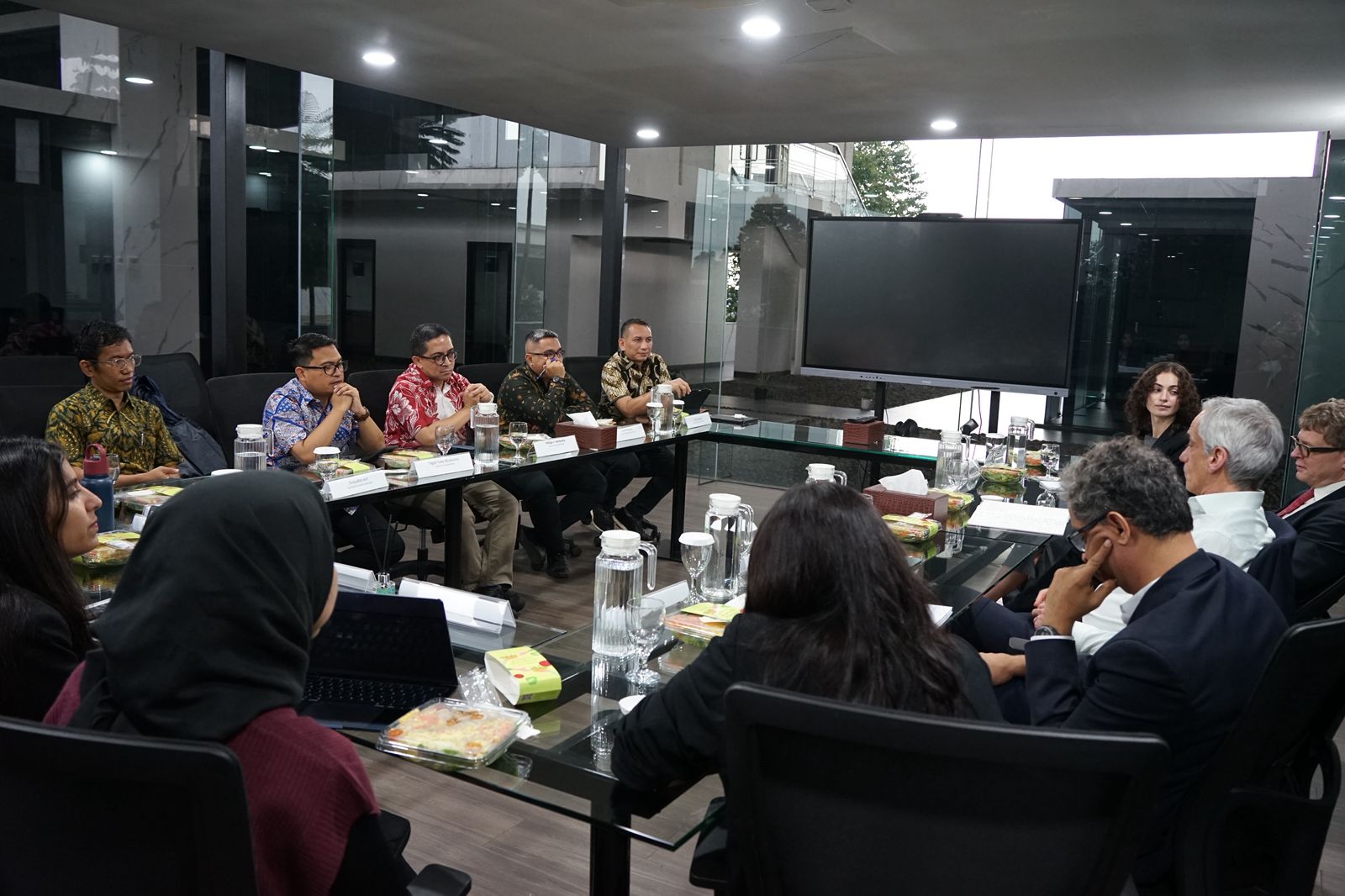 From the global perspective, Assoc. Prof. Jonathan Leape, Executive Director of IGC, outlined the organization’s mandate to support inclusive and sustainable growth in developing countries. He identified Indonesia as a key focus within IGC’s green economy research agenda. Furthermore, Prof. Robin Burgess of IGC further noted the growing importance of South–South learning, highlighting Indonesia, alongside Brazil and India, as emerging leaders in shaping sustainable economic policy through systematic knowledge exchange.
Policy discussions also addressed the role of monetary policy and political commitment in managing climate-related economic risks. Dr. Yudo pointed to the importance of optimizing monetary policy instruments and strengthening fiscal–monetary coordination to support green financing and the low-carbon transition. Indonesia’s strong political commitment was recognized as a critical foundation for advancing ambitious reforms.
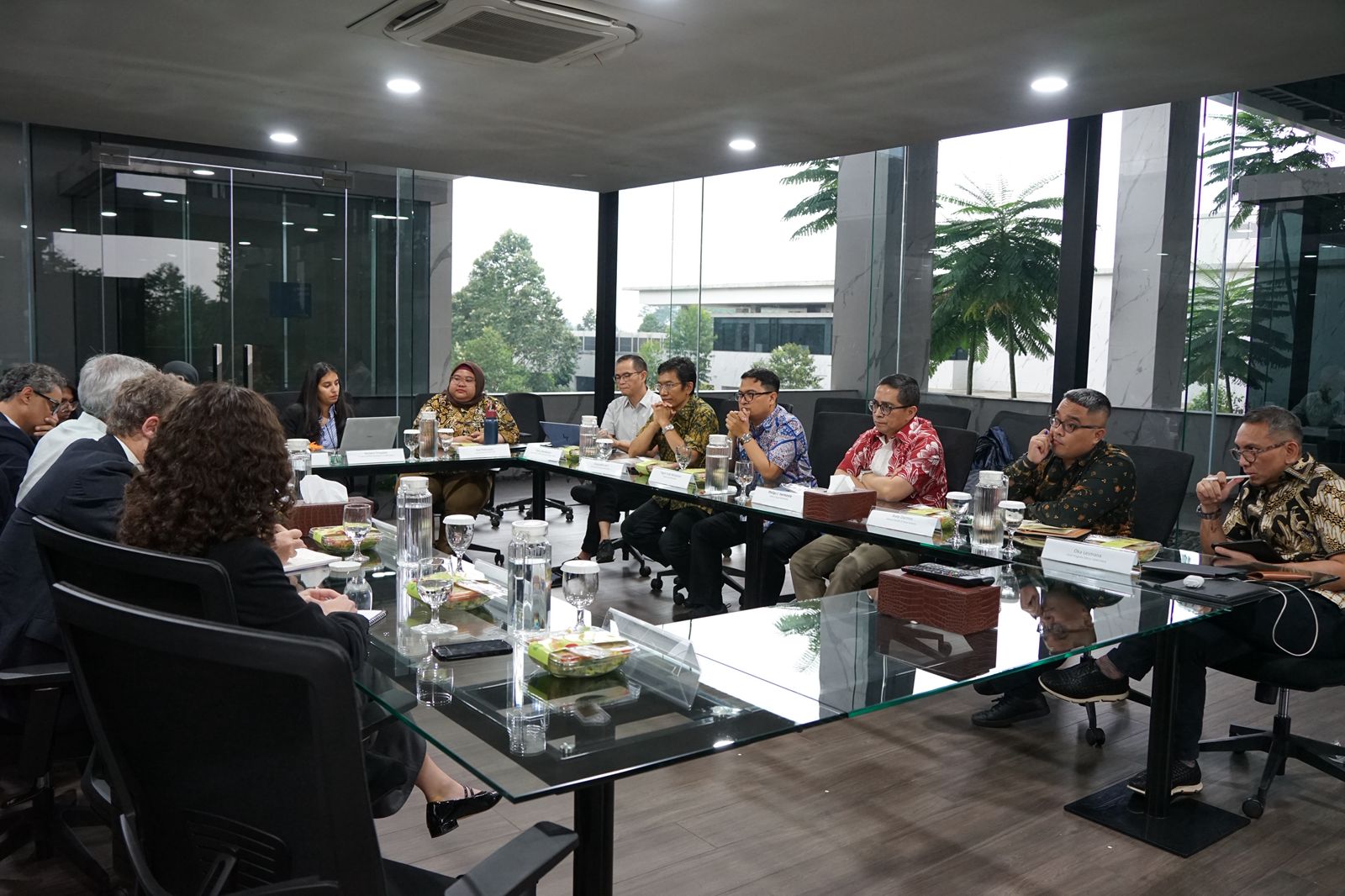 From a global governance standpoint, Philips J. Vermonte, PhD., Dean of the Faculty of Social Sciences at UIII, emphasized the strategic role of developing countries in shaping the global development agenda, particularly ahead of the United States’ G20 presidency. He noted that Indonesia, together with Brazil and India, is well positioned to contribute to a new global consensus on sustainable development. He also reaffirmed UIII’s role as an international university grounded in sustainability values and as a hub for capacity building in green economics, Islamic finance, and public policy.
Technical sessions focused on recent developments in Indonesia’s carbon market. Sonny Mumbunan, PhD., Head of UIII’s Master of Public Policy Program, shared insights on the Financial Services Authority’s regulatory framework for the carbon exchange, including strengthened oversight, verification mechanisms, and the role of green finance. Participants also highlighted the need to enhance capacity for carbon footprint measurement and reporting, particularly in sectors linked to the national carbon market.
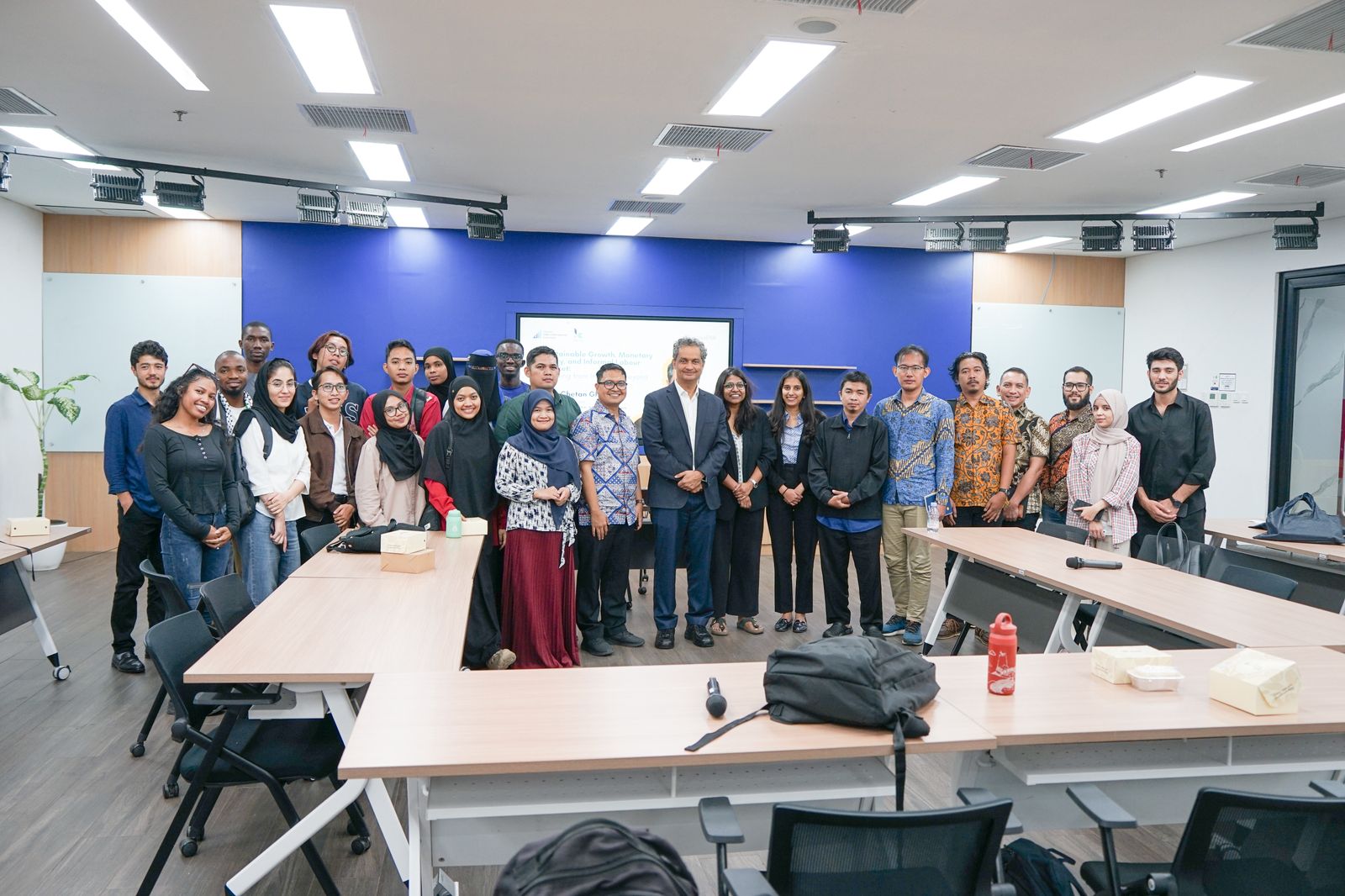
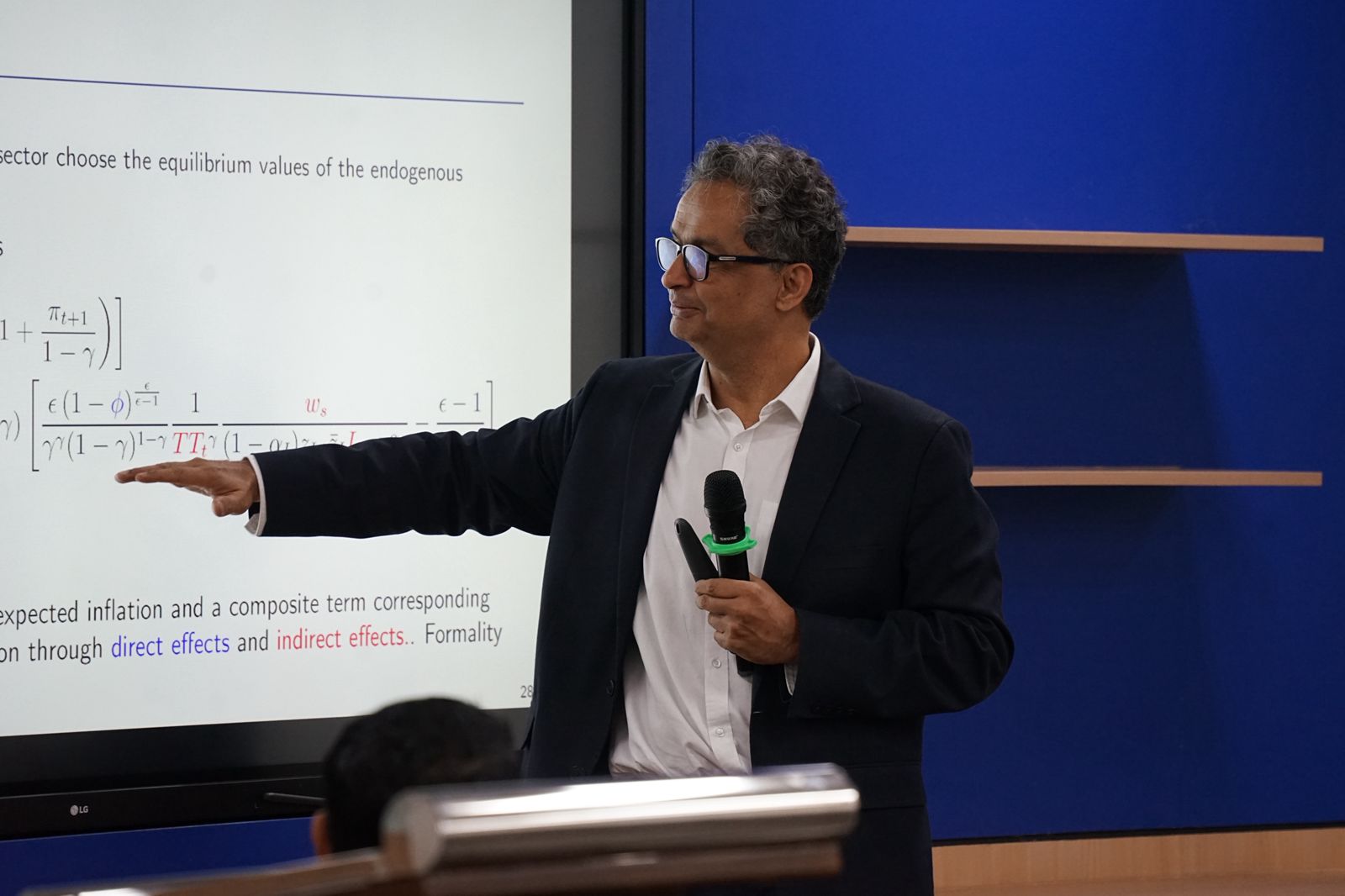 The meeting concluded with a shared commitment to pursue long-term collaboration between KOMITMEN and IGC. As part of the program, Prof. Chetan Ghate, Co-Director of India Sustainable Growth Hub (ISGH) delivered a public lecture at UIII titled “Monetary Policy and Informal Labor Markets,” further enriching academic exchange and deepening mutual understanding of monetary and labor market dynamics.
Through this strategic dialogue, the KOMITMEN Program reaffirmed its role as a bridge between academic research and public policy, supporting Indonesia’s efforts to build a resilient, inclusive, and climate-responsive economic future.