March 18, 2026
By Prof. Jamhari Makruf, Ph.D *)
DEPOK – The month of Ramadan always presents a space for reflection that transcends mere religious ritual.
When Muslims refrain from eating and drinking from dawn until sunset, what is being practiced is not only spiritual discipline, but also a moral exercise with broad implications for social life.
The Qur’an itself states the purpose of fasting very clearly: “O you who have believed, decreed upon you is fasting as it was decreed upon those before you that you may become righteous.” (Surah Al-Baqarah, 2:183)
This verse affirms that fasting is a path towards higher moral consciousness.
In the midst of a changing world, marked by geopolitical conflicts, economic inequality, and environmental crises, Islamic teachings provide an important reminder of the meaning of solidarity and cooperation.
The Qur’an affirms: “And cooperate in righteousness and piety, but do not cooperate in sin and aggression.” (Surah Al-Ma’idah, 5:2)
This principle asserts that a peaceful and prosperous life cannot be built without trust, cooperation, and a shared commitment to upholding justice.
For Muslims, solidarity is not merely a social value, but part of an ethical responsibility. Prophet Muhammad SAW taught the importance of helping others, strengthening brotherhood, and safeguarding human dignity.
When the world faces uncertainty, this teaching becomes increasingly relevant: society is called upon to support one another, protect vulnerable groups, and build relationships based on respect and justice.
In this context, the Ramadan fast holds meaning far beyond the practice of restraining from hunger and thirst. Fasting is a profound exercise in self-control.
In Arabic, there is the term imsak, which means to consciously refrain. Even when one has the ability to eat or drink, one chooses not to. This conscious choice becomes an exercise in controlling desires and cultivating spiritual awareness.
This exercise in self-control has broad relevance in daily life, especially when one holds power, resources, or influence.
Fasting teaches that true strength does not lie in the ability to wield power, but in the wisdom to restrain oneself.
From this, empathy is born: the awareness that every decision we make can affect the lives of others, especially those who are more vulnerable.
The self-control cultivated through fasting also fosters a sense of social responsibility. When one experiences hunger and thirst, it becomes easier to understand the suffering of those living in deprivation.
This physical experience opens the door to empathy, which is often difficult to achieve through moral discourse alone. Fasting becomes a collective experience that breaks down social barriers and encourages the emergence of solidarity.
Therefore, Ramadan is always a month rich with expressions of togetherness. In many Muslim countries, the tradition of breaking the fast together is a powerful symbol of social solidarity.
In the Middle East, for example, mosques hold collective iftars that bring together people from various backgrounds. Those who are able share food with those in need.
In Morocco, the moment of breaking the fast is an opportunity to strengthen family ties. Meanwhile, in Turkey, the atmosphere just before iftar is enlivened by drumbeats and the glow of lanterns, creating an ambiance of togetherness.
These traditions show that Ramadan not only strengthens the relationship between humans and God, but also strengthens the relationship among humans themselves. Fasting transforms into a social experience that connects individuals within a broad network of solidarity.
Indonesia has a wealth of Ramadan traditions that are equally diverse. From Aceh to Papua, each region has a unique way of welcoming the holy month.
In Aceh, there is the tradition of meugang, which involves eating together with family just before Ramadan or Eid al-Fitr. In Java, people know the Dugderan tradition as a marker of the arrival of the fasting month.
In various regions, special foods like kolak, ketupat, and various takjil (snacks for breaking the fast) are an inseparable part of the iftar atmosphere.
This tradition is not merely a cultural celebration. It reflects how spiritual values are translated into social life.
Ramadan becomes a space where religion and culture meet, forming a collective experience that strengthens both identity and societal solidarity.
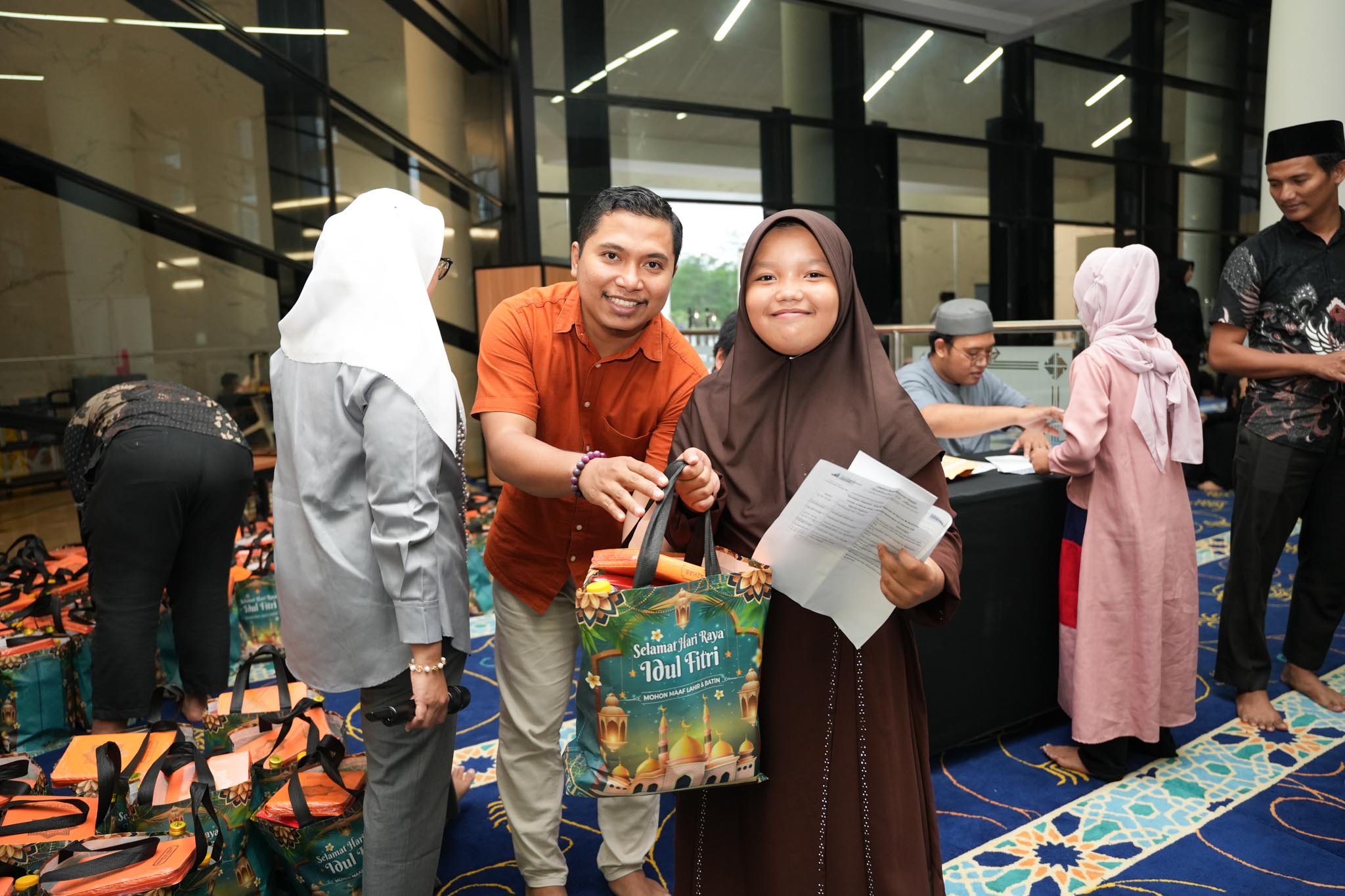
In big cities like Jakarta, new traditions are also developing. One of the most popular is buka bersama or breaking the fast together, or collective iftar.
Colleagues, friends, and families gather at home, office, restaurants, or hotels to break the fast together. This tradition becomes a social bridge connecting various community groups.
Offices often hold iftar gatherings to strengthen relationships among employees. Restaurants and hotels offer special Ramadan menus that serve as social meeting spaces.
Meanwhile, at home, families gather to share meals and stories after a day of fasting. Additionally, the month of Ramadan is also colored by social activities such as religious study gatherings, fundraising, and takjil markets that create a festive yet warm atmosphere.
Interestingly, in Jakarta, the tradition of breaking the fast has also developed into part of cultural diplomacy. Many embassies, both from Muslim and non-Muslim countries, invite guests to break the fast together. These invitations are not merely about a shared meal, but symbolize friendship and solidarity across nations.
This tradition recalls the saying of Prophet Muhammad SAW: “Whoever feeds a person who is fasting will have a reward like that of the fasting person.” In this context, sharing food is not just a social act, but also an act of worship with a spiritual dimension.
Through the tradition of communal iftar, diplomacy takes place not only through formal meetings, but also through a simple human experience: sitting together, sharing food, and feeling a sense of togetherness.
In the end, fasting carries a profound moral message. It is a spiritual exercise to restrain desires and a means to strengthen social solidarity.
Fasting teaches empathy, caring, and generosity. These values are not merely social norms, but spiritual messages rooted in the deepest human consciousness.
Prophet Muhammad SAW reminded us that fasting is not only about abstaining from hunger and thirst. He said: “Whoever does not give up false speech and evil actions, Allah is not in need of his leaving his food and drink.” This message reminds us that fasting without moral transformation is merely an empty ritual.
Ramadan, with all the beauty of its traditions, should be a moment for self-improvement while also strengthening social concern.
It is a time to cultivate empathy, strengthen brotherhood, and reinforce commitment to justice and humanity.
If these values are truly brought to life, fasting will not only shape more pious individuals but also a more just and civilized society.
*)
Rector, Universitas Islam Internasional Indonesia (UIII)