January 27, 2026
Prof. Jamhari Makruf, PhD*)
JawaPos.com – Every year, hundreds, even thousands, of Indonesian youth flock abroad to continue their education in developed countries such as the United States, the United Kingdom, the Middle East and North Africa, and Australia. The hope is that they will complete their studies, return to their homeland, and apply the knowledge they have gained to advance Indonesia.
Yet, behind this phenomenon lies a thought-provoking question worthy of our collective contemplation: ‘Can we one day reverse this situation, transforming from merely a country that sends its students to study overseas into a primary destination for international students to learn and acquire knowledge here?’
An old adage says, ‘it is better to be the one giving than the one receiving.’ It seems Indonesia has long been a beneficiary of global higher education, receiving scholarships, research grants, and learning opportunities from other nations. Ironically, many of these come from countries not always economically stronger than Indonesia.
The question then follows: how long will we maintain this condition? When will Indonesia dare to position itself not only as a consumer of global knowledge but also as a primary contributor?
The answer, of course, is not as simple as flipping one’s hand. It requires collective reflection, the courage to act, and sustainable cross-sectoral synergy.
The Time to Be the ‘Giving Hand’
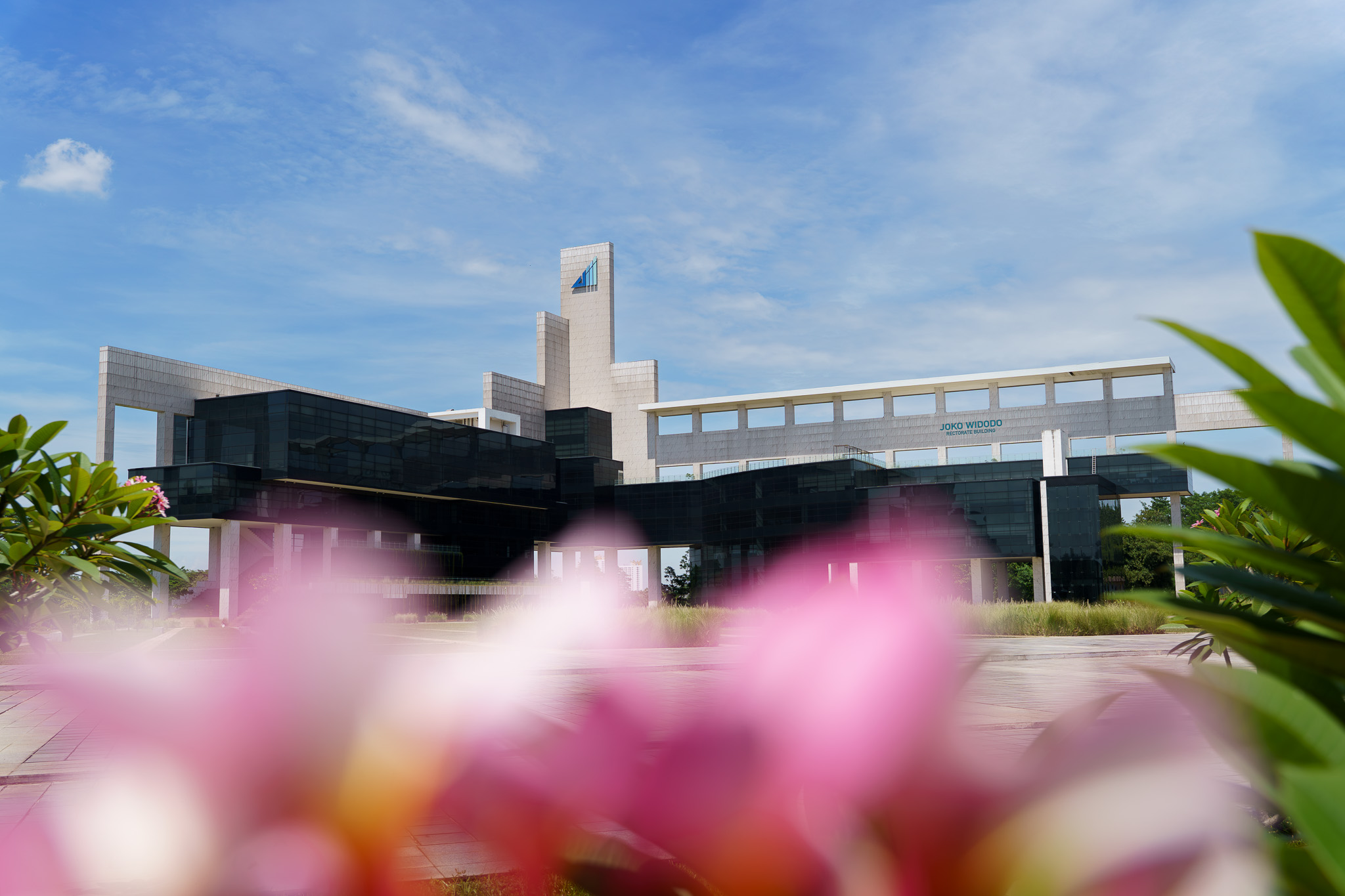
I have often expressed in various forums that Indonesia has indeed begun moving in that direction. One concrete piece of evidence is the establishment of the Universitas Islam Internasional Indonesia
(UIII), which can be considered Indonesia’s first international university, at least in terms of its mandate and global orientation.
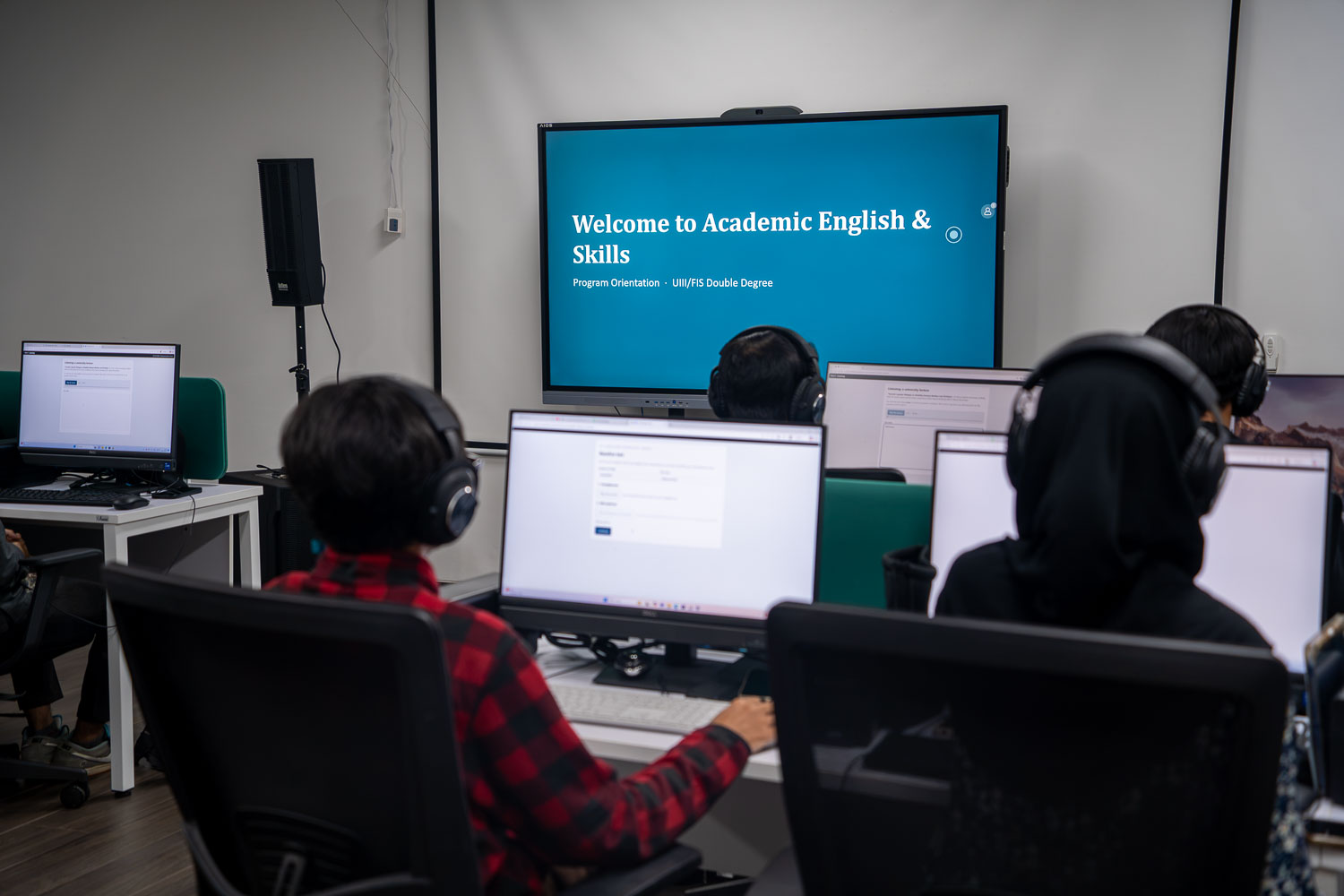
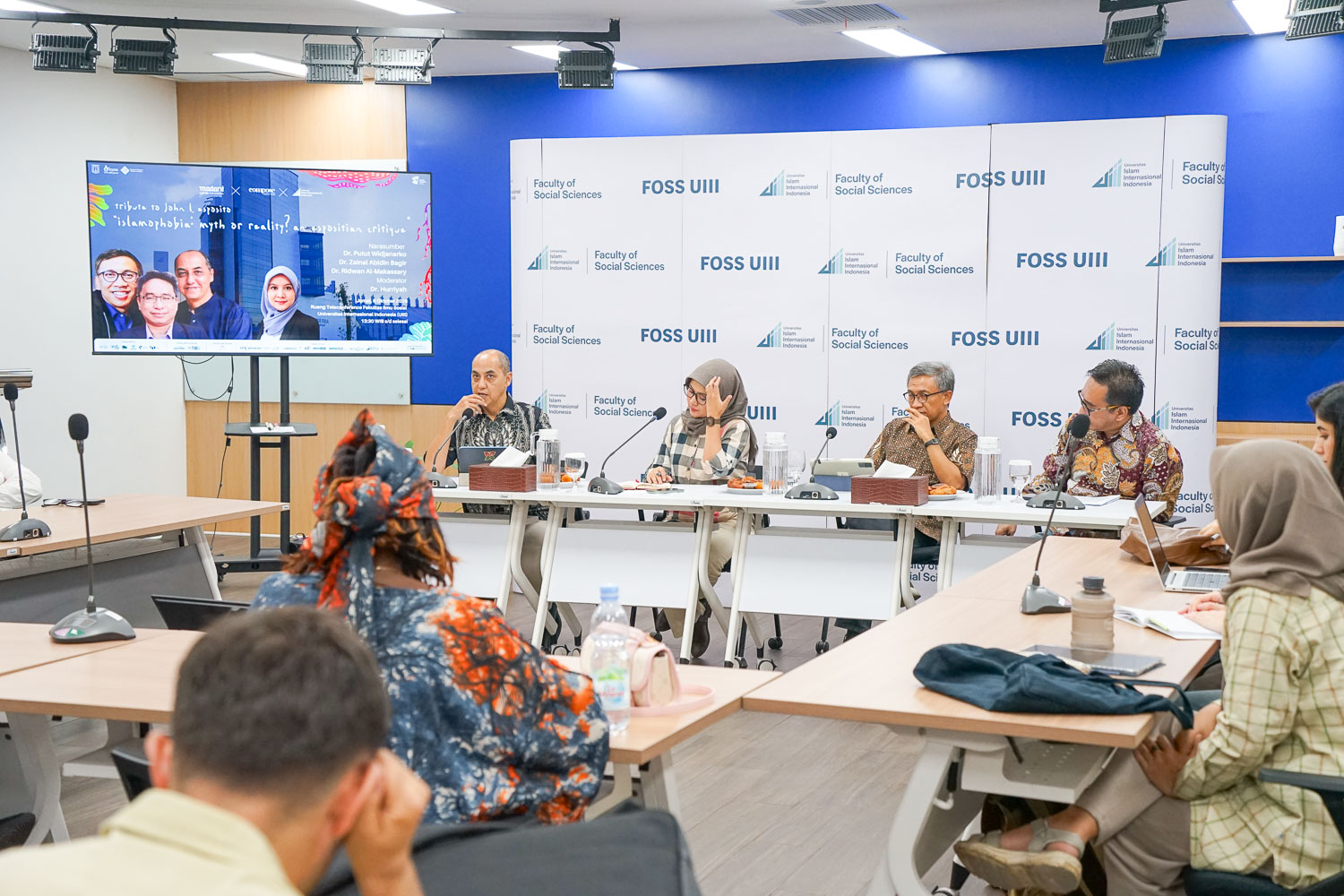
Imagine a classroom where a student from Africa engages in a lively discussion with a classmate from Australia. In another corner, a student from the United States presents on their country’s economic developments before peers from the Middle East, South Asia, and Southeast Asia. They learn within the same academic space, guided by lecturers who are graduates of world-renowned universities.
For UIII, such scenes have become part of the daily academic routine. Since its establishment in 2016 and its official commencement of academic activities in 2021, UIII has enrolled 849 students from 45 countries across Asia, Africa, Australia, Europe, and the Americas.
Although a relatively new institution, UIII has also established international cooperation with 42 partner institutions, including dual-degree programs with the University of Edinburgh, SOAS University of London, the University of Dundee in the UK, and Deakin University in Australia.
The majority of UIII students pursue their studies through various scholarship schemes, provided internally by UIII, as well as through the Indonesia Endowment Fund for Education (LPDP), Indonesian Aid (INSANI), and support from partner governments such as the Netherlands and Norway. We have also initiated a self-funded scheme to broaden access to the wider public.
However, becoming a ‘giving hand’ does not stop at statistics. We must ensure these achievements do not stagnate but continue sustainably. At this point, we need to reflect: what is the key for Indonesian universities to elevate their standing, achieve global competitiveness, while remaining relevant to national interests?
Internationalization is the Key
Thus far, internationalization has often been understood through easily measurable indicators, such as a campus using international languages of instruction like English or Arabic. Also included are the presence of foreign lecturers and students, curricula aligned with global standards, or the number of collaborations with foreign institutions.
It must be acknowledged that all these are important and valid. However, if internationalization stops at this list, we risk losing its most fundamental meaning.
Universities, from their very inception, are institutions born from cross-border encounters. Knowledge never grows in a completely enclosed space. It develops through dialogue, debate, and openness to ideas from the outside. In this sense, internationalization is not a new phenomenon but the innate character of the academic world.
Yet, in a globalization era saturated with competition, the meaning of internationalization has often shifted. It tends to be treated as a symbol of prestige and competitiveness. Campuses race to display a global face, sometimes without pausing to ask: what value do we truly wish to offer to the world?
In this regard, internationalization demands something far more fundamental: intellectual self-confidence. Universities in Indonesia must dare to believe that the knowledge born from this nation’s social, historical, and cultural experiences possesses universal value and global relevance.
Thus far, we have too often positioned ourselves as consumers of theories and concepts born in other parts of the world. Yet, Indonesia possesses an immensely rich social laboratory, from practices of religious life coexisting with democracy, to experiences in managing diversity within a single nation. All these are not merely objects of study, but sources of ideas worthy of being offered to the world.
It is within this context that internationalization should be understood as a process of mutual giving, not merely receiving. The presence of international students on Indonesian campuses is not only to “learn about Indonesia,” but also to learn from and with Indonesia.
Synergy is Needed, We Cannot Do It Alone
Despite our five-year efforts at UIII toward internationalization, we realize we cannot stand alone. The government has thus far provided highly meaningful support, from the founding mandate and funding schemes to policy facilitation enabling an international campus to grow in Indonesia.
However, future challenges demand far more collective and coordinated work. Policy-wise, regulations concerning visas for foreign students and lecturers, residence permits for international researchers, and flexibility in managing human resources at universities are crucial factors. Without a regulatory framework that is adaptive and supportive of global academic mobility, internationalization can easily be hindered at the administrative level.
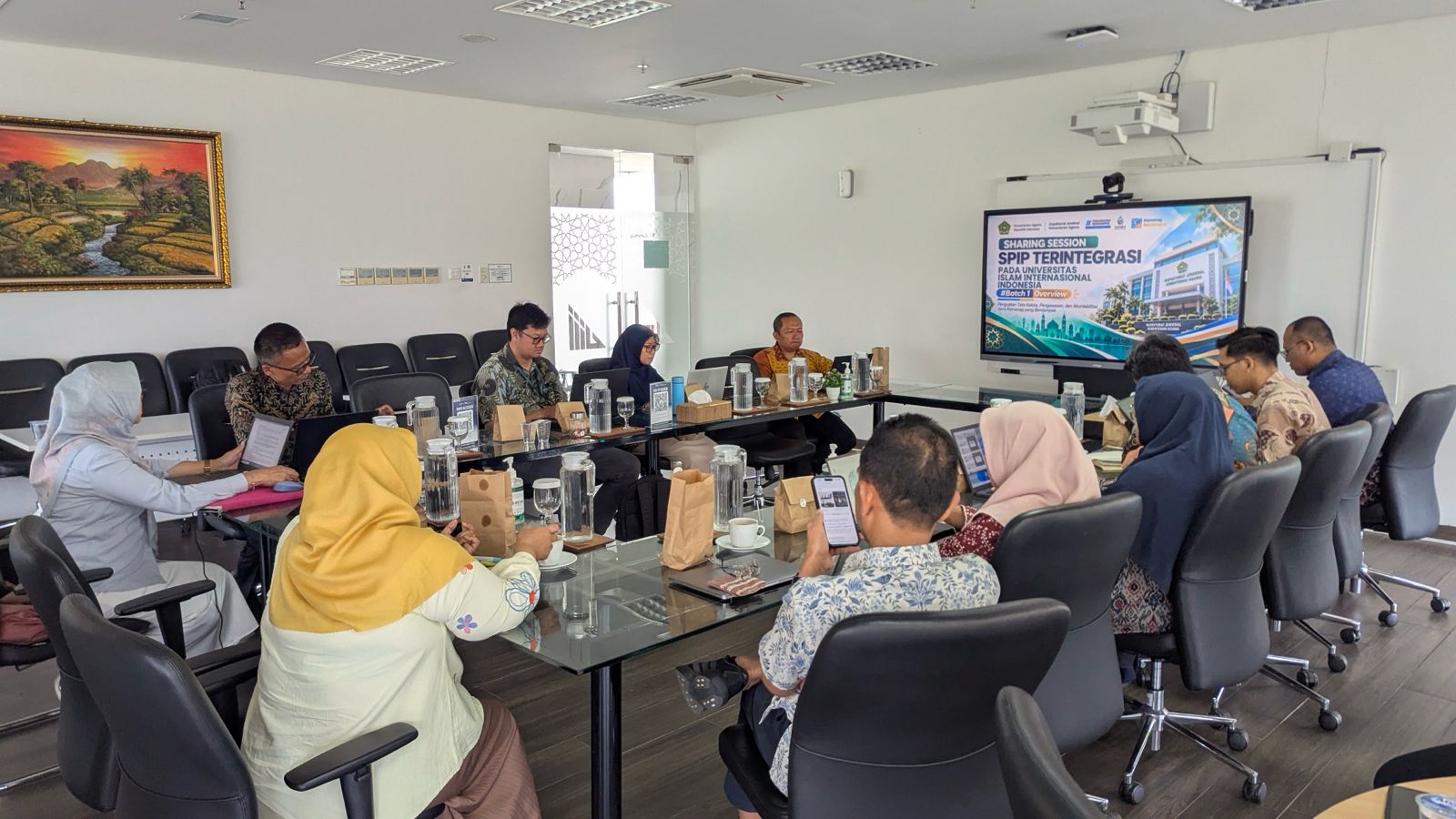
Beyond the government, the role of other higher education institutions in Indonesia is equally important. Internationalization should not breed narrow competition among campuses, but rather strategic collaboration that collectively strengthens Indonesia’s position. Joint research, academic consortia, lecturer exchanges, and cross-institutional programs will present Indonesia as a solid higher education ecosystem in the eyes of the world.
Synergy with industry, philanthropic institutions, and civil society also forms an essential pillar. Their involvement opens avenues for global internships, applied research, and international professional networks for students, both local and foreign. Thus, internationalization will not only produce world-class graduates but also deliver tangible contributions to national and global development.
In the end, the grand dream of university internationalization is a shared dream. It requires alignment of vision, policy sustainability, and cross-sectoral commitment. Only through such synergy can Indonesia stride forward confidently, no longer merely following the currents of global higher education, but also helping to shape and determine its direction. []
*) Rector of Universitas Islam Internasional Indonesia
This article has been previously published here: