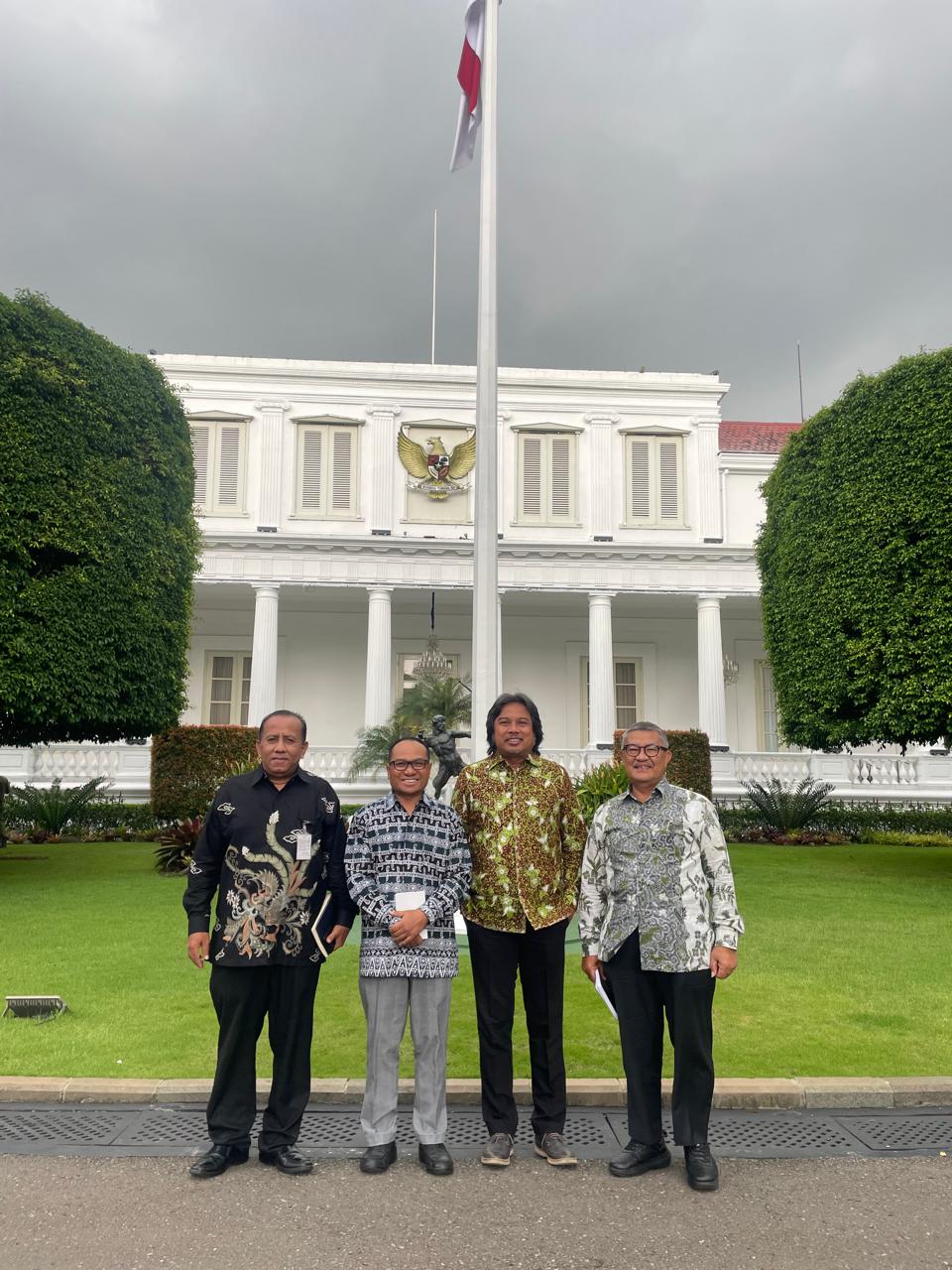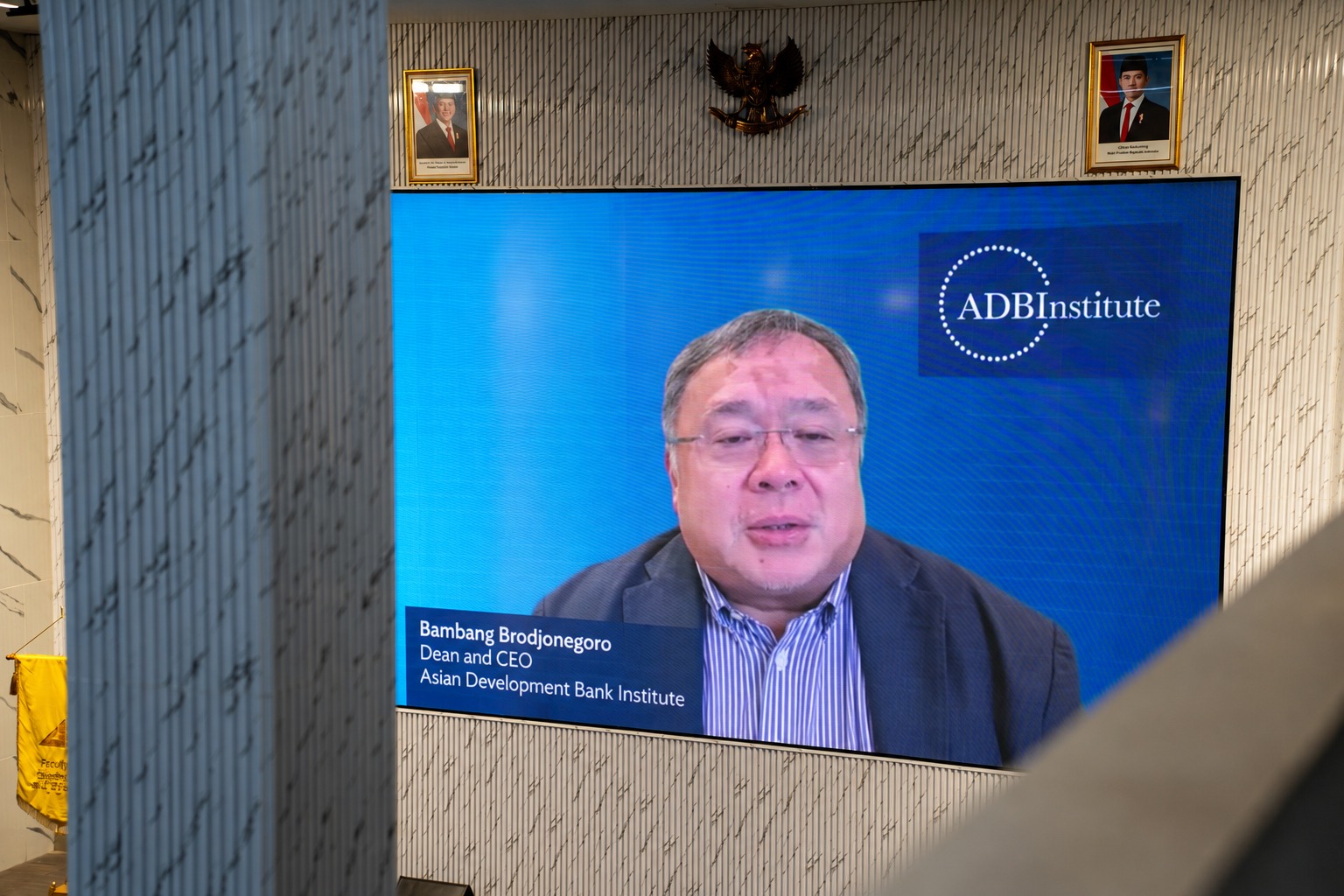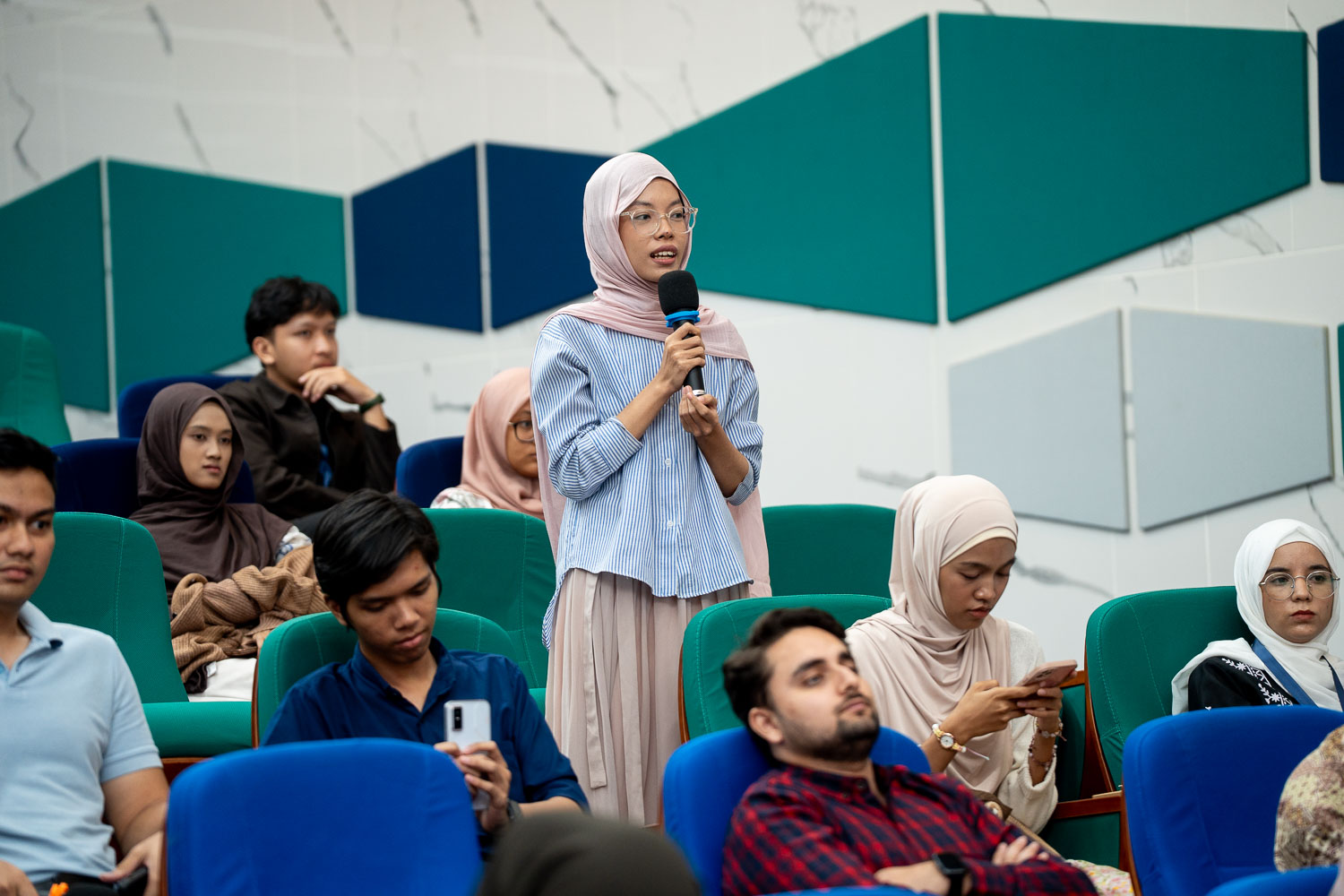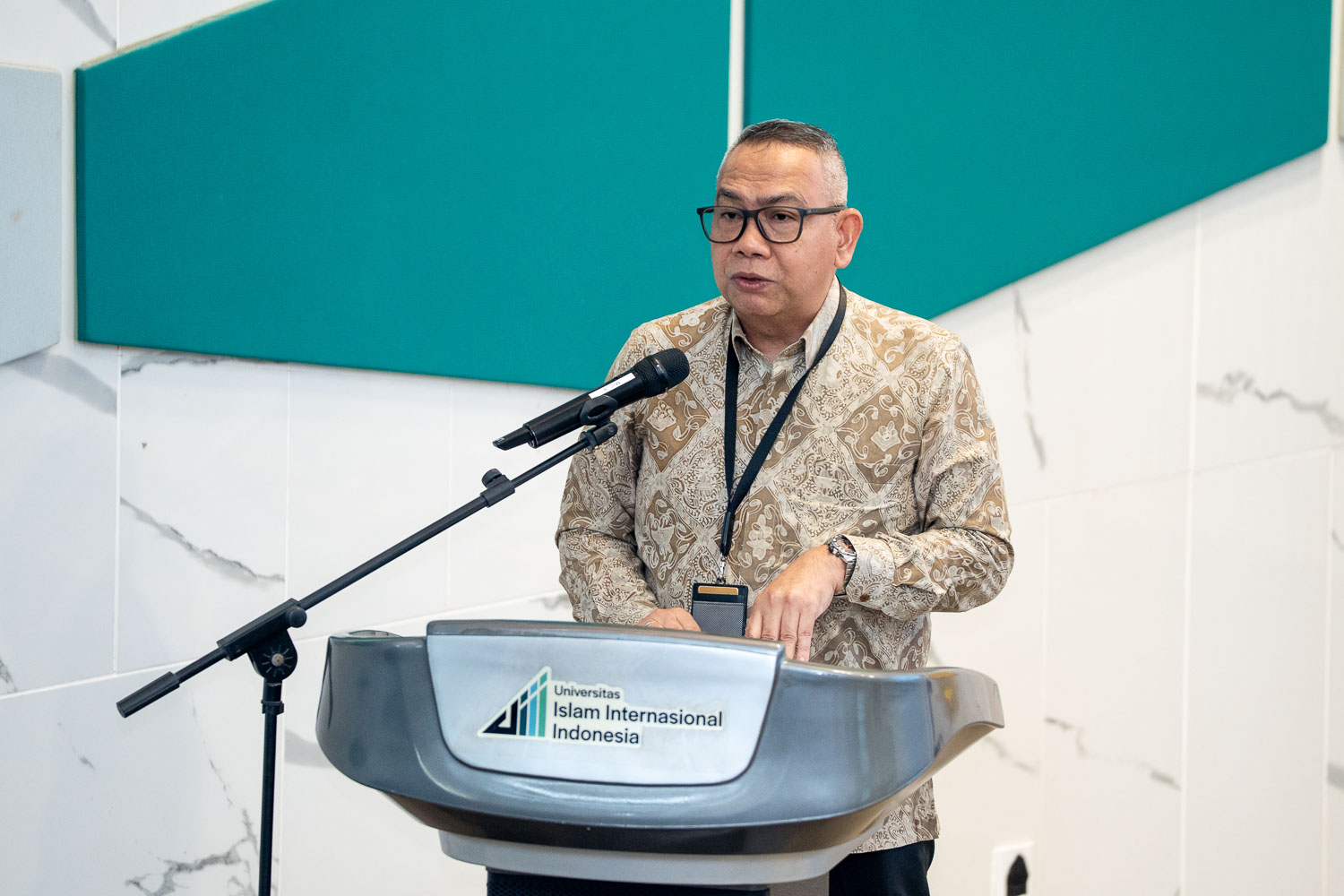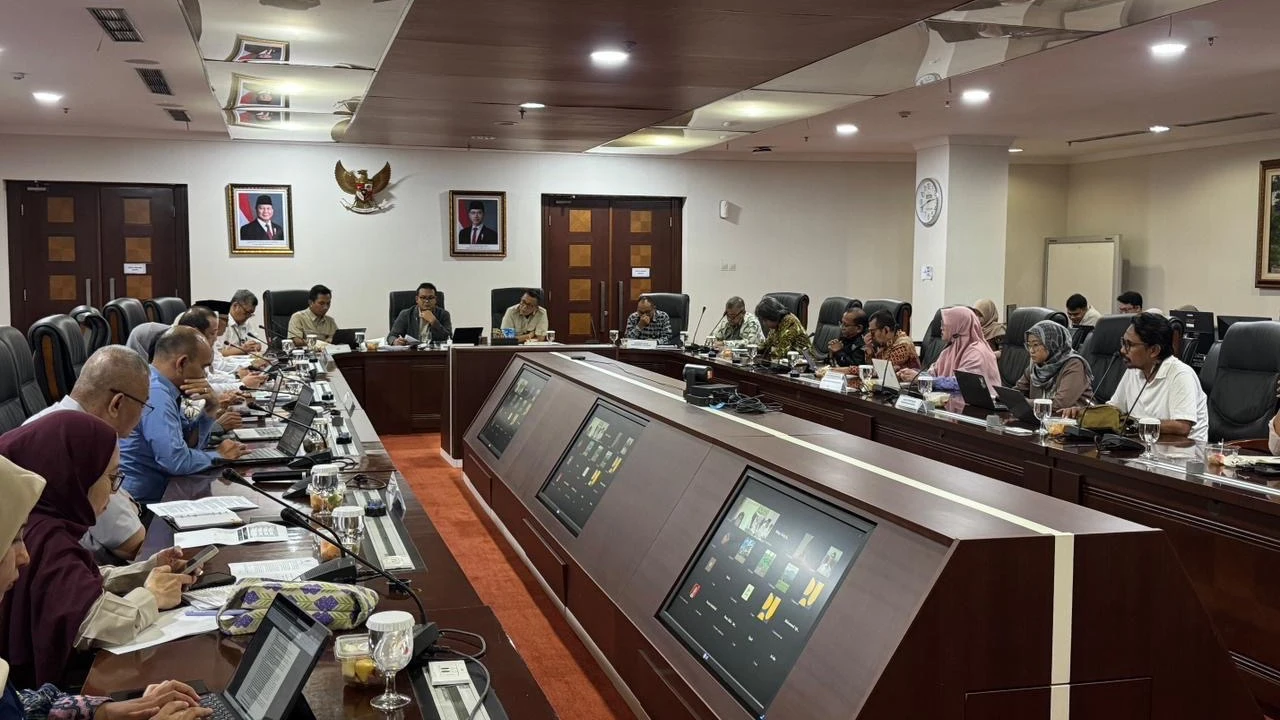
Jakarta — On Tuesday, January 13, 2026, senior officials from across Indonesia’s key ministries convened at the heart of government power, the Bina Graha Building within the Presidential Palace complex in Jakarta. Initiated by the Presidential Staff Office (Kantor Staf Presiden, KSP), the high-level coordination meeting reviewed progress and ensured the continuity of the development of the Universitas Islam Internasional Indonesia (UIII) campus.
The gathering reflects KSP’s formal mandate under Presidential Regulation No. 83 of 2019, which assigns the office to support the President and Vice President in overseeing national priority programs and managing strategic issues. Among the National Strategic Projects (Proyek Strategis Nasional/PSN) under KSP’s close supervision is the construction and operationalization of UIII, a project envisioned to position Indonesia as a global center of Islamic scholarship and moderate religious diplomacy.
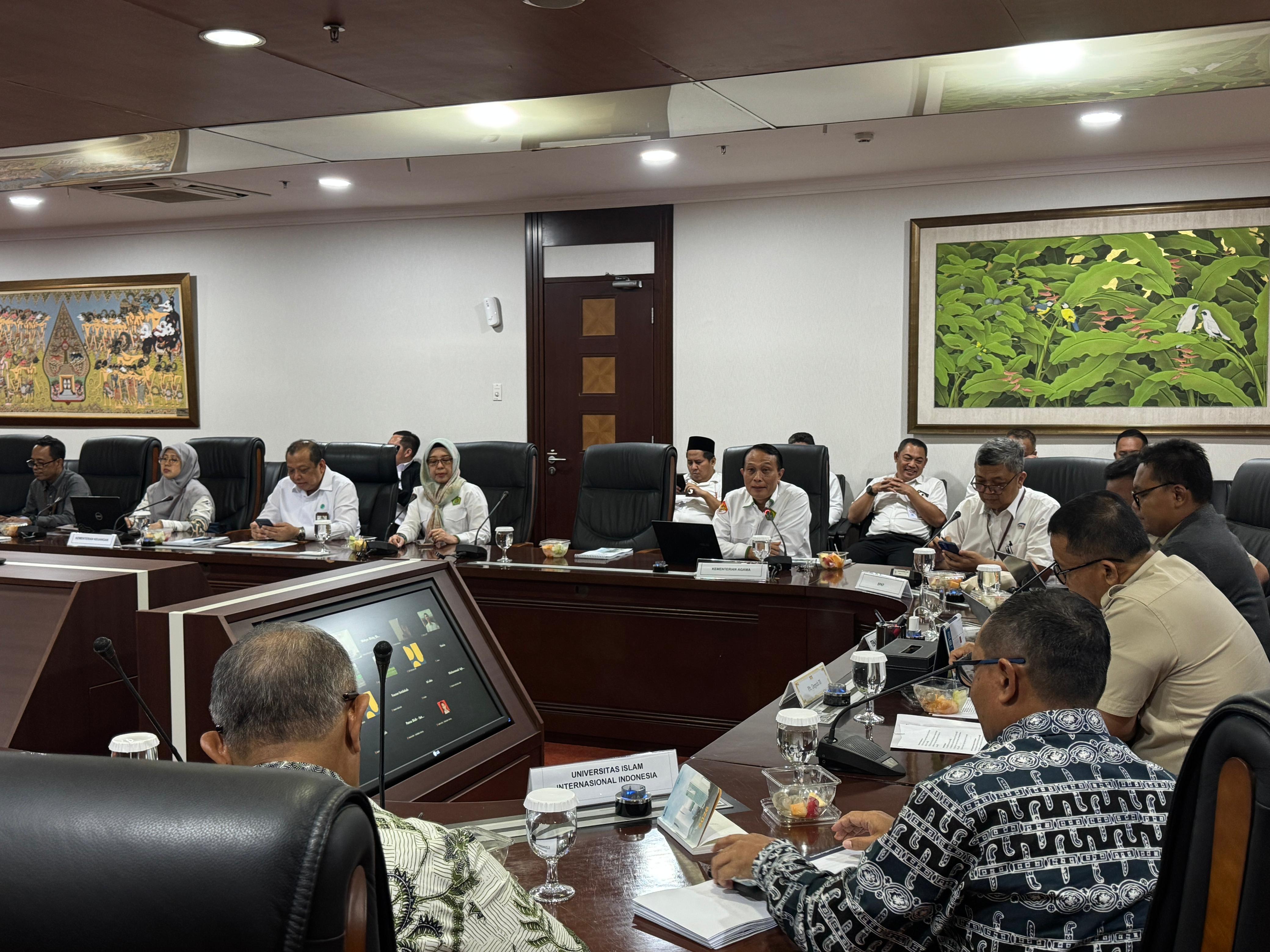
The meeting was chaired by Dr. Tri Santoso, Senior Expert at the Presidential Staff Office (KSP), and brought together representatives from a wide range of ministries and agencies. Participants, invited by the Acting Deputy III of the Presidential Staff Office, Dr. Yan Hiksas, included officials from the Coordinating Ministry for Economic Affairs, the Coordinating Ministry for Human Development and Cultural Affairs, the Ministry of State Secretariat, the Ministry of Finance, the Ministry of National Development Planning (Bappenas), the Ministry of Public Works, the Ministry of Religious Affairs, and the Financial and Development Supervisory Agency (BPKP).
In his opening remarks, Dr. Yan Hiksas emphasized the importance of aligning all stakeholders around a shared timeline and sustainable development plan. Participants were invited to present progress reports and relevant materials, reinforcing a collaborative approach to problem-solving and policy alignment.
UIII was represented by Rector Prof. Dr. Jamhari, who conveyed the university leadership’s latest updates. He was joined by University Secretary Dr. Chaider S. Bamualim and Vice Rectors Prof. Dr. Amsal Bakhtiar and Dr. Phil. Syafiq Hasyim.
This broad participation underscores the cross-sectoral nature of the UIII project. It is not only an educational initiative, but also an infrastructure undertaking, a budgetary commitment, a human capital investment, and a diplomatic instrument, all requiring synchronized inter-ministerial coordination.
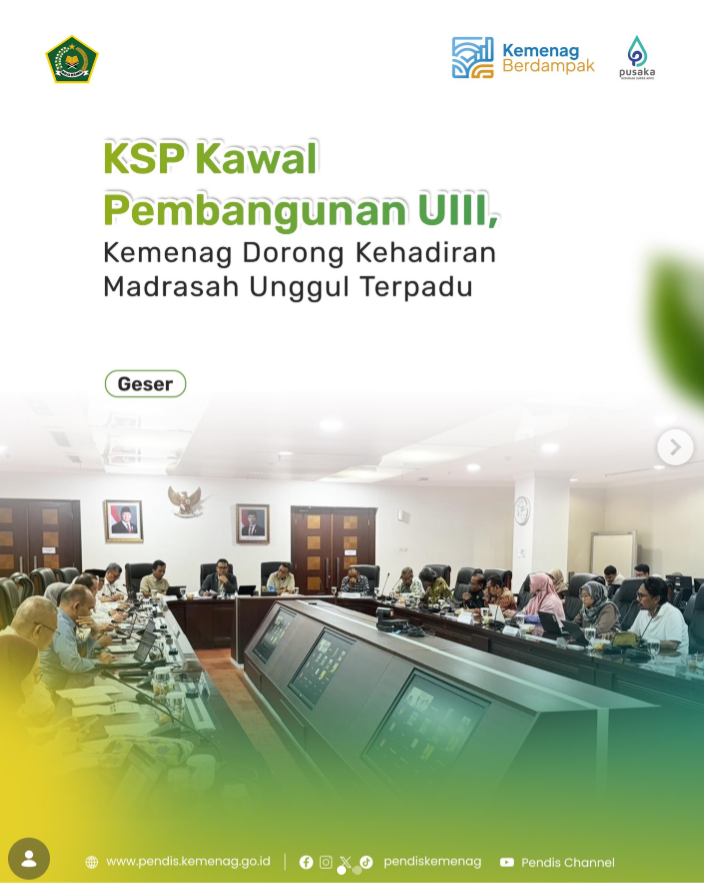
Credit photo: IG @pendiskemenag, 2026 (https://www.instagram.com/p/DTejxVAgcJv/)
Since its designation as a National Strategic Project, the development of the UIII campus has remained under continuous oversight by KSP’s Deputy III division. Dr. Tri Santoso asserted that the Presidential Staff Office has served as a key facilitator, ensuring that land preparation, infrastructure planning, budgeting, and institutional readiness move forward without bureaucratic bottlenecks. Regular coordination meetings and field monitoring have become essential mechanisms for maintaining project momentum, supporting the President’s oversight of national strategic initiatives such as UIII.
A University with a Diplomatic Mission
Beyond physical construction, UIII carries a broader national ambition. Dr. Yan Hiksas noted that the university holds a special strategic discretion within the national agenda, as it is designed to become a world-class center for Islamic studies and global affairs, a place where Islamic scholarship engages with contemporary issues such as governance, peace-building, environmental ethics, and international relations.
He further emphasized that, as a dignified higher education institution, UIII is also an instrument of diplomacy.
“Through UIII, Indonesia seeks to project a model of Islam that is inclusive, intellectually open, and socially engaged,” he said. “The university is expected to attract international students and scholars, particularly from regions where Islam is often associated with extremism or conflict, offering an alternative narrative shaped by Indonesia’s long tradition of religious moderation and pluralism.”
In this sense, UIII stands as an instrument of soft power, advancing what policymakers describe as diplomacy through knowledge.
emphasized that sustained support from all stakeholders is essential, along with the development of harmonious cooperation among all institutions involved in the project.
Reaffirming the Government’s Commitment
Government planners have consistently framed UIII as an emerging icon of global Islamic civilization: a university that bridges religious knowledge with modern science, public policy, and global discourse. Its success is expected to reinforce Indonesia’s position as a reference point for Islamic education in the twenty-first century.
For KSP, ensuring the project’s continuity is therefore more than administrative oversight. It is stewardship of a long-term national vision.
As the coordination meeting concluded at the Presidential Palace complex, the message was clear: the UIII project remains a strategic priority at the highest level of government. Through sustained inter-ministerial coordination, budget alignment, and institutional facilitation, the Presidential Staff Office continues to safeguard UIII’s journey from concept to campus, and from campus to global influence. The meeting reaffirmed the government’s commitment to ensuring the timely completion and operationalization of Universitas Islam Internasional Indonesia. []