DEPOK – On Friday, January 9th, UIII Counseling and Mental Health Services (CMHS) hosted a workshop specifically designed to help students navigate the high-pressure environment of postgraduate studies. This is the second CMHS event hosted. For this session, the event entitled “Academic Stress and Burnout Prevention” focused on practical ways to manage heavy workloads while protecting emotional well-being.
The session, led by psychologist Dian Wisnuwardhani and organized by Dr. Lukman Nul Hakim of the UIII Counseling and Mental Health Services, served as a timely intervention for students balancing rigorous research with complex personal lives.
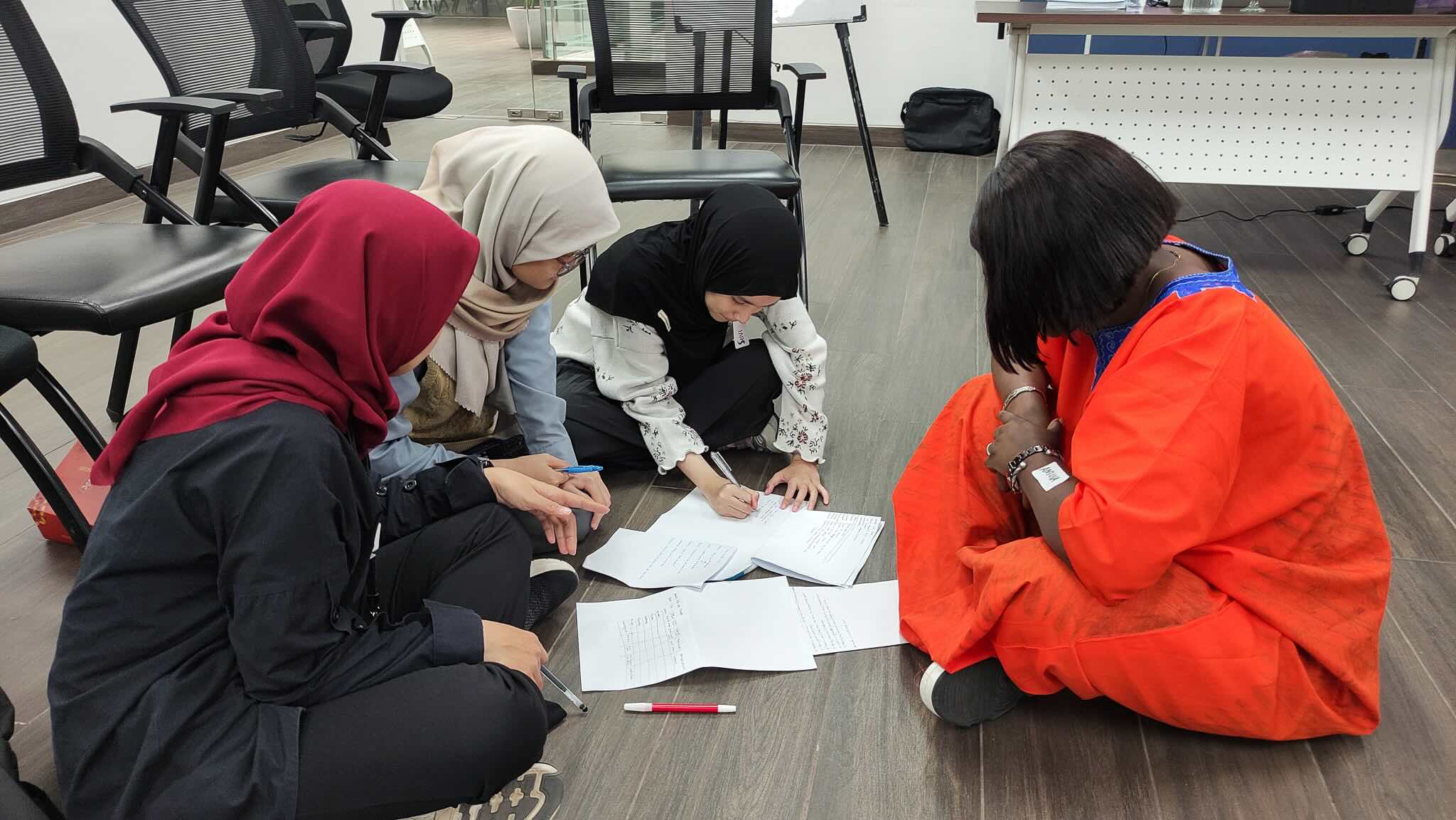
The workshop opened with a collective meditation and an interactive activity using “emotion cards.” Participants matched their current internal state with words or images on their selected cards, revealing how deeply personal lives impact academic performance.

Marie Emilly Gomez, a student in the MA Political Science program, shared how choosing forgiveness was a turning point for her.
“I realized that I could feel proud of myself because I had made the conscious decision to forgive myself and those who had wronged me,” Gomez explained. “Forgiveness, for me, became a pathway to inner peace and emotional healing.”
Other students found meaning in the visual symbols on the cards. Ihsan-Isah Imam Zaman, a student from the Philippines, felt drawn to a card featuring nature and the word “Pause.” His reflection highlighted a common struggle in the fast-paced academic world.

“Life, including academic life, does not have a pause button,” Ihsan noted. “What it implies metaphorically is that we ‘pause’ along the way of our progress to check what we have missed… This kind of reflection does magic to how we think about our own thinking.”
A major focus of the workshop was moving from the idea of self-care to the actual practice of it. Students were taught that self-care is not a luxury, but a requirement for long-term success. Gomez noted that this shift in mindset is essential for those juggling multiple roles.
“This activity highlighted the importance of planning self-care just as intentionally as academic work,” she said.
In collaborative teams, such as one known as “Group Chantic,” students listed practical activities to prevent burnout, including:
– Physical Wellness: Spa visits, sports, and hygiene routines.
– Social & Leisure: Cinema trips, beach visits, and cooking.
– Mental Recovery: Scheduled time for relaxation and “positive self-talk.”

The workshop helped students realize that feeling overwhelmed is not a sign of failure. By sharing stories, participants found a sense of collective understanding. Ihsan highlighted how rare and valuable this support is for international students.
“It is rare, at least from my perspective as an overseas student, to receive support outside of scholarship that is relevant to my academic needs,” Ihsan shared, praising the university’s “beneficial innovation” in mental health services.
For Gomez, balancing life as a student, mother, and wife, the workshop was a vital reminder. “The pressure to perform well in all areas often feels overwhelming,” she admitted. “This workshop helped me recognize that experiencing stress does not mean failure and that self-care is a necessity.”
The session concluded with a focus on self-awareness and empathy. By providing these tools, UIII is helping its aspiring scholars approach their academic careers with a healthier, more intentional, and balanced perspective.