At many universities, research rises to the spotlight while community engagement follows as an afterthought. At Universitas Islam Internasional Indonesia (UIII), the opposite is true: both stand shoulder to shoulder to form the strong pillars of higher education.
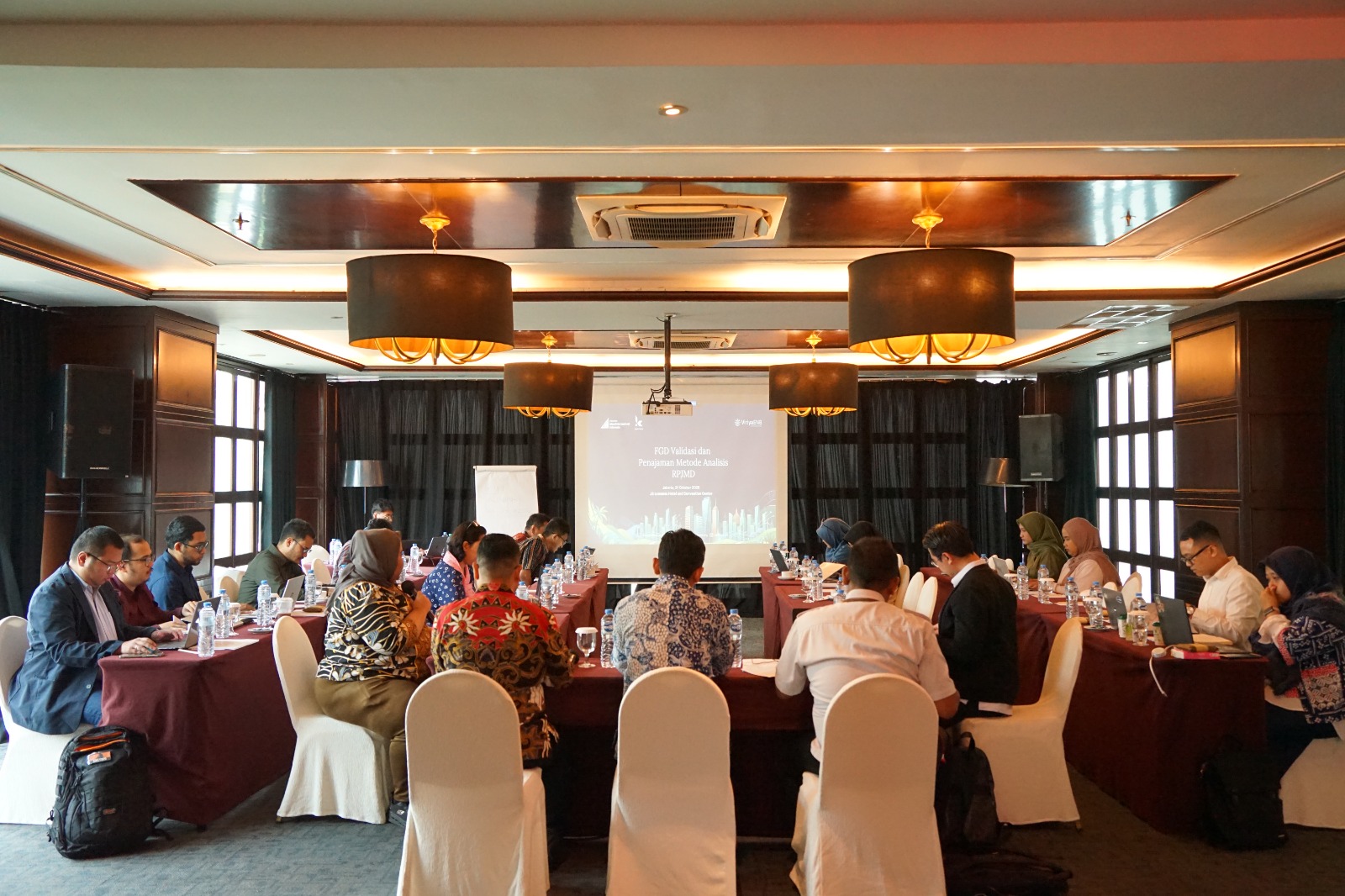
This year’s Annual Seminar on “Research and Community Engagement Findings 2025,” held on December 9 at the Faculty A, proved that UIII is shaping a model where academic rigor and community empowerment coexist and enrich each other.
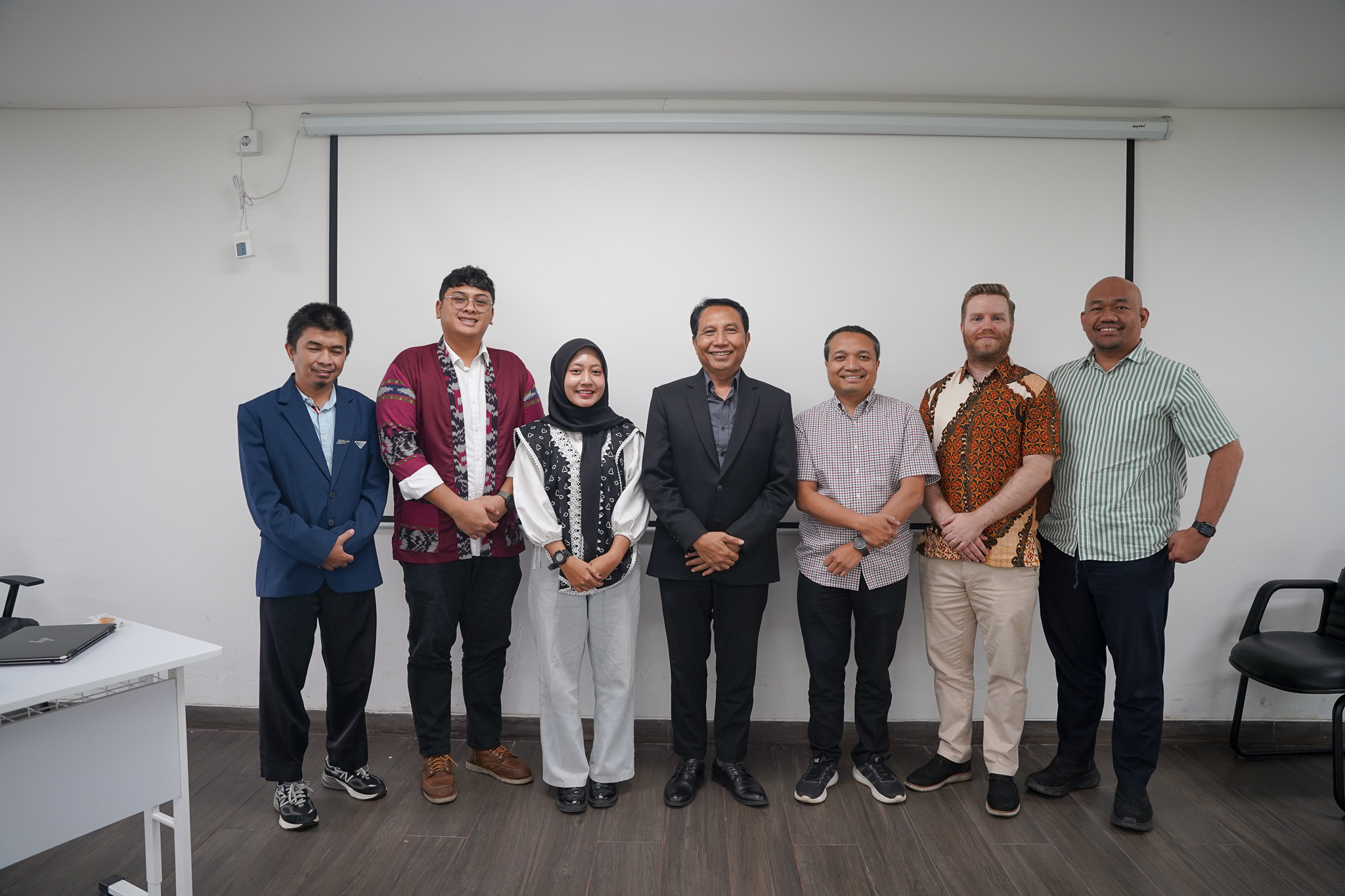 The event, organized by the Directorate for Research and Cooperation, showcased 20 research studies and 15 community engagement programs. This year’s number of research grants increased by 67% from 12 recipients in 2024. Meanwhile, the community engagement grants also increased significantly, from only 5 recipients in 2024.
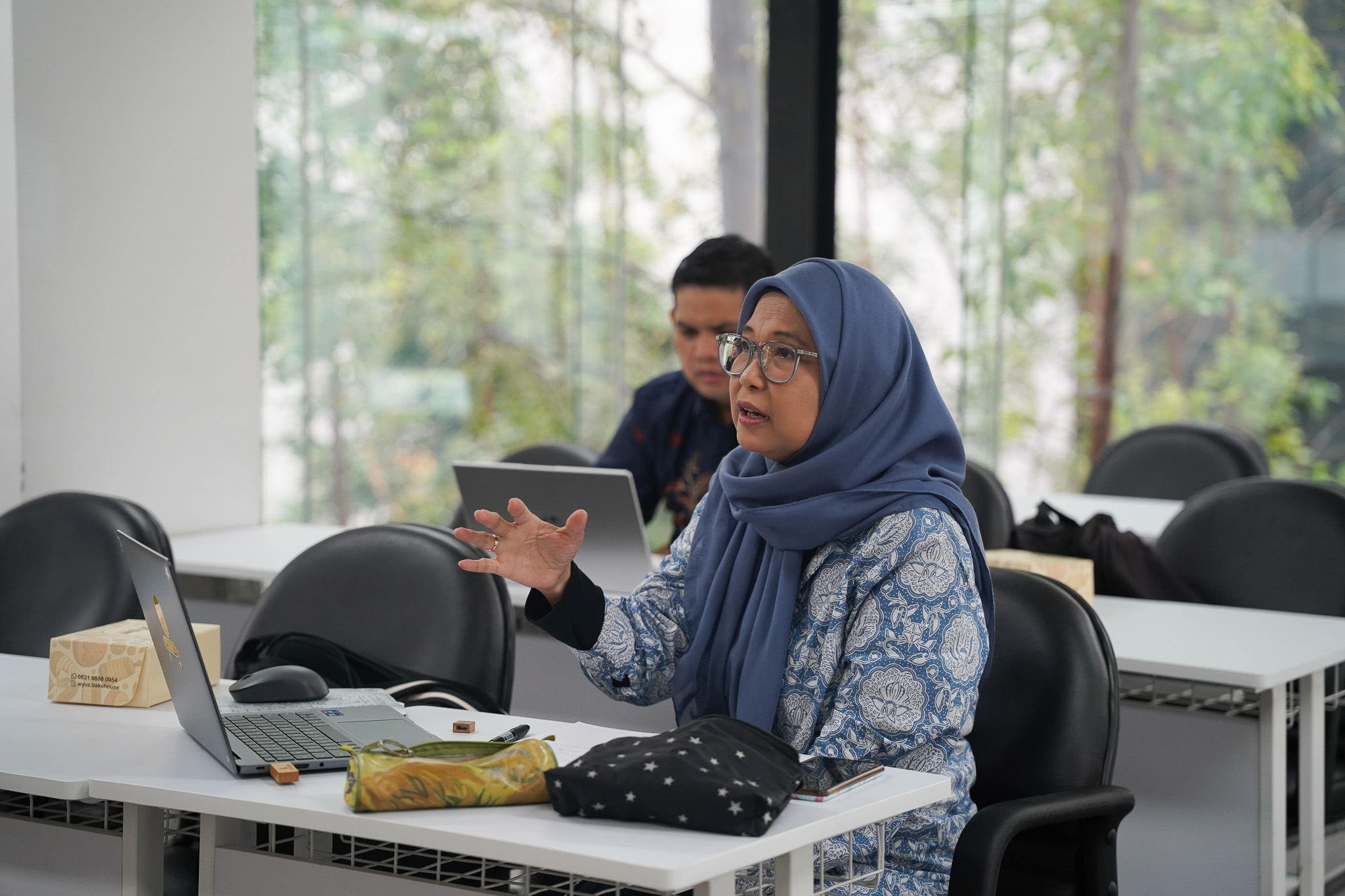
The seminar featured six external reviewers: Prof. Dr. Siti Nurul Azkiyah, Prof. Didin Nuruddin Hidayat, Ph.D., and Prof. Ali Munhanif, Ph.D., from UIN Syarif Hidayatullah Jakarta; Dr. Femmy Roeslan, M.Ec.Dev., and Turro Selrits Wongkaren, Ph.D., from Universitas Indonesia; and Ahmad Rafiq, Ph.D., from UIN Sunan Kalijaga Yogyakarta.
In his opening remarks, Rector Prof. Dr. Jamhari emphasized that research excellence is inseparable from openness to evaluation. “Since the beginning, we decided that our research must be reviewed by external experts — not only at the end, but continuously. Through external eyes, we see how to improve. This culture must be maintained and strengthened.”
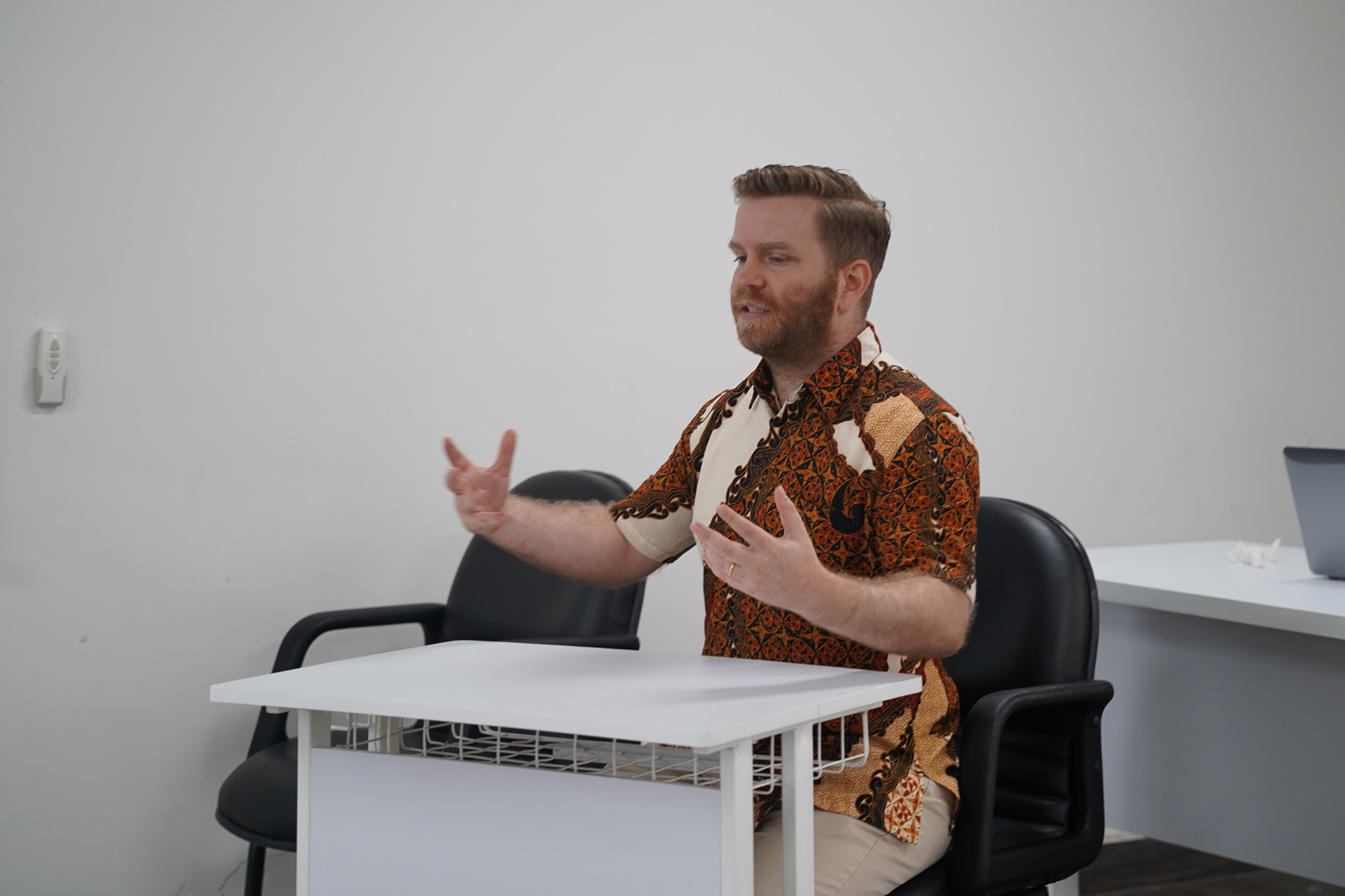 He acknowledged UIII’s growing academic productivity including 155 academic publications this year, while stressing that quantity must follow quality. “For a still-small university, producing this number of articles is extraordinary. But more importantly, these publications build credibility and trust. They reflect the seriousness of our research culture.”
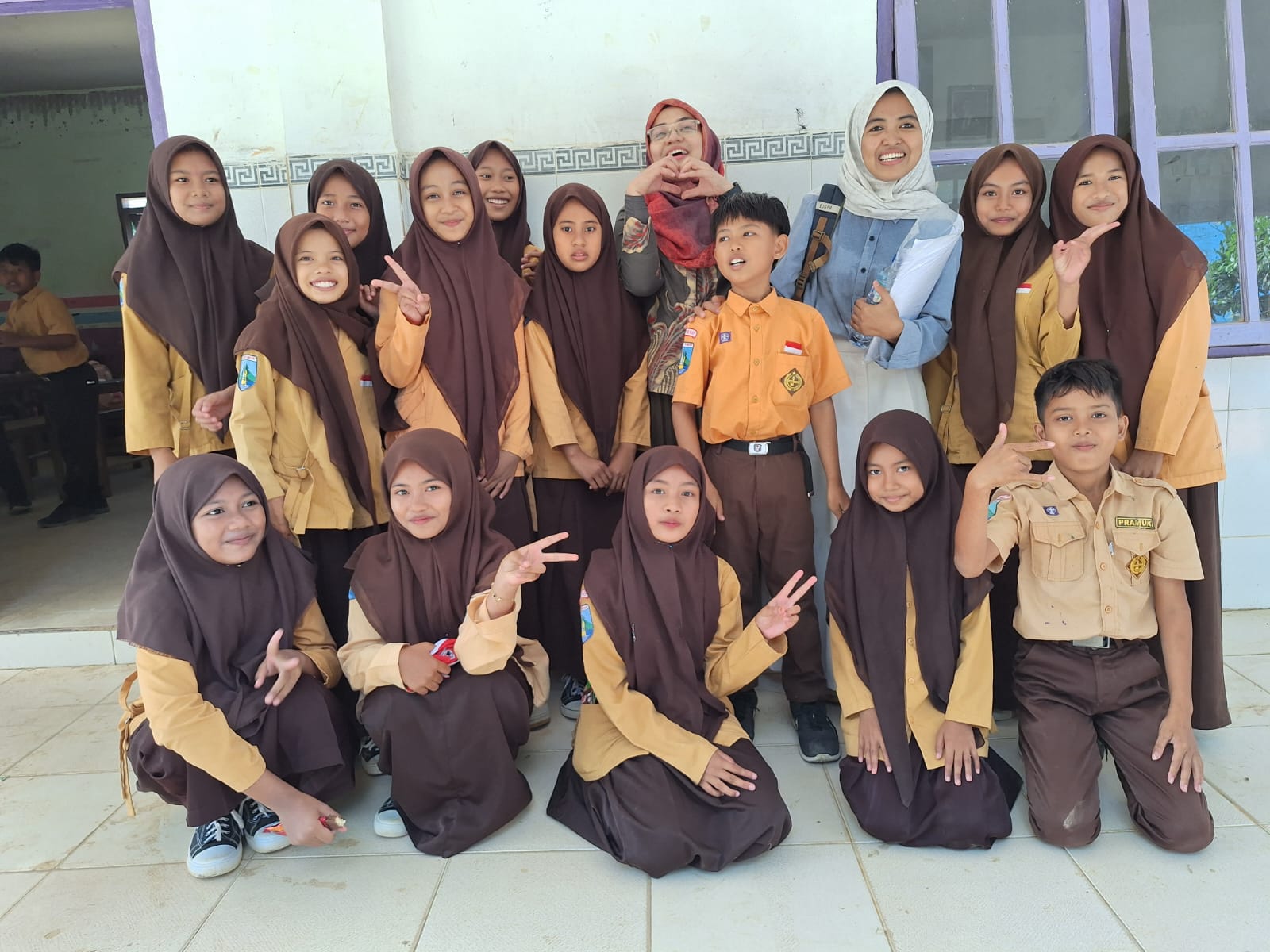
If research sharpens minds, community engagement strengthens society. This year’s showcased projects ranged from interfaith youth camps, coastal policy dialogues, mathematics teacher training, pesantren curriculum reform, vocational empowerment clinics, empathy programs, to renewable energy community projects.
Director for Research and Cooperation Saiful Umam, PhD, underlined the importance of preparing early for 2026, especially for those planning to apply for internal or external grants.
“Good results do not come from last-minute proposals. We encourage teams to plan early, decide whether to apply for university grants, MORRA grants, or create collaborative projects. That planning will increase success.”
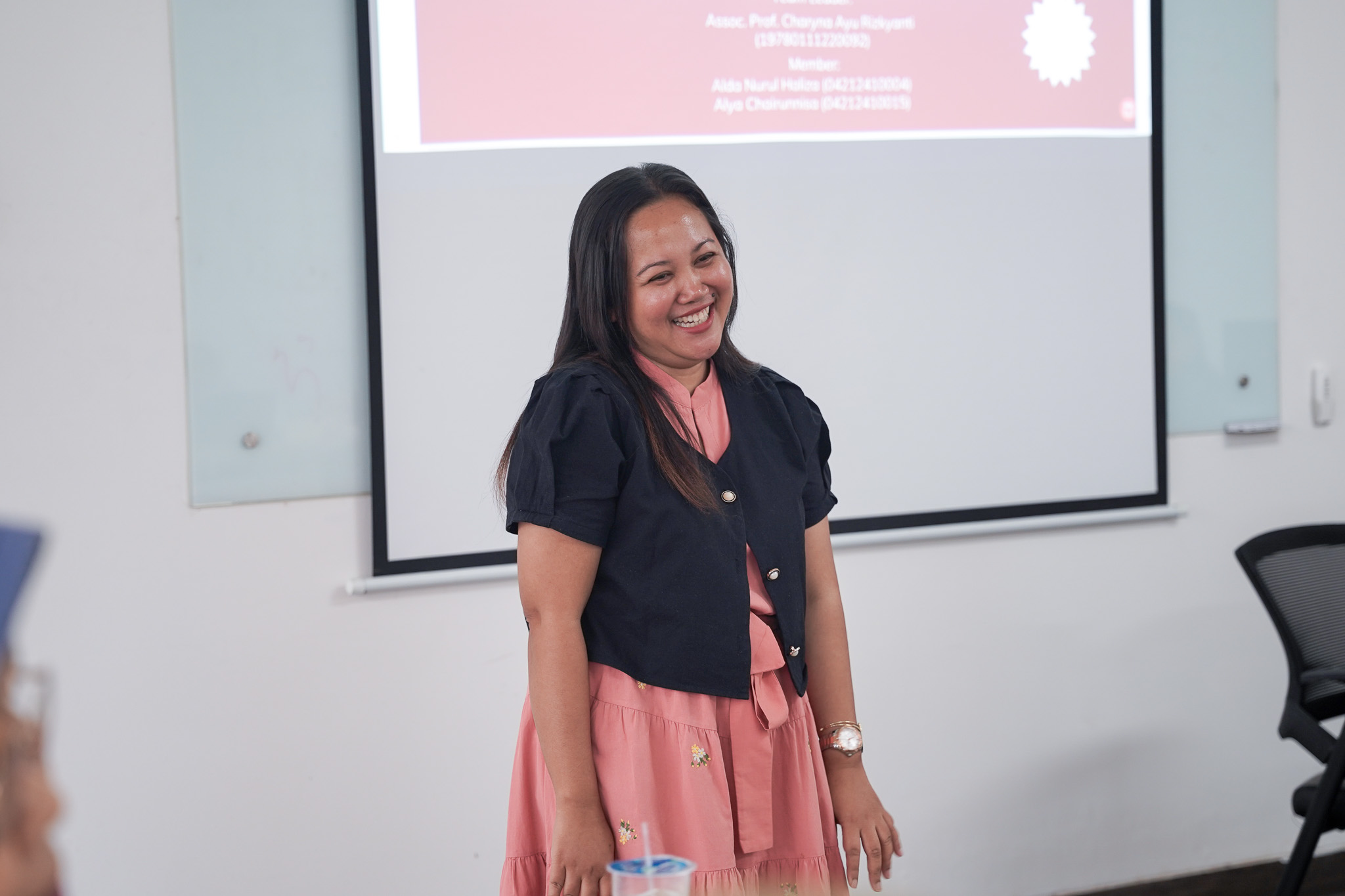 He also noted that UIII is developing a digital system that will handle proposal submissions and reporting. “Until now, processes are still manual. We aim to digitize the system so that applications, announcements, and reports are integrated. We hope to have this ready for the next funding cycle.”
The Annual Seminar reaffirms that research and community engagement are not separate from academic obligation. They reinforce each other. Together, they fulfill the Tri Dharma mandate of Indonesian universities, where education, research, and community development coexist as mutually supportive pillars.