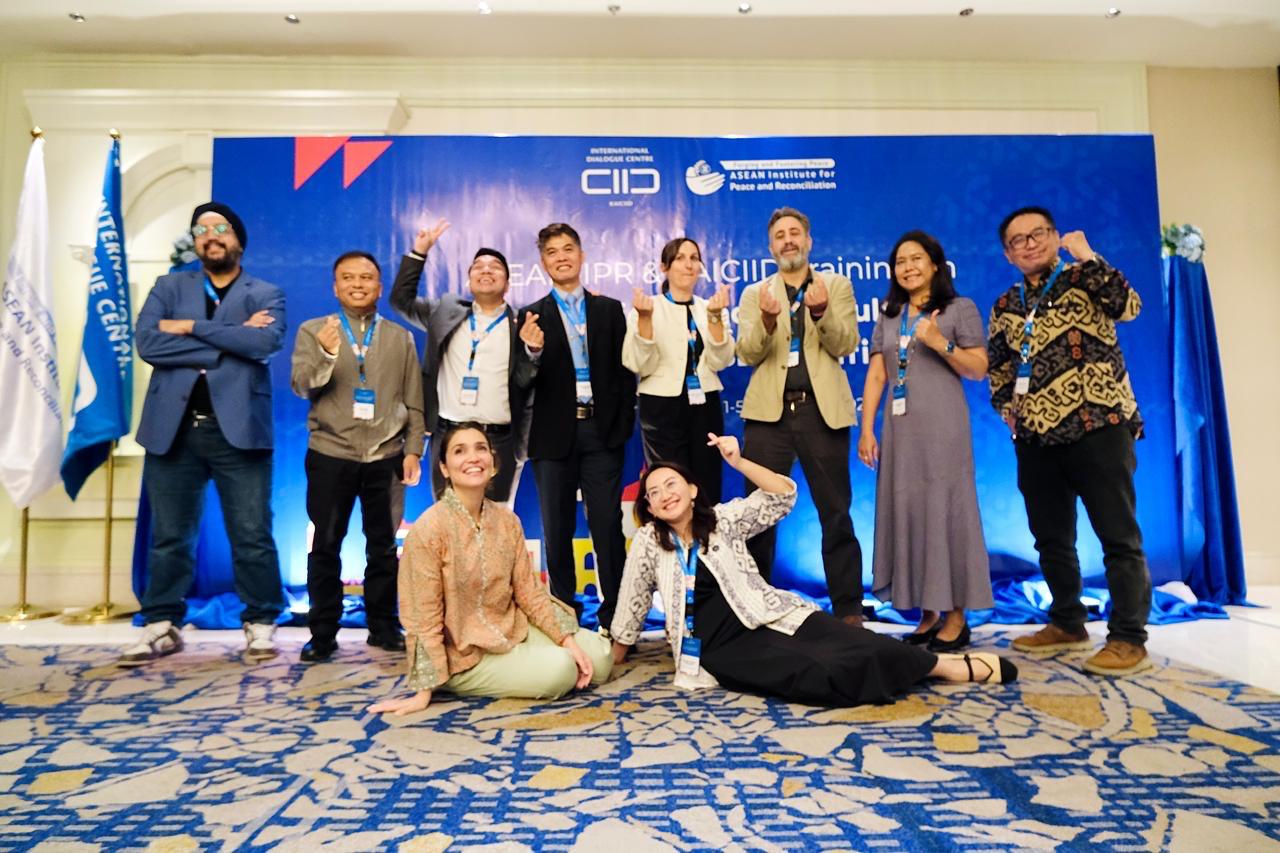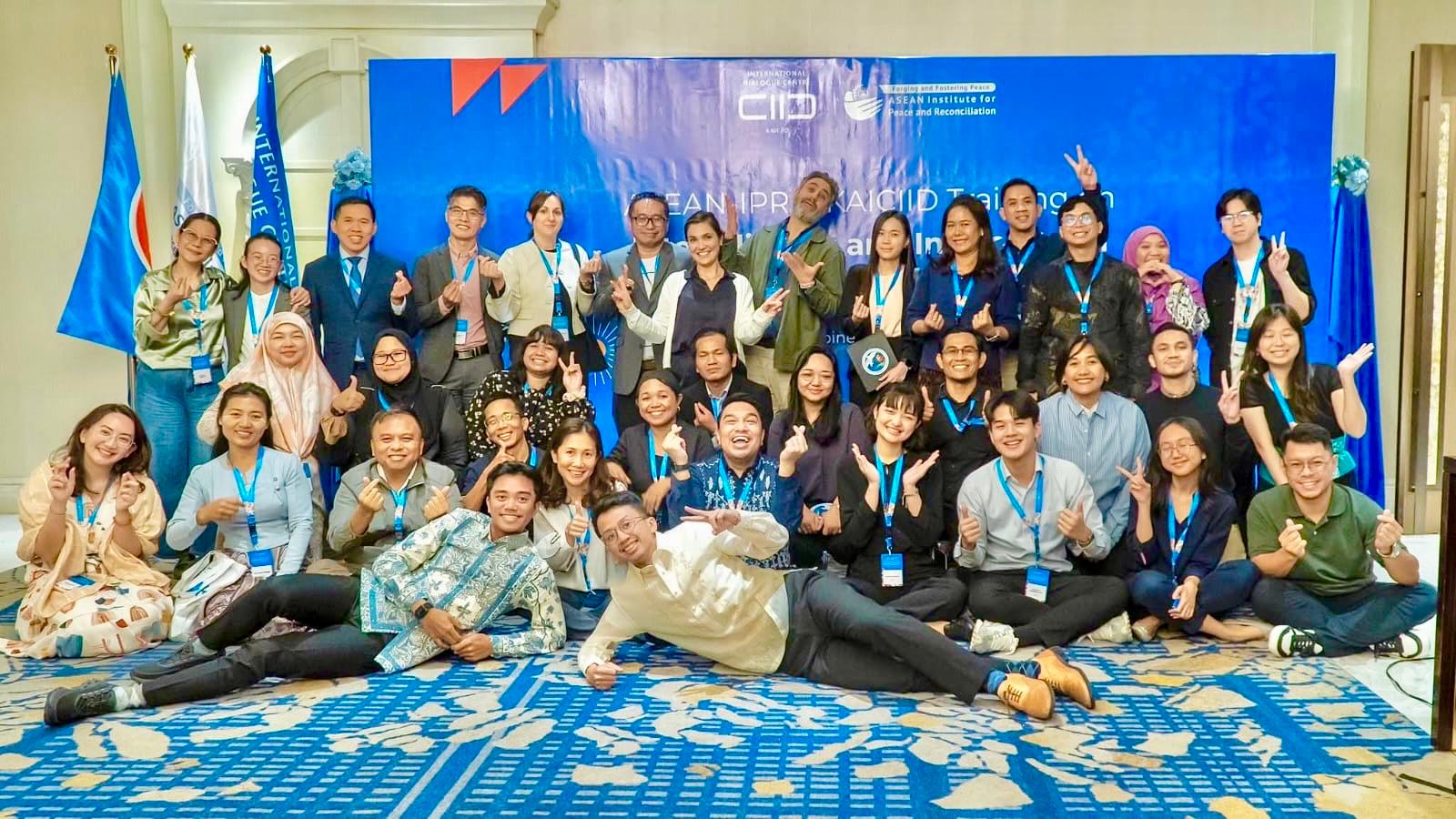
The Interreligious Dialogue (IRD) initiatives have flourished across Southeast Asia in recent years, including programs led by Indonesia’s Ministry of Religious Affairs and various universities throughout the country. Continuing this momentum, the ASEAN Institute for Peace and Reconciliation (ASEAN IPR), in partnership with KAICIID, convened the 2025 Seminar-Training for ASEAN Officials from 1–5 December, 2025, in Manila, Philippines. This marks the third iteration of the program, first launched in Bangkok, Thailand in 2023 and continued in Kuala Lumpur, Malaysia in 2024.
Ridwan, Ph.D., Director of the Center of Muslim Politics and World Society (COMPOSE) at the Faculty of Social Sciences, UIII, was invited for the second time as a regional expert from Indonesia. He joined an esteemed group of professional trainers from across Southeast Asia. This year’s cohort consisted of 24 participants representing ASEAN Member States, the majority of whom were government officials.
 The training highlighted the centrality of Interreligious Dialogue (IRD) and Intercultural Dialogue (ICD) as powerful mechanisms for peacebuilding. The program rests on the conviction that religion and culture contribute essential life skills—particularly in preventing and resolving conflicts—and in nurturing a culture of peace through attentive listening, wisdom, and meaningful dialogue.
The international training pursued several key objectives. First, participants were equipped to integrate IRD/ICD frameworks into their daily professional responsibilities—ranging from policymaking and program development to community engagement within their respective government institutions—especially in areas such as social cohesion, peacebuilding, and inclusive governance.
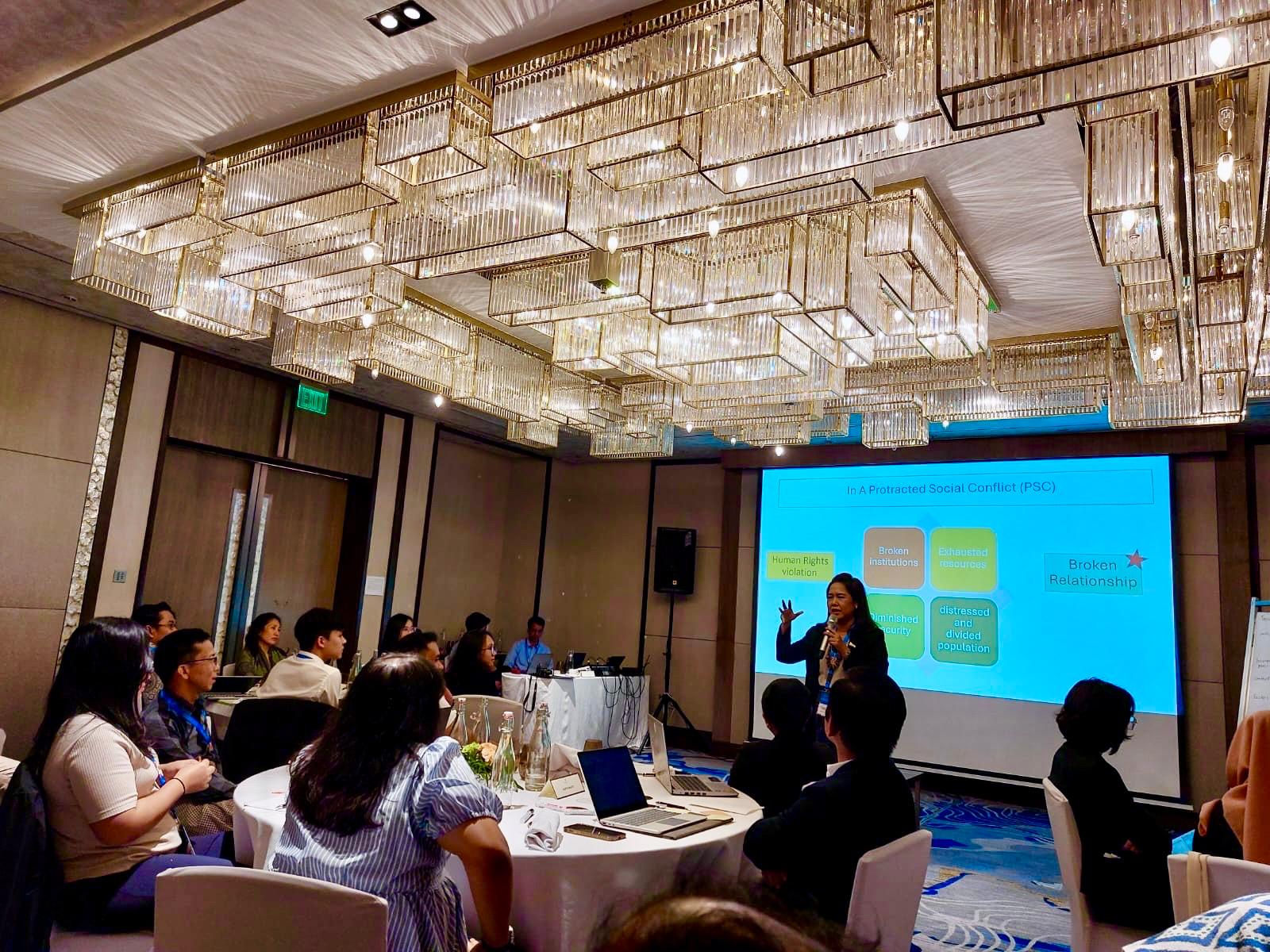 Second, participants identified relevant thematic fields—including climate action, gender equality, youth empowerment, and community resilience—and explored how to adapt dialogue methodologies to address these issues in culturally sensitive, inclusive, and conflict-aware ways.
Third, participants were encouraged to serve as multipliers, disseminating the knowledge and insights gained to their colleagues and institutions, while helping to cultivate a wider regional community of practice for dialogue across ASEAN.
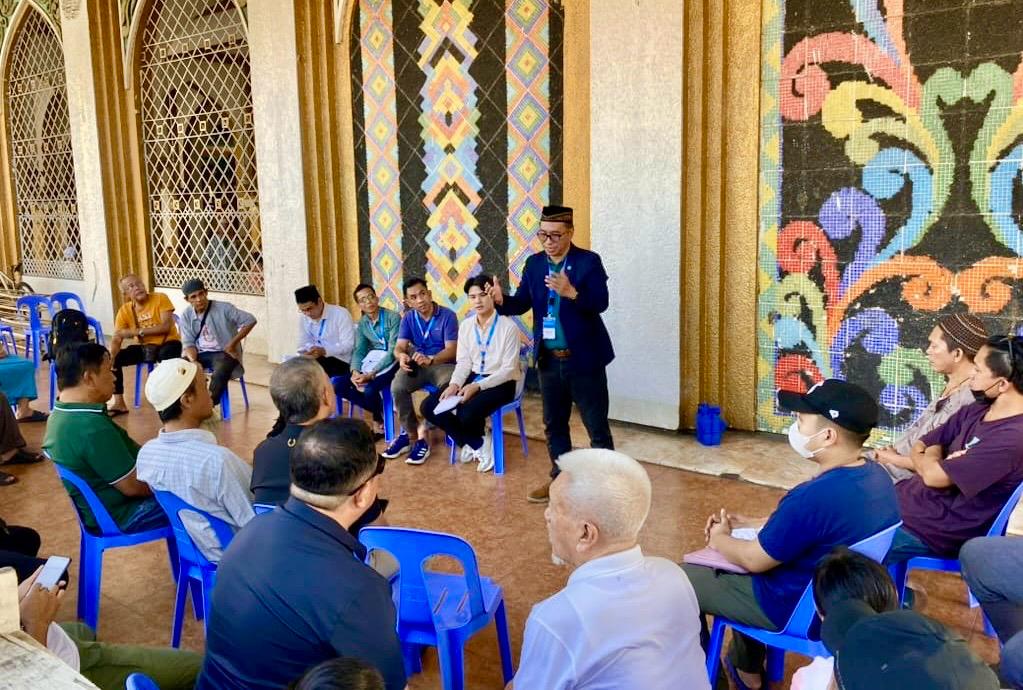
Ahead of the in-person workshop, participants completed an online preparatory course offered by KAICIID. The Manila program featured seminars, group discussions, case studies, mini-lectures, and field visits to local religious and cultural communities. The sessions followed an experiential learning approach, creating a safe and supportive environment for participants to exchange experiences, guided by trainers and facilitators.
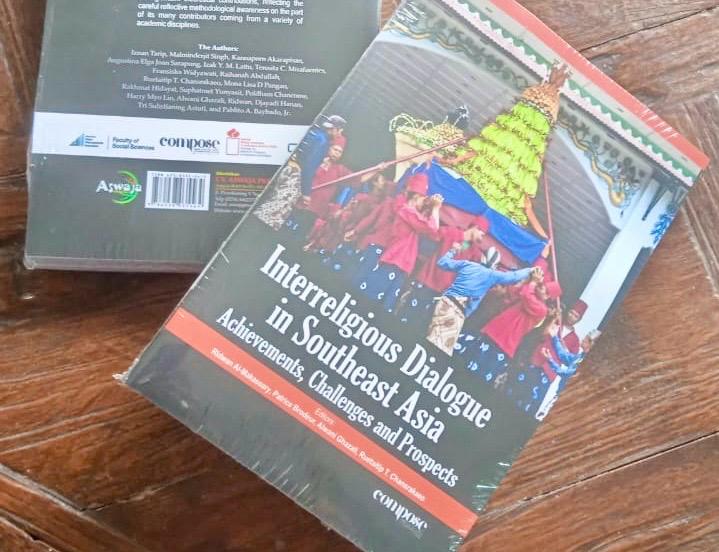 COMPOSE has increasingly earned recognition from KAICIID alongside numerous other alumni-affiliated institutions. In June 2025, COMPOSE organized an international conference on Interreligious Dialogue in Southeast Asia. A concrete outcome of this effort was the publication of Interreligious Dialogue in Southeast Asia: Achievements, Challenges, and Prospects in November 2025. This year, COMPOSE also implemented its IRD for Peace program for young interfaith leaders in the Greater Jakarta area (Jabodetabek), supported by UIII’s community engagement funding.
With these accomplishments, COMPOSE FoSS UIII continues to affirm its vital role in advancing interreligious dialogue and strengthening the foundations of peace across Southeast Asia.